


Promoting Sustainable Livelihoods Linked to Forest Protection in Western Lam Dong
On October 22, in Tuy Duc Commune, the Lam Dong Provincial RECAF Project Management Unit - Dak Nong Area (PPMU2) organized an inception workshop for the project titled "Emission Reduction in the Central Highlands and South Central Coast of Vietnam to Contribute to National REDD+ Action Program Targets," implemented across the communes of Quang Tan, Quang Truc, and Tuy Duc.
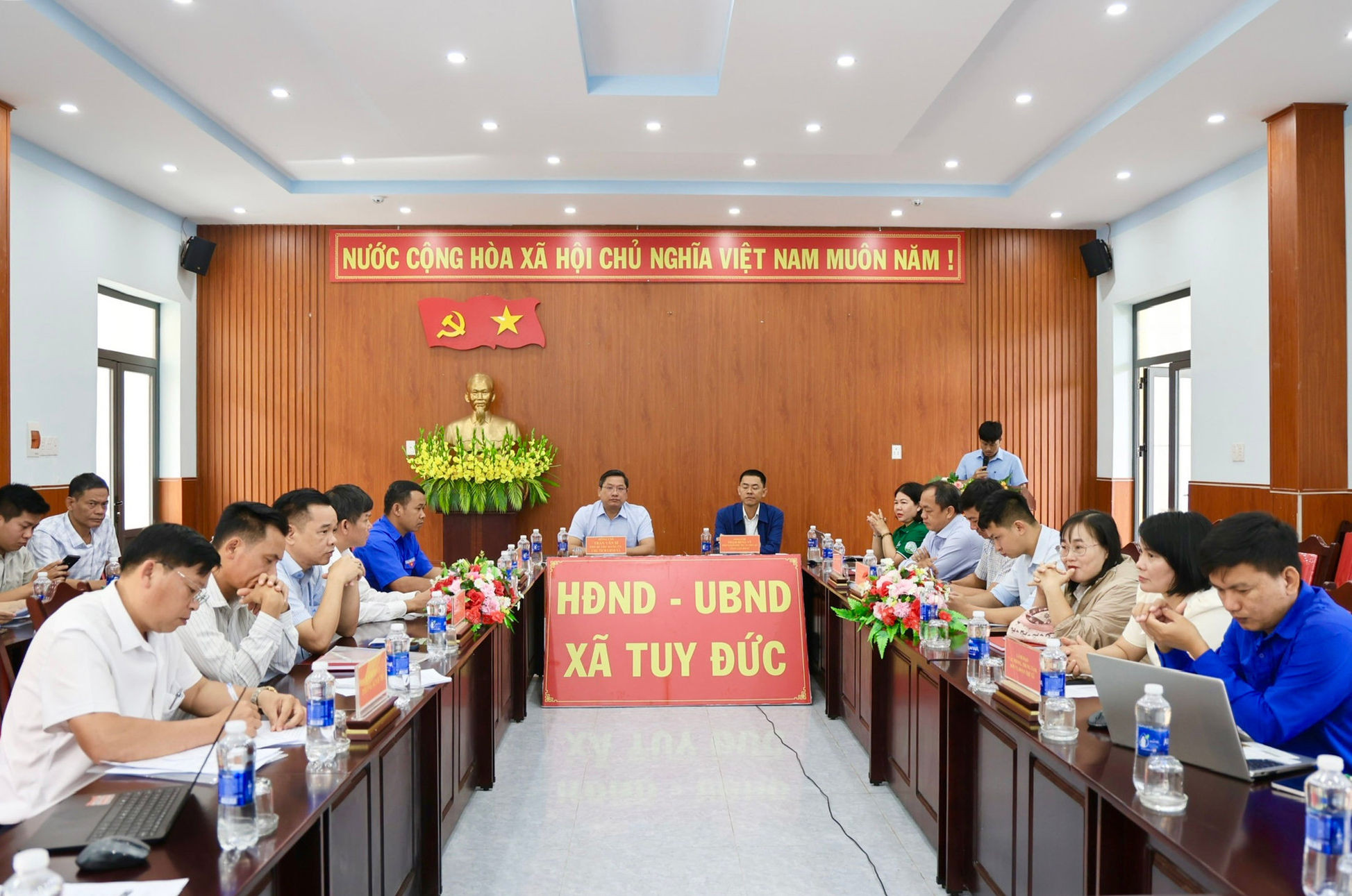
At the workshop, delegates were introduced to the project's objectives, funding sources, main components, and implementation roadmap, while engaging in exchanges regarding local needs, forest protection and management status, and local expectations.
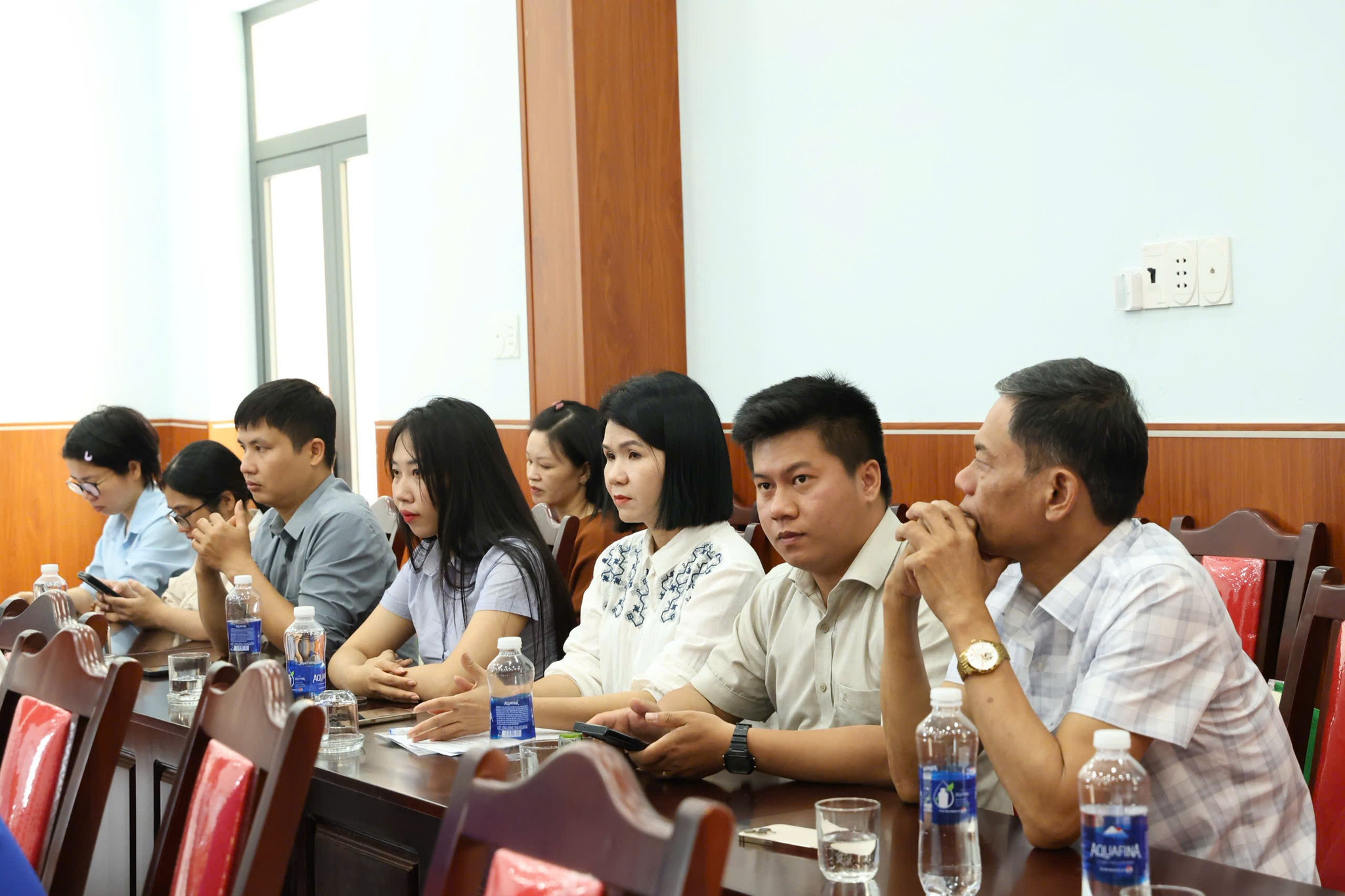
The project is implemented across 37 communes, including 22 communes in the former Lam Dong area and 15 communes in the former Dak Nong area, covering a total forested area of approximately 389,587 hectares with an approved total budget of over 305 billion VND.
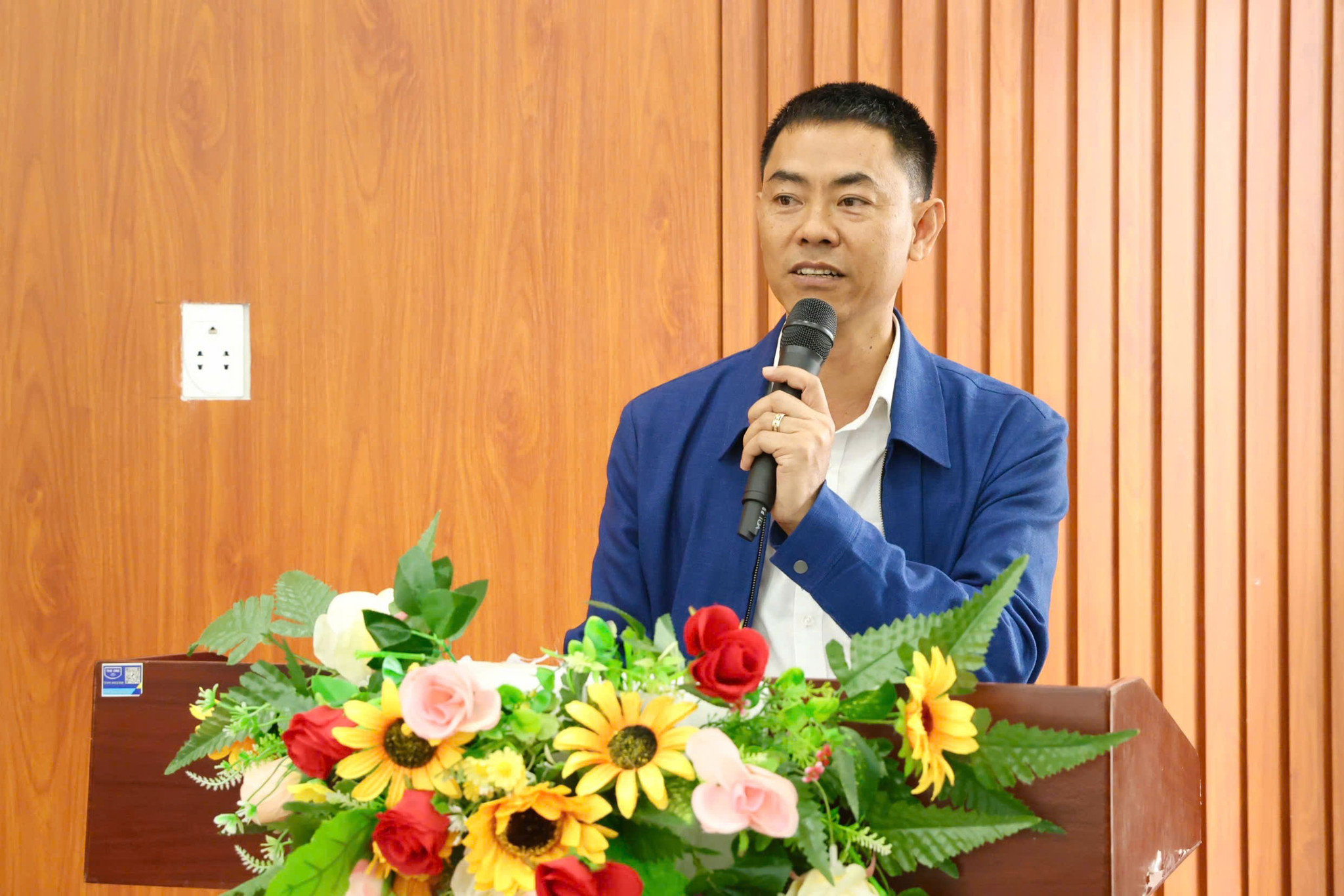
The project is managed by the Lam Dong Provincial People's Committee as the managing agency, with the Provincial Department of Agriculture and Environment acting as the project owner. The project aims to reduce greenhouse gas emissions in agriculture, forestry, and land use sectors, while promoting forest management and protection linked with sustainable livelihood development and enhancing climate change resilience for local communities.
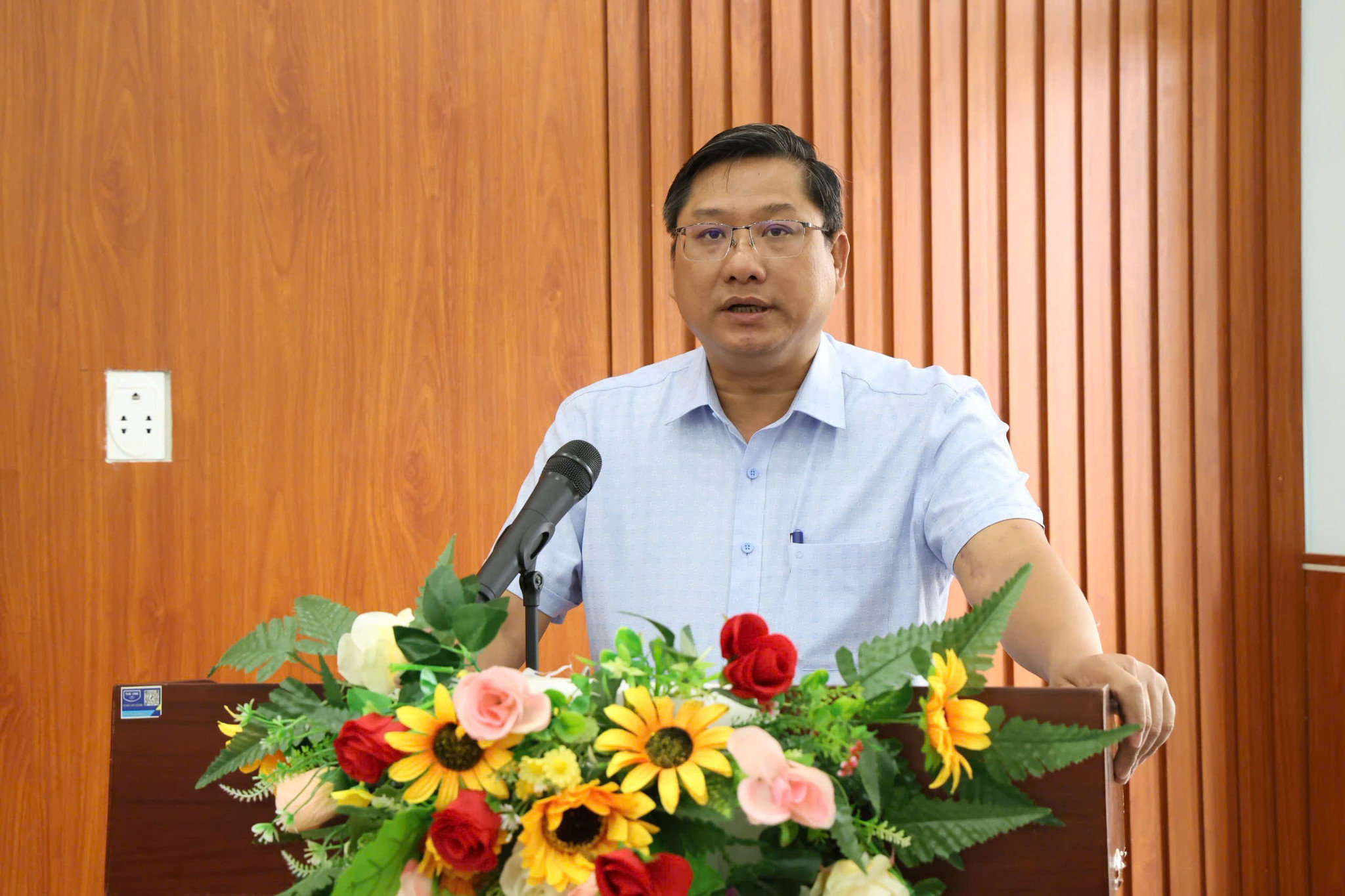
Within the framework of the program, delegates participated in surveys and provided feedback regarding needs, awareness levels, and expectations for the project.
This serves as a baseline for the Project Management Unit to synthesize information, evaluate practical conditions, and subsequently formulate implementation plans closely tailored to the needs of the locality and relevant stakeholders.
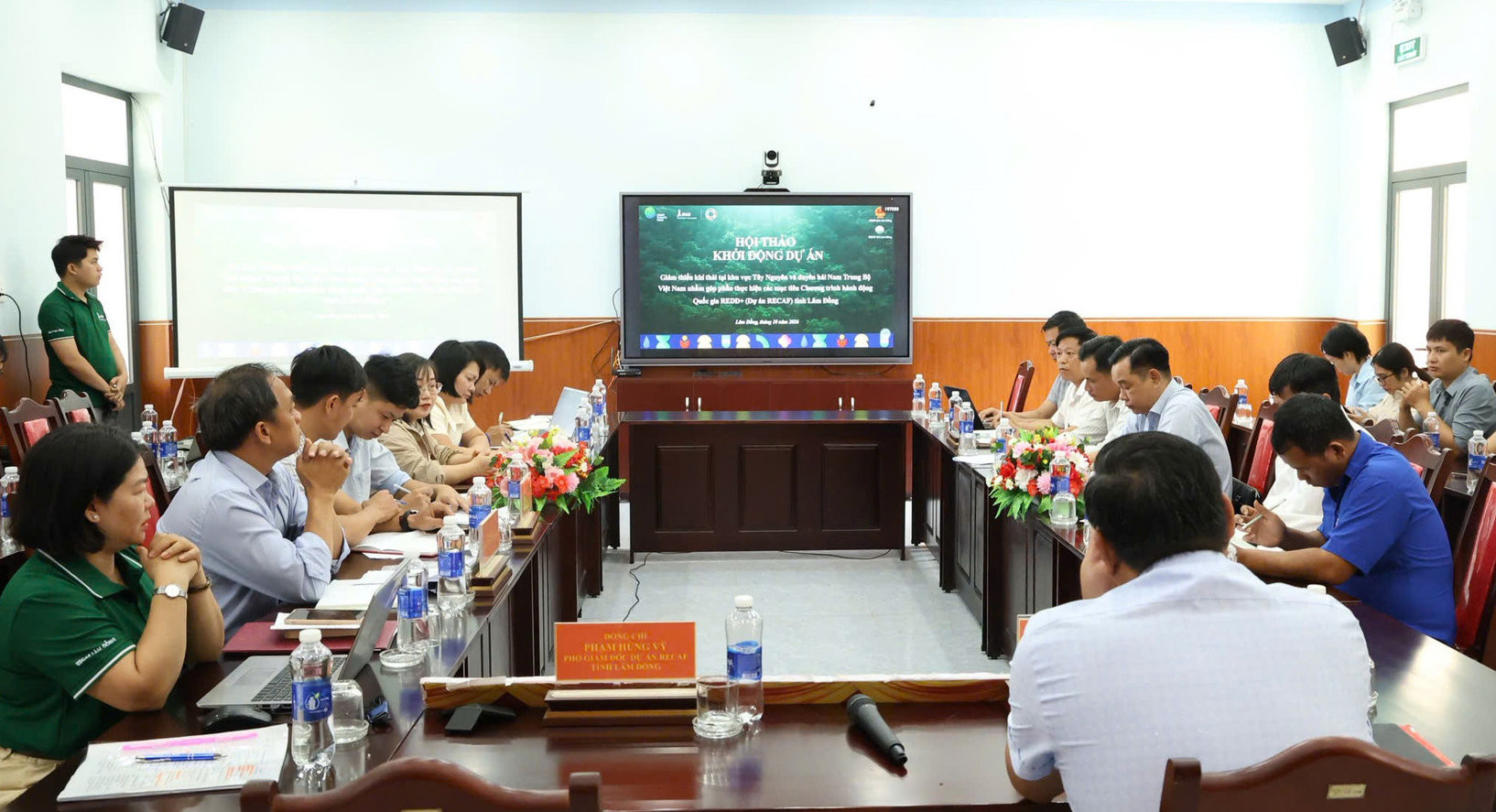
The inception workshop in Tuy Duc Commune is one of four workshops organized by PPMU2 in October 2026, marking the beginning of project rollout across designated project zones.
With coordination among local authorities, specialized agencies, and local communities, RECAF is expected to contribute to enhancing forest protection efficiency, reducing greenhouse gas emissions, addressing climate change, and striving toward local sustainable development goals.