

Promoting the “Lam Dong – A Green Symphony” Brand
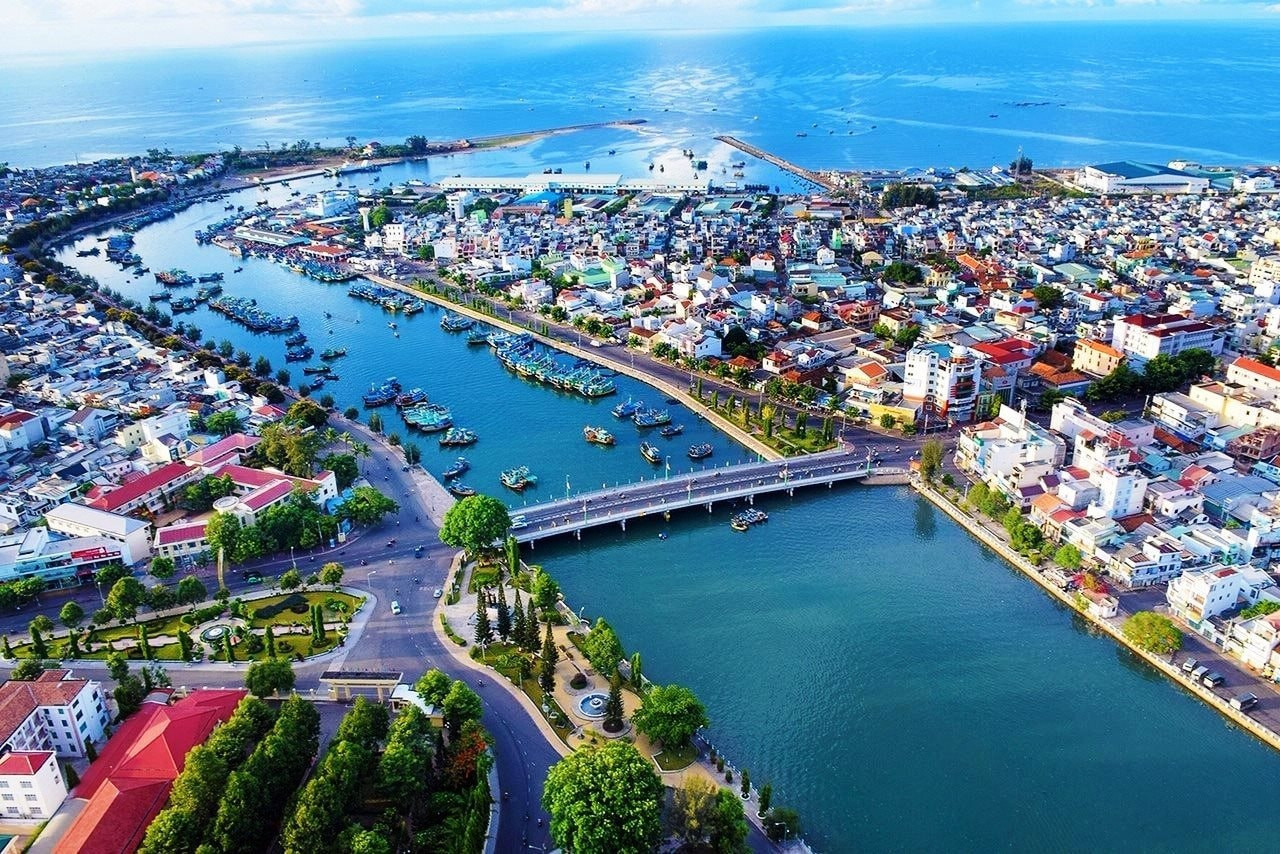
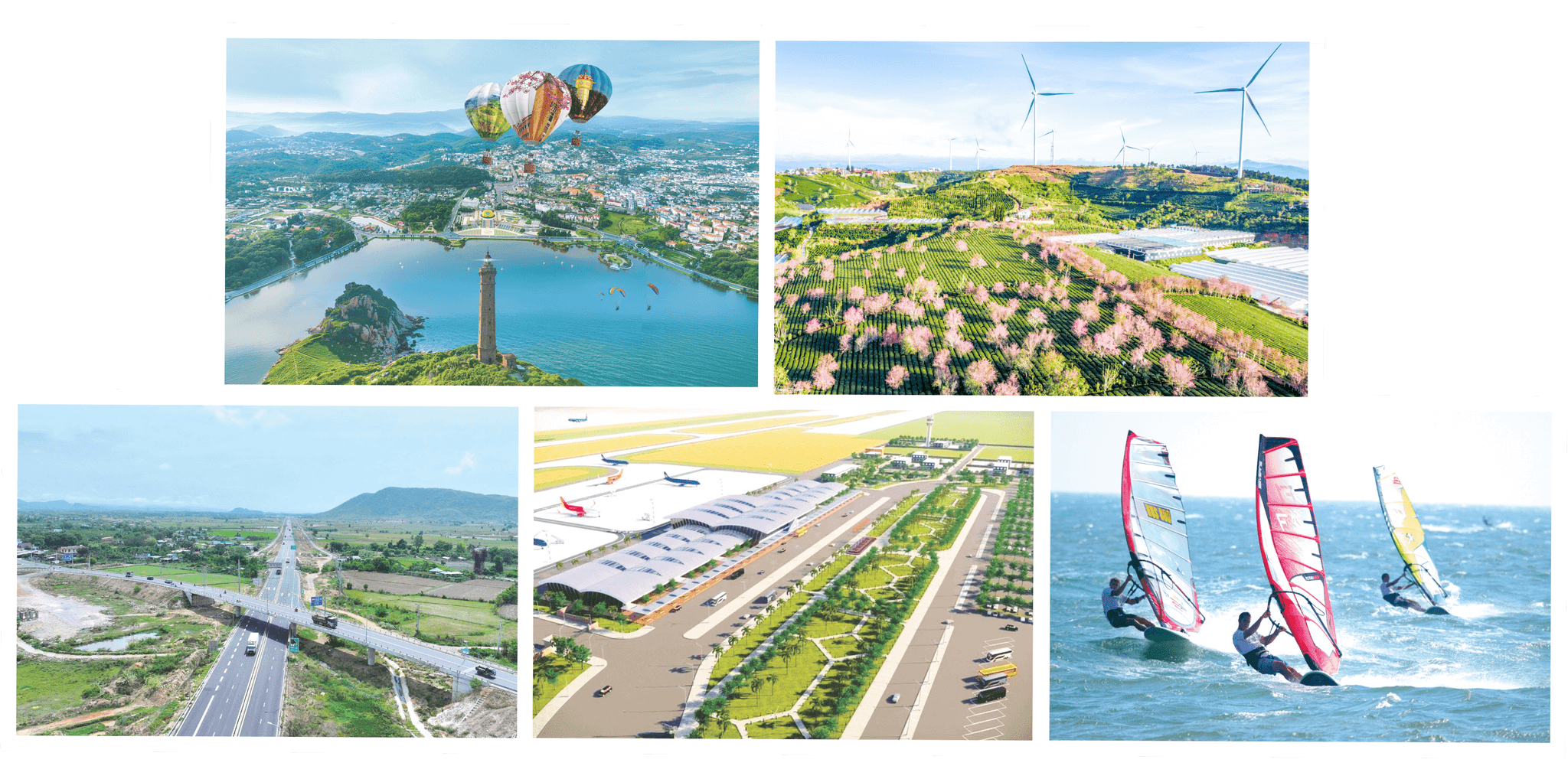
According to Lam Dong Province’s Brand Identity Scheme, the development of a unified brand stems from the transformation of the province’s development space following the merger of Lam Dong, Binh Thuan and Dak Nong. The expanded territory connects the highlands, midlands, coast and islands, bringing together significant natural, ecological, cultural and economic advantages.

Positioning the Province for a New Development Vision
Under the adjusted Lam Dong Provincial Master Plan for the 2021–2030 period, with a vision to 2050, the province aims to become one of Vietnam’s more developed provinces by 2030 and a growth pole for the South Central Coast and Central Highlands. The plan places people’s happiness and prosperity at the center of development and treats them as important measures of progress.

Lam Dong targets average annual GRDP growth of approximately 10–10.5% during 2026–2030. By 2030, GRDP per capita is expected to reach around VND 210 million, equivalent to USD 8,000, while the digital economy is projected to account for approximately 30% of GRDP.
By 2050, Lam Dong aims to become a developed province and a dynamic, sustainable development center for the South Central Coast and Central Highlands, with a highly developed economy, a modern economic structure and international competitiveness, ensuring that residents enjoy prosperous, civilized and happy lives.
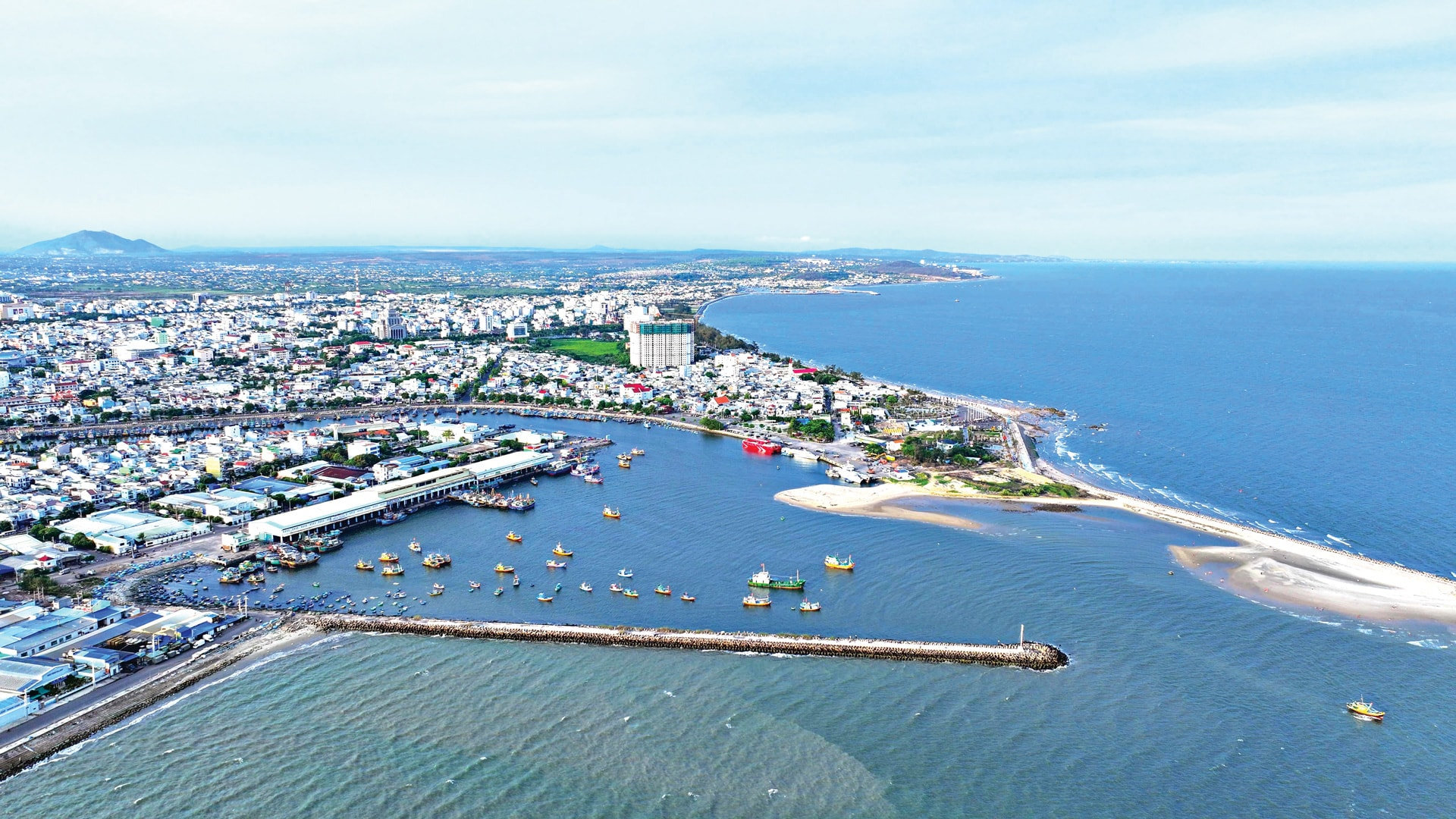
To establish this position, Lam Dong began advancing a proposal for an 86,000-hectare special economic zone following the introduction of the two-tier local government system. The initiative seeks to expand the province’s development space toward the sea, connecting the highlands with coastal destinations such as Mui Ne, Ham Tien, Ke Ga and La Gi, and moving beyond the constraints of a development model focused predominantly on agriculture and mountainous areas.
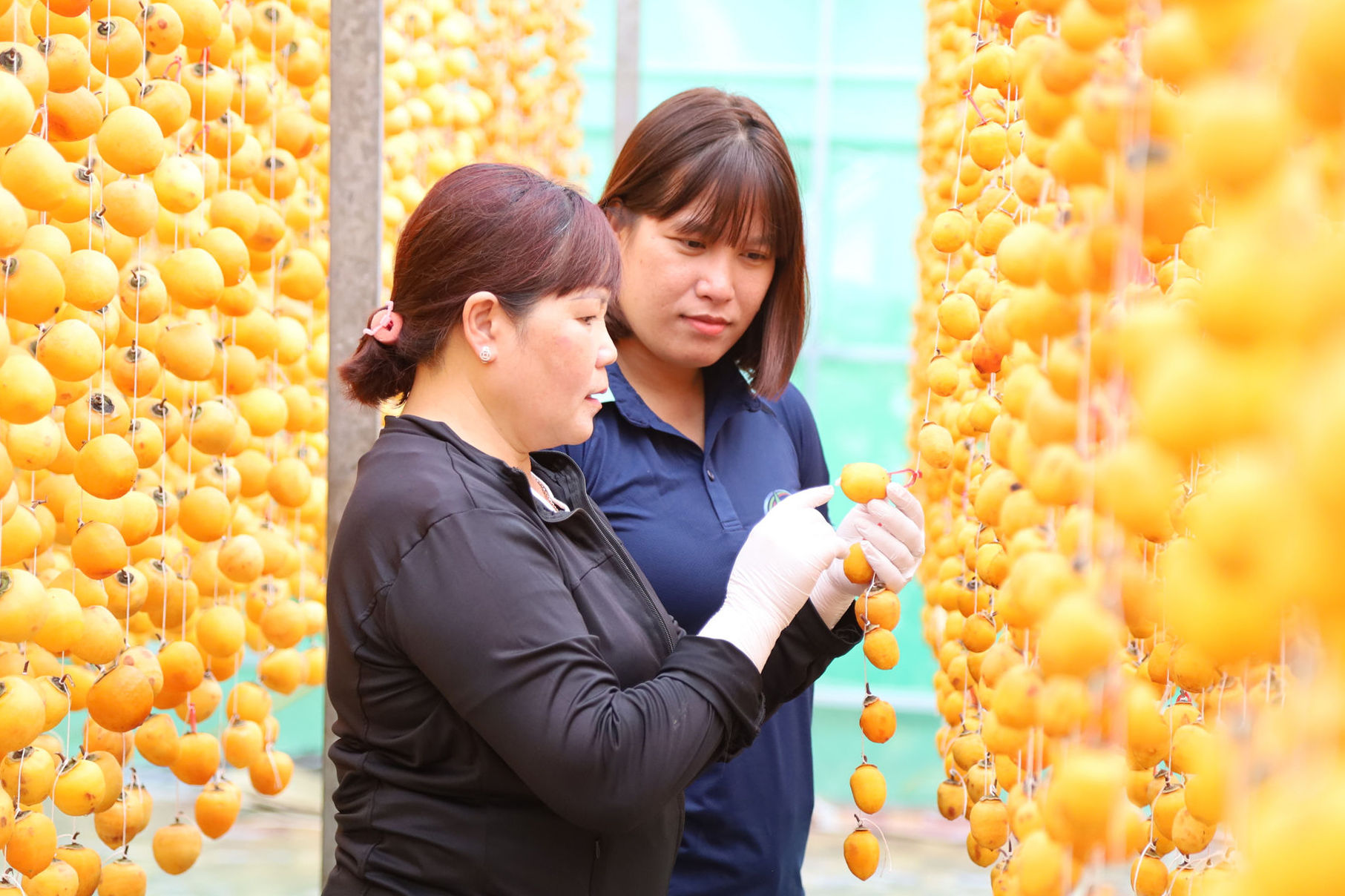
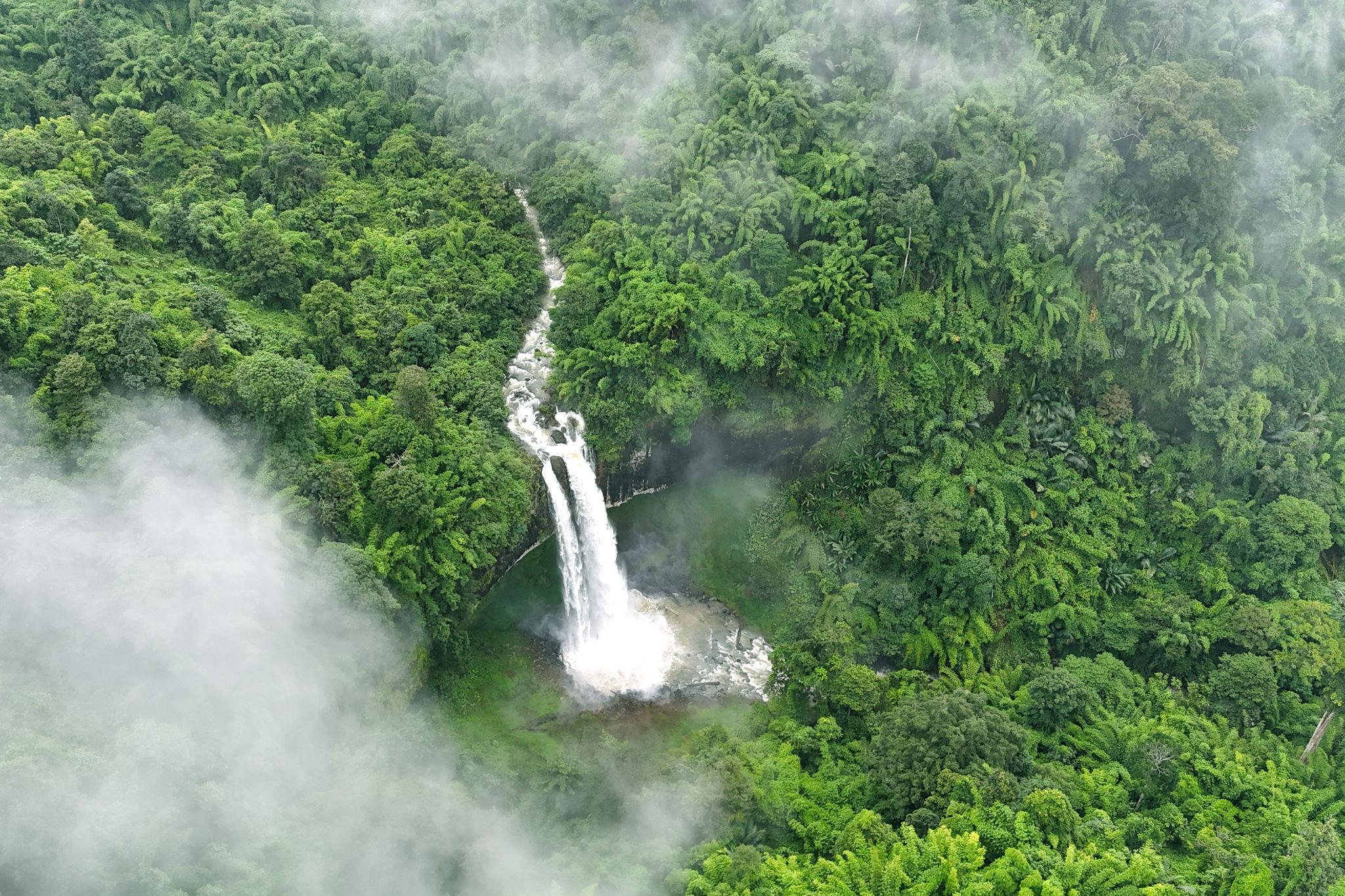
The province aims to develop Da Lat and Lam Dong as a whole into a high-quality tourism center for Vietnam, harmonizing the protection of primary forests with green tourism based on the value of forests and the sea. It also aims to qualify for centrally governed city status by 2050, while developing into a center for education, innovation and scientific research.
This vision demonstrates that Lam Dong is pursuing more than tourism-led growth. It is also moving toward a knowledge-based and creative economy.
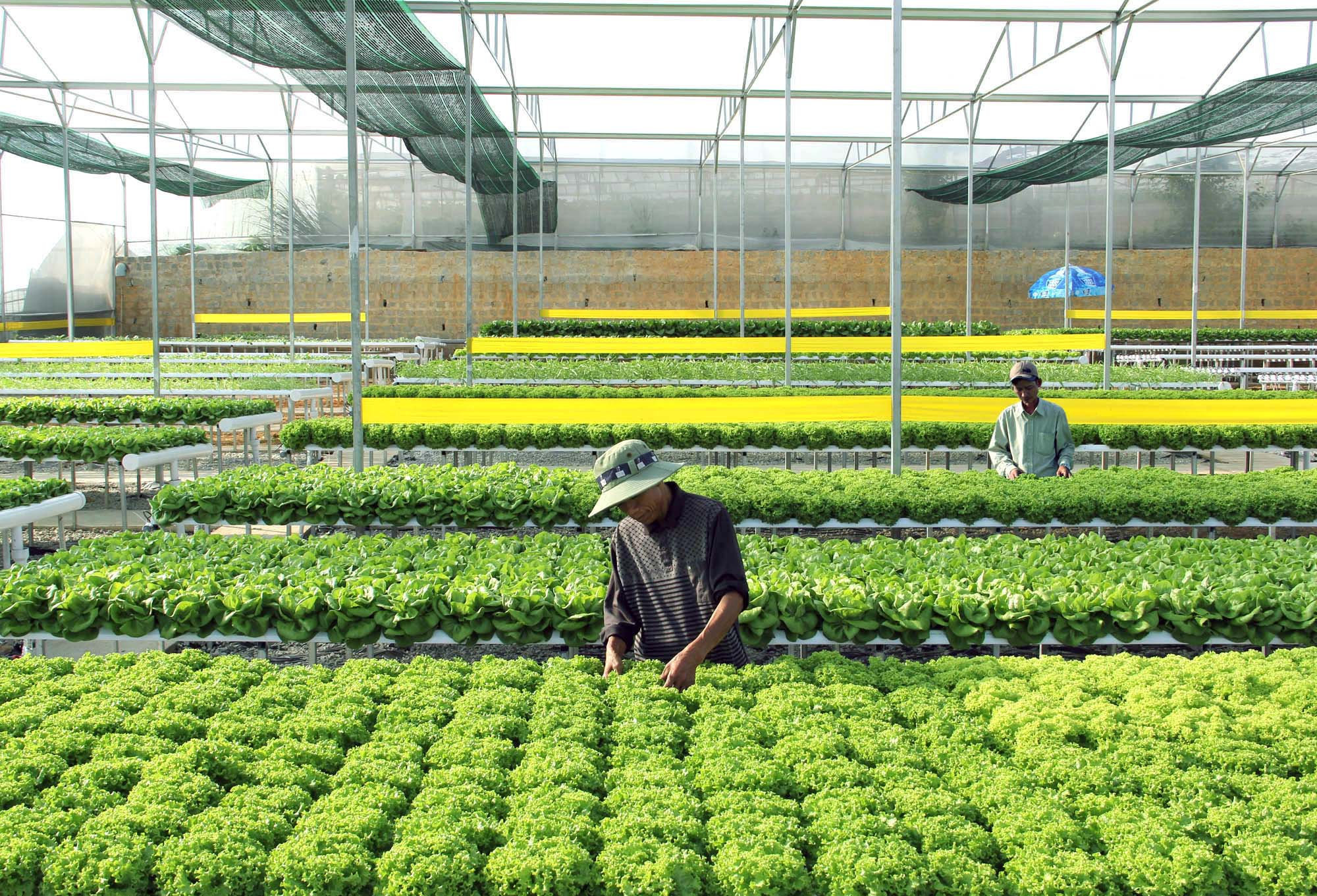
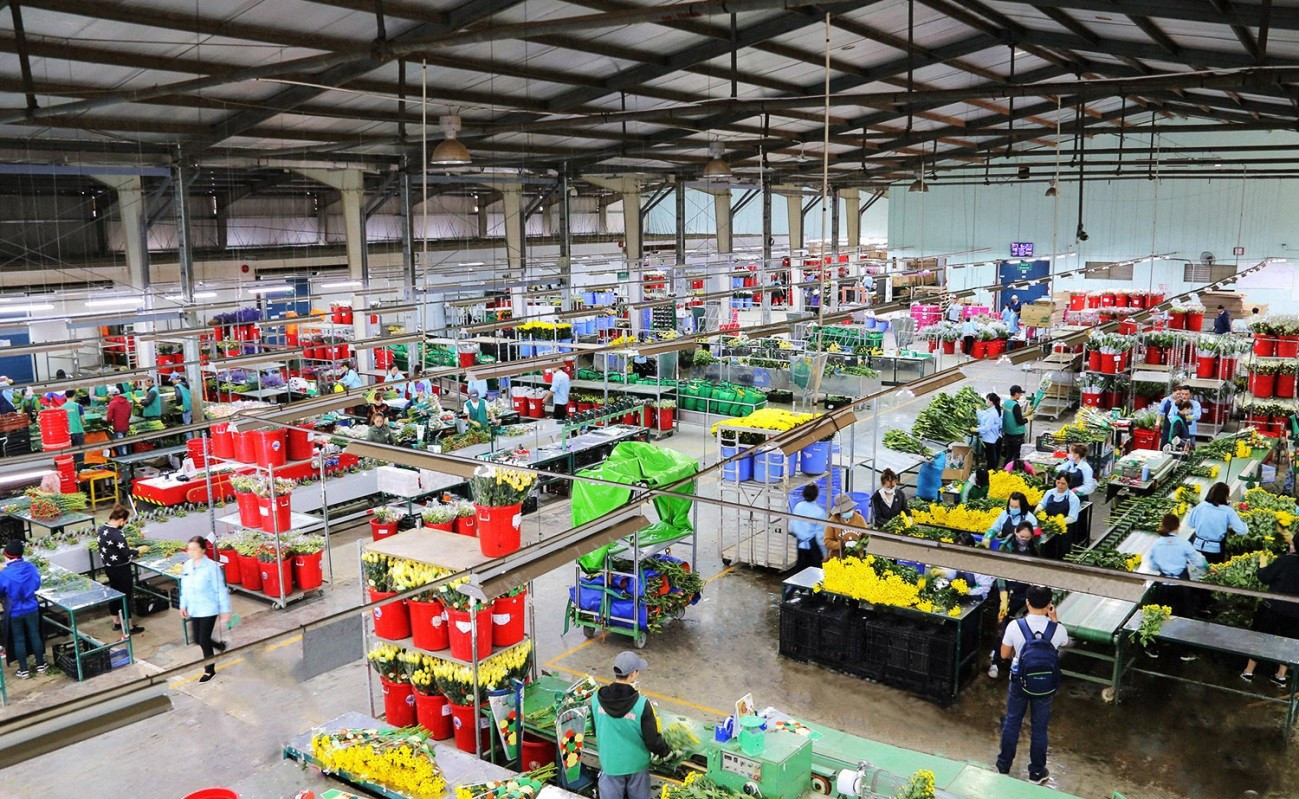
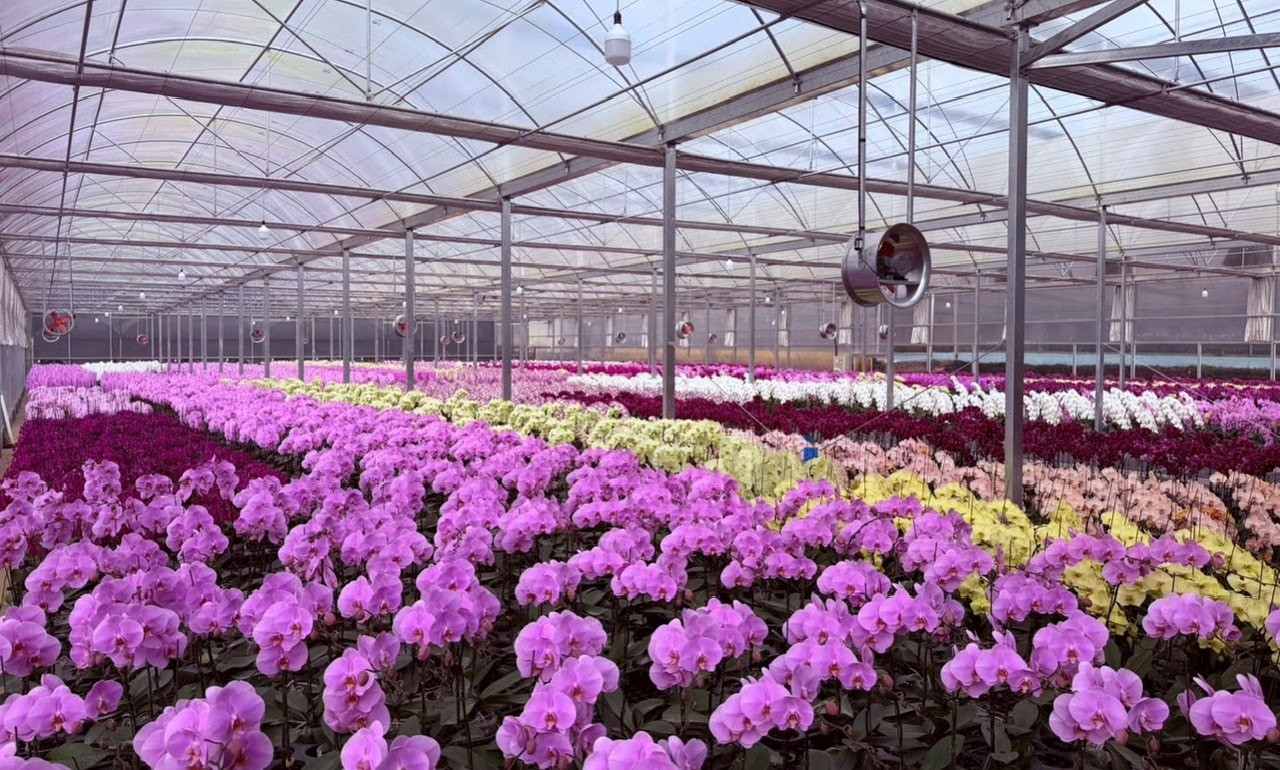
High-tech and organic agriculture remain fundamental pillars of sustainable development. The province plans to establish large-scale specialized production areas, expand the application of advanced technologies in agricultural production, and develop into a national center for high-tech agricultural research and production.
These advantages provide a strong foundation for Lam Dong to maintain its position as Vietnam’s high-tech agriculture hub.
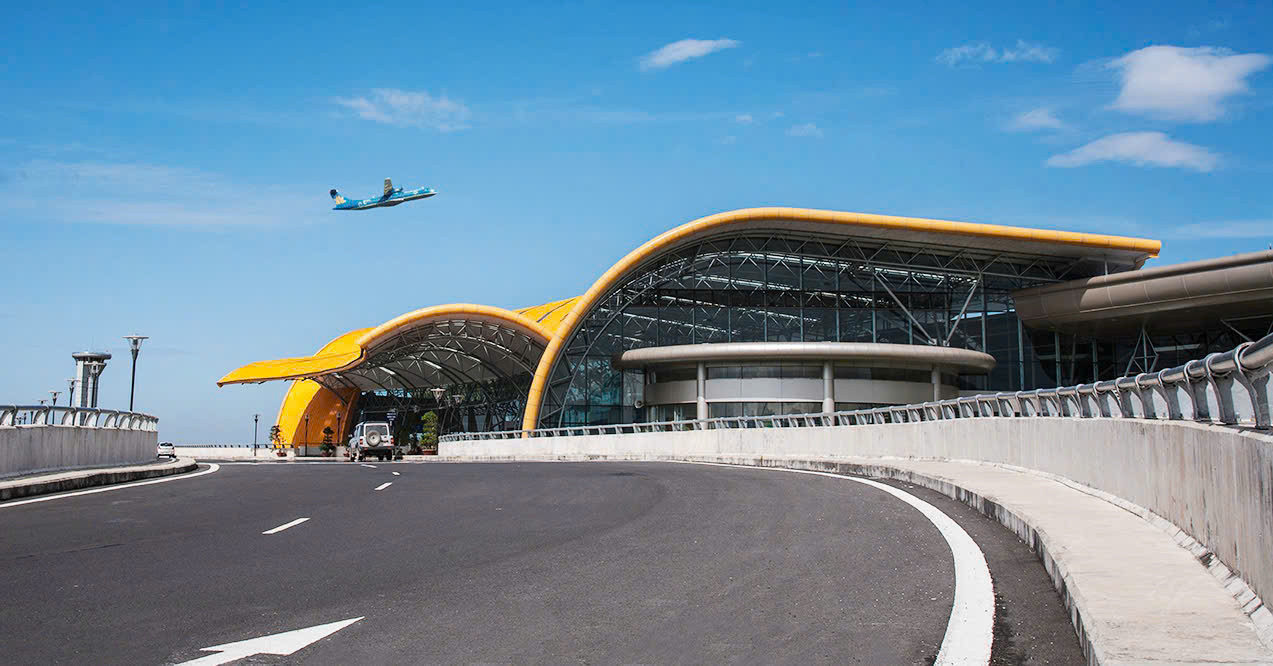
Transport and urban infrastructure are also central priorities. The provincial plan calls for coordinated and modern infrastructure, including interregional transport networks, urban and rural infrastructure, logistics systems, digital infrastructure and telecommunications.
Alongside economic development, the province has set important social targets: ensuring that 100% of public schools meet national standards, providing 32 hospital beds and 11 doctors per 10,000 people, and reducing the multidimensional poverty rate by 1–1.5 percentage points annually.
The province also emphasizes science and technology education, the startup ecosystem, and digital transformation in governance and the economy. At the same time, Lam Dong is pursuing a green and circular economy model through a range of important development objectives.

Removing Bottlenecks in Communications and Promotion
After more than a year of operating under the two-tier local government system, the new Lam Dong has not only expanded its administrative boundaries but also established a larger development space with greater scale and potential.

Importantly, the province’s identity is not defined merely by the name of a newly consolidated locality. It must also be expressed through a distinctive image that reflects the scale, potential and development ambitions of a region extending from the highlands to the coast.
Under the leadership of Party organizations at all levels and the management and direction of local authorities, communication and image-promotion activities have received increased attention. These efforts have begun to raise public awareness and spread information about Lam Dong’s image, potential, strengths, cultural identity and people.
However, communication and promotional activities in some areas have yet to meet political and development requirements. Some initiatives have been fragmented, and their content has not always been tailored to specific objectives, target audiences or markets. The application of digital technology in communication methods remains limited, while performance measurement and evaluation have not received sufficient attention.

One of the main reasons is that management approaches and practical implementation have sometimes been confused or reactive. This highlights the need for more flexible and proactive leadership and implementation in response to the rapid transformation of modern communications.
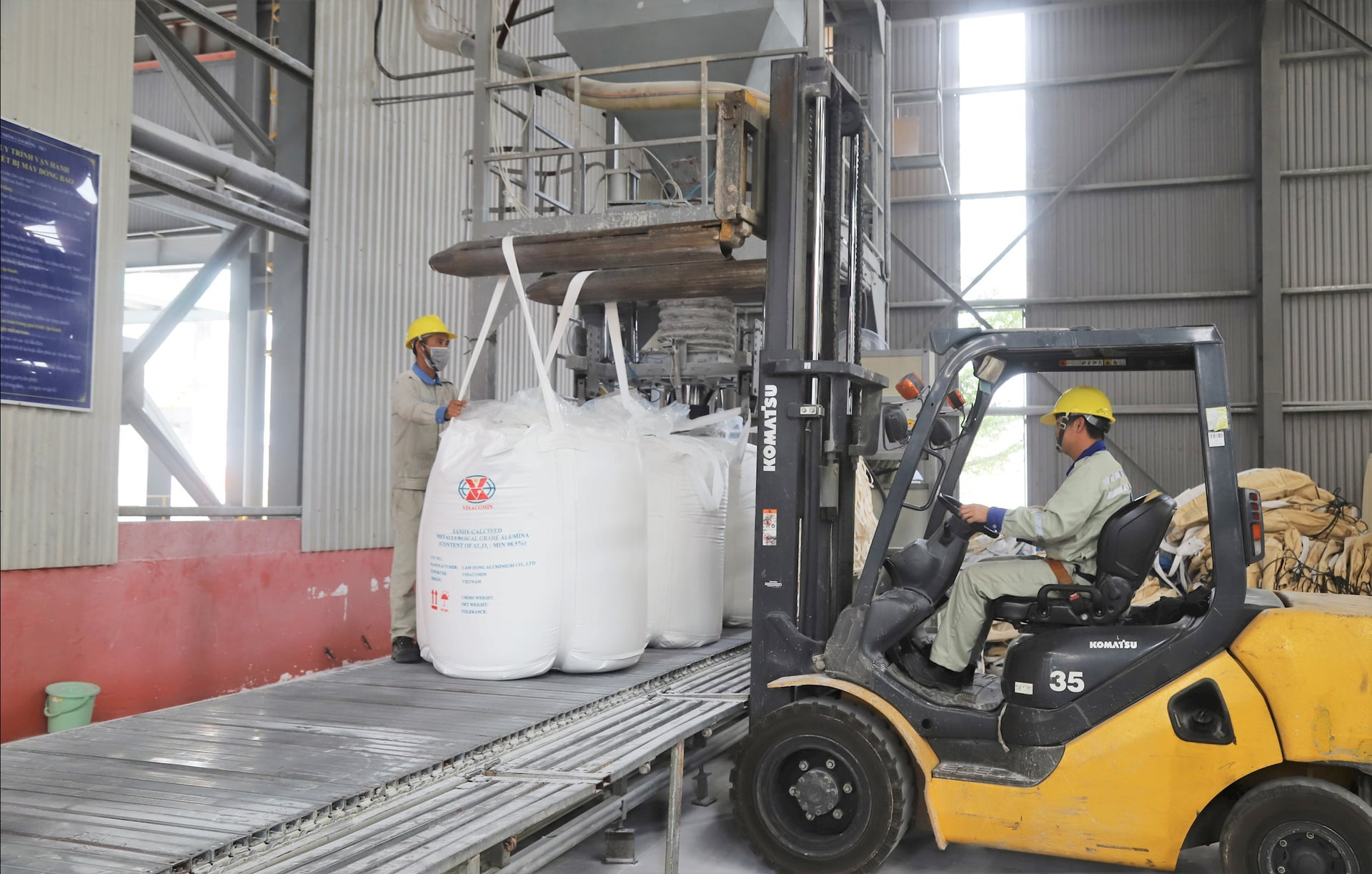
Following the provincial administrative restructuring, Lam Dong now encompasses a broader development space with advantages in nature, culture, people, tourism, agriculture, the marine economy, mineral extraction, renewable energy and numerous internationally recognized heritage assets and designations. The province also occupies an important position in regional connectivity and international integration.
The new context, particularly the rapid development of digital transformation and emerging media platforms, requires stronger leadership and renewed thinking and approaches to communicating and promoting the provincial image.
These efforts aim to strengthen public trust, align awareness with action, and enhance Lam Dong’s recognition, credibility, reputation, standing and appeal. They are also intended to turn the province’s potential and advantages into development resources, helping Lam Dong become one of Vietnam’s more developed provinces and a dynamic growth pole for the region.
To achieve these objectives, the province has identified three priority areas for communication and image promotion during 2026–2030: policy communication; building the image of Party organizations and local government; and promotion, trade development, investment attraction and tourism development.
Lam Dong is also establishing a unified mechanism for leading and coordinating communication and promotional activities across the province. Under this approach, every major provincial policy must be assessed for its potential impact on public awareness and accompanied by a communication plan from the policy-development stage.
Based on political and development priorities, the Provincial Party Standing Committee will determine annual or periodic themes, content, geographical areas and priority target groups to ensure that communication and promotional activities are implemented consistently and in coordination across the province.
The Provincial Committee for External Information Affairs has been assigned the responsibility of directing and coordinating the province’s communication and image-promotion work.
At the same time, the province will launch the movement “Every official, Party member and resident is an ambassador for Lam Dong’s image.” The initiative seeks to foster pride and a sense of responsibility while encouraging residents and Lam Dong communities at home and abroad to participate in promoting the province.
The province will also promote the role of respected community figures, religious dignitaries and religious practitioners in disseminating authoritative information, building consensus and strengthening great national unity.
In addition, Lam Dong aims to develop an integrated digital communications ecosystem, strengthen grassroots information systems, and expand cooperation with domestic and international media organizations.