


Ramuwan New Year 2026 shines with spring colors, strengthening the Cham Bani community in Lam Dong
Amid the joyful atmosphere of the early days of the Lunar New Year of Binh Ngo 2026, the Cham Bani community across Lam Dong Province happily welcomes Tet Ramuwan - the largest, most sacred, and most important festival of the year.
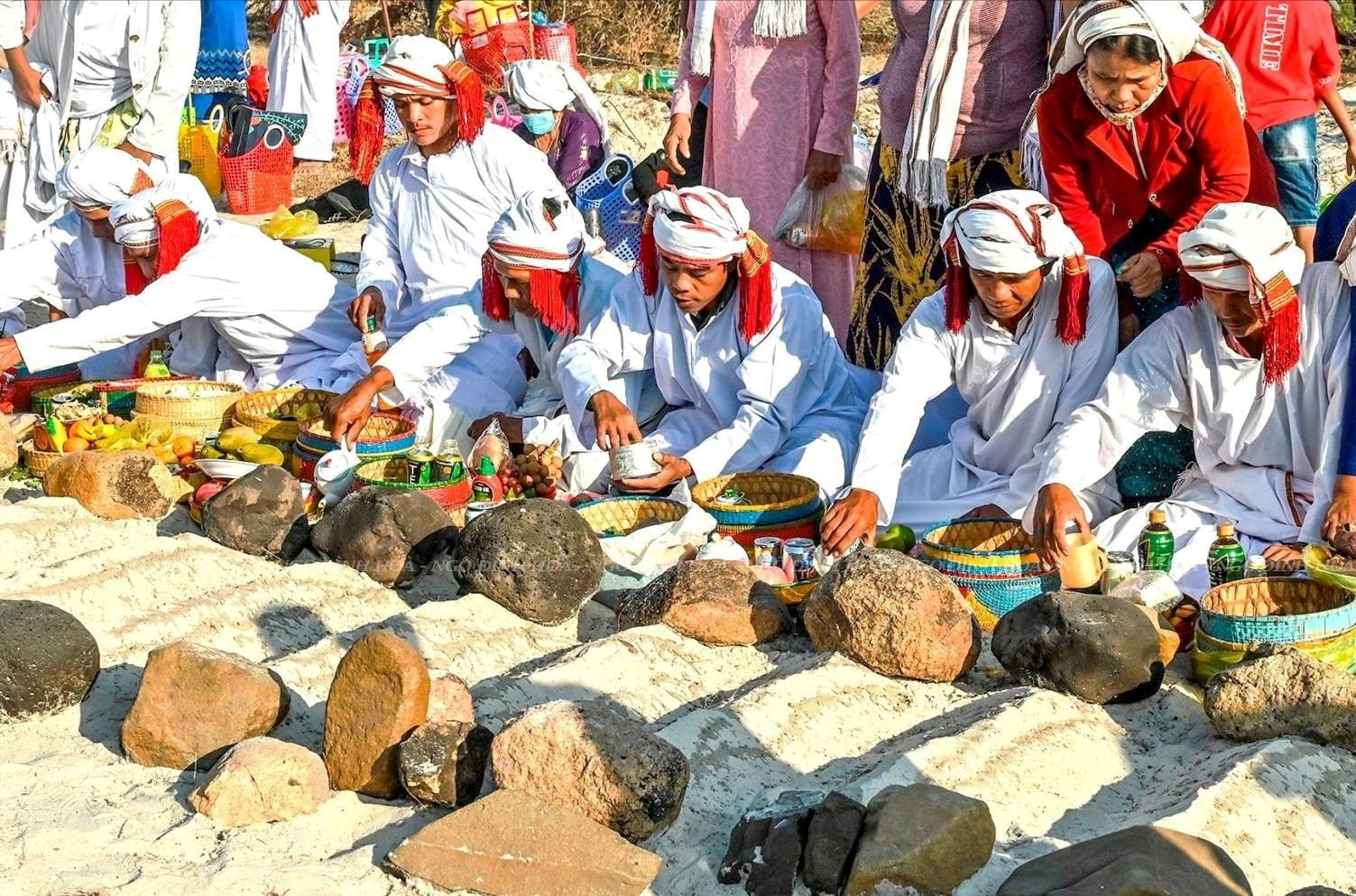
Under the harsh sun and wind of the South Central region, humanistic values, reverence for ancestors, and a strong sense of community solidarity are powerfully revived, creating a vivid and distinctive cultural panorama.
Ramuwan of the Cham Bani is a festival deeply imbued with a unique cultural and spiritual identity. This year, beginning on February 15th (the 28th day of the 12th lunar month), traditional rituals officially commenced, starting with the grave-visiting ceremony, an observance of special significance in the spiritual life of the community.
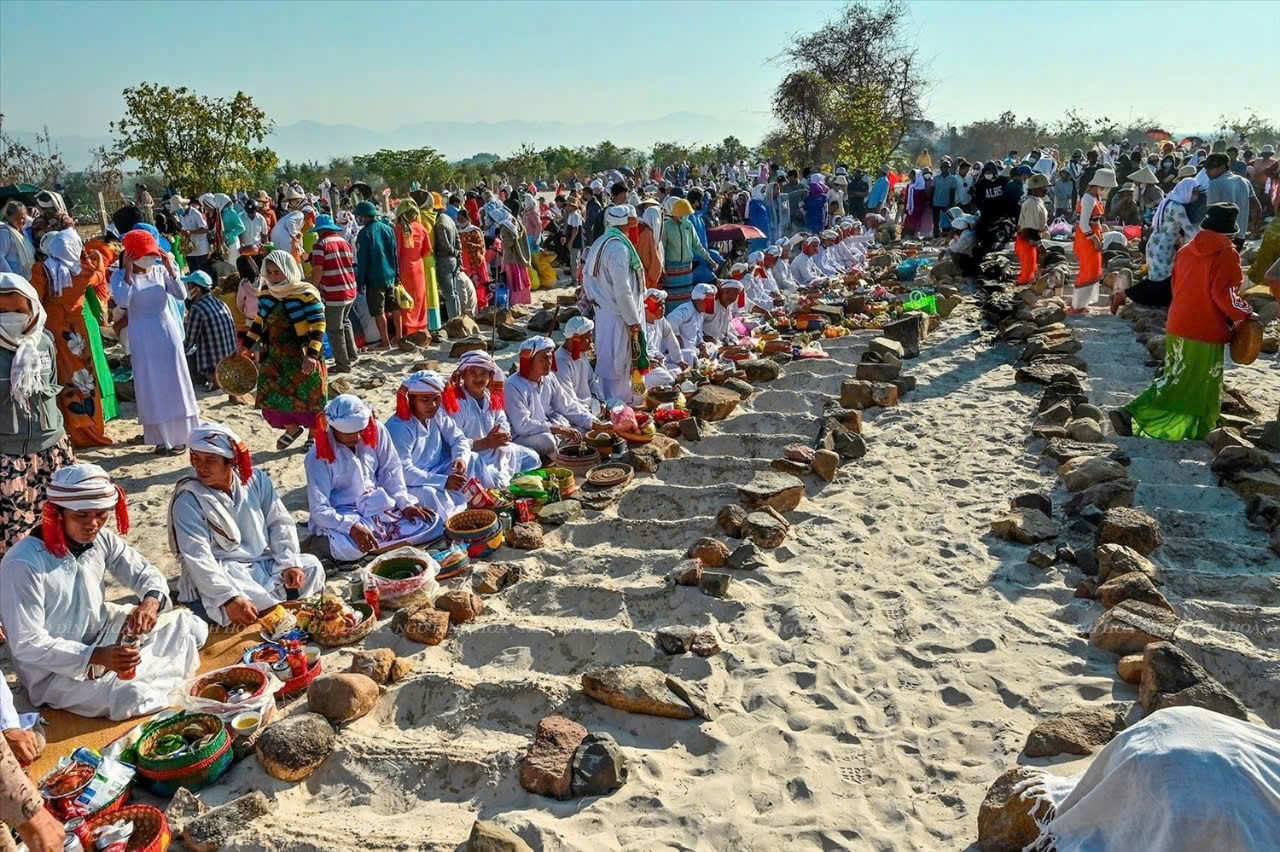
A solemn grave-visiting ceremony on the dunes
From early morning, at clan cemeteries, often located on high, isolated dunes, community members in traditional attire gathered in large numbers. A solemn yet warm atmosphere filled with familial affection spread throughout the space.
Unlike many other ethnic groups, Cham Bani graves are not built solidly. Each grave is simply a mound of sand level with the ground, marked by a small round stone placed on top, arranged neatly in long rows. This simplicity reflects a worldview of harmony with nature, valuing the soul over the physical body.
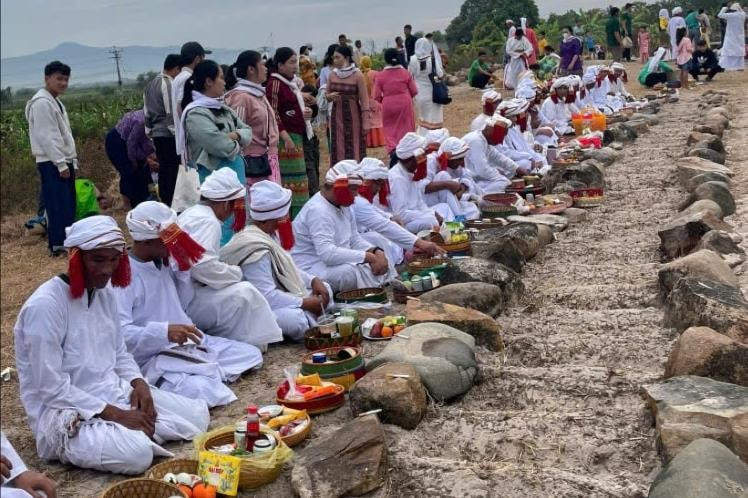
Under the guidance of religious dignitaries (Achar priests), purification rites were conducted in a reverent atmosphere. Cool, clear water was poured over the stones like prayers for the departed to be cleansed and gently reunite with their descendants during the New Year.
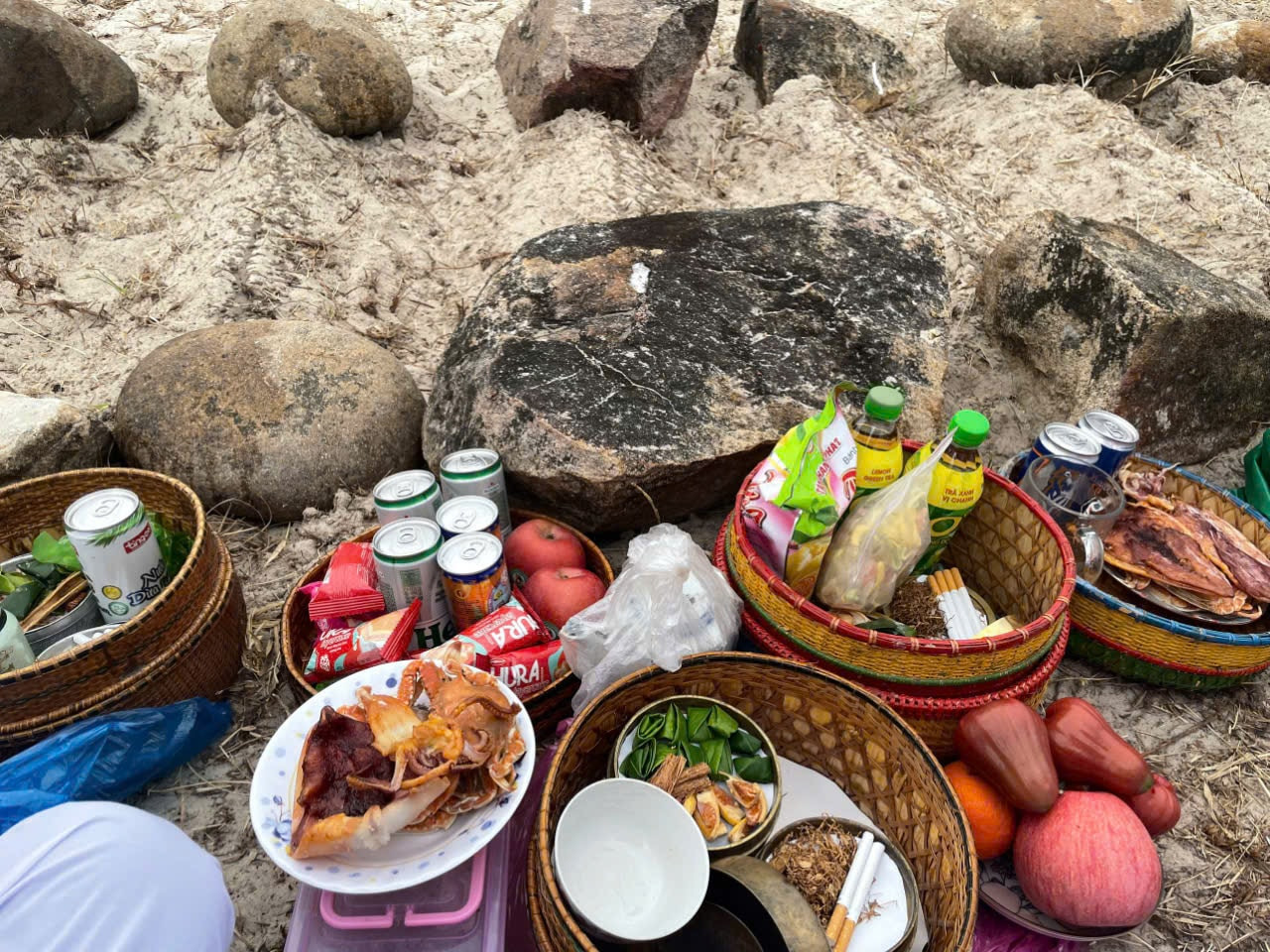
Offerings to ancestors are modest and depend on each family’s circumstances — betel leaves and areca nuts, cigarettes, a cup of water, or simple cakes and fruits. The essence lies not in lavish offerings, but in filial piety and deep gratitude toward parents and ancestors.
Spreading solidarity, building a new way of life
After the grave-visiting ceremony, Cham villages become more vibrant. Families gather around traditional meals with signature dishes such as ginger cakes and sakaya cakes, exchanging greetings and New Year wishes.
This is also the time when religious dignitaries enter the holy mosque to observe a month of fasting and prayers for national peace, favorable weather, and abundant harvests. Ramuwan, therefore, is not only a religious occasion but also a time to reinforce faith, nurture moral values, and guide people toward goodness.
This year, Tet Ramuwan is organized in a joyful, safe, and economical spirit. Alongside preserving traditional identity, community members actively promote a civilized lifestyle, enhance awareness of security and order, protect the environment, and unite to support economic development.
After the main rituals conclude, people promptly return to work, tending crops and striving to develop their household economies. The spirit of diligence and resilience continues to be upheld, contributing to increasingly prosperous and stable lives.
Attention from local authorities
To ensure that the Cham Bani community celebrates Tet Ramuwan with dignity and warmth, the People's Committee of Lam Dong Province, together with departments, agencies, and the Vietnam Fatherland Front Committee of the province, has provided guidance, visits, encouragement, and favorable conditions - both materially and spiritually. Many meaningful gifts and practical activities were delivered directly to community members, demonstrating the Party and State’s care for ethnic minority groups.
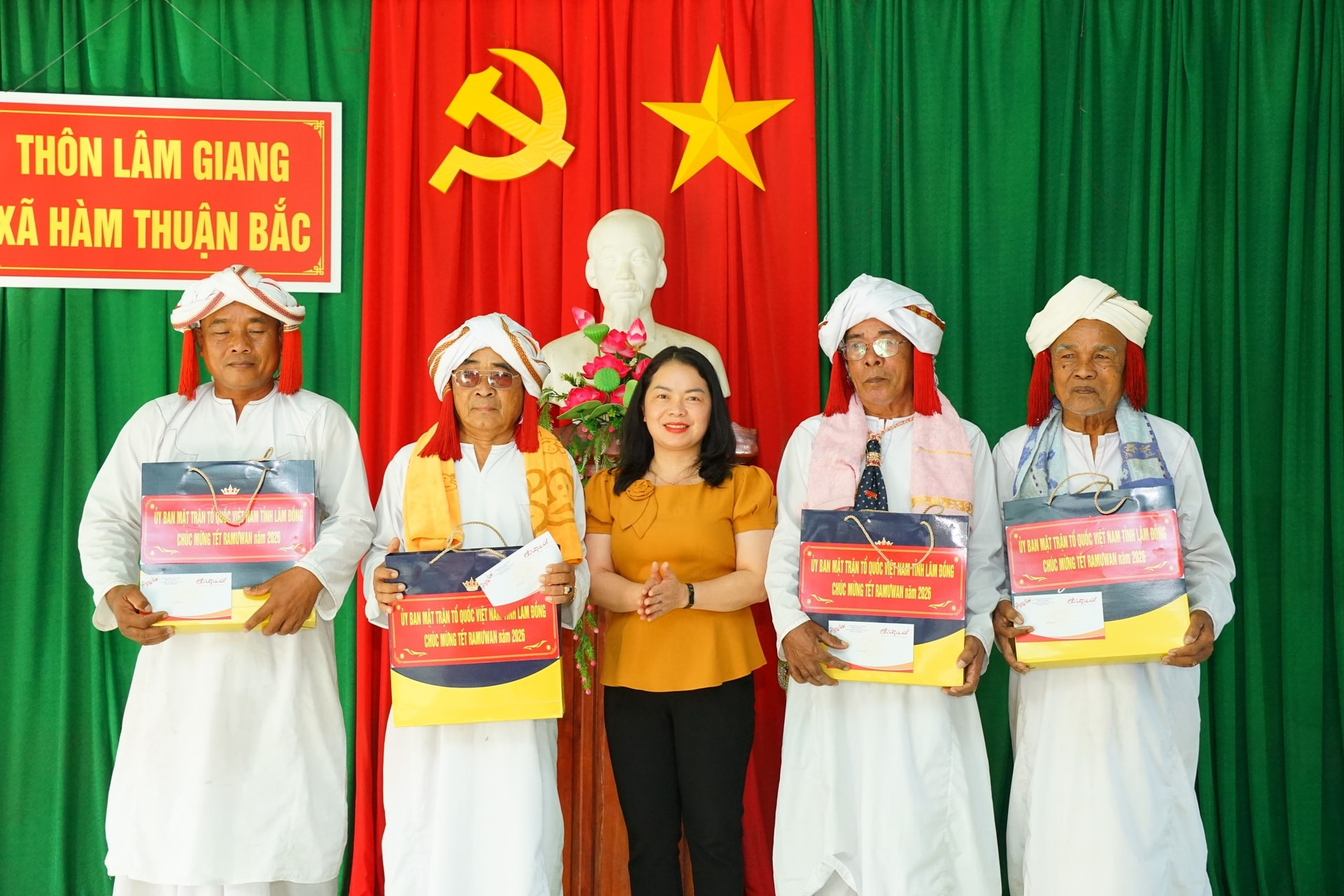
Such attention not only helps ensure the festival is held safely and wholesomely, but also strengthens the Cham Bani community’s trust in the Party’s and State’s policies, encouraging active participation in patriotic movements and joint efforts to build an ever-developing Lam Dong.
Tet Ramuwan 2026 concludes with joy and hope. More than the distinctive cultural beauty of the Cham Bani people, Ramuwan is a flower enriching the diverse yet unified cultural mosaic of ethnic communities in Lam Dong Province, further strengthening the great national solidarity bloc.