


Ready for the Silver Economy Strategy
As population aging becomes increasingly evident, Lam Dong Province is proactively strengthening its healthcare network and implementing synchronized social welfare policies aimed at developing a comprehensive ecosystem to support the silver economy strategy through 2045.

Diversifying Elderly Care Services
Lam Dong currently has approximately 430,000 elderly residents. To meet growing healthcare needs and improve quality of life for this population group, the health sector and local authorities have introduced a range of strategic programs and plans.
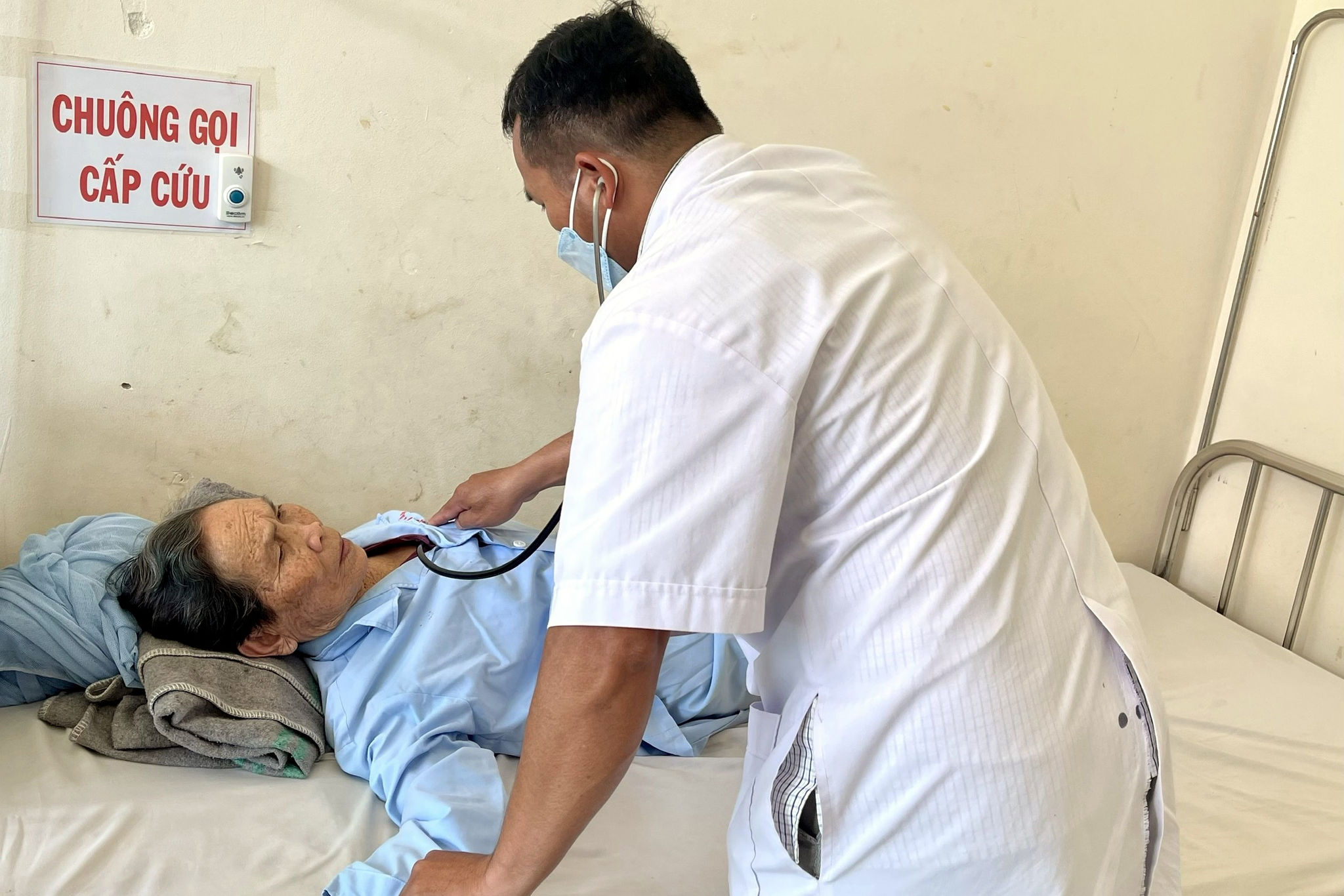
The province’s public healthcare system now consists of 39 units under the Department of Health, including 12 hospitals, 27 regional and specialized medical centers, and 124 commune- and ward-level health stations. Grassroots healthcare facilities play a key role in primary healthcare services, chronic disease management and non-communicable disease monitoring for older adults. In addition, six private hospitals are also participating in medical examination and treatment services for residents.
Beyond healthcare institutions, community-based care models have continued to expand strongly. The province currently has 230 clubs with more than 10,000 members. These clubs closely coordinate with commune health stations to provide elderly residents with disease prevention guidance and self-care skills.
Meanwhile, a volunteer network of 2,055 people across communes and wards has become an effective support force, assisting elderly residents directly within local communities.
According to Tran Duc Trung, Deputy Director of the Department of Health, despite positive results, the elderly healthcare system still faces significant challenges. The province has yet to establish a dedicated geriatric hospital. Only two medical units currently operate independent geriatric departments, while five others must integrate elderly care services into other departments.
Specialized geriatric personnel also remain limited, with only 11 doctors and 39 nurses and technicians trained in the field. In addition, limited funding has prevented the province from fully implementing home healthcare services for elderly people living alone or facing mobility difficulties.
Strengthening Social Welfare Policies
Alongside healthcare efforts, Lam Dong has also implemented social assistance and pension support policies for elderly residents in a timely manner.
As of April 2026, the province had 72,710 elderly people receiving social assistance and social pensions, with support levels ranging from VND 500,000 to VND 1.5 million per person each month, depending on beneficiary groups.
Lam Dong currently operates eight social protection centers caring for around 250 elderly residents, with living conditions designed to meet the healthcare and daily needs of older adults.
For the past 30 years, I have regularly participated in volunteer activities at the provincial Social Protection Center and witnessed remarkable changes there. The center has become increasingly spacious, green and clean, serving as a peaceful home for the elderly, children and people with disabilities.
Ngo Dieu Thien, a resident of Lam Vien - Da Lat Ward
Looking ahead, in preparation for the silver economy and to address shortages in nursing home models, Lam Dong is promoting socialization policies to encourage greater private-sector participation.
The province is actively calling for investment resources to develop nursing homes, retirement facilities and specialized elderly healthcare centers in areas with favorable climate and landscape conditions such as Da Lat, Bao Loc, Don Duong and several communes in Bao Lam area.
Deputy Director of the Department of Health Tran Duc Trung emphasized that combining stronger public healthcare systems, effective social welfare implementation and expanded participation from private healthcare and elderly-care services will create a solid foundation for Lam Dong to adapt to population aging and transform challenges into opportunities for sustainable development.
Currently, 100% of commune-level health stations across the province provide community- and family-based healthcare services for elderly residents. The proportion of elderly people receiving at least one periodic health check-up each year has reached 66.68%, while 66.7% have established personal health monitoring records.