


Redefining the Tourism Map for Transformation
Lam Dong’s tourism is diverse and rich in multi-sensory experiences. Yet experts say the sector needs a clearer, more systematic strategy to avoid overlap and fragmentation — and to truly “touch” every visitor.
Understanding visitors to keep them longer
At a recent tourism promotion and cooperation forum, Nguyen Van Loc, Director of the provincial Department of Culture, Sports and Tourism, admitted: “Lam Dong is still positioned as low-cost tourism on Vietnam’s travel map. The challenge is how to make visitors stay longer and spend more.”
According to Dr. Phan Bao Giang (University of Economics and Finance, Ho Chi Minh City), the province has unique advantages with two long-established tourism hubs: Da Lat and Phan Thiet. He emphasized the need for an overarching strategy built on consumer behavior analysis and customer data, which could also benefit other industries.

Sharing this view, Tran Van Tan, Vice Chairman of the Dong Nai Tourism Association, stressed that a clear customer database is essential to identify trends and guide future development. He also called for reorganizing both existing and potential tourism resources to match evolving demand.
Every visitor as a tourism ambassador
In the first nine months of 2025, Lam Dong welcomed an estimated 15.25 million visitors, up 17.6% year-on-year. The province has intensified promotion through digitalized destinations, international partnerships, and participation in major events at home and abroad.
Vo Anh Tuan, Director of Vietravel’s Lam Dong branch, noted that tourism must create “touchpoints” for all five senses. Crucially, sustainable growth must align with local interests, allowing residents to showcase products and culture while enhancing visitor experiences.
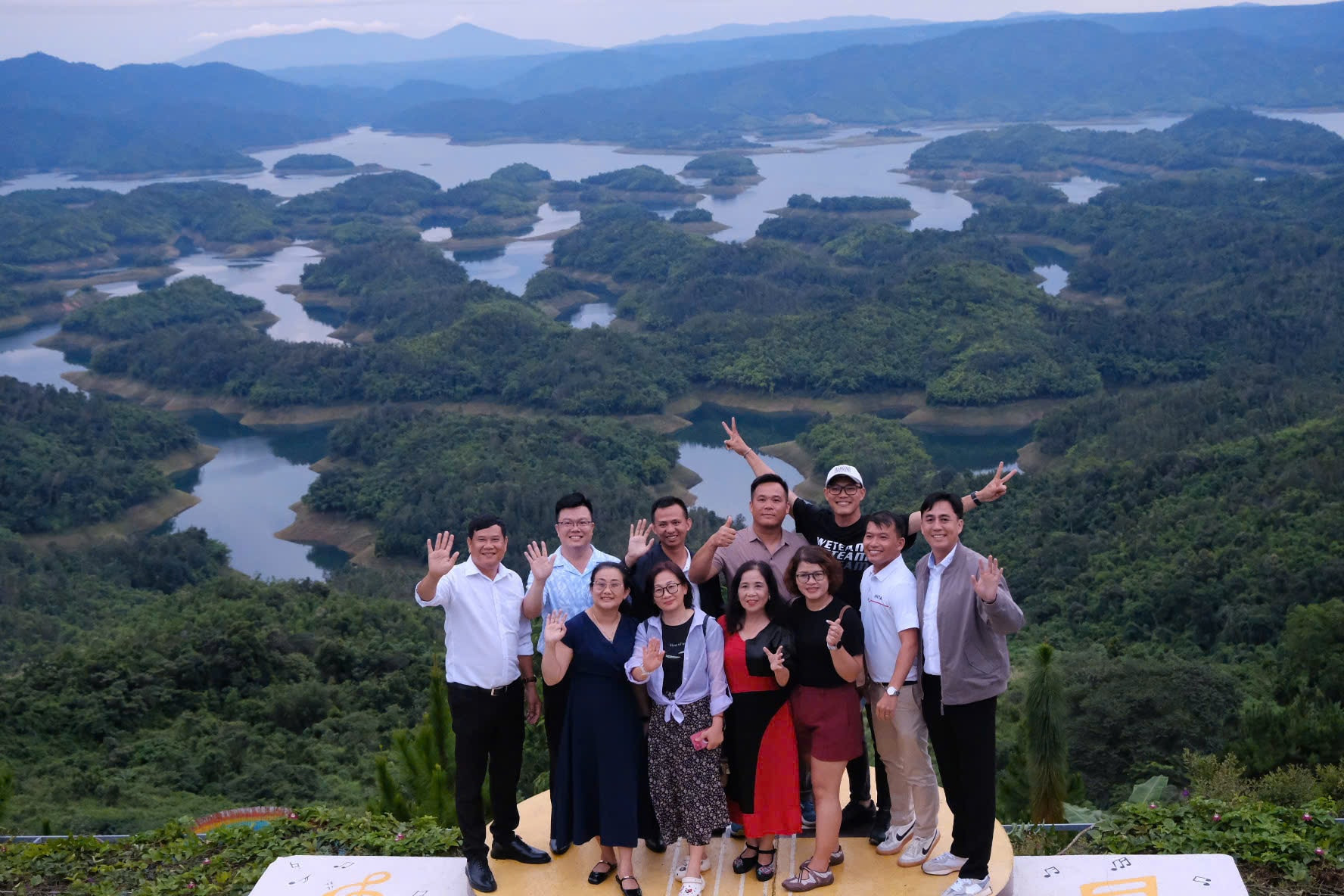
Assoc. Prof. Dr. Pham Thi Huyen (National Economics University, Hanoi) pointed out that while Lam Dong’s offerings are abundant, they remain fragmented. Stronger linkages between investors and destinations are needed to build diverse yet distinctive journeys. “Each visitor should be considered an ambassador of Lam Dong tourism,” she said.
Shifting mindset, redrawing the map
The province targets over 23 million visitors in 2025. To reach this, authorities plan to boost the night-time economy, accelerate digital transformation, launch incentive packages, and forge stronger ties with airlines, railways, and travel firms.
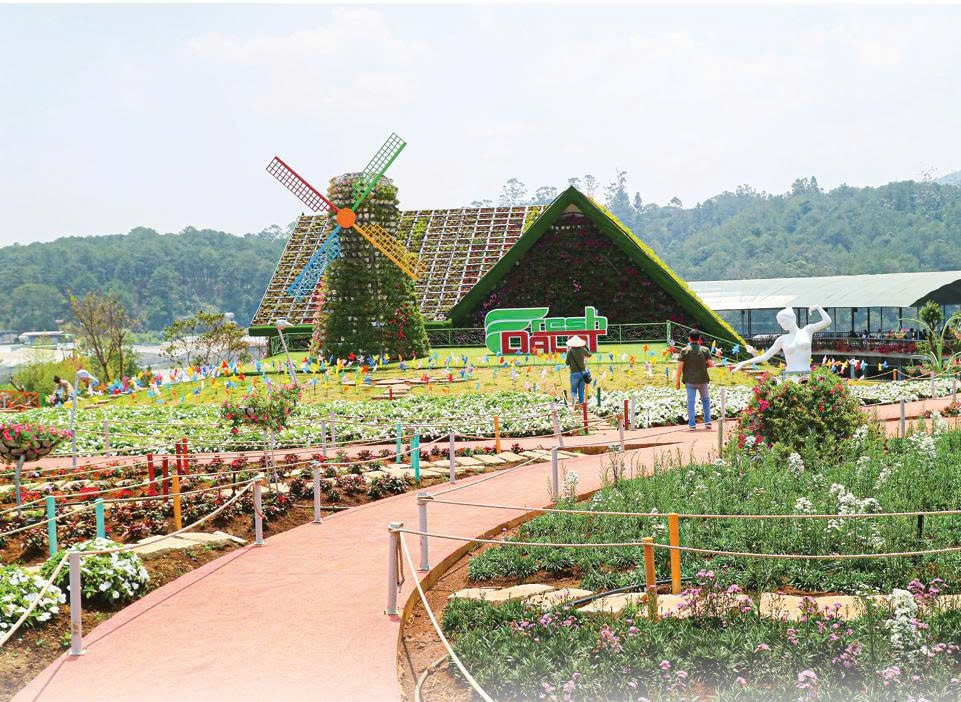
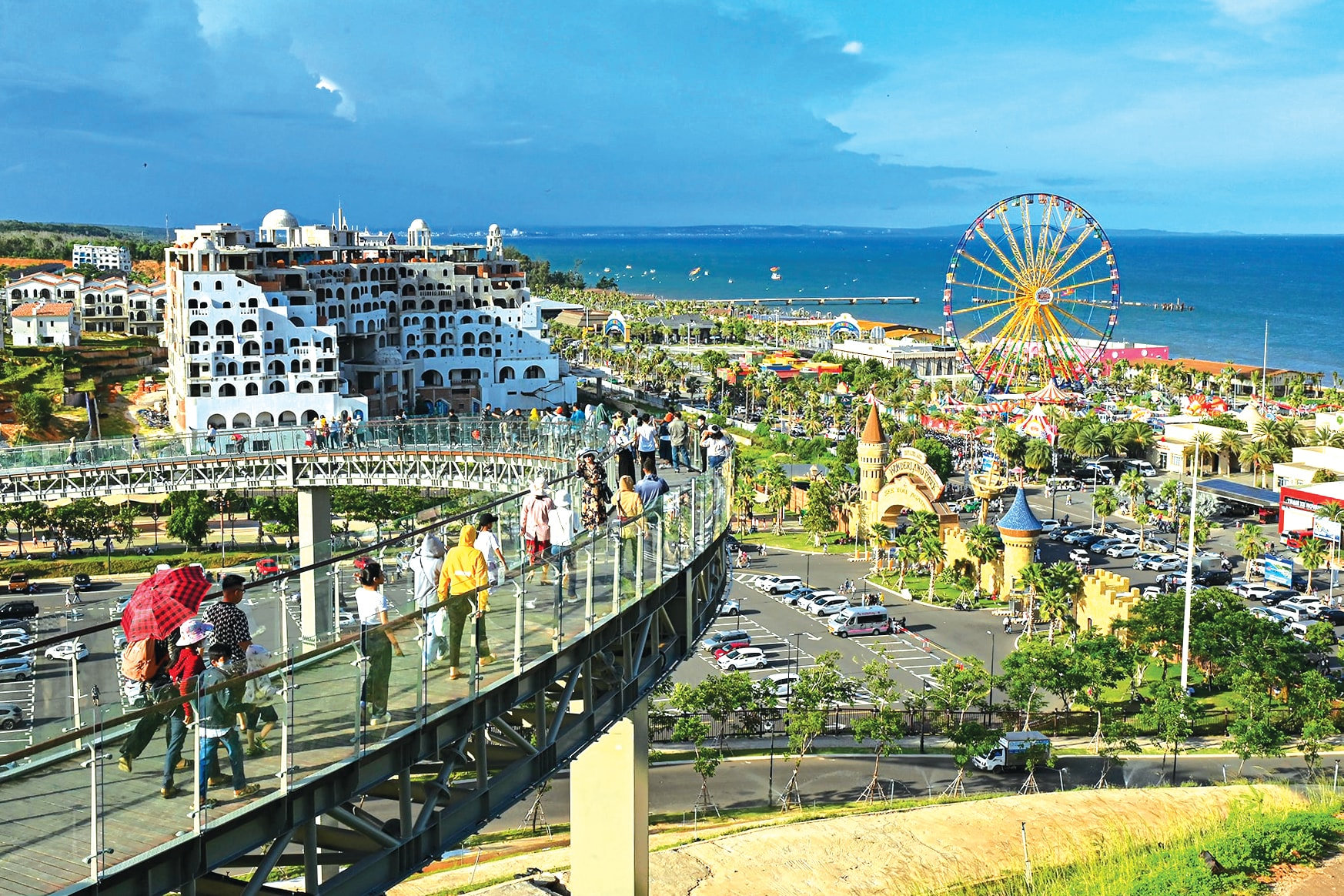
New attractions have emerged, from Circus Land, Wonderland, Dino Park, to fruit orchards, farms, traditional craft villages, and highland eco-sites. Core segments such as wellness, eco-tourism, community-based travel, cultural and spiritual tours, adventure sports, and MICE are being expanded.
Still, Director Nguyen Van Loc stressed: “We must move beyond counting arrivals and focus on service quality and competitiveness. Redrawing the tourism map is essential to unlock the potential of Da Lat, Phan Thiet, and Gia Nghia alike.”
The province will work with businesses and localities to design signature products, strengthen tour linkages, and pursue a green, sustainable, community-driven tourism model.