


Reducing Carbon Emissions in Agriculture: A Green Path for Lam Dong’s Farming Sector
Facing the growing challenges of climate change, farmers in Lam Dong Province are making a strong shift toward green and low-emission agriculture. From “footprint-free rice fields” to “green dragon fruit farms,” smart cultivation models are not only helping reduce production costs and increase yields but also significantly cut carbon emissions — paving the way for sustainable local agriculture
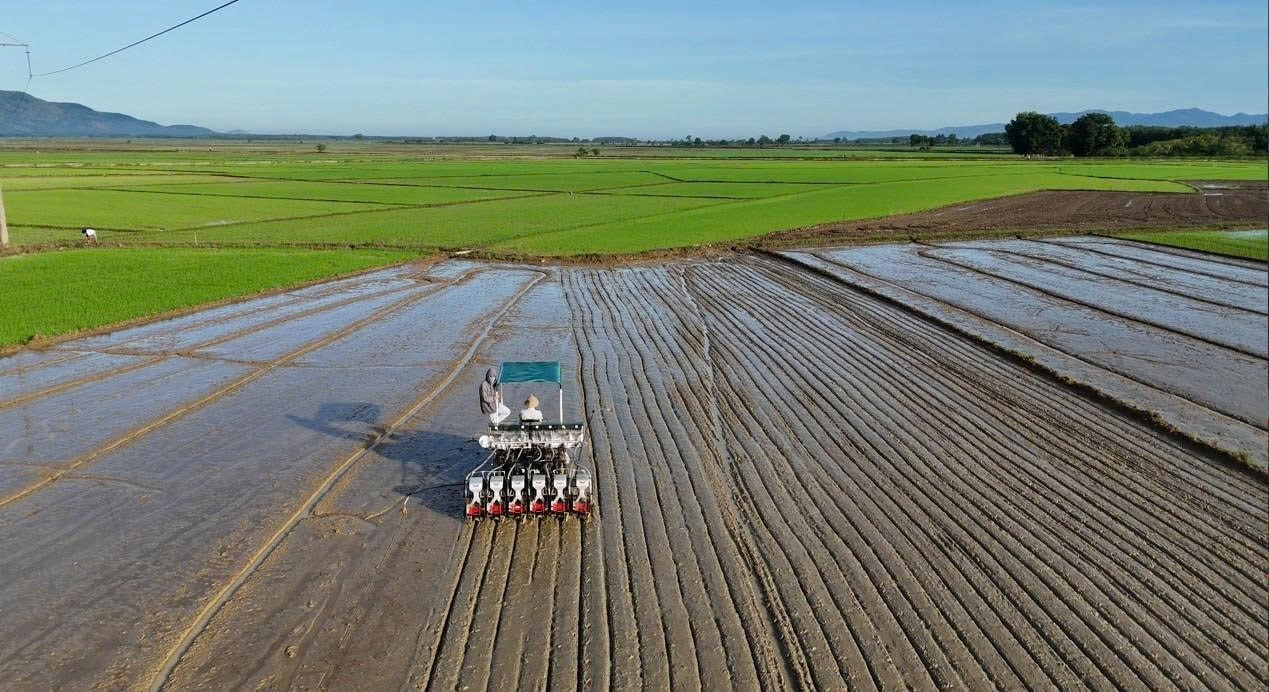
When Rice Fields Help Cut Emissions
The 2024 crop season marked a turning point for farmers in Bac Binh Commune, who launched their first “low-emission smart rice cultivation model”, integrating synchronized mechanization in farming.
The model involves 11 Cham ethnic households cultivating 3.4 hectares, including the pioneering family of Mr. Van Hong Xuan, who applied the “1 Must, 6 Reductions” approach.
Specifically, the “1 Must” is the use of certified rice seeds; the “6 Reductions” include reducing seeding rates, fertilizer use, pesticides, irrigation water, post-harvest losses, and carbon emissions.
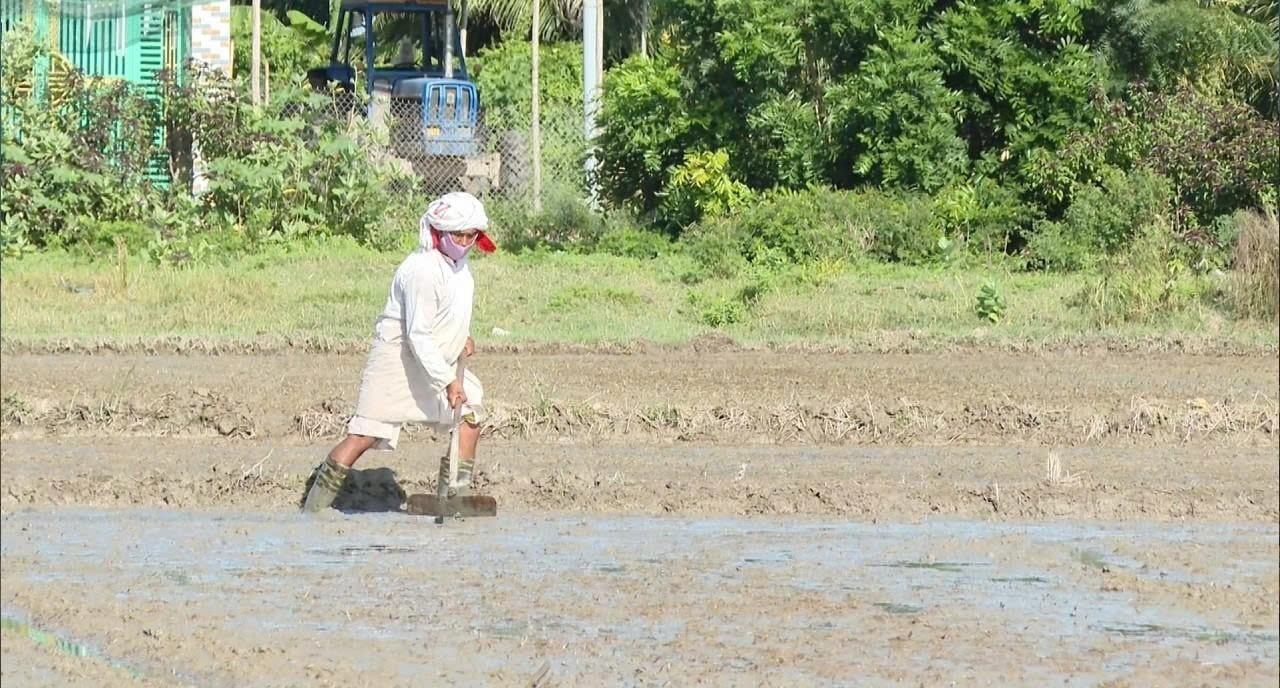
By using the alternate wetting and drying (AWD) irrigation technique (five wet-dry cycles) and satellite-based water monitoring systems, the model has helped cut production costs by 5%, while boosting yield and grain quality — increasing farmers’ profits by more than 30% compared to traditional methods.
Remarkably, in just one season, the 3.4 hectares of rice fields helped reduce 12.11 tons of carbon emissions, equivalent to 3.6 tons per hectare. The reduced emissions can be converted into carbon credits, providing farmers with an additional income of nearly 2 million VND per hectare.
What Are Carbon Credits?
A carbon credit is a tradable certificate representing the right to emit one ton of CO₂ or an equivalent amount of other greenhouse gases. One credit corresponds to one ton of CO2 or its equivalent.
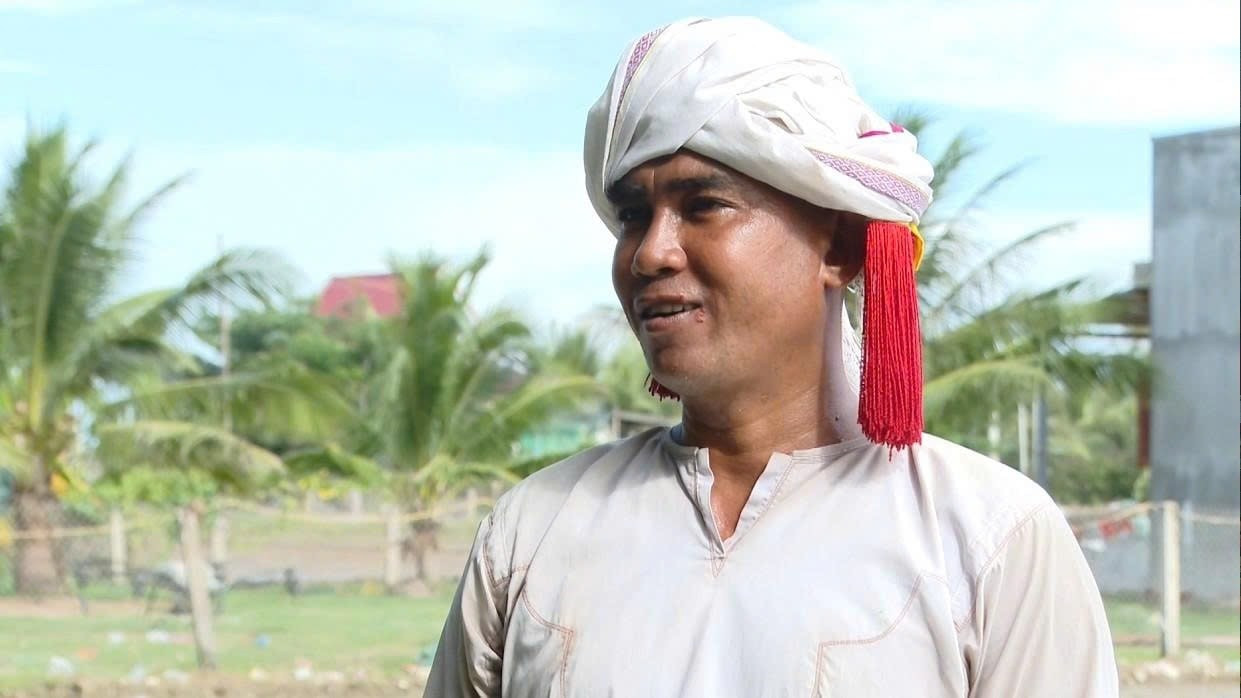
clear economic benefits — only gains, no losses.”
Building on the success of this pilot, the model will soon expand to over 13 hectares with 20 participating households. The Provincial Agricultural Extension Center also plans to replicate it across 40 additional hectares in key rice-growing areas.
Currently, the southeastern region of Lam Dong has about 350 hectares of rice certified under VietGAP or equivalent standards, and over 4,600 hectares cultivated organically. In the coming years, this region aims to develop high-quality commercial rice zones and establish a local specialty rice value chain, offering profits 10–15% higher than conventional farming.
LED Lights Illuminate Green Dragon Fruit Farms
In parallel with rice cultivation, dragon fruit is another major crop — often considered a “poverty reduction plant” in Lam Dong, with 27,800 hectares producing nearly 600,000 tons annually. However, the practice of using artificial lighting to induce off-season flowering has long consumed vast amounts of electricity, leading to high carbon emissions.
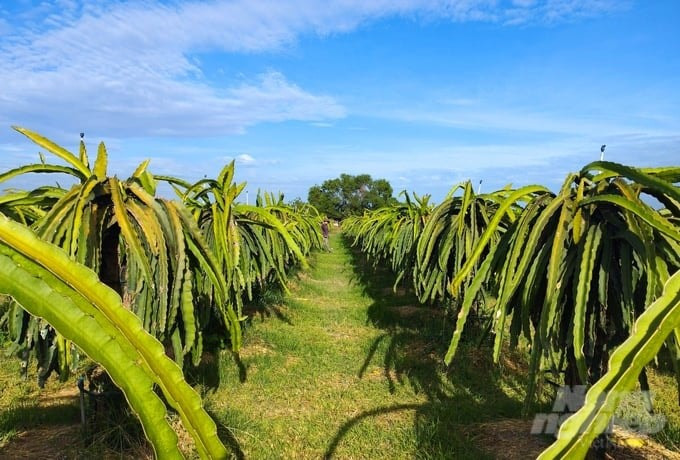
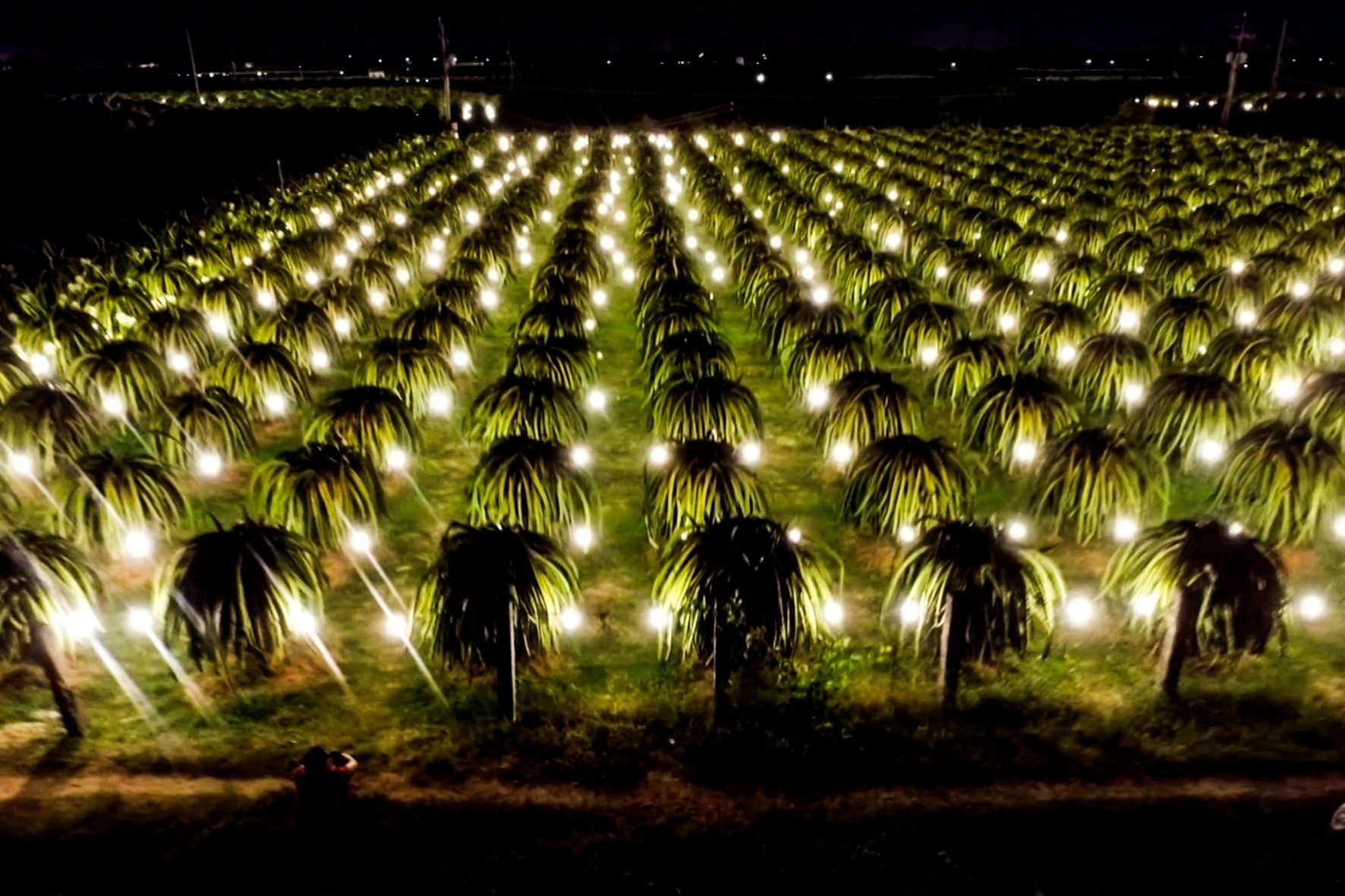
In the past, farmers needed 8,500–9,000 kWh of electricity — equivalent to 17–19 million VND — to light up 1,000 dragon fruit posts. Switching to compact fluorescent bulbs reduced power use by about one-third.
Yet the real breakthrough came when the United Nations Development Programme (UNDP) supported the installation of 9W LED lights through the project “Promoting Private Sector Participation in Low-Carbon and Climate-Resilient Agriculture.” With LED systems, each hectare of dragon fruit consumes only around 1,300 kWh, cutting energy use by 55% compared to compact bulbs. This not only helps farmers save costs but also drastically reduces carbon emissions.
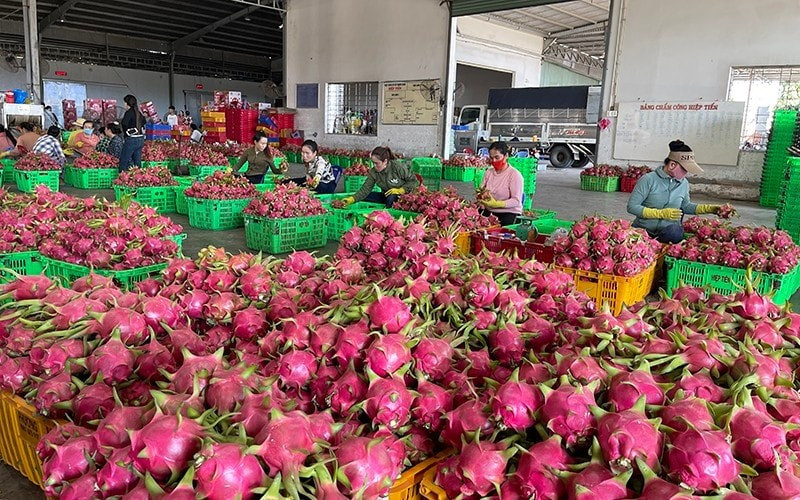
Producing dragon fruit using green, low-emission methods not only ensures stable growth but also opens export opportunities to demanding markets such as Japan, South Korea, and Europe.
Ms Le Phuong Chi, Director of Ha Ham Thuan Nam Dragon Fruit Cooperative
This transition represents a significant move towards clean energy in agriculture, alleviating pressure on the electrical grid while affirming Lam Dong’s image as a producer of eco-friendly, sustainable dragon fruit.
According to scientists, climate change is unfolding complexly, threatening sustainable development and directly impacting human life. One of the primary causes is emissions from agricultural production due to high levels of fertilizer, energy, and pesticide use.
Reducing carbon emissions in agriculture is not just a responsibility but also an opportunity for Lam Dong to take the lead in developing a smart, green, and sustainable agricultural model. It contributes to Vietnam’s national goal of achieving net-zero emissions by 2050. In the coming years, we will continue working with farmers, cooperatives, and enterprises to make science and technology the driving force behind green agriculture, the circular economy, and sustainable rural development
Mr Nguyen Hoai Trung, Deputy Director of the Lam Dong Department of Science and Technology
Such activities generate greenhouse gases, contributing to global warming. The shift to energy-efficient LED lighting has significantly reduced emissions while enhancing the value of agricultural products, opening up larger export opportunities for farmers.
From the “1 Must, 6 Reductions” rice fields to the energy-saving LED dragon fruit gardens, Lam Dong is showing that reducing emissions can mean higher productivity, better profits, and stronger agricultural brands.
Today’s “footprint-free rice fields” and “green dragon fruit farms” have become symbols of smart, sustainable, and low-carbon agriculture — charting a modern, eco-friendly, and globally integrated path for both Lam Dong’s farmers and Vietnamese agriculture as a whole.