


Removing Bottlenecks to Help Lam Dong Tourism Go Beyond High Visitor Numbers
Tourism in Lam Dong has gained strong momentum in recent years, making the province increasingly attractive to domestic and international visitors. However, to move the sector up the value chain, Lam Dong needs flagship tourism products that can drive growth and generate higher value.
Remaining Bottlenecks
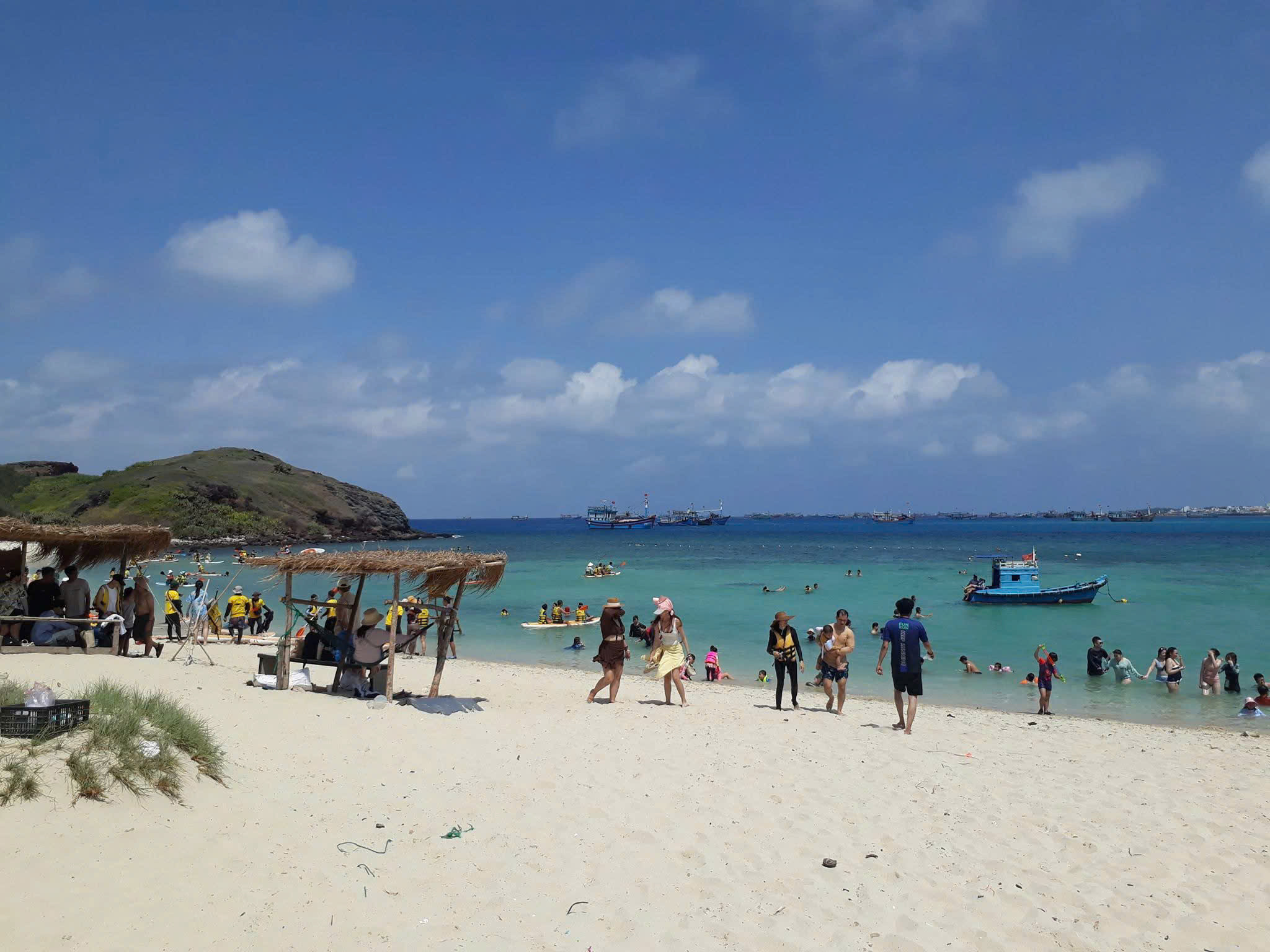
Lam Dong is embarking on a new stage of development, featuring a vast natural landscape that ranges from the highlands to the azure sea — a unique advantage that few regions have.
To promote growth, the province is concentrating its efforts on enhancing tourism through a green and sustainable approach. As a result of these initiatives, Lam Dong has become a sought-after destination for both local and international travelers. Numerous new tourism products and experiences have been launched to cater to the increasingly varied preferences of visitors.
In the first four months of 2026, Lam Dong attracted nearly 8 million visitors, achieving 31.64% of its annual goal and showing a 20% increase compared to the same timeframe last year. The province welcomed 631,000 international arrivals, up more than 23.3 percent year-on-year.
The majority of international visitors came from key source markets such as Russia, South Korea, China, Germany, and the United States. Tourism revenue reached approximately VND 22 trillion, reflecting a year-on-year increase of 30.64%.
Nonetheless, the province's strategy for developing inter-regional tourism products remains incomplete. Current tourism offerings are still disjointed and lack the ability to create significant high-value impact.
The potential for connecting highland, coastal and seaside urban tourism products remains largely untapped. So far, the province has yet to develop distinctive tourism routes and highly competitive product chains.
.jpeg)
According to Nguyen Van Loc, Director of the Department of Culture, Sports and Tourism, the quality of services at various emerging tourist destinations remains limited, despite the range of tourism products available.
Environmental challenges persist at certain tourist locations, and the quality of the tourism workforce remains inconsistent.
“Many tourism companies have not actively mobilized resources for joint efforts, especially in large-scale destination promotion and marketing. This limits Lam Dong’s ability to attract both domestic and international visitors,” Nguyen Van Loc said.
The Need for High-Value Tourism Products
Despite the ongoing growth of Lam Dong’s tourism sector and its increasing contribution to the province's GRDP, the industry still encounters various challenges that require resolution.
Experts and business leaders believe that Lam Dong has all the essential elements to create a world-class tourism sector. The critical issue now is the need for strategies that motivate investors to confidently develop innovative tourism offerings.
Le Thi Thanh Thuong, Deputy CEO of Nova Holding, pointed out that a significant drawback for Lam Dong is the absence of premier tourism products that can yield substantial value.
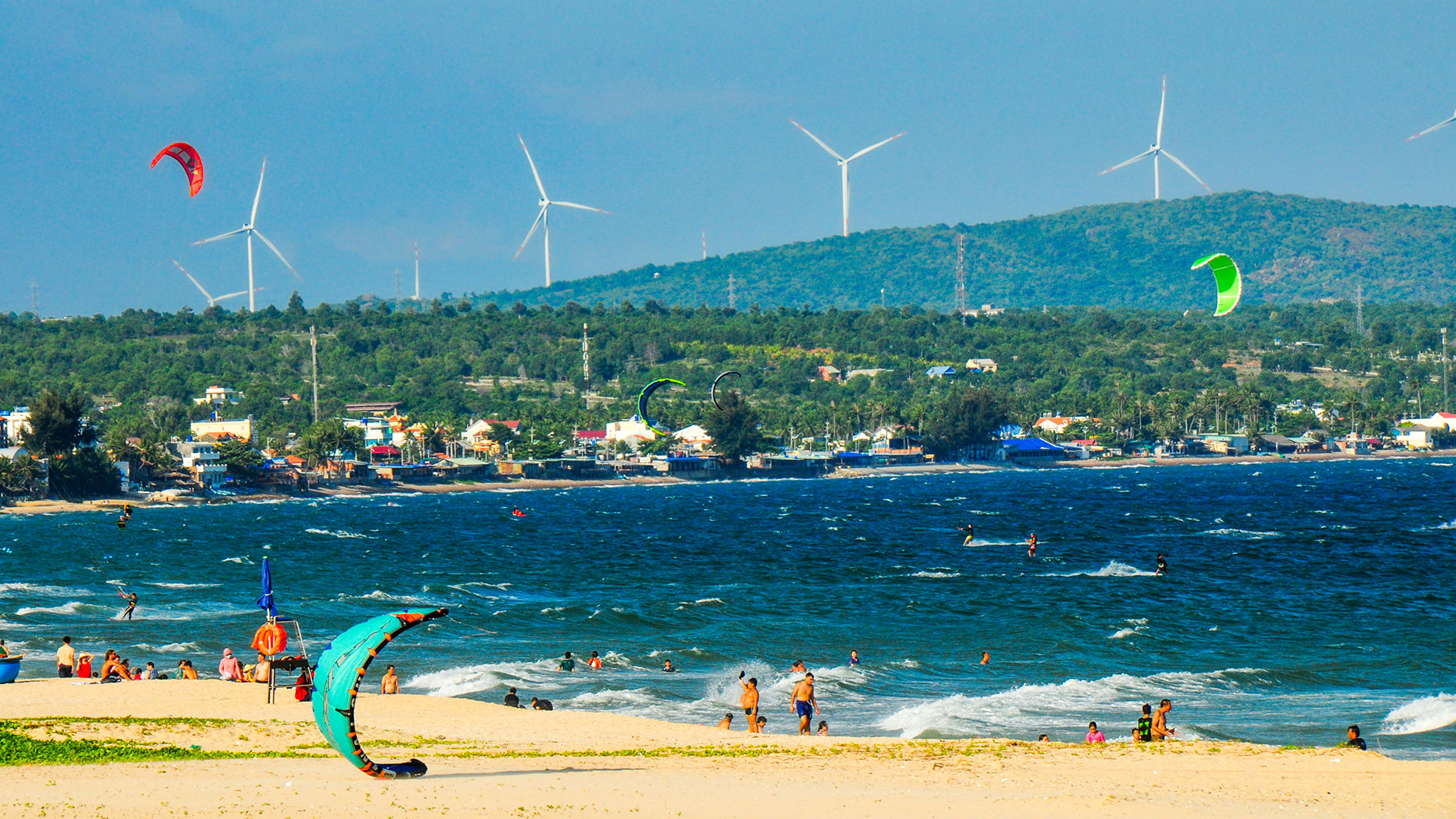
At present, the majority of tourism offerings in the province remain centered on sightseeing and short-term vacations. This approach fails to extend visitors’ length of stay or encourage repeat visits.
Moreover, the flower highlands, pristine beaches, and majestic forests are still evolving independently without forming a cohesive tourism experience.
At the same time, global tourism trends are evolving rapidly, particularly leaning toward the integration of leisure travel and sports activities, a trend often referred to as “Sportscation.”
In this model, tourists do more than just observe; they actively engage in sports, training, competitions, and wellness activities during their holidays. Destinations that embrace this model have demonstrated an ability to enhance visitor durations, boost spending, and draw returning travelers.
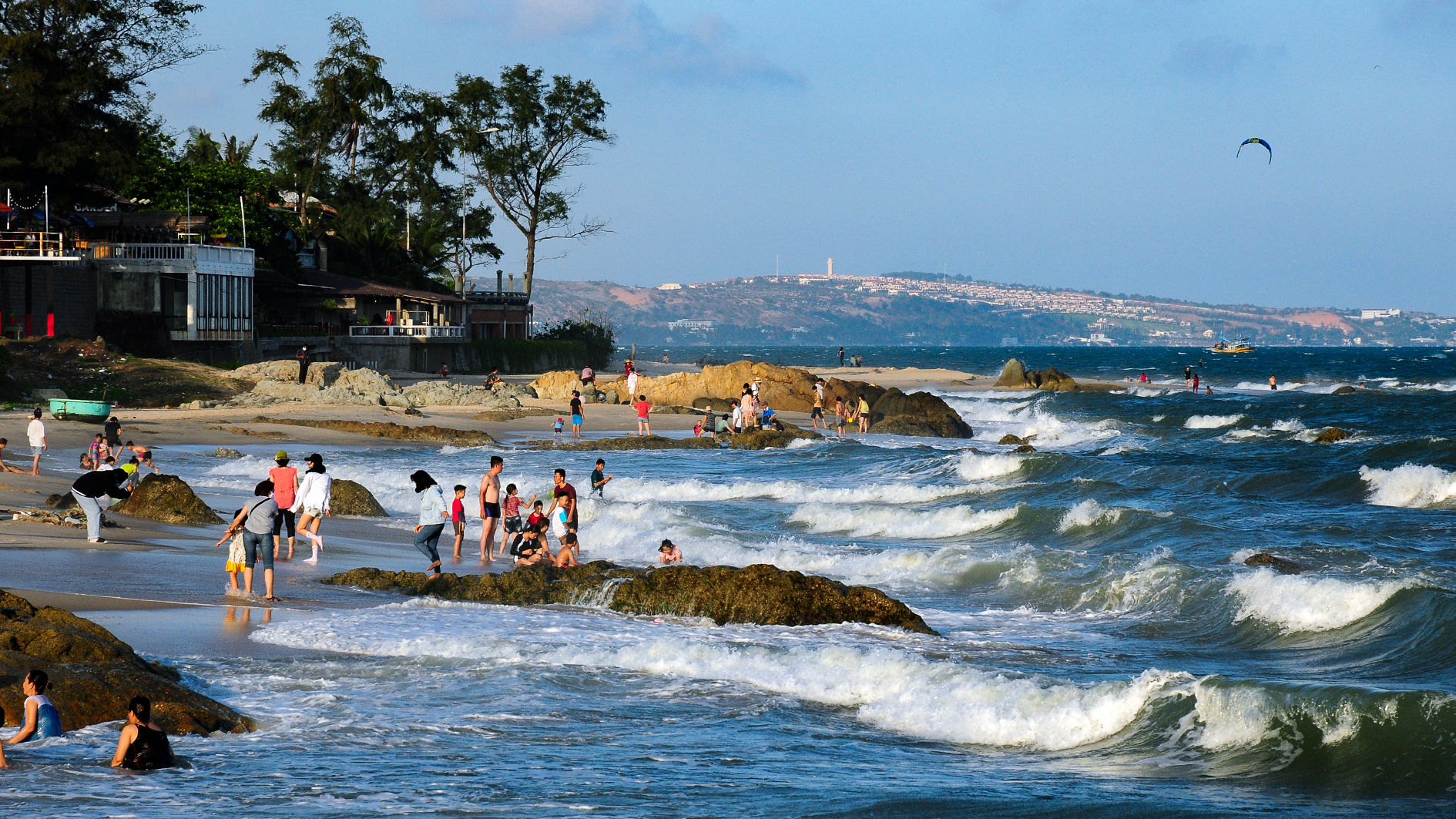
Lam Dong is among the few localities with all the necessary conditions to fully realize this model. The flower highlands could transform into centers for training, wellness, and healthcare; the coastal areas could serve as venues for competitions, events, and beach resorts; while the expansive forests could enhance nature experiences and recovery tourism.
Representatives from Emerald Residences Phan Thiet also highlighted that Lam Dong has significant advantages in Vietnam due to its coastal landscapes, pleasant climate, and favorable natural conditions. The province should aim for more extensive and modern tourism models rather than continuing to rely on disjointed offerings.
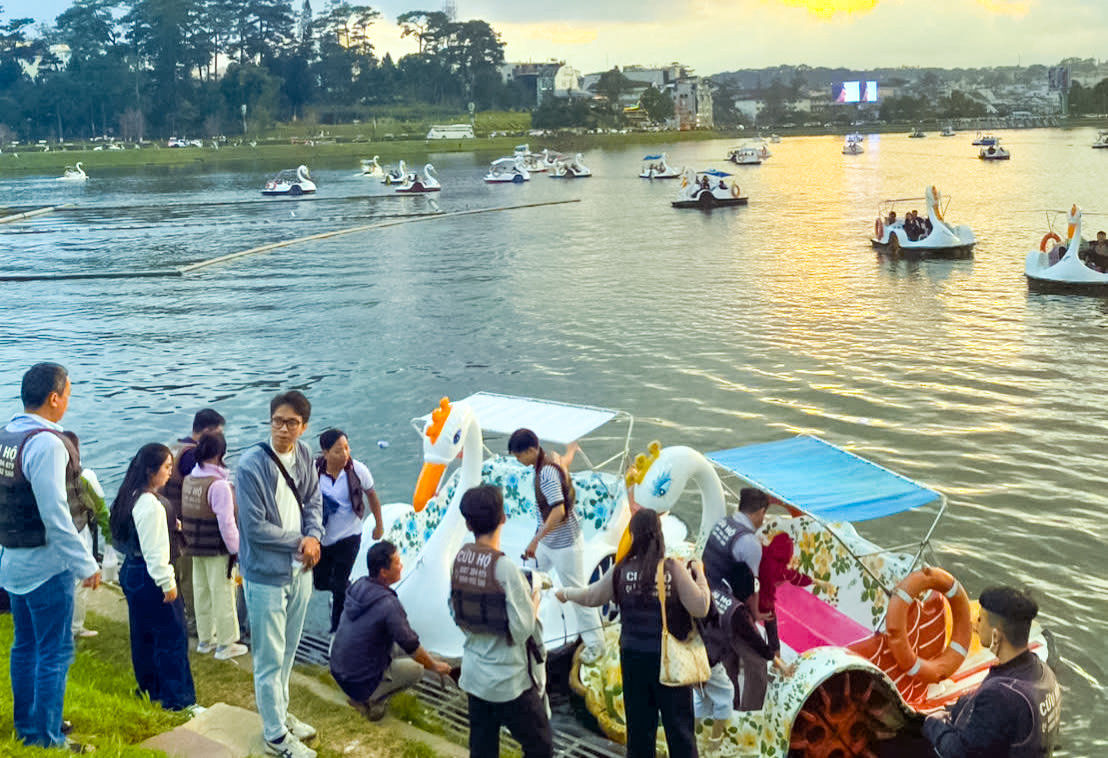
Possible models encompass water and marine entertainment venues featuring yachts, aquatic music performances, light shows, and marine sports; in addition to nighttime economy initiatives that blend pedestrian thoroughfares, global cuisine, cafés, and wellness resorts.
Given its extensive space for development, Lam Dong has progressively rolled out strategies focused on high-quality tourism growth — aimed not only at enhancing the local tourism sector but also at establishing a more confident, ambitious, and future-oriented Lam Dong.

Nguyen Van Loc mentioned that the province is in the process of executing its tourism development strategy for 2026–2030, while also implementing the planning scheme for the Mui Ne National Tourism Area, which extends through 2040, with a vision to 2050.
"We are seeking approval for a nighttime economy development project. Once it is approved, the province will move quickly to implement it. We are prioritizing unique, high-quality tourism products to promote green and sustainable tourism in the coming years," he said.
Chairman of the Lam Dong Provincial People’s Committee Ho Van Muoi emphasized that the province is in urgent need of tourism stimulus initiatives and innovative tourism products to boost the sector.
With the province’s expanded development space, tourism products must also be renewed to create regional tourism tours and stronger connectivity across the province. Authorities, businesses, and localities must coordinate closely, strengthen tourism communication campaigns, and promote the province’s advantages to domestic and international visitors. New tourism models such as sports tourism combined with resorts and medical tourism also need stronger connections and broader promotion
Ho Van Muoi, Chairman of the Lam Dong Provincial People’s Committee