


Reshaping the Future of Robusta Coffee
Scientists are calling for a comprehensive restructuring of Vietnam's Robusta coffee sector, recommending investments in high-quality planting materials, healthier soil and water management, and sustainable farming practices to enhance the value and global competitiveness of Robusta beans.
Advancing Sustainable Cultivation
Lam Dong is home to approximately 327,000 hectares of coffee plantations, producing more than one million tonnes annually, accounting for nearly 50.5% of Vietnam's total coffee output. Of this area, 311,000 hectares are dedicated to Robusta coffee.
The province has established six high-tech Robusta production zones covering 2,268 hectares and involving 1,404 farming households.
Modern cultivation practices, including water-saving irrigation, precision fertilization, and integrated pest management—are now applied across nearly 119,000 hectares certified under sustainability standards such as 4C, UTZ, Rainforest Alliance, VietGAP, and organic certification.
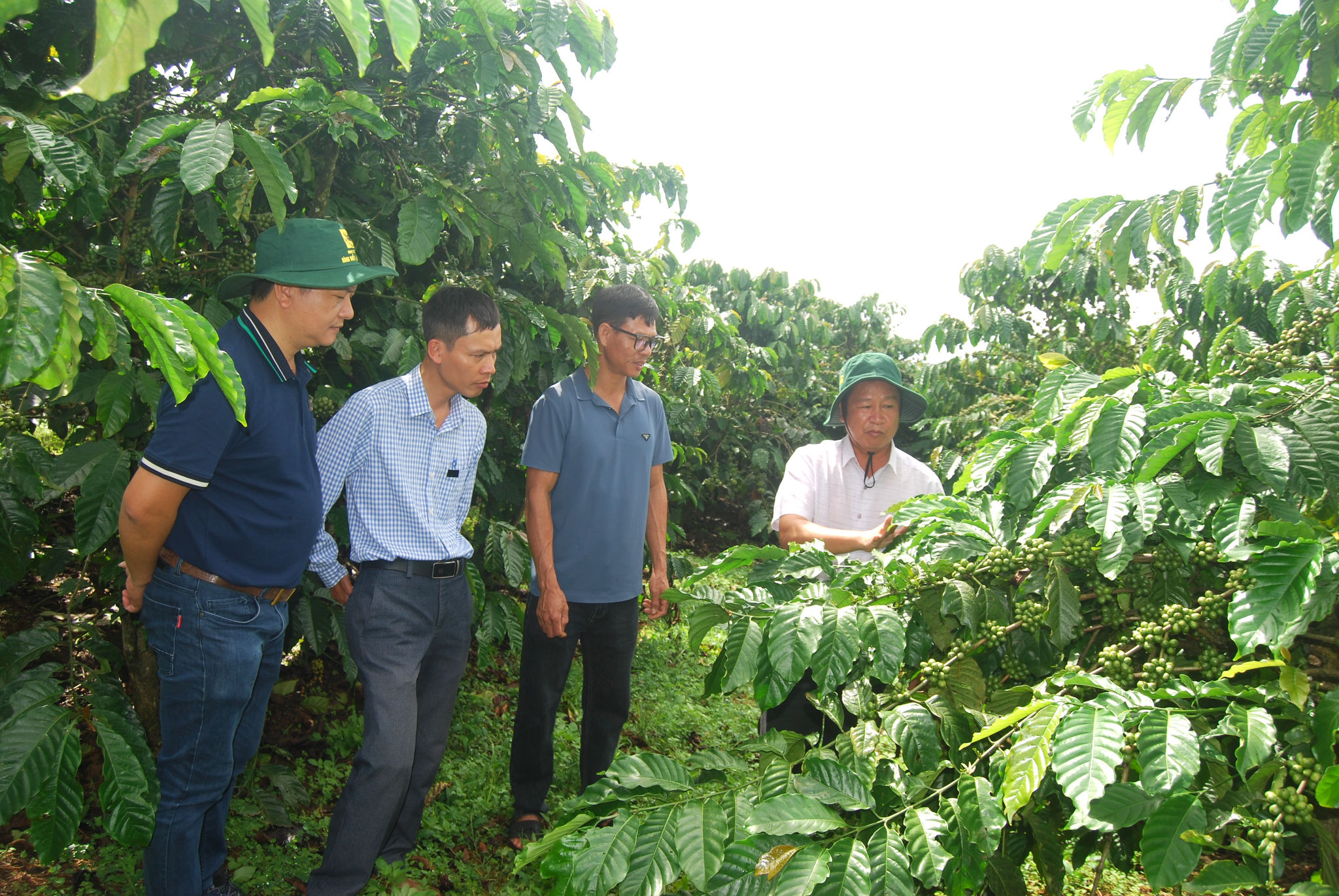
Farmer Trinh Tan Vinh, who has practiced organic coffee farming for 18 years, said his plantation no longer relies on chemical fertilizers or pesticides, resulting in healthier coffee trees and significantly lower pest pressure.
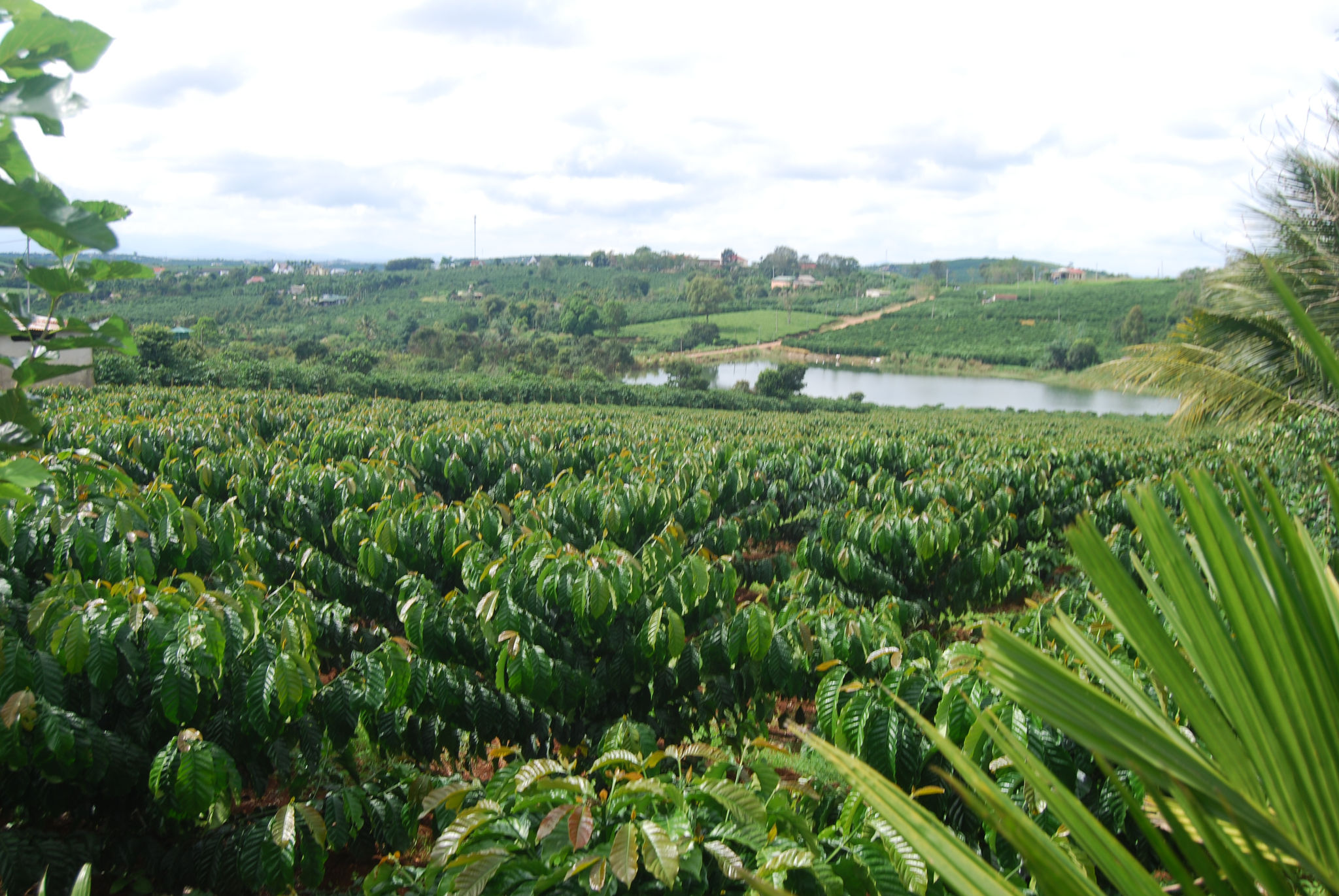
In Bao Lam 2 Commune, a 111-hectare grafted Robusta plantation uses an automated irrigation and fertigation system that improves nutrient absorption while preventing soil erosion. The farm also maintains more than 10 hectares of reservoirs to secure irrigation during dry periods and recycles hundreds of tonnes of coffee husks each year into organic fertilizer, achieving an average yield of five tonnes of green coffee beans per hectare.
No One-Size-Fits-All Formula
Drawing on successful sustainable farming models, Thai Nhu Hiep, Vice Chairman of the Vietnam Coffee - Cocoa Association, emphasized that selecting coffee varieties suited to local soil and water conditions is essential for maintaining stable yields and bean quality.
He noted that fertilization and irrigation strategies should be tailored to rainfall, tree conditions, flowering stages, and production targets rather than uniformly applied across all growing areas.
"Sustainable coffee farming aims to deliver stable profits, high bean quality, reasonable production costs, and healthy plantations that remain productive year after year," he said.
According to Dr. Pham S, former Vice Chairman of the Lam Dong Provincial People's Committee, Vietnam's position as the world's leading Robusta exporter depends on expanding climate-resilient, low-emission farming practices in line with the country's Net Zero 2050 commitment.
He recommended wider adoption of smart drip irrigation, efficient reservoir management, and greater use of organic fertilizers to improve soil fertility, conserve moisture, and strengthen soil ecosystems.
Dr. Pham S also highlighted the role of blockchain technology in improving traceability and ensuring compliance with technical standards throughout the production process, thereby increasing the share of export-quality beans and strengthening consumer confidence.
Looking ahead, he said artificial intelligence could play an increasingly important role by analyzing weather conditions, soil moisture, nutrient levels, and crop growth to optimize farming decisions.
AI-powered systems can also provide early warnings of drought, pests, and extreme weather, helping farmers reduce input costs, conserve resources, and improve profitability.