

Resilience in Keeping the Flame Alive – A Self-Reliance Miracle Rooted in Historical Heritage
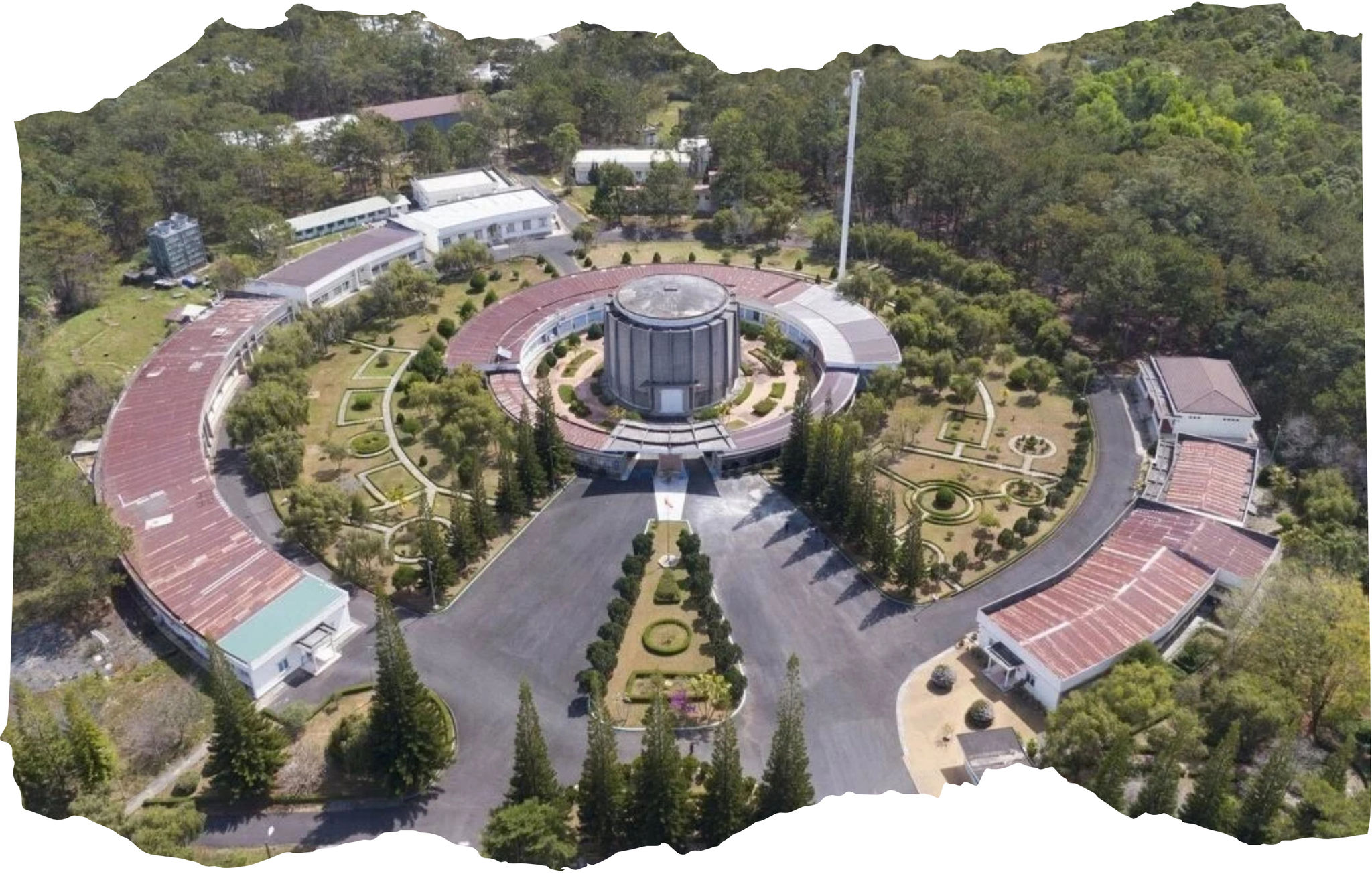
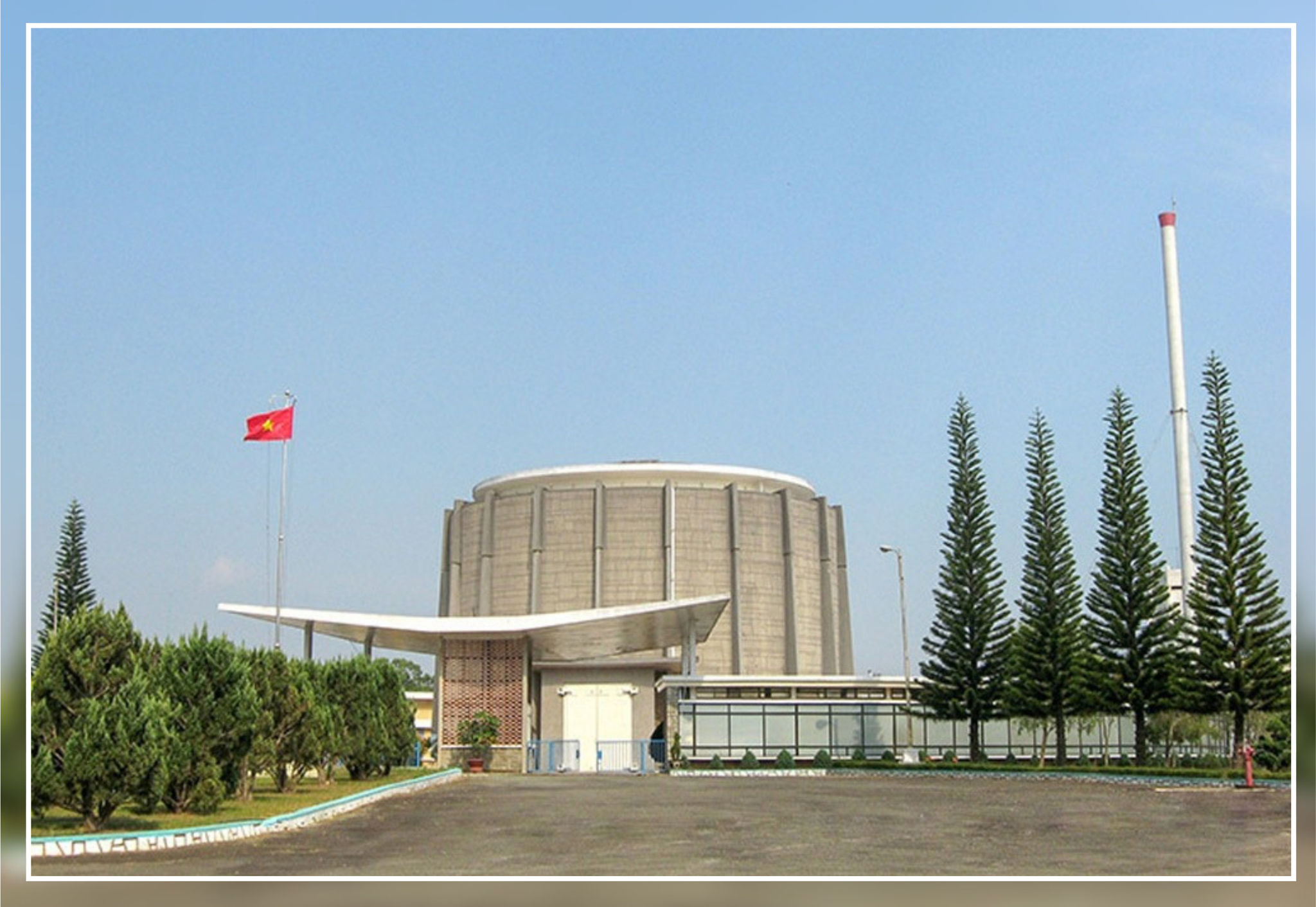
For more than 40 years, the Da Lat Nuclear Research Reactor has continued to operate safely on the misty highlands. Few people know that behind this unique “American shell, Russian core” facility lies a decades-long journey of perseverance and Vietnamese ingenuity. More than a scientific facility, it has become a cradle for nurturing, preserving and developing Vietnam’s invaluable nuclear expertise.
For more than 40 years, the Da Lat Nuclear Research Reactor has continued to operate safely on the misty highlands. Few people know that behind this unique “American shell, Russian core” facility lies a decades-long journey of perseverance and Vietnamese ingenuity. More than a scientific facility, it has become a cradle for nurturing, preserving and developing Vietnam’s invaluable nuclear expertise.
 russian
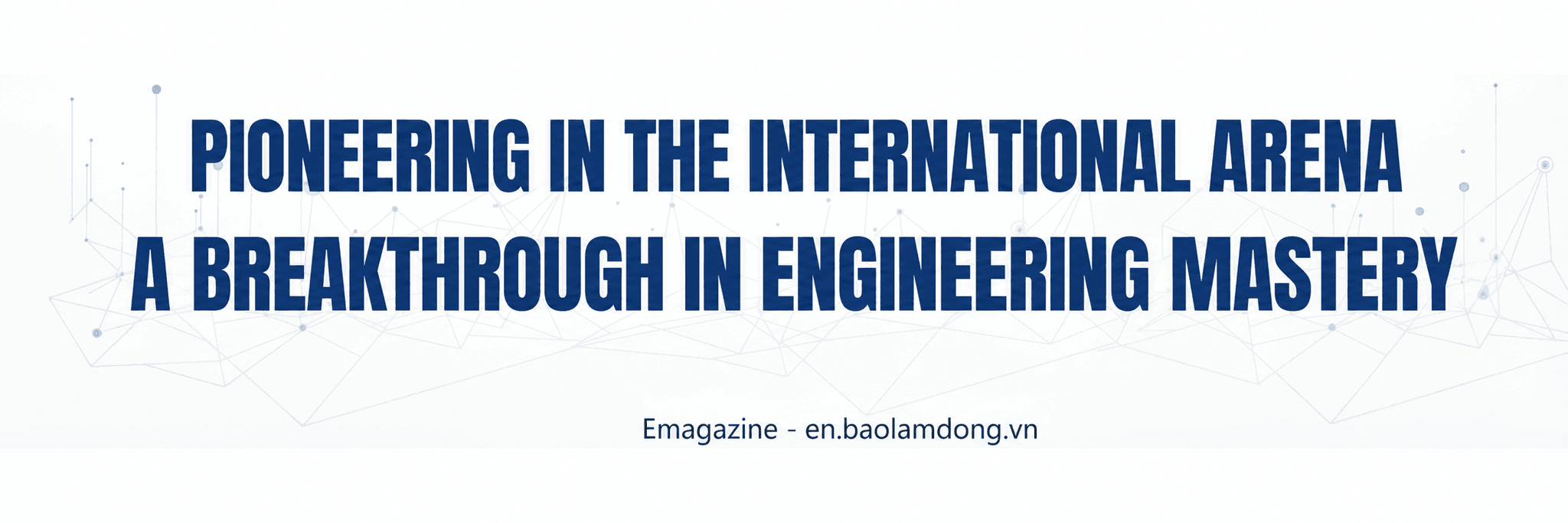
For 42 years, the Da Lat Nuclear Research Reactor (DNRR) has continued to operate safely and be utilized effectively. Among the first ten Vietnamese scientists trained in nuclear technology by the Soviet Union, Associate Professor Dr. Nguyen Nhi Dien has dedicated over four decades to this field.
The former Deputy Director of the Vietnam Atomic Energy Institute (VINATOM) and past Director of the Da Lat Nuclear Research Institute (NRI) now serves as the Standing Vice Chairman of VINATOM’s Science and Technology Council, possessing a profound understanding of every milestone and pivotal moment in the restoration and expansion of the Da Lat reactor.
Assoc. Prof. Dr. Nguyen Nhi Dien asserts that the Da Lat reactor is distinctive, not just in Vietnam but globally, boasting a remarkable blend of technologies: an “American shell and Russian core.”
In 1963, the United States constructed the 250-kW TRIGA Mark II research reactor in Da Lat, marking it as the first nuclear facility in Southeast Asia.
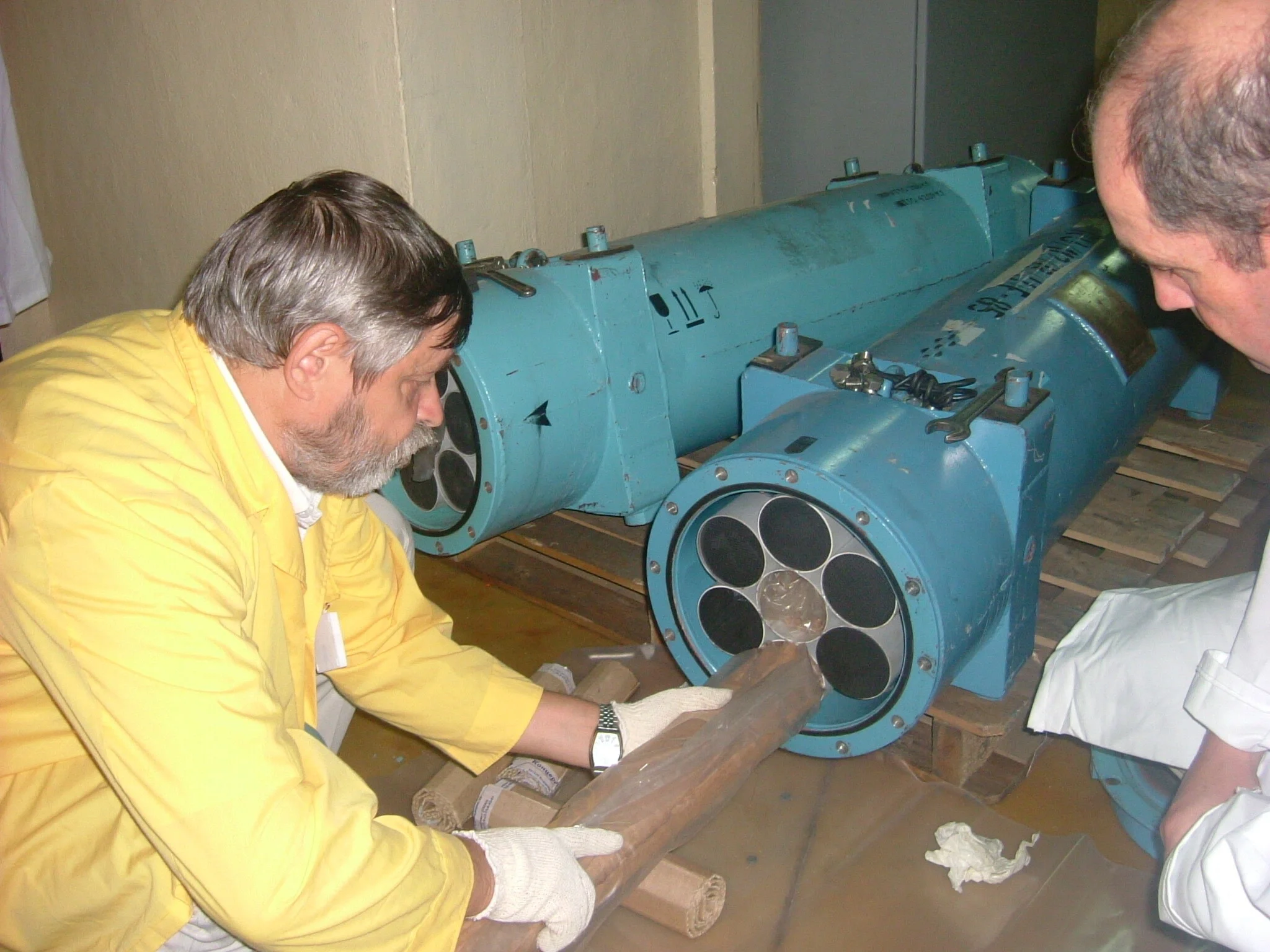
However, in March 1975, just before Da Lat was liberated, the United States extracted all 89 fuel elements — deemed the “heart” of the reactor — and returned them to their home country, leaving the entire system inactive.
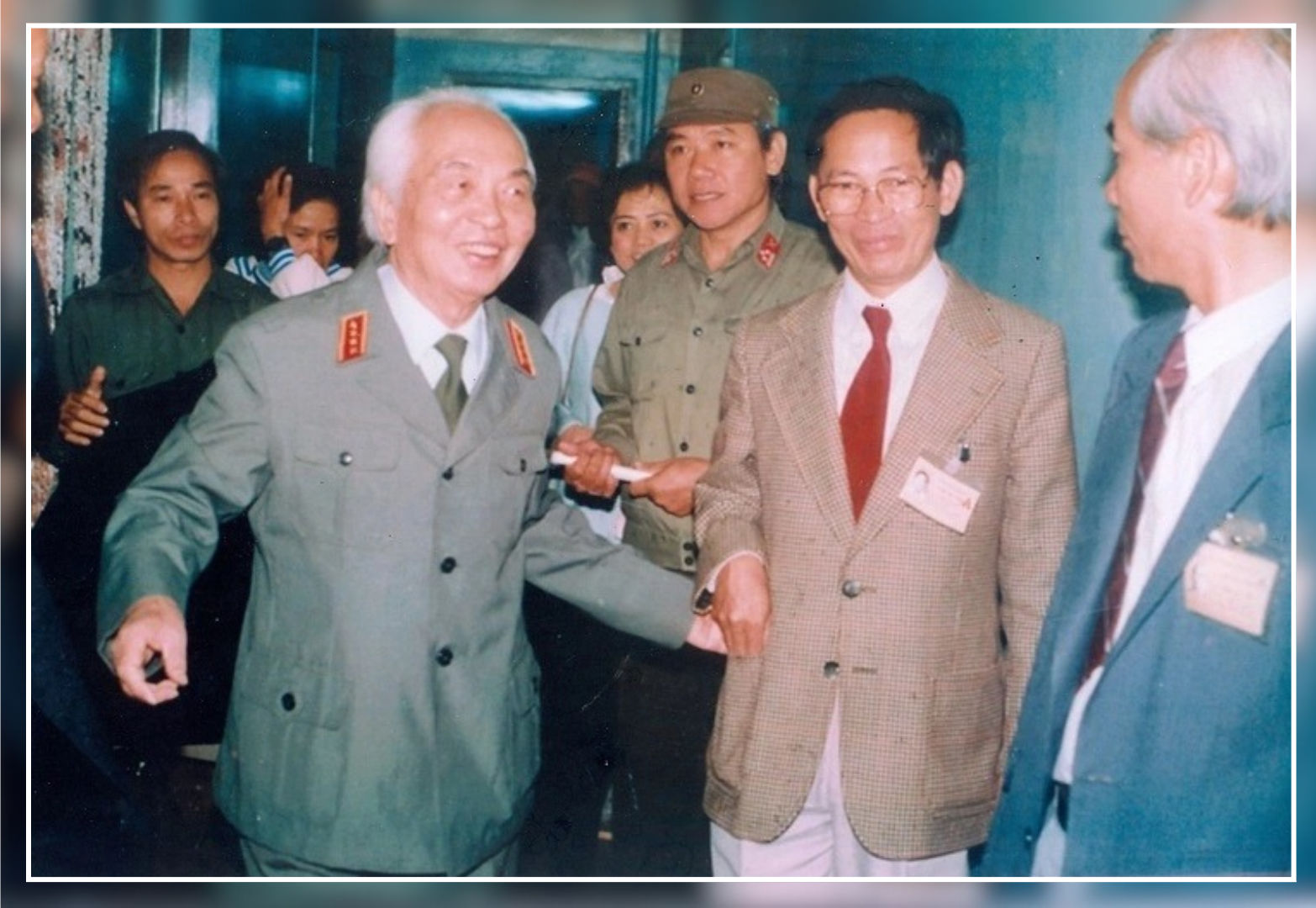
After the national reunification in late 1975, the Soviet Union agreed to assist Vietnam in restoring this significant nuclear facility. The late General Vo Nguyen Giap personally tasked Professor Dr. Pham Duy Hien with overseeing the restoration project.
This posed a considerable challenge for Vietnam’s emerging scientific community, as the reactor technologies from the Soviet Union and the United States were fundamentally different, from essential operating principles to the physical traits of the fuel elements.
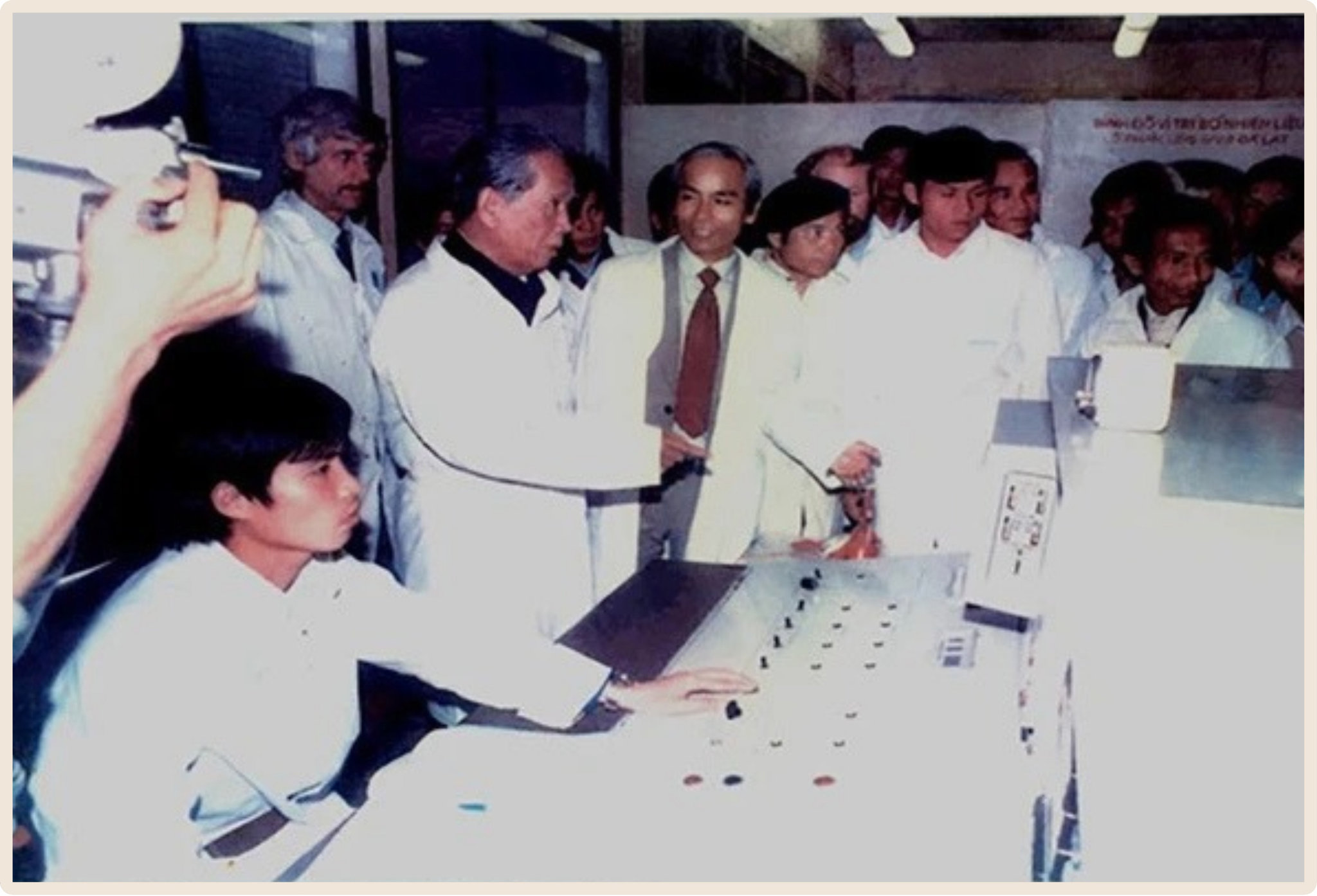
From 1982 to 1984, through close and innovative cooperation between Vietnamese scientists and Soviet experts, Vietnam successfully restored the reactor using a Russian IVV-9 core, increasing its operating capacity from 250 kW to 500 kW.
On March 20, 1984, the reactor officially resumed operation, marking a major milestone in Vietnam’s scientific and technological development.
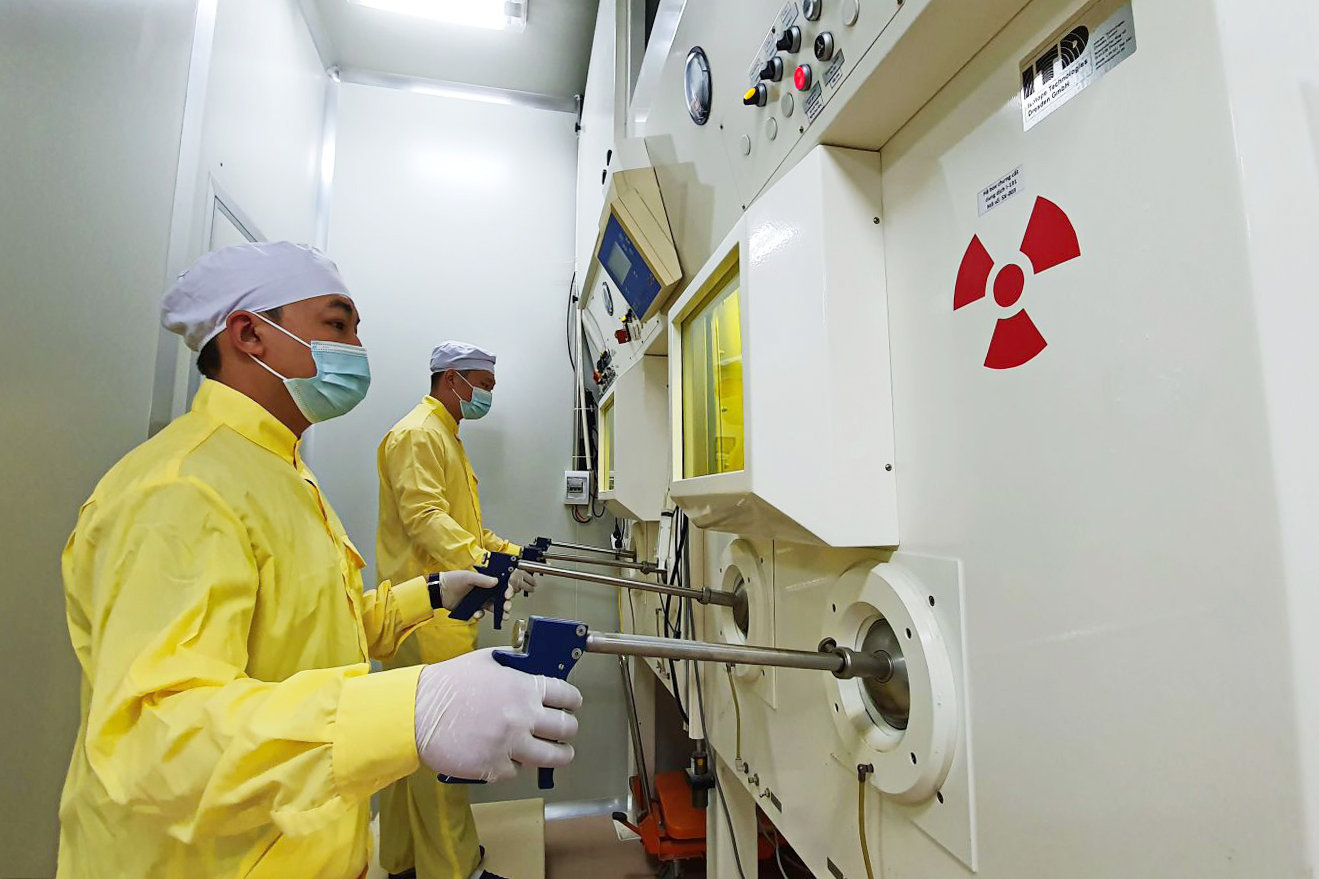
Incredibly, by February 1985, following the return of the last three Soviet experts after completing their duties, the first generation of scientists at the Da Lat Nuclear Research Institute had swiftly gained proficiency in the technology, ensuring both the safe operation and effective utilization of the reactor.
For over four decades, the reactor has experienced no radiation incidents or technical failures.
The Da Lat Nuclear Research Reactor has been acknowledged by the International Atomic Energy Agency (IAEA) and the global scientific community as “the most effectively utilized reactor among low-power research reactors worldwide.”
This presented a significant challenge for Vietnam’s emerging scientific community, as there were fundamental differences between Soviet and American reactor technologies, ranging from essential operating principles to the physical properties of the fuel elements.
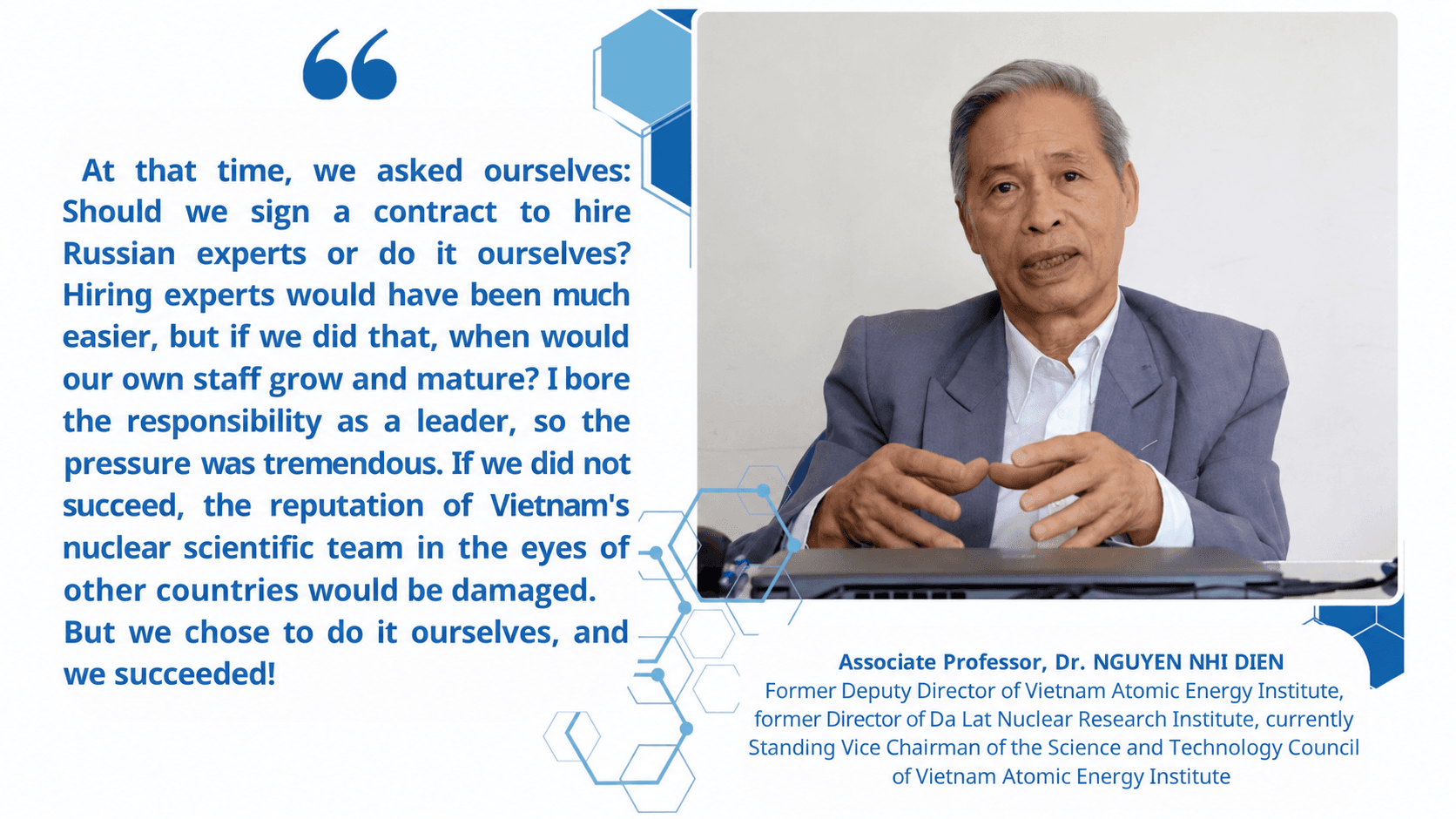
Recalling the reactor’s various restarts, the former institute director particularly remembers the third restart in 2004.
Before that, the Da Lat reactor had undergone only two physical start-ups: the first in 1963, carried out by the Americans, and the second in 1983, with direct assistance from Soviet experts.
By 1985, the last three Soviet experts had returned home, and Vietnam no longer brought in Soviet — and later Russian — experts. As a result, the third restart presented the country’s engineers with a host of formidable challenges.
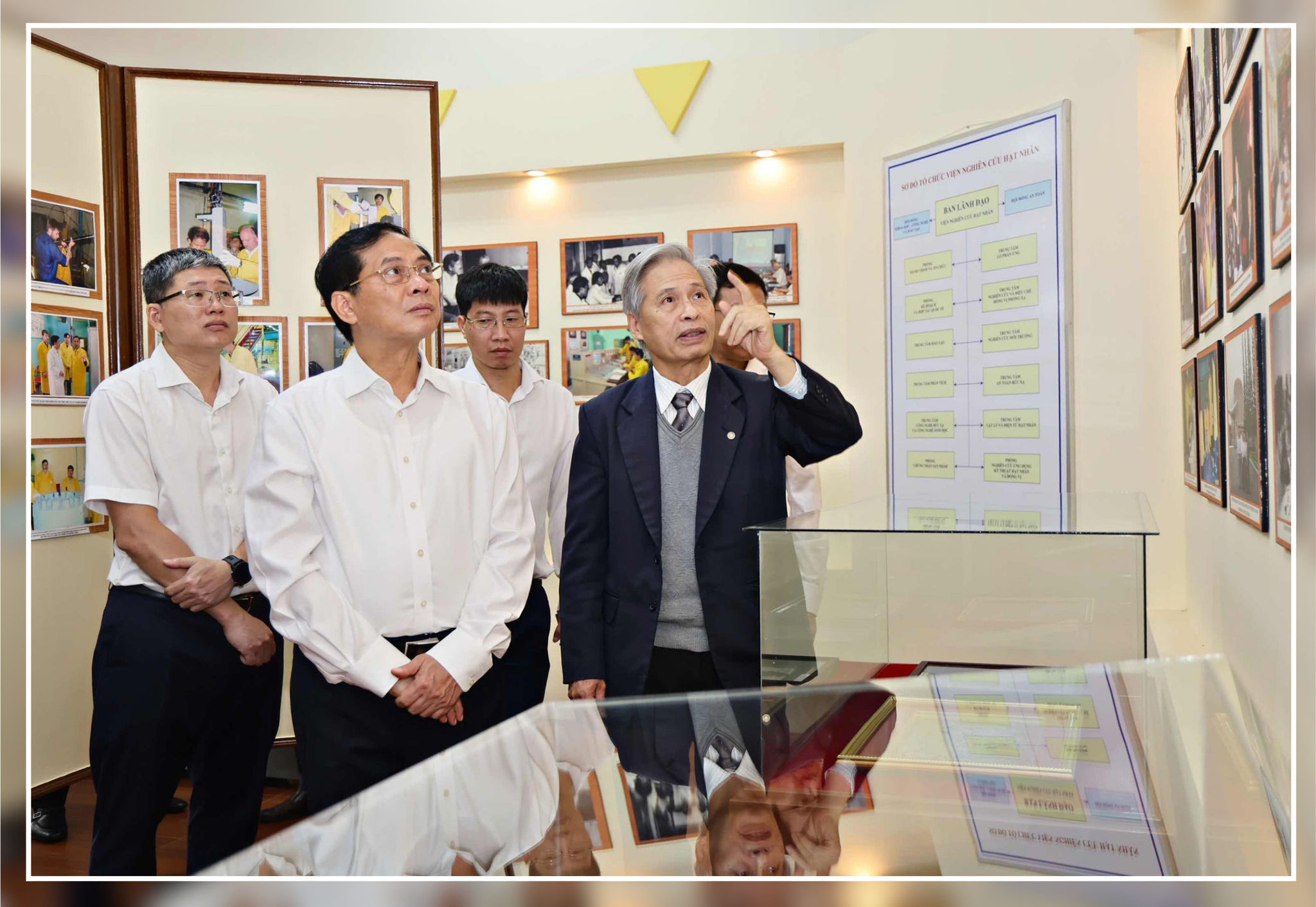
Vietnamese researchers successfully transitioned the reactor’s fuel from highly enriched uranium (36% U-235) to low-enriched uranium (19.75% U-235) during the 2007-2011 period. For the first time in the world, the converted nuclear fuel was transported back to Russia by air.
This accomplishment represented a significant milestone. Building on Vietnam’s experience, several nations that import Russian nuclear fuel, including Hungary and Romania, later implemented this specialized transportation method successfully.
The first successful restart conducted entirely by Vietnamese scientists was recognized as one of Vietnam’s 10 most significant science and technology events of 2011. Today, the ongoing efficient operation of the Da Lat reactor is fully dependent on Vietnamese expertise.
After gaining proficiency in reactor operation, the Da Lat Nuclear Research Institute began focusing on reactor design research, specifically on fuel configuration, which is considered the “heart” of the reactor. This capability was effectively showcased through a successful fuel conversion project.
The reactor’s achievement of over 70,000 hours of safe operation has highlighted the technical proficiency of the institute’s personnel.
Over the course of more than forty years of research, the Da Lat Nuclear Research Institute has published approximately 420 scientific papers in national journals and 300 papers in international journals.
In the peaceful applications of nuclear energy, the institute has created technologies for producing and processing radioisotopes utilized in medical diagnosis and therapy; produced nuclear equipment; advanced analytical methods, radiation monitoring, and early-warning systems; employed isotope techniques to tackle issues related to sedimentation, erosion, and the oil and gas sector; and applied radiation technology for food preservation, mutation breeding, and the treatment of radioactive waste.
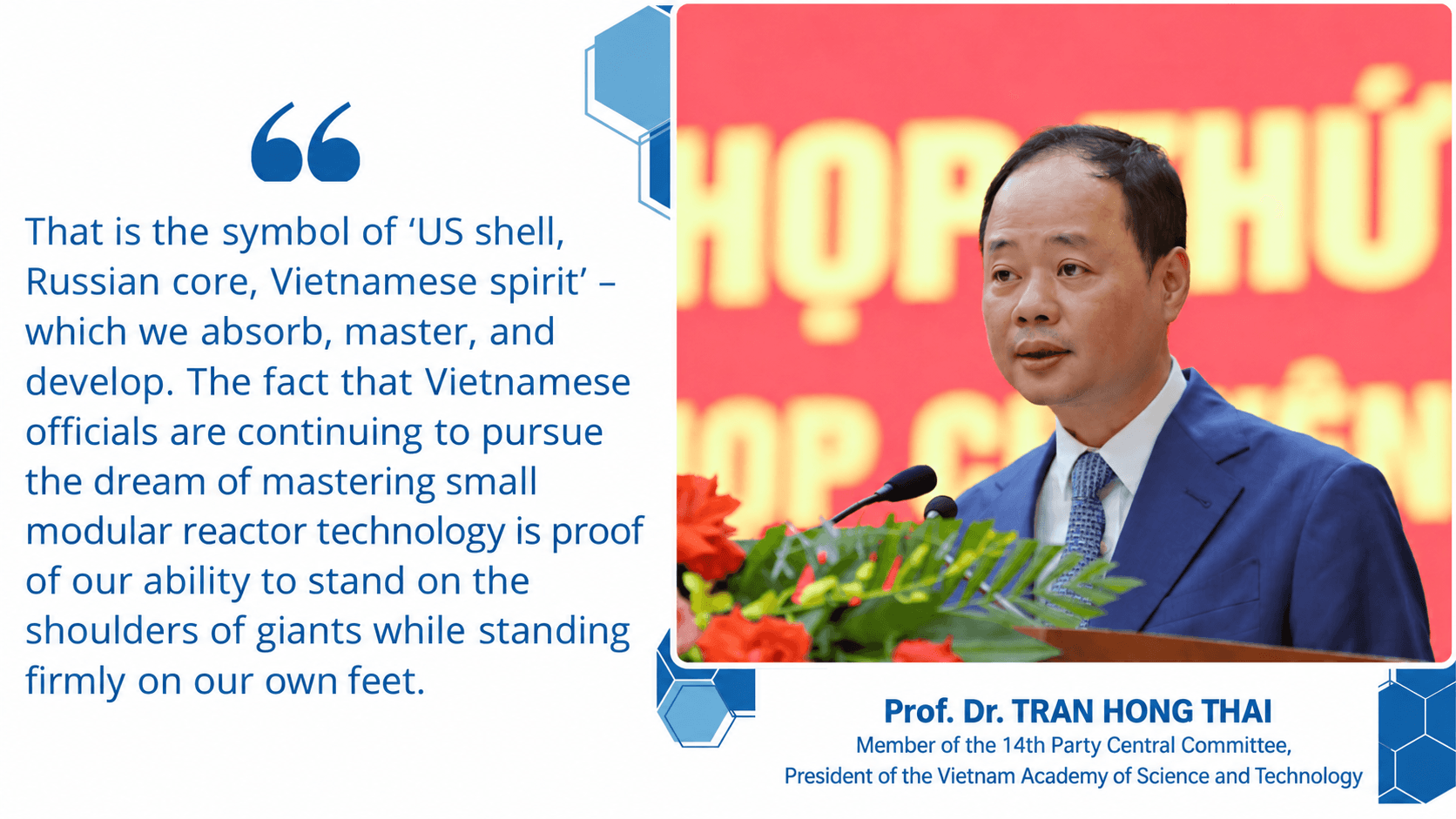
Prof. Dr. Tran Hong Thai, a member of the 14th-term Party Central Committee and President of the Vietnam Academy of Science and Technology, reflects on the journey as follows:
“It represents a fusion of an ‘American shell, Russian core, and Vietnamese spirit.’ We have not merely been passive recipients. We have absorbed, mastered, and further developed the technology. Currently, Vietnamese experts continue to pursue the goal of mastering small modular reactor (SMR) technology, aiming to develop 8–10 units by 2035 and fully master the technology by 2040. This illustrates our capacity to ‘stand on the shoulders of giants while standing firmly on our own feet.’”
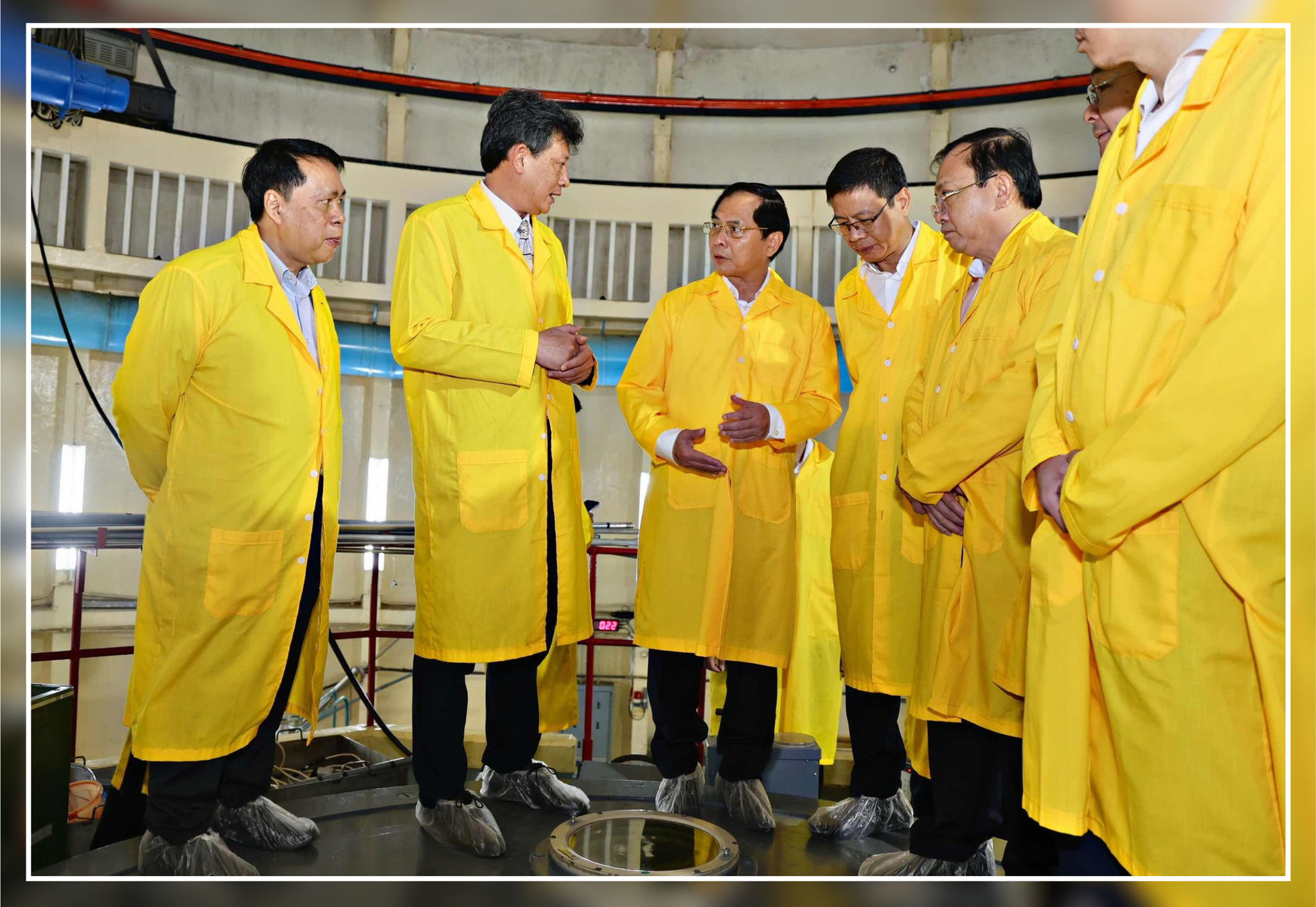
Reflecting on the fluctuations within Vietnam's nuclear sector, Assoc. Prof. Dr. Nguyen Nhi Dien noted that discussions regarding the development of nuclear power first surfaced in 1978-1979, when a group of experts was formed to advise the Government. However, due to various domestic and international challenges, the nuclear power program was ultimately placed on hold.
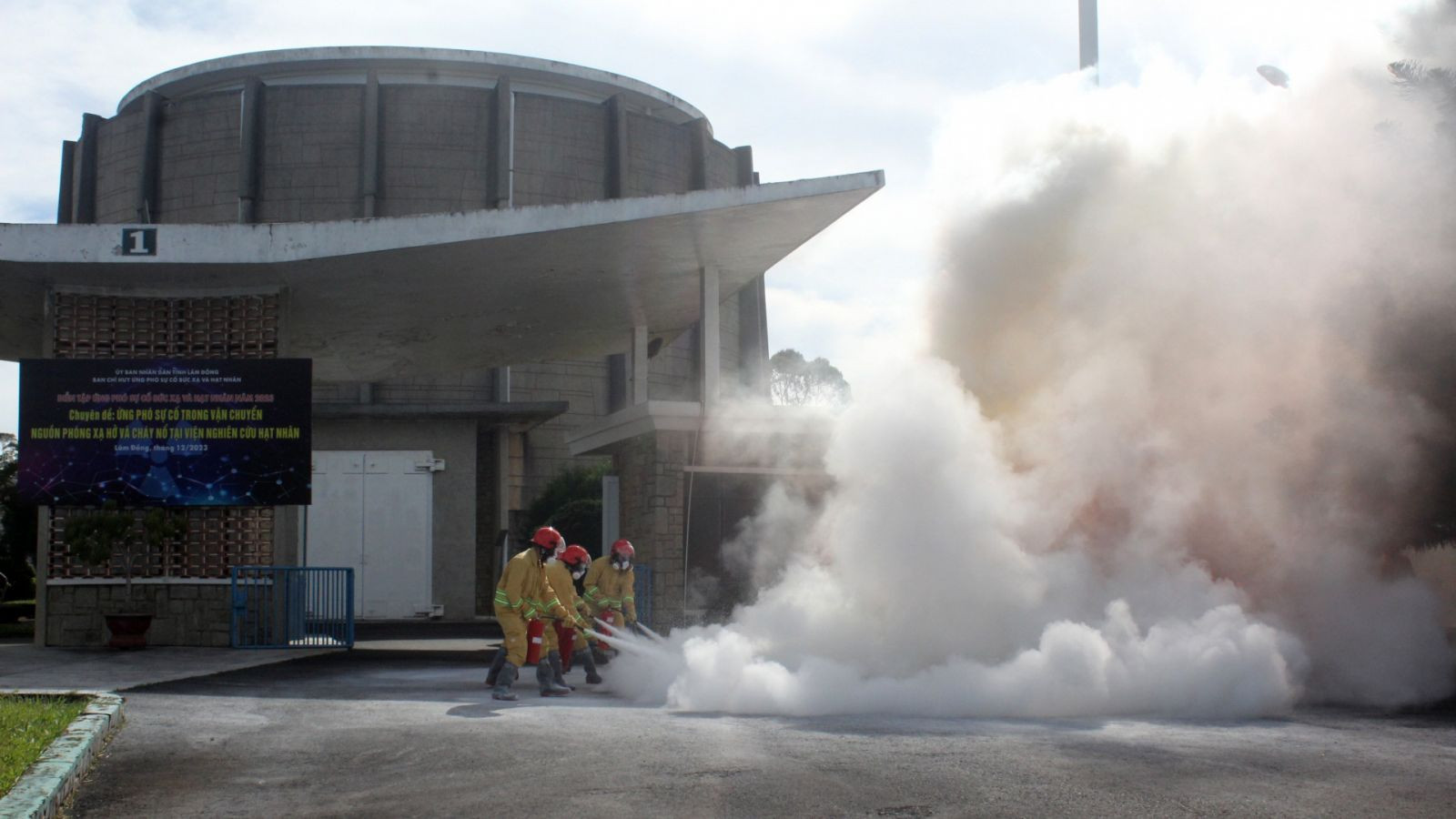
In 2016, the National Assembly passed a resolution to suspend the Ninh Thuan nuclear power project. At that time, this decision was viewed as suitable by the Party, National Assembly, and State to ensure the most efficient utilization of the country’s resources.
Nevertheless, Vietnam did not completely halt progress in the sector. Instead, it continued to conduct training and research activities to maintain its human resources and technical capabilities.
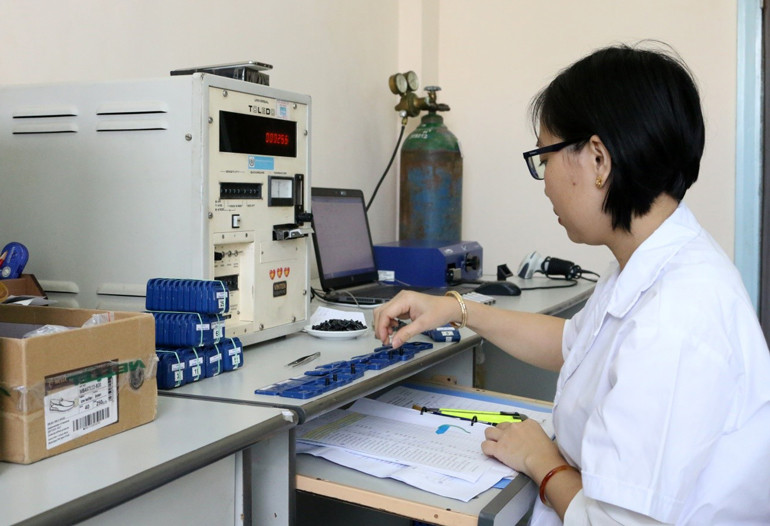
This initiative proved to be crucial. On November 30, 2024, following nearly a decade of suspension, the National Assembly passed Resolution No. 174/2024/QH15, officially restarting the nuclear power program and reintegrating the sector into the national development agenda.
More significantly, on August 20, 2025, the Politburo issued Resolution No. 70-NQ/TW aimed at ensuring national energy security up to 2030, with a vision to 2045.
The resolution includes specific objectives, such as bringing the Ninh Thuan 1 and Ninh Thuan 2 nuclear power plants online between 2030 and 2035, while launching a flexible nuclear power development program, researching small modular reactors, and gradually mastering the related technologies.
This marked the first occasion on which the Politburo included nuclear power in a thematic resolution, demonstrating a more resolute approach with clearly defined objectives, mechanisms, and solutions.
The 42-year history of safe operation of the Da Lat reactor, along with the expertise gained by staff at the Da Lat Nuclear Research Institute, is a crucial factor that bolsters the Party and State's confidence in advancing these aims.
By the end of 2025, leaders of the Ministry of Science and Technology affirmed that the institute's role would be to serve as a national hub for nuclear energy training and practical application.
Dr. Cao Dong Vu, Director of the Da Lat Nuclear Research Institute, said the IAEA’s high assessment of the Da Lat reactor provides favorable conditions for the institute’s staff to be ready to receive, safely operate and effectively utilize a new 10-MWt multi-purpose research reactor planned for Dong Nai City, while also being prepared to directly participate in the ongoing Ninh Thuan nuclear power project.
The solid steps built over decades are laying the foundation for Vietnam’s nuclear future.
(To be continued)