


Restructuring Inefficient Dragon Fruit Cultivation Areas
Large areas under dragon fruit cultivation are generating low economic returns due to soil degradation, rising production costs, increasing pest outbreaks and unstable market prices. In response, the provincial agricultural department has introduced guidelines to help farmers shift to more suitable and sustainable crops.
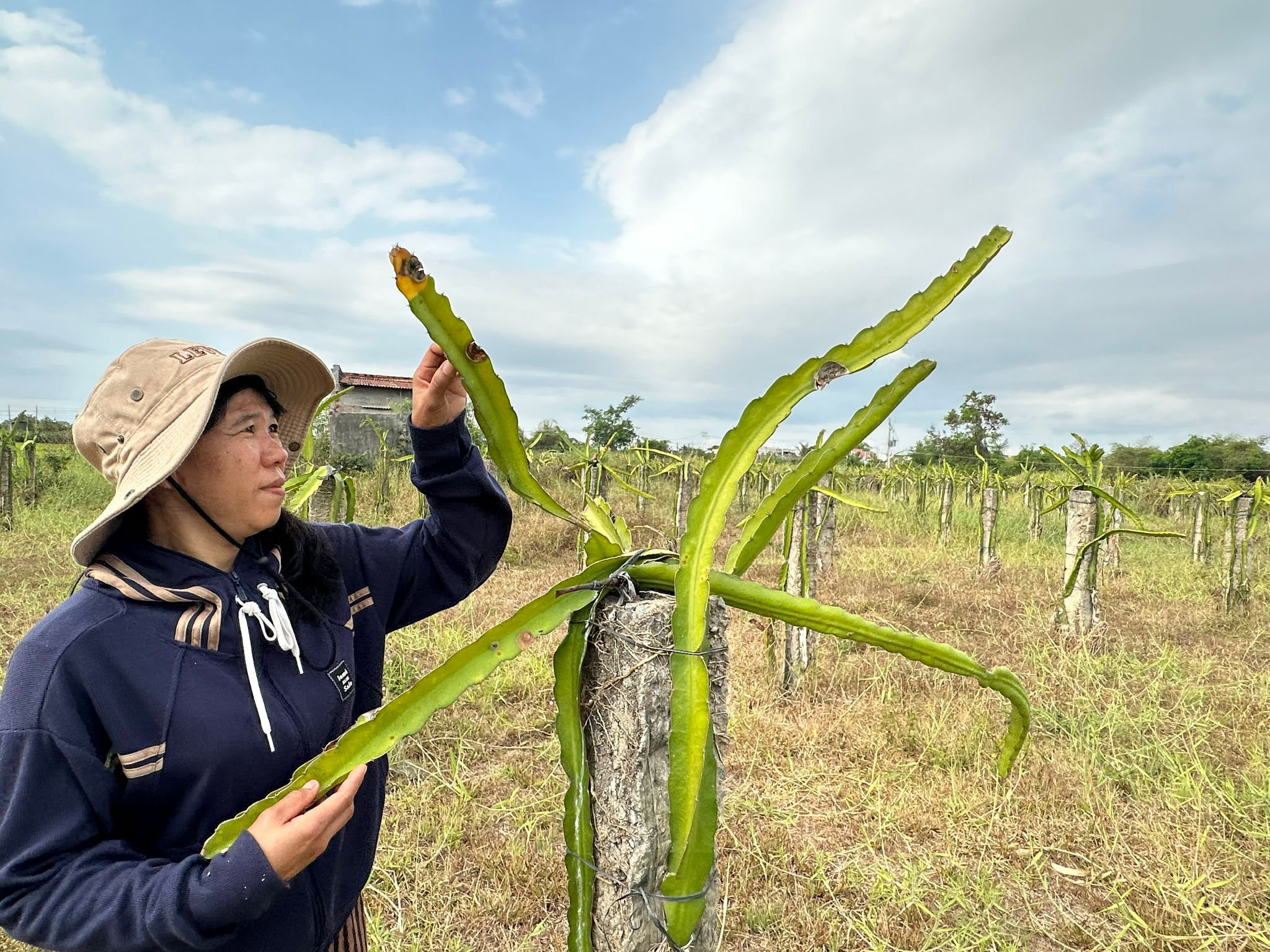
Farmers Receive Guidance on Strategic Crop Conversion
Dragon fruit cultivation currently covers 26,000 hectares, mainly in the southeastern region of Lam Dong Province. In recent years, farmers have applied scientific and technological advances to improve both yield and product quality.
However, the sector still faces unplanned expansion and a lack of coordinated planning, leading to oversupply at certain times and putting pressure on market prices. Heavy reliance on traditional export markets has also made outlets unstable, while many aging dragon fruit areas are affected by soil degradation and low productivity.
In response, the Lam Dong agricultural sector organized a seminar on solutions for converting inefficient dragon fruit land to alternative crops such as passion fruit, pineapple and apple trees. The event attracted hundreds of farmers from communes and wards including Ham Liem, Hong Son, Ham Thuan, Ham Thuan Bac and Tuyen Quang, who sought expert guidance on how to apply crop conversion models locally.
To provide farmers with clear guidance on crop conversion, the provincial agricultural sector has introduced technical solutions and successful models for shifting to crops such as passion fruit, pineapple and apple trees. These crops are considered well suited to local soil conditions and current market demand.
Nguyen Huu Nhan, a resident of Village 4 in Hong Son Commune and a participant in the seminar said: "My family is currently working with EDEN Farm in Ham Thuan Bac Commune, which guarantees offtake for our yellow passion fruit. The partnership has proven highly effective. Yellow passion fruit is a nutrient-rich and flavorful fruit favored in international markets. With its sunny climate, well-drained sandy soil and potential for large-scale production, the southeastern region has favorable conditions to develop high-quality yellow passion fruit for both domestic consumption and export."
According to the provincial agricultural department, Lam Dong currently has about 4,800 hectares of passion fruit, mainly in the central and western areas. In the southeastern region, passion fruit is emerging as an alternative crop for farmers replacing aging dragon fruit orchards. So far, about 30 hectares have been converted, primarily in Tan Thanh, Ham Thuan Bac and Ham Thuan Nam
Enhancing the Competitiveness of Agricultural Products
Taking the passion fruit model as a practical example, the provincial agricultural sector and local farmers are placing greater emphasis on market trends. Priorities include strengthening production and consumption linkages, developing value chains, and promoting safety standards to improve the competitiveness of agricultural products.
Mai Thi Thuy Kieu, an official at the provincial Department of Crop Production and Plant Protection, said the transition from inefficient dragon fruit orchards remains challenging, partly because some farmers have yet to identify truly effective alternative crops. In addition, the lack of consumption agreements with enterprises can lead to price instability and the recurring “bumper harvest, low prices” cycle.
Before any crop conversion is carried out, it is essential to establish production models linked to effective consumption chains. Such models allow farmers to visit, learn from practical examples and choose suitable options, thereby improving production efficiency and securing stable market outlets. Coconuts have also emerged as a supplementary income source for households, helping improve nutrition and create jobs for rural workers.
According to the provincial Department of Crop Production and Plant Protection, coconut cultivation in the southeastern region covers more than 1,400 hectares, mainly in Mui Ne, Hong Son, Bac Binh and Ham Tan.
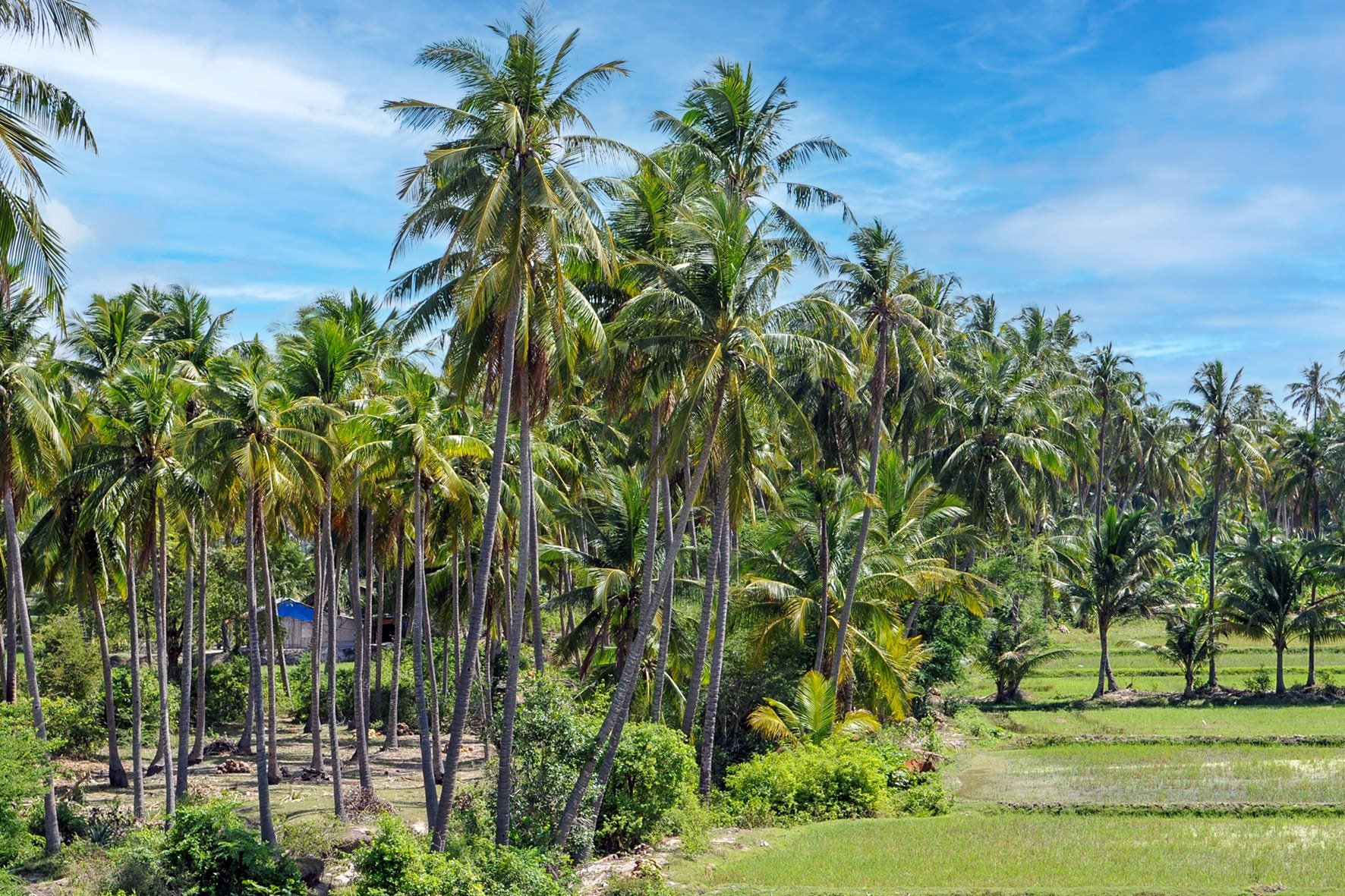
Coconut trees adapt well to various soil types. Current exports consist mainly of coconut oil, coconut oil cake, copra and coir fiber, while high-value-added products such as coconut milk, coconut ice cream and coconut milk powder are gaining traction. Since 2025, in addition to serving domestic consumption, fresh coconuts has been slated for export to China, South Korea and Middle Eastern markets.
According to the Provincial Agricultural Extension Center, converting aging dragon fruit orchards to alternative crops such as passion fruit, custard apple and coconut offers a promising direction for many farmers in the southeastern region.
With coordinated technical support, sound market strategies and well-organized production, the transition could become an important solution for sustainable agricultural restructuring, helping improve local incomes and reduce excessive dependence on dragon fruit cultivation.