


Restructuring Low-Yield Crops Based on Regional Advantages
Lam Dong’s agriculture sector is being urged to review areas of low-efficiency crops and shift them to models better suited to local ecological conditions and climate change adaptation, in a move aimed at increasing income in line with the province’s potential.
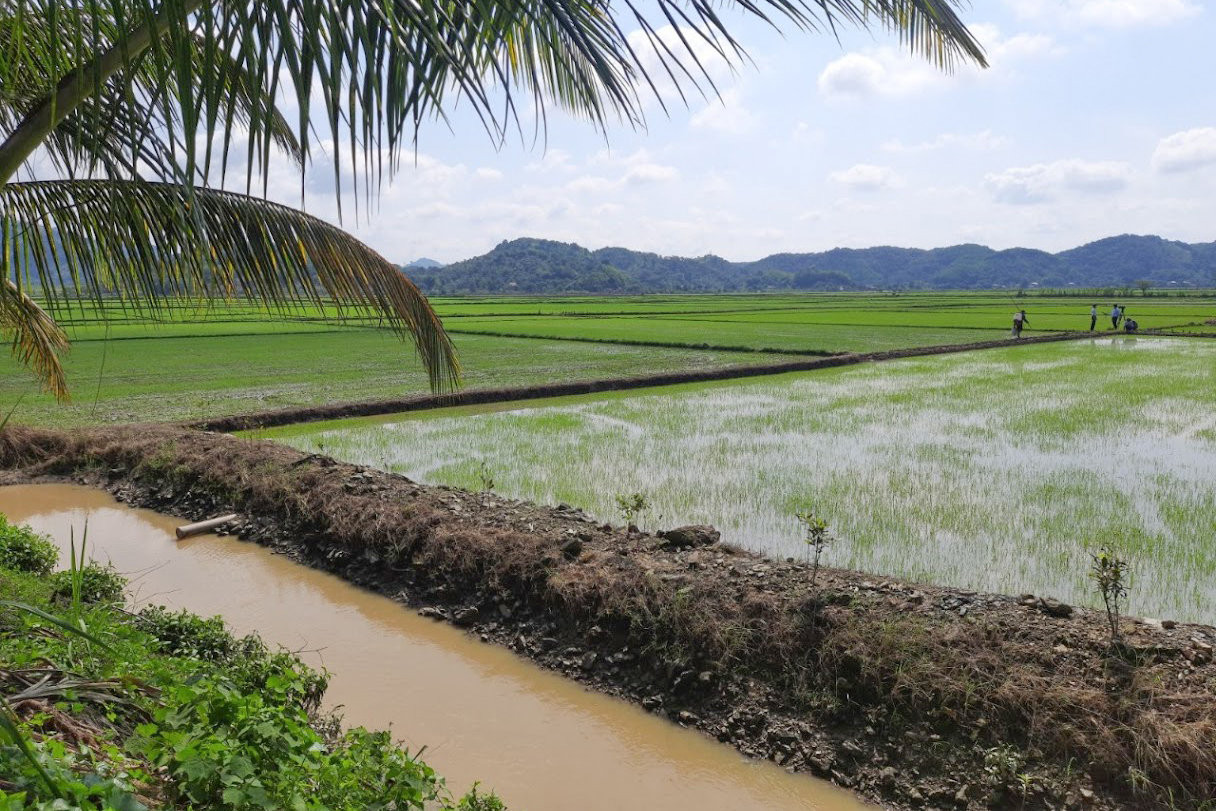
58,200 hectares of low-efficiency crops
In recent years, Lam Dong’s crop structure has gradually been adjusted to make better use of each ecological zone. The province now has a total cultivated area of more than 1.04 million hectares, including around 425,790 hectares of annual crops and 622,873 hectares of perennial crops. Total food output stands at nearly 1.39 million tonnes, while the average income per hectare is about 195 million VND per year.
Over the past year, around 21,660 hectares of crops have been converted. However, areas generating less than 50 million VND per hectare annually still account for about 7.2% of total farmland, equivalent to roughly 58,200 hectares.
Under its crop development strategy to 2030, with a vision to 2050, the province aims to convert low-income farmland into higher-value crops, reducing such areas to below 40,000 hectares by 2030.
In central agricultural zones with favourable climates, the focus will remain on high-tech vegetables, flowers and medicinal plants. Other areas are expected to expand fruit cultivation and pasture for livestock. Regions specialising in long-term industrial crops will be encouraged to replant ageing coffee plantations with higher-quality varieties or switch to more profitable crops such as durian, macadamia, avocado and high-quality tea, alongside mulberry cultivation linked to processing.
Increasing production value through conversion
At a recent meeting on agricultural growth targets for 2026, Le Trong Yen, standing vice chairman of the provincial People’s Committee, said that developing plans to convert low-efficiency farmland is a key priority. The move is intended to meet market demand, improve land use efficiency and support sustainable agricultural development.
Officials say the 2026–2030 conversion plan will provide a framework for local authorities to mobilise resources and implement restructuring measures effectively. Based on assessments of local conditions, specific areas of low-efficiency cultivation will be identified and suitable replacement crops selected. Much of the targeted land lies across 89 communes and wards, including areas currently used for single-crop rice (16,091 hectares), maize (60,329 hectares), cassava (29,593 hectares), sugarcane (1,016 hectares) and cashew (39,817 hectares).
According to Tran Quang Duy, deputy head of the provincial Crop Production and Plant Protection Sub-Department, six groups of measures have been proposed for the next five years. These include policy support, the application of science and technology, infrastructure development, improved farming techniques, new crop varieties, stronger value chain linkages, and enhanced training and technical support for farmers.