


Revitalizing Lam Dong's Coastal Cultural Heritage
As travelers increasingly seek authentic cultural experiences, preserving and promoting Lam Dong's rich maritime heritage is becoming not only a key mission in safeguarding cultural assets but also a promising long-term strategy for sustainable tourism development.
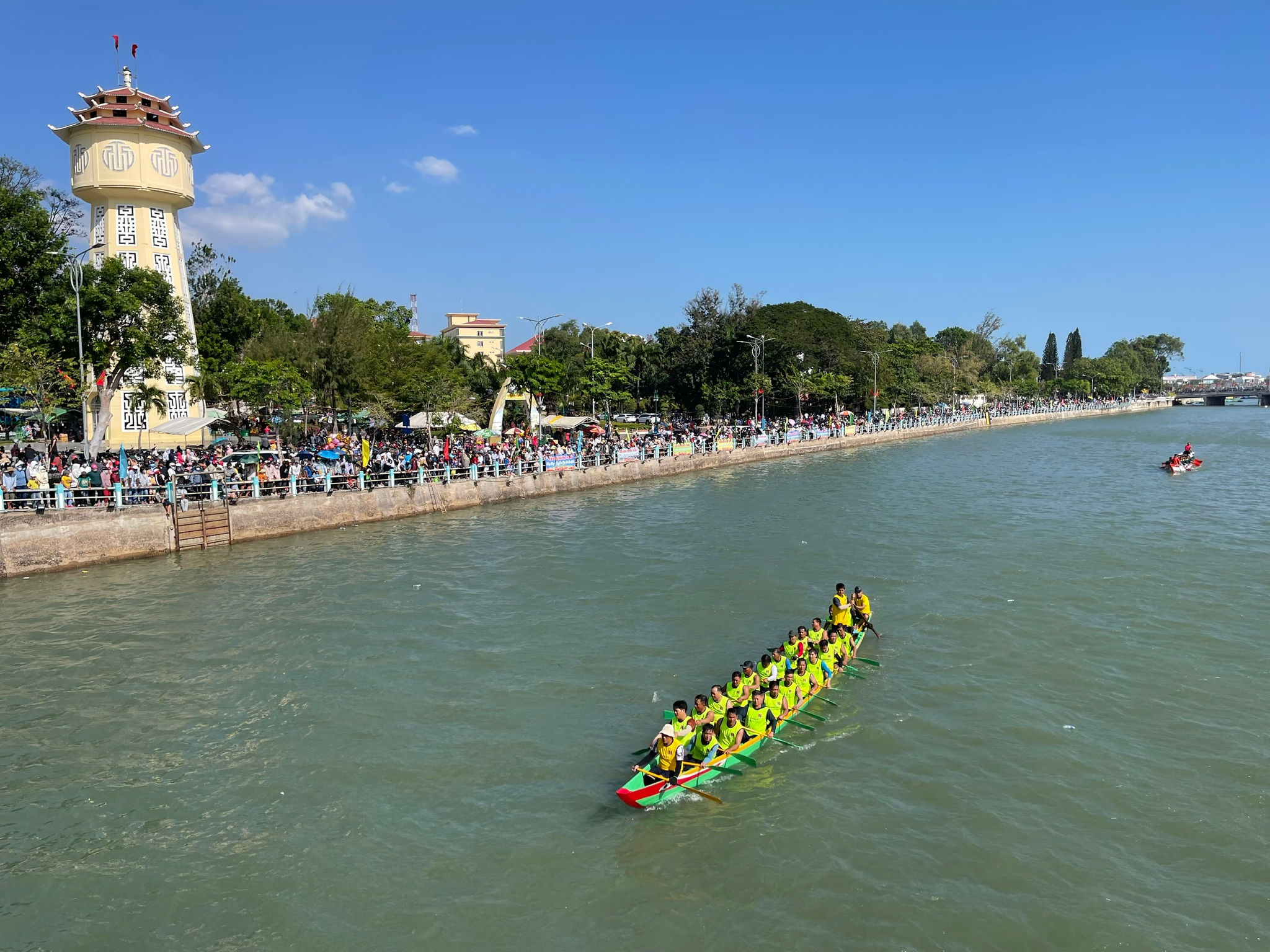
A Distinctive Maritime Culture
The southeastern part of Lam Dong Province has a 192-kilometer coastline, offering exceptional natural advantages. From Tuy Phong and Phan Thiet to Ham Thuan Nam and La Gi, coastal communities have nurtured a rich maritime culture shaped by generations of life at sea. Among the region's most distinctive traditions is the Whale Worship Belief, a unique folk belief deeply rooted in the lives of local fishermen.
Several whale temples and communal shrines have stood for centuries, including Thuy Tu Shrine (established in 1762 and recognized as a National Historical and Cultural Relic in 1996), An Thanh Shrine on Phu Quy Island (1781), and Thach Long Shrine in Phan Thiet (1795).
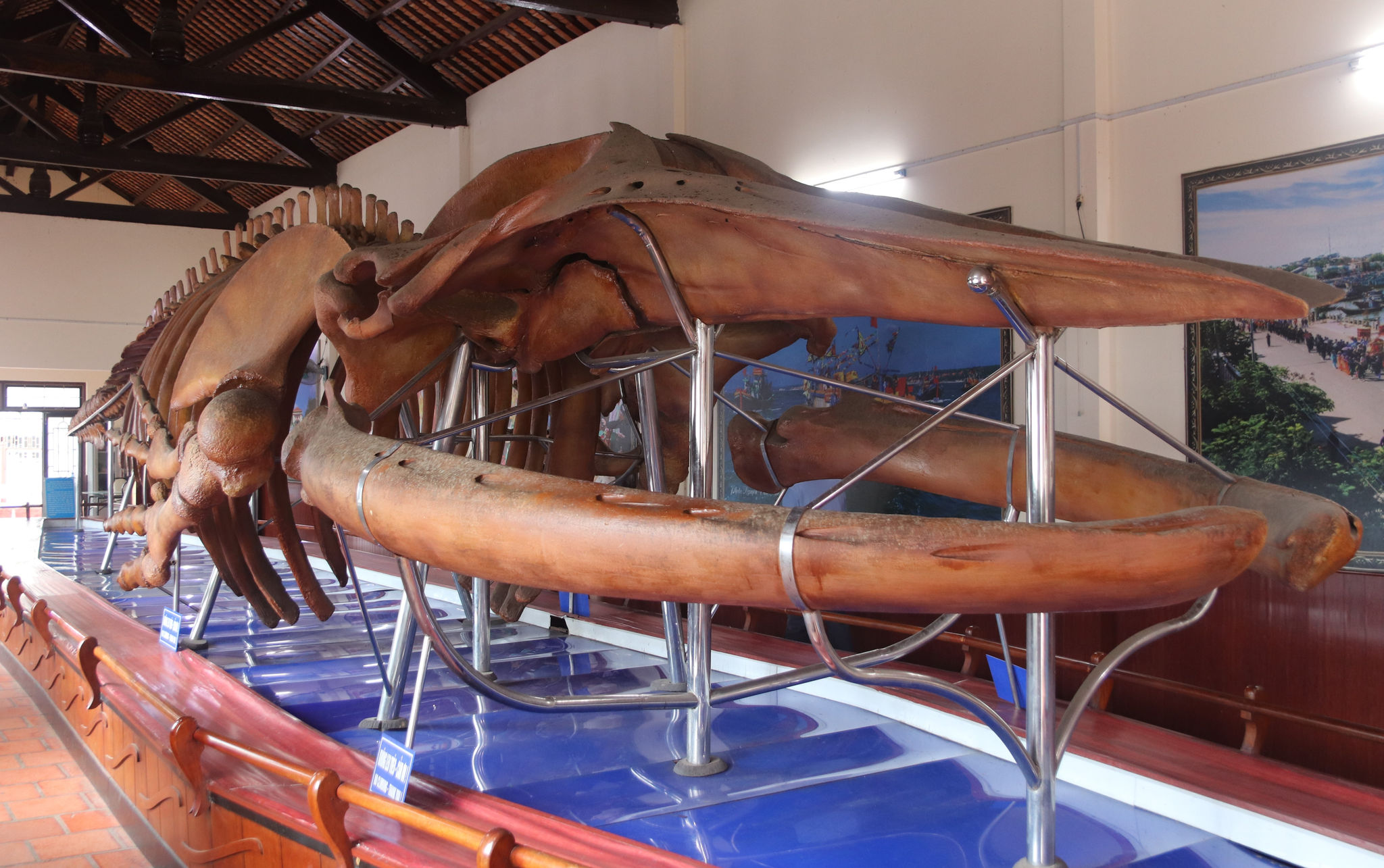
Among them, Thuy Tu Shrine preserves an invaluable collection of Han-Nom cultural heritage, including 24 royal decrees issued by Nguyen Dynasty emperors, nearly 100 whale skeletons and other cetacean specimens, more than half of which are estimated to be between 100 and 150 years old.
Every year during the Cau Ngu (Whale Worship) Festival, fishermen gather at the whale shrines to perform traditional rituals praying for favorable weather, abundant catches and safe voyages. More than expressions of folk belief, these ceremonies embody coastal communities' enduring aspiration to conquer the sea and their strong spirit of solidarity.
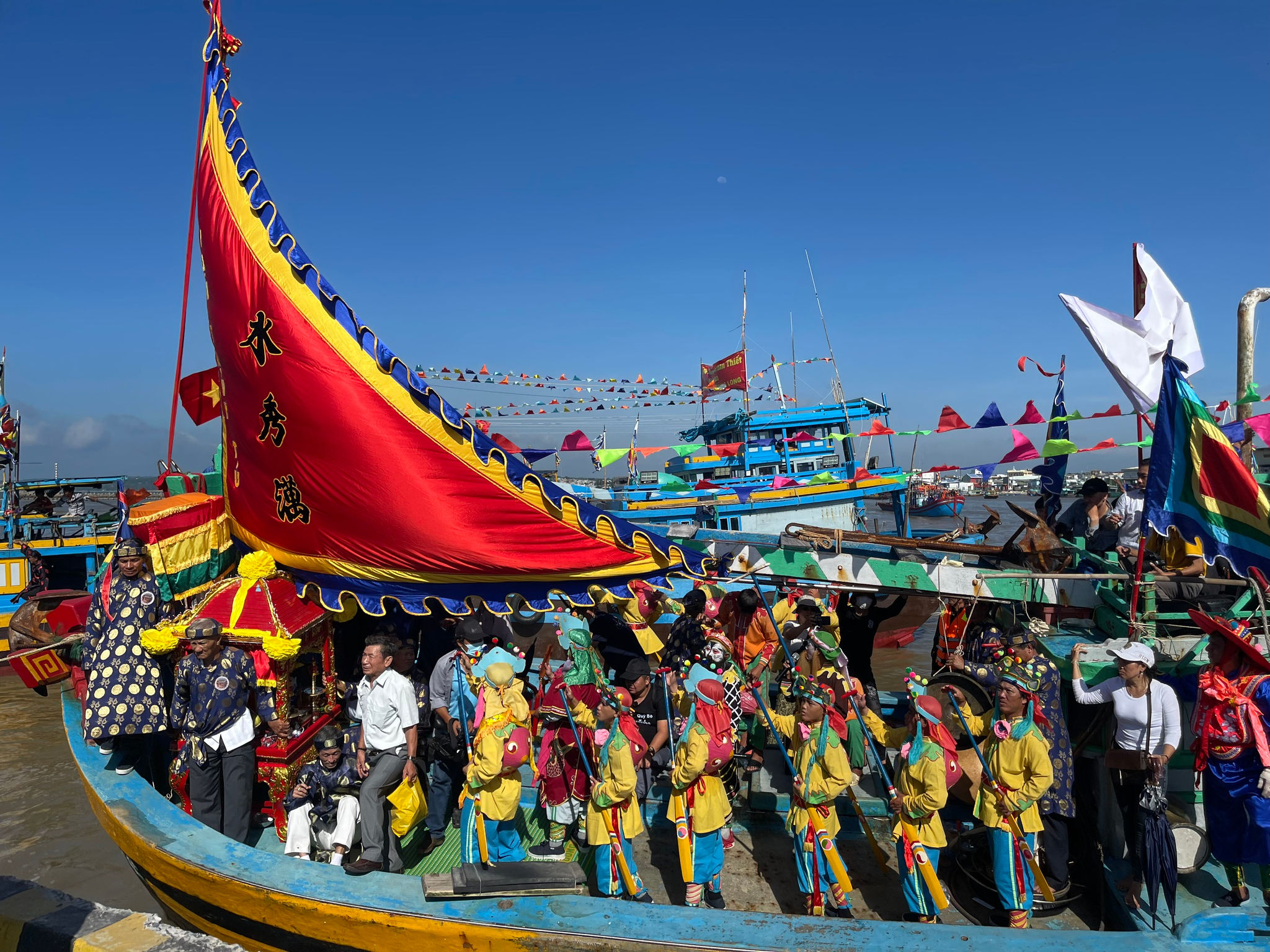
Beyond festivals, many traditional coastal occupations also reflect the region's distinctive cultural identity. Fish sauce production in Phan Thiet, dried seafood processing, traditional boat building and net weaving all demonstrate how generations of local residents have adapted to the marine environment.
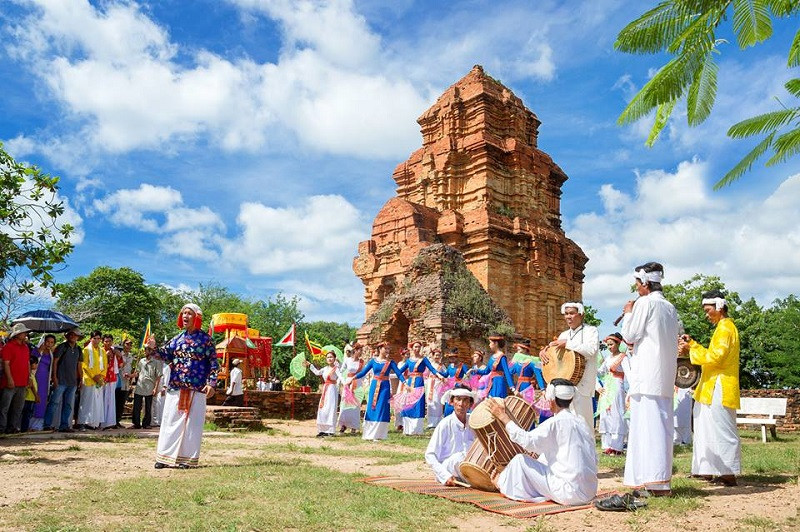
The area's Cham cultural heritage further enriches its tourism potential. Historic sites, together with traditional festivals such as Kate and Ramuwan, as well as pottery-making and traditional weaving villages, contribute additional cultural depth to Lam Dong's tourism offerings.
Ensuring Local Communities Benefit
Despite possessing an impressive cultural heritage, coastal tourism has long focused primarily on natural attractions.
Many visitors stay for extended periods—sometimes one to three months—but their activities generally revolve around beach holidays, sightseeing and recreational services. Tourism products centered on maritime culture remain relatively limited.
Drawing on decades of experience in the tourism industry, Hoang Cong Dinh, Director of Dima Tour Import-Export, Trading and Tourism Co., Ltd. in Mui Ne Ward, said:
"Lam Dong's coastline has established itself as a renowned resort destination on both Vietnam's and the international tourism map. However, traditional fishing villages have yet to become compelling tourist attractions because community-based experiences remain fragmented and lack systematic investment. Unlocking the full potential of maritime cultural heritage requires coordinated investment in infrastructure, environmental protection, human resources and the development of distinctive local tourism products."
The company believes local authorities should encourage artisans and fishermen to participate directly in tourism, becoming storytellers who share their firsthand knowledge of the sea with visitors.
At the same time, digital technologies should be applied to promote cultural heritage through multimedia content that reaches wider audiences.
Representative of Hoang Ngoc Beach Resort and Saigon Mui Ne Hotel & Tourism Joint Stock Company also emphasized that coastal communities must be placed at the heart of heritage conservation and tourism development.
Experiential tourism programs should be professionally designed with active participation from local residents.
Activities such as joining fishermen to haul in their nets at sunrise, visiting early morning fish markets, learning traditional fish sauce production, preparing seafood dishes or listening to stories about whale worship would provide visitors with meaningful cultural experiences.
When local people generate income from traditional occupations, cultural interpretation and tourism activities, they gain stronger motivation to preserve the heritage that defines their homeland.
Representative of Hoang Ngoc Beach Resort and Saigon Mui Ne Hotel & Tourism Joint Stock Company
Transforming Heritage into Tourism Products
Tourism trends are evolving rapidly.
Today's travelers seek more than scenic destinations—they increasingly value authentic local lifestyles, cultural immersion and community-based experiences.
Following the recent administrative restructuring, Lam Dong now has greater opportunities to develop integrated tourism products linking the Central Highlands with the coast while combining ecotourism, agricultural tourism, maritime heritage and the unique culture of the Cham people.
Alongside continued investment in tourism infrastructure and resort development, identifying and developing heritage-based tourism models has become an increasingly important strategic direction.
According to Dr. Hoang Thi Binh, Deputy Director of the Vietnam Institute of Culture, Arts, Sports and Tourism, local cultural agencies continue to face significant challenges.
"Field surveys indicate that many district and commune cultural offices operate with limited staff while handling multiple responsibilities simultaneously. Funding for cultural heritage preservation and community cultural activities also remains limited, placing considerable pressure on grassroots cultural officials."
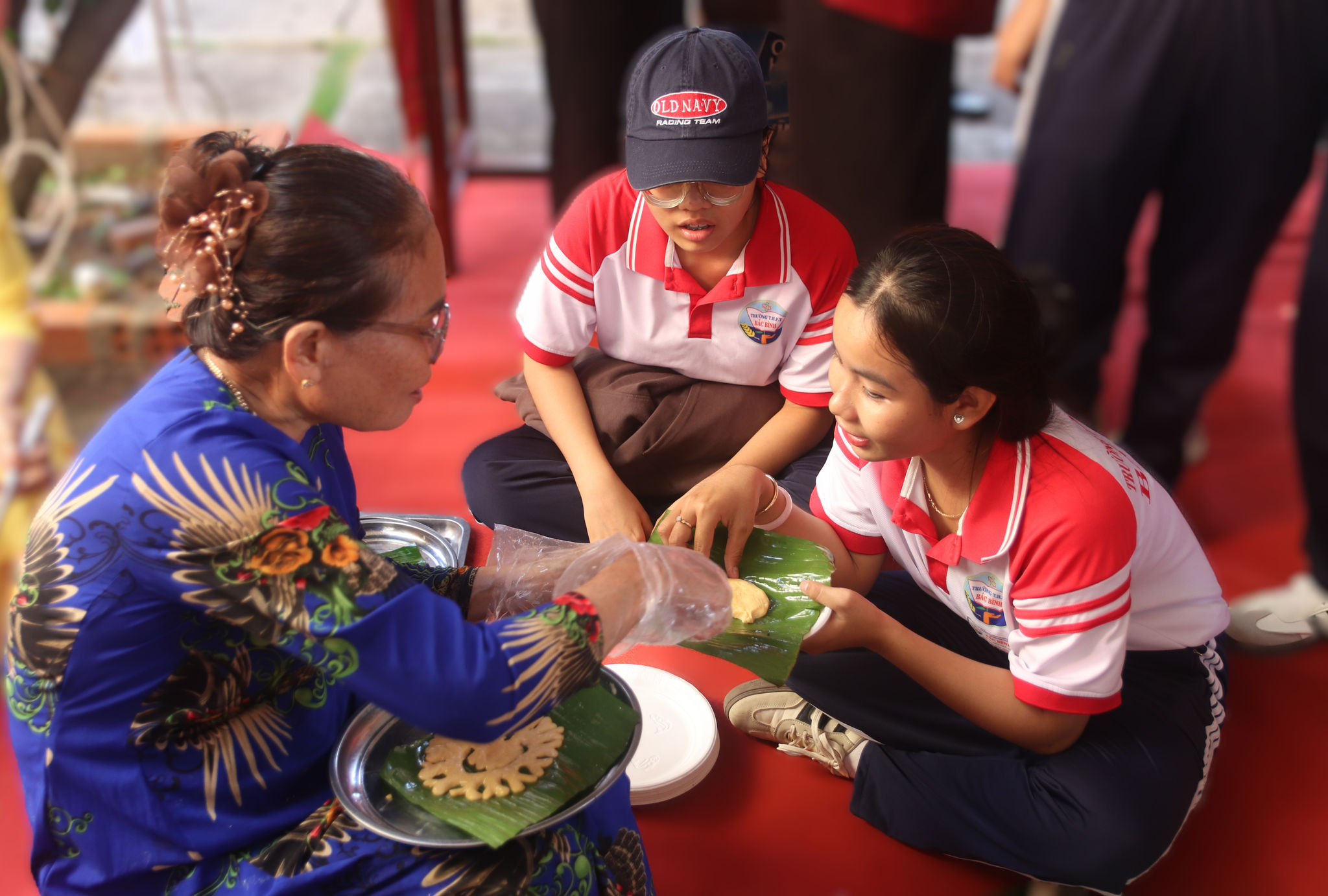
Nevertheless, Dr. Binh noted that local governments are now operating under increasingly favorable conditions as Vietnam continues to strengthen its legal framework, policies and institutional mechanisms for cultural development, providing a stronger foundation for local implementation.
In particular, under the two-tier local government model, commune-level administrations are playing a more active role as the government level closest to residents, enabling them to better understand community needs and organize cultural activities suited to local socio-economic conditions.
These advantages are expected to help unlock the full potential of Lam Dong's maritime cultural heritage, creating distinctive tourism experiences while supporting the province's long-term ambition of welcoming millions of visitors each year.
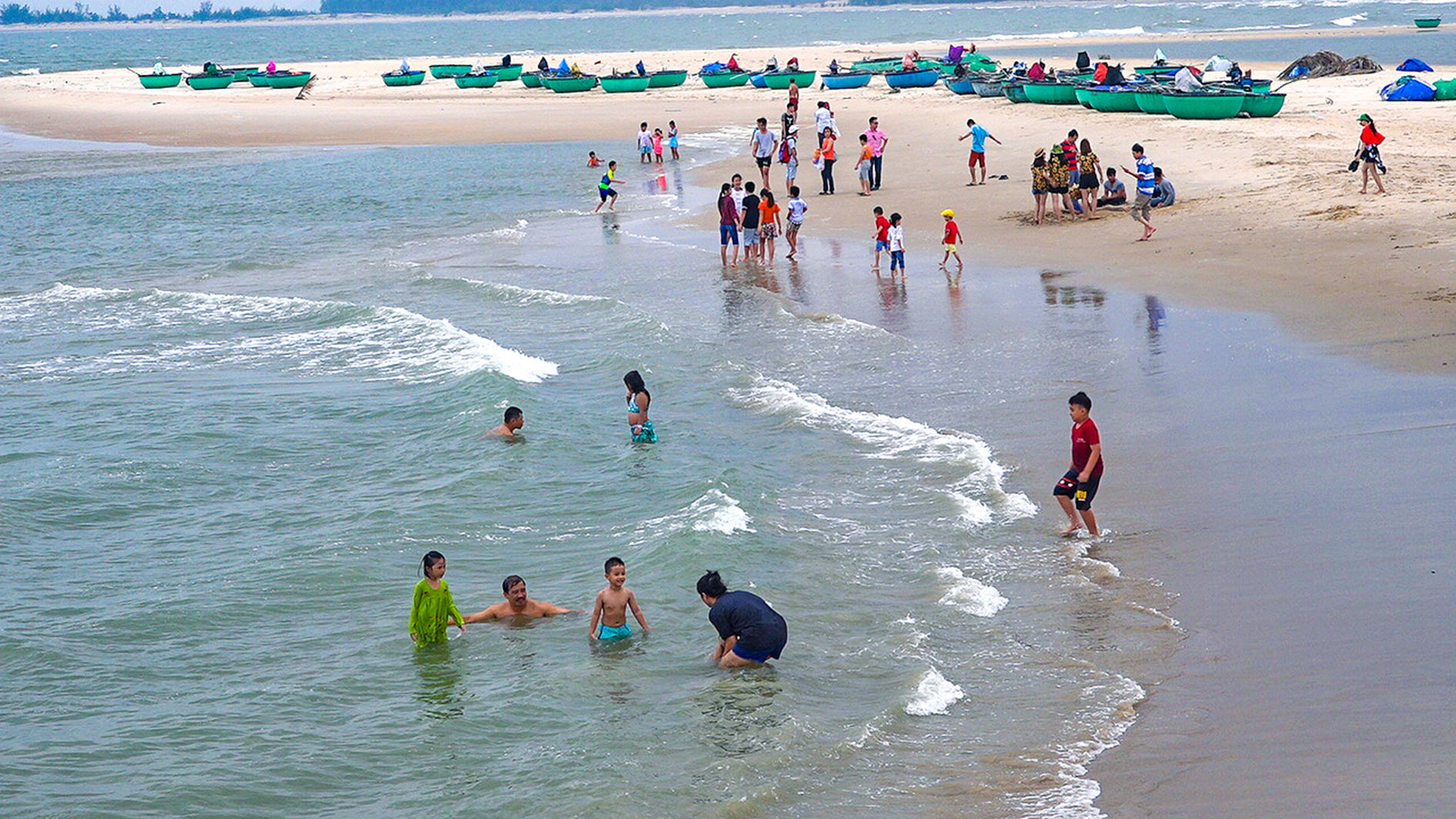
The southeastern region of Lam Dong is home to more than 300 historical, cultural and scenic heritage sites that have been surveyed, evaluated and catalogued by the provincial Department of Culture, Sports and Tourism. Among them, 28 sites have been recognized as national relics, while 55 are designated provincial-level heritage sites.