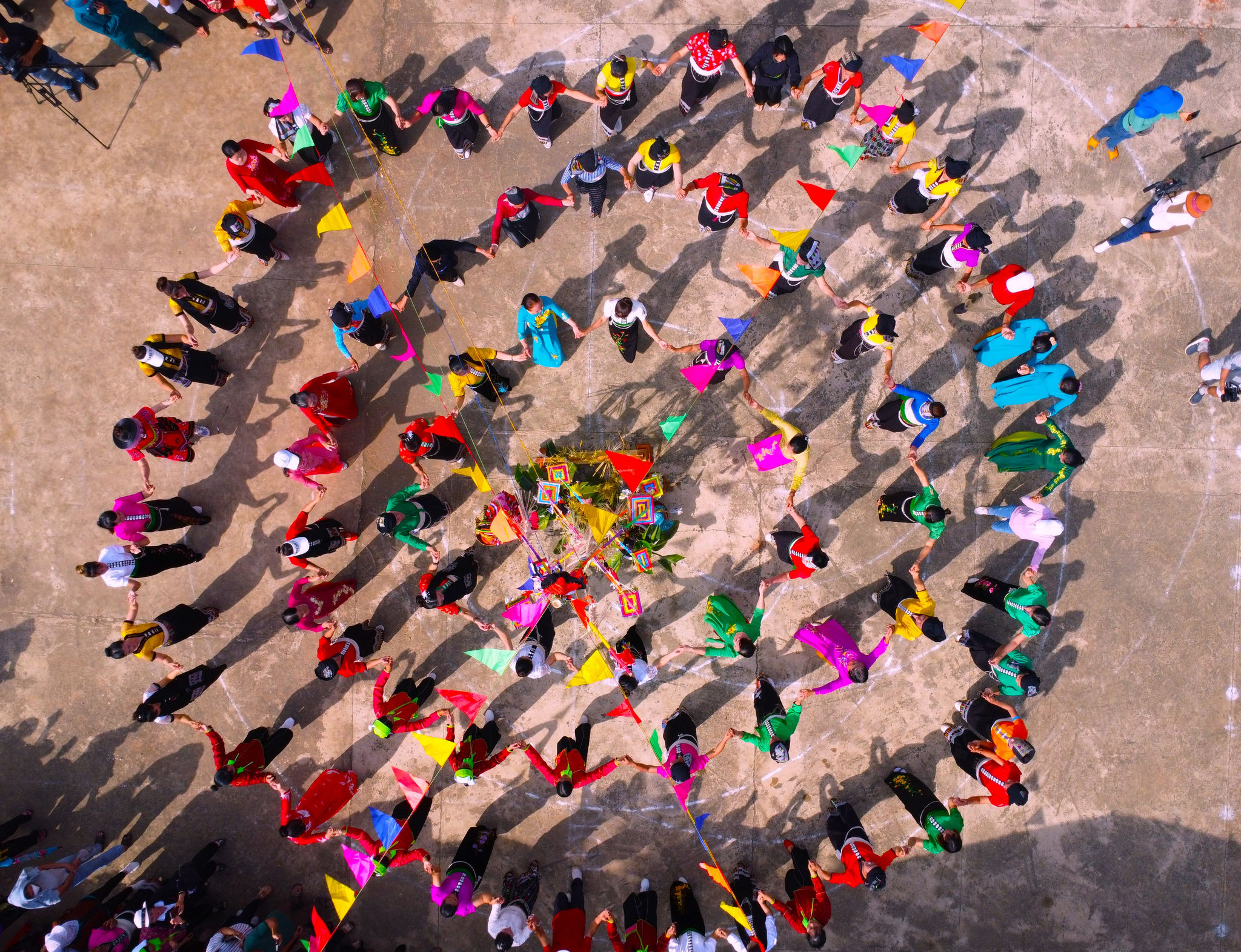


Rhythms of Ethnic Dance in Lam Dong
Amid the vast forests of Lam Dong, traditional dances of the Mnong, Ma, Thai, Mong and other ethnic communities move in harmony with the sounds of gongs and “khen” flutes, creating vibrant festival scenes rich in cultural identity.
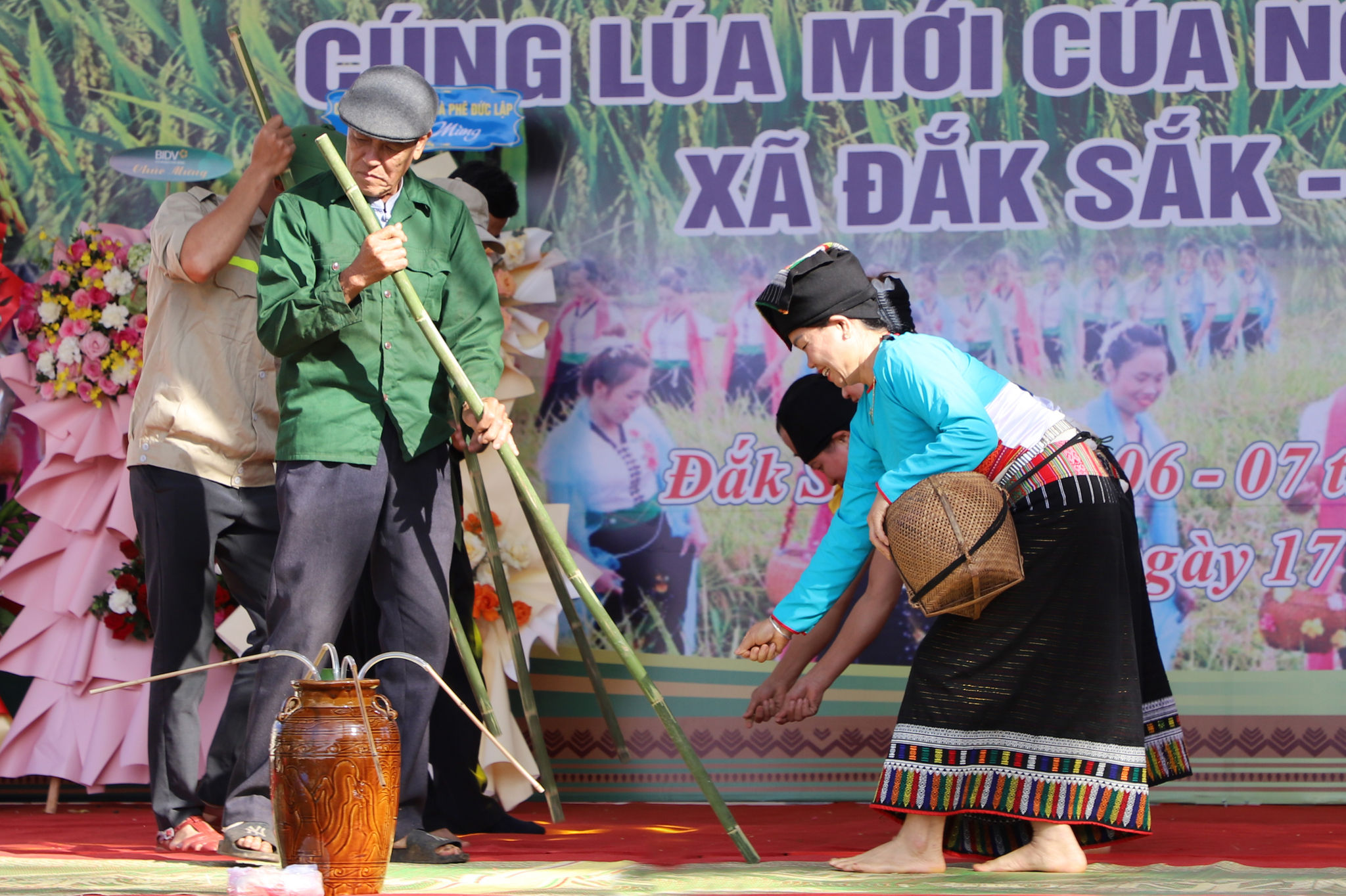
When the gongs resonate through the mountains, dance circles open up a distinctive cultural space for ethnic communities.
In the flickering firelight of festivals, steady footwork and graceful arm movements blend with the sounds of traditional instruments, forming a shared language that connects people with one another and with nature.
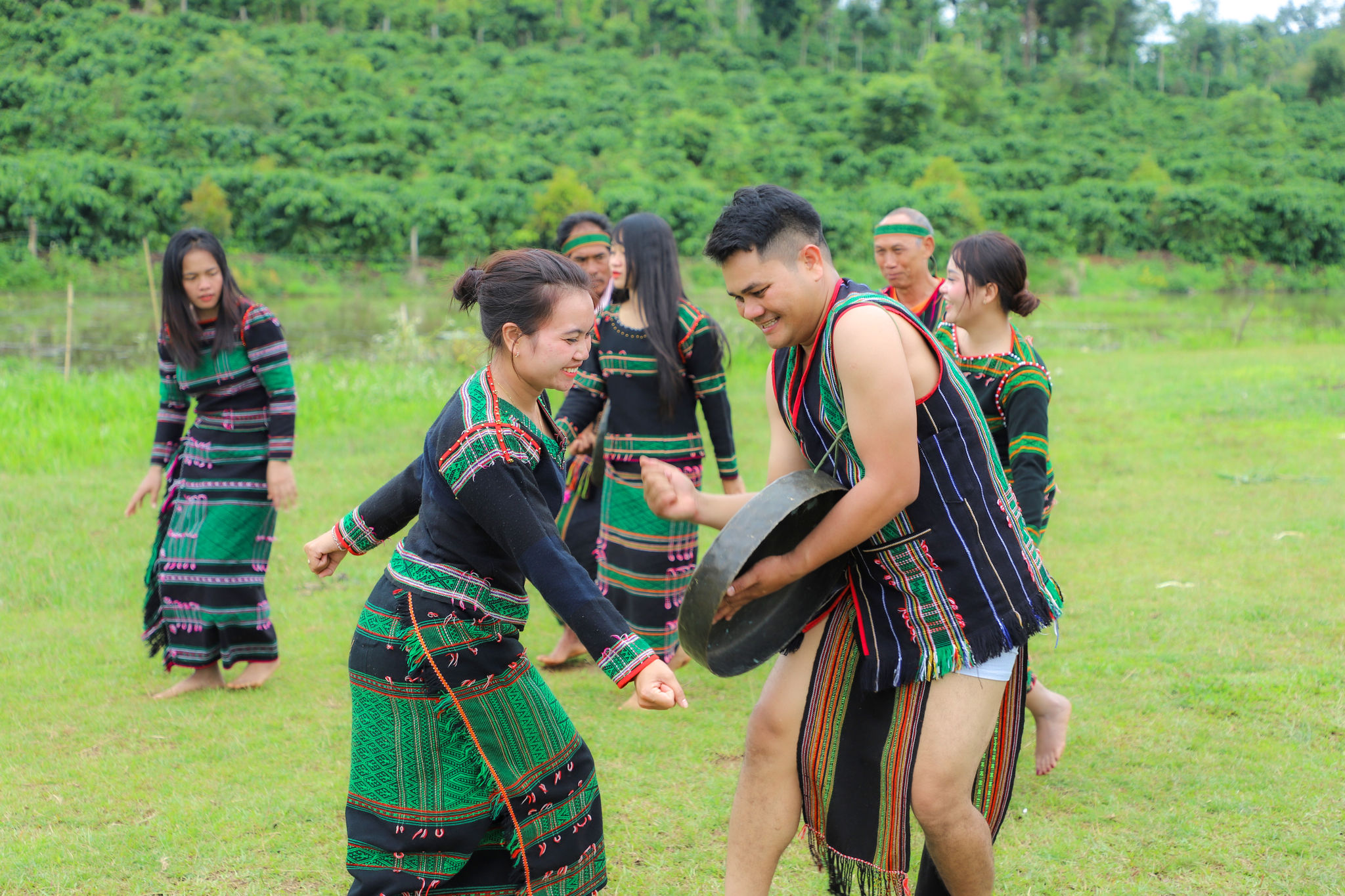
For the Mnong people, dance is not merely an art form but a means of cultural communication. Daily-life dances, ritual dances, spiritual performances and collective dances are often associated with "xoang" circles around the fire, the ceremonial pole or festival grounds.
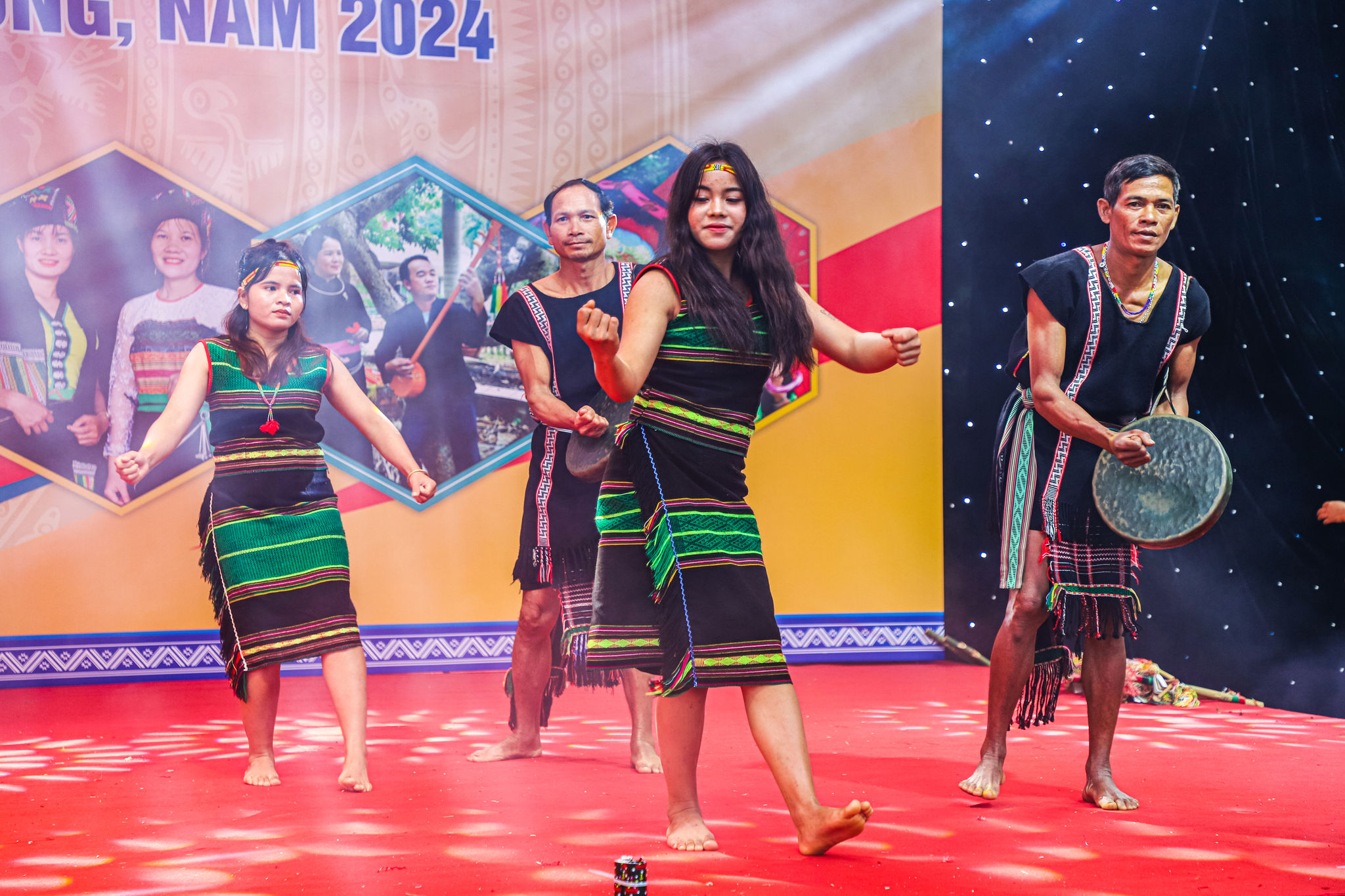
Strong, rhythmic movements synchronized with gongs, drums and “khen” flutes recreate scenes of labor, hunting and upland farming, while expressing hopes for abundant harvests and peaceful villages.
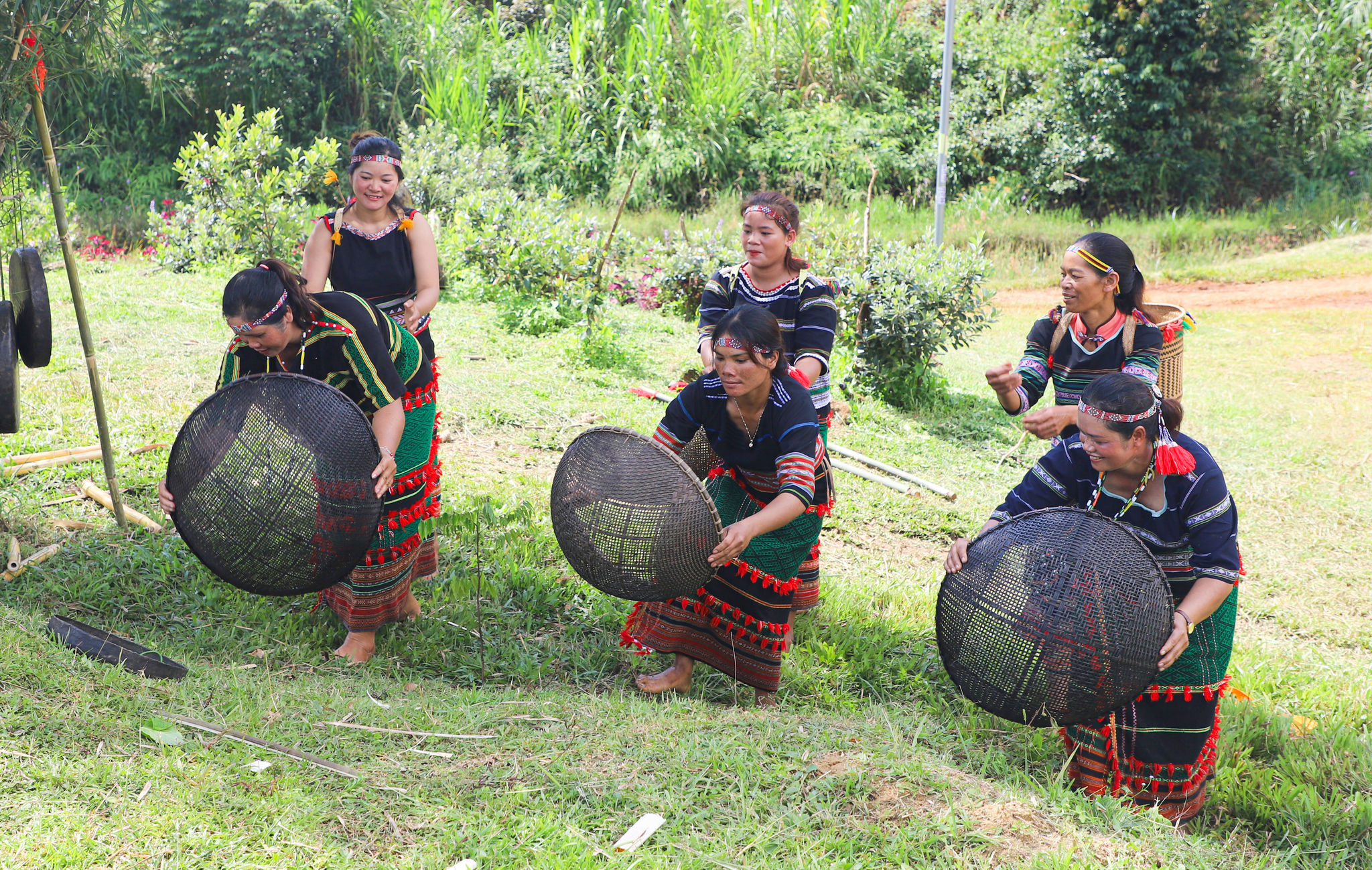
Meanwhile, Ma dances convey a quieter, more contemplative beauty, reflecting a way of life closely tied to the forests and mountains.
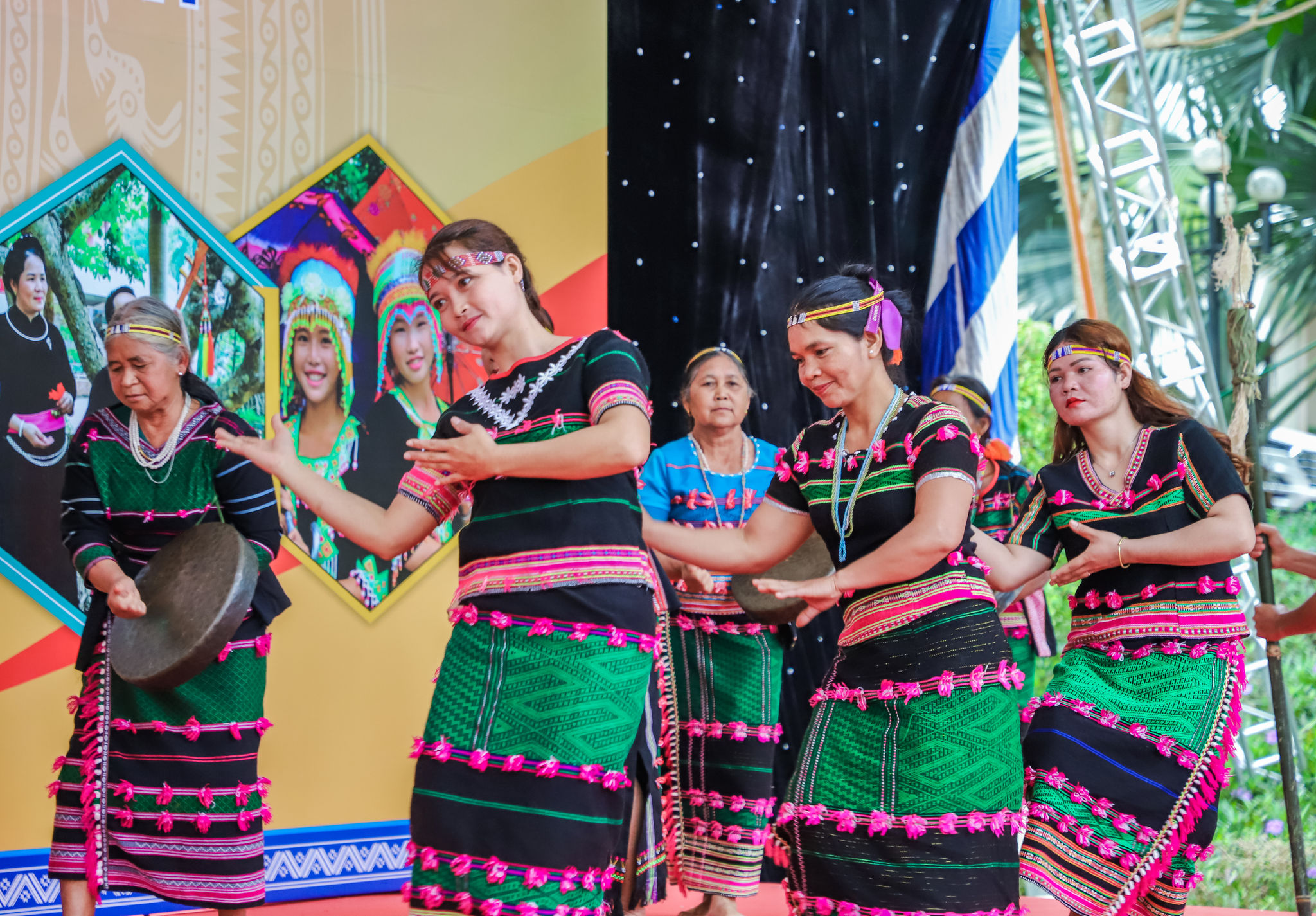
Slow, fluid steps combined with traditional brocade costumes create a festive atmosphere that is both sacred and intimate. Each hand gesture and measured step embodies a philosophy of harmony with nature and respect for deities and the community.
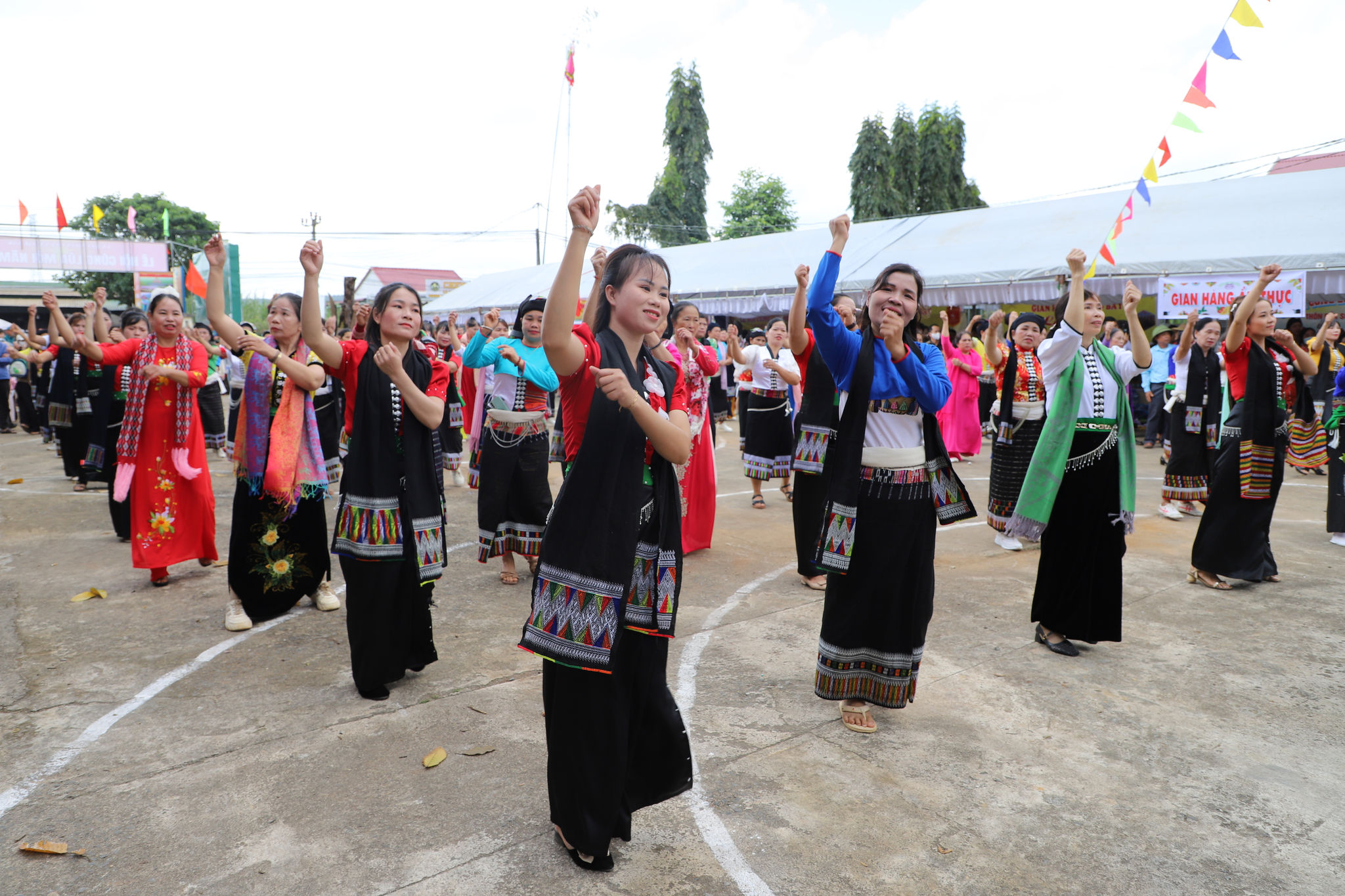
For the Thai people, “xoe” dances are considered the soul of festivals. Expanding circles and hands clasped hand in hand symbolize unity, solidarity and mutual sharing within the community.
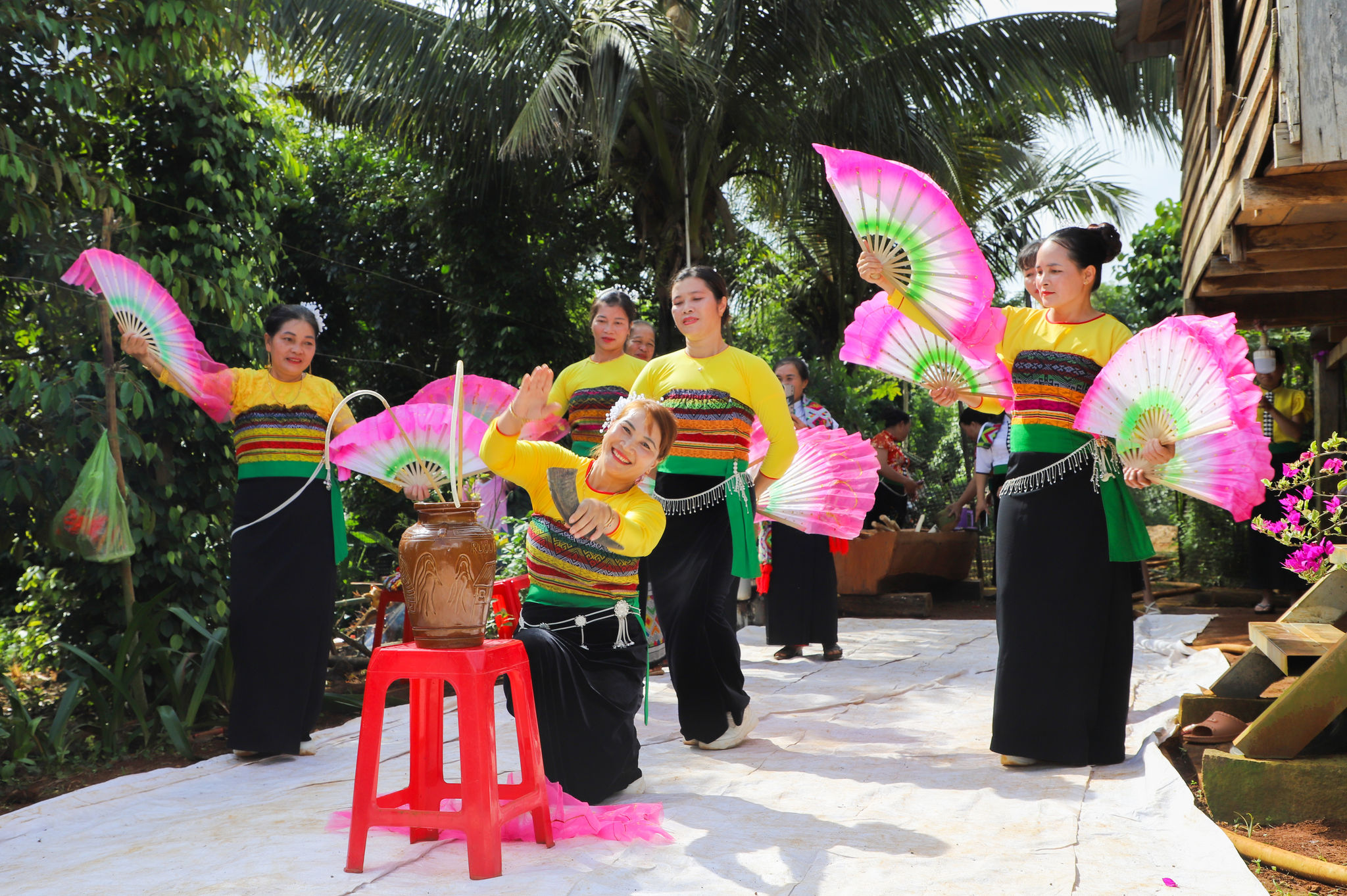
Among the Mong, “khen” dances stand out for their strength and free-spirited character. The resonant sound of the “khen” flute echoes through the mountains, accompanied by decisive movements that express a yearning for freedom, a love of life and deep ethnic pride.
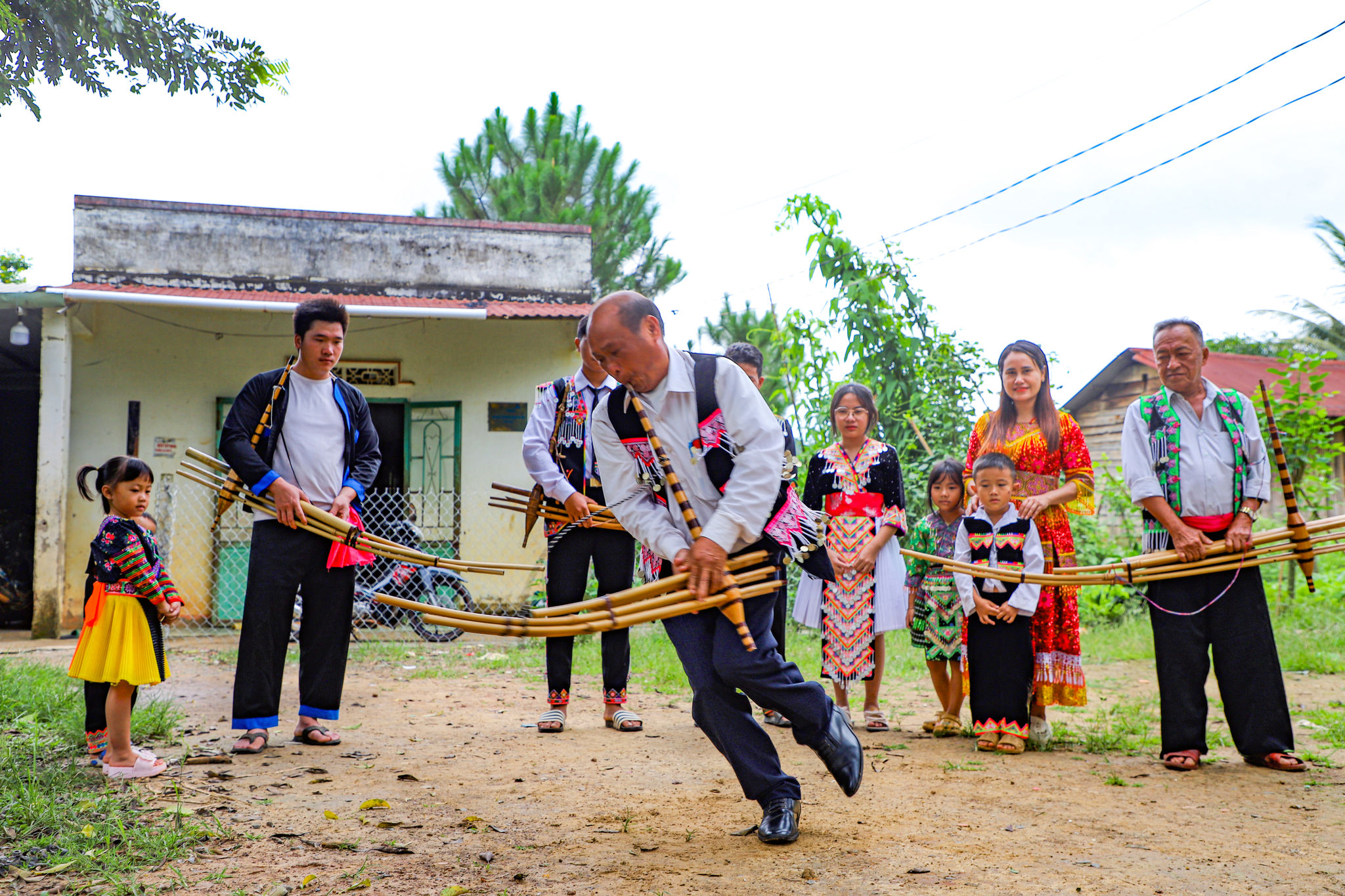
From the powerful “xoang” dances of the Mnong, the calm and depth of Ma dances, the warm, inclusive “xoe” circles of the Thai, to the expressive “khen” dances of the Mong—each form carries a distinctive narrative of daily life, labor, belief, and aspiration, deeply interwoven with the unique identity of each ethnic group.
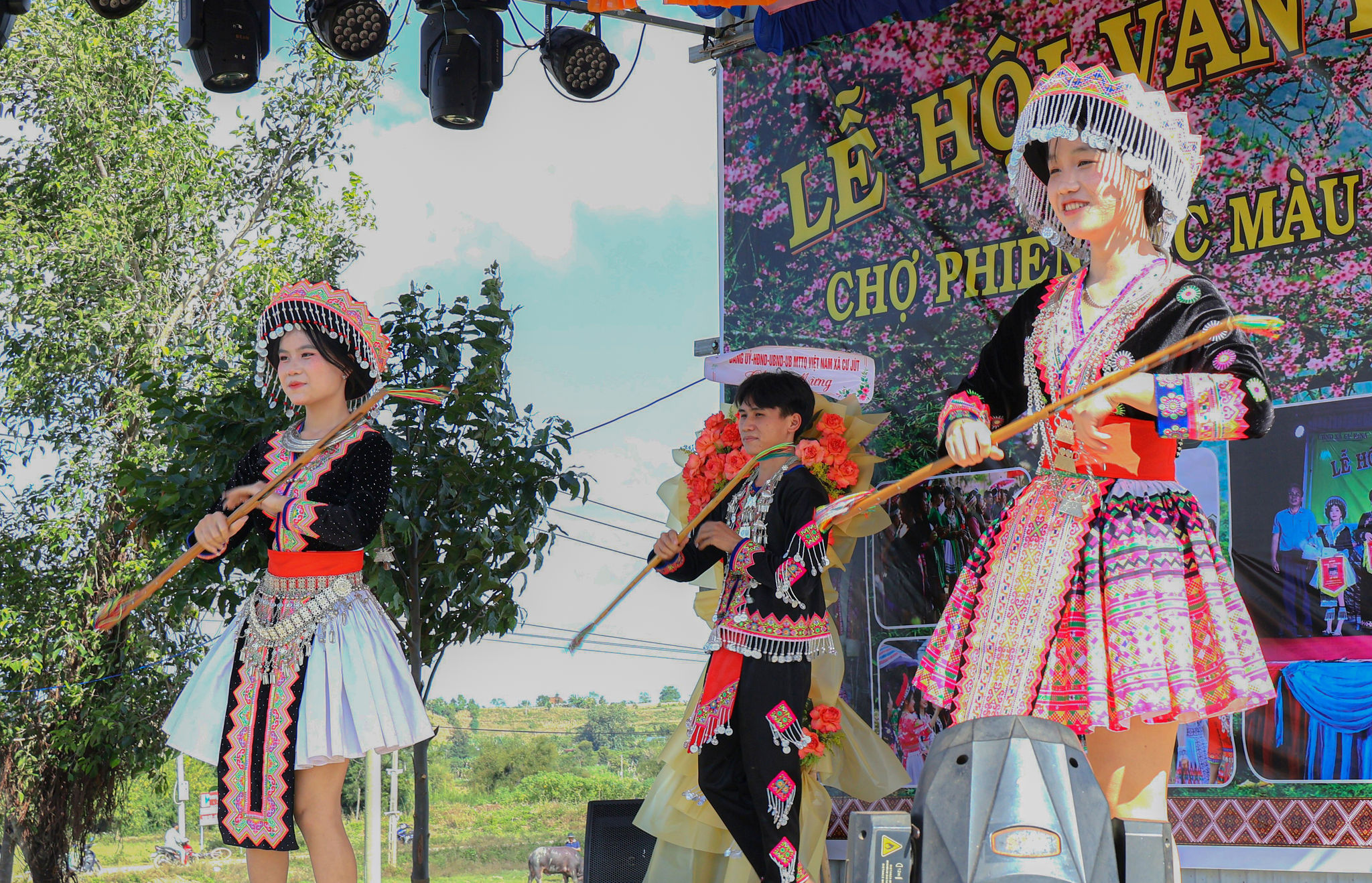
Today, beyond traditional rituals, many folk dances have been incorporated into community cultural activities, local festivals and cultural exchange and promotion programs.
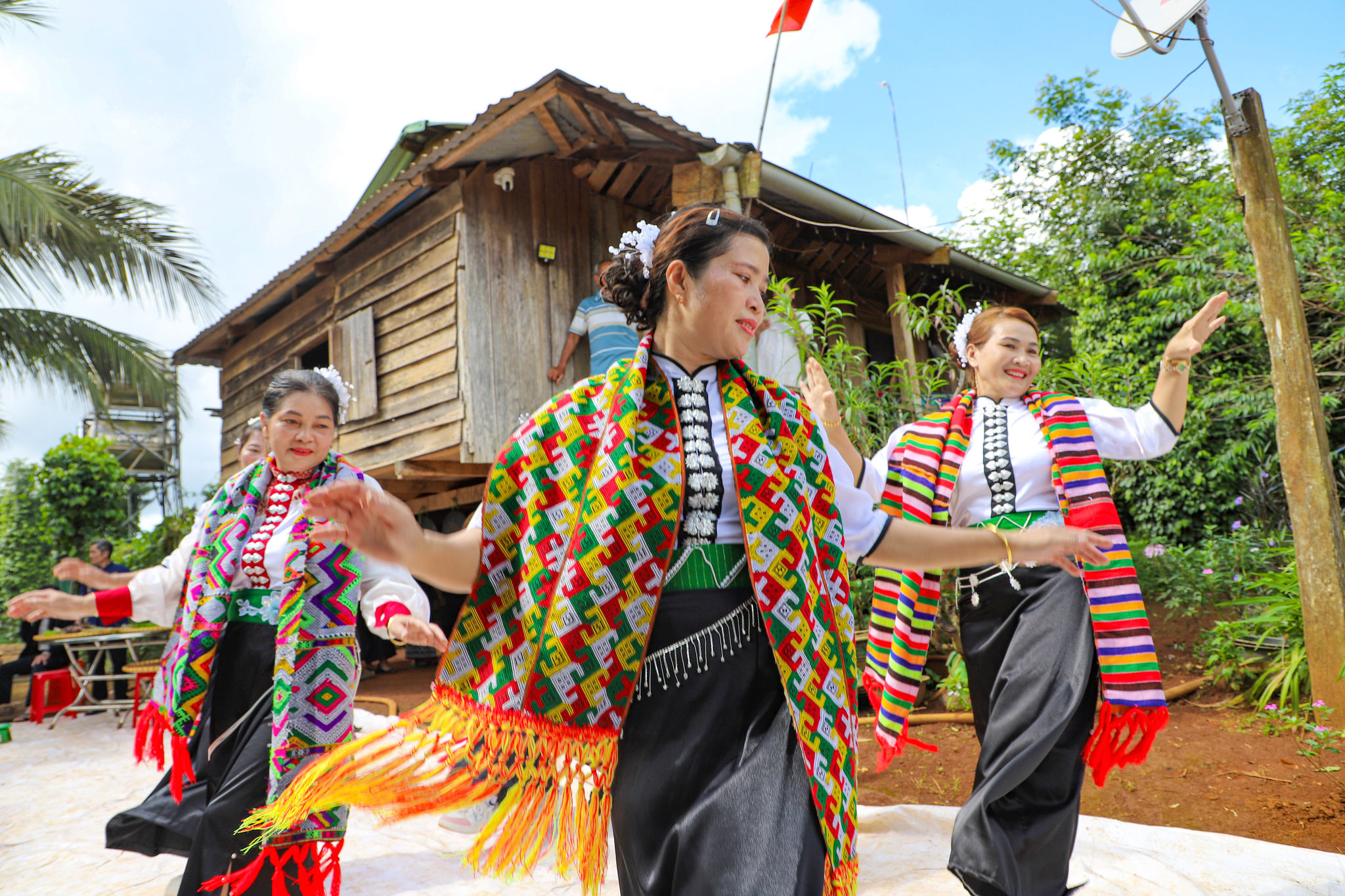
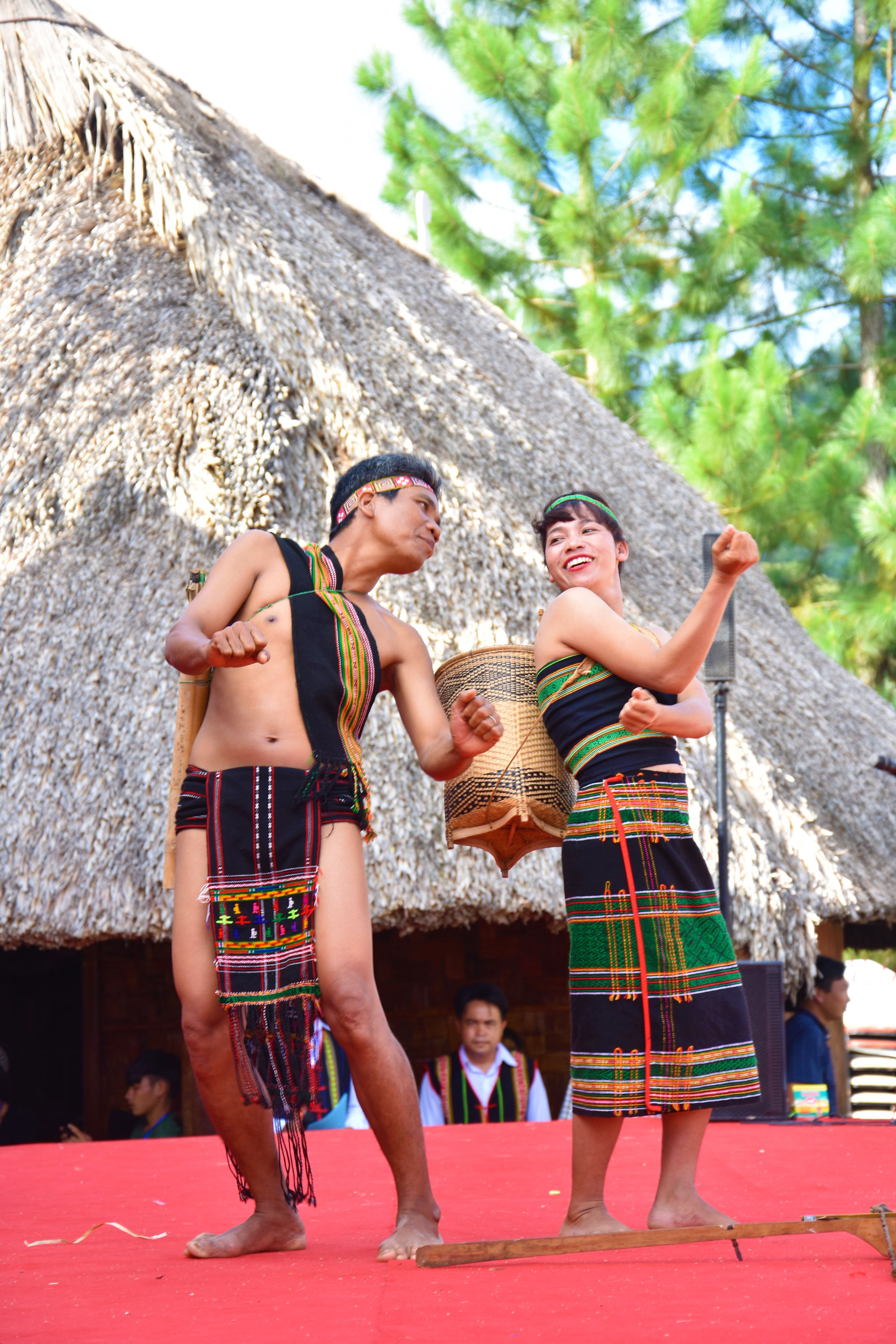
The preservation, restoration and transmission of these dances not only help safeguard ethnic cultural identities but also enrich the distinctive appeal to the cultural life of the Central Highlands—allowing the rhythms of the great forests to continue resonating through time.