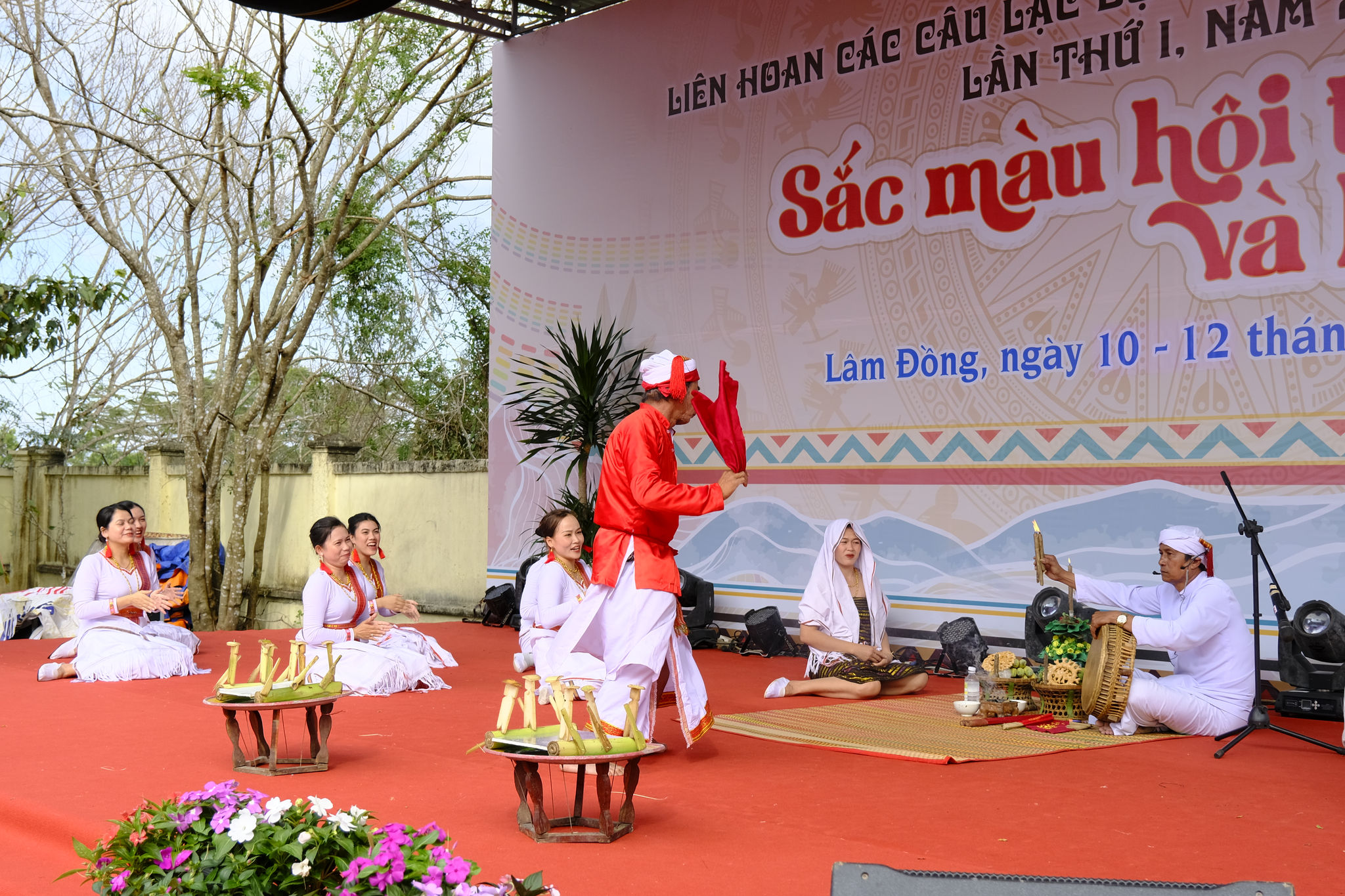

Rija Nagar – The Cham Community’s Prayer-for-Peace Ritual in Bac Binh, Lam Dong
The Rija Nagar (Prayer-for-Peace Ceremony) of the Cham people in Bac Binh Commune, Lam Dong Province, is a representative folk ritual reflecting a distinctive belief system, aspirations for favorable weather, and a strong sense of community cohesion preserved through generations.
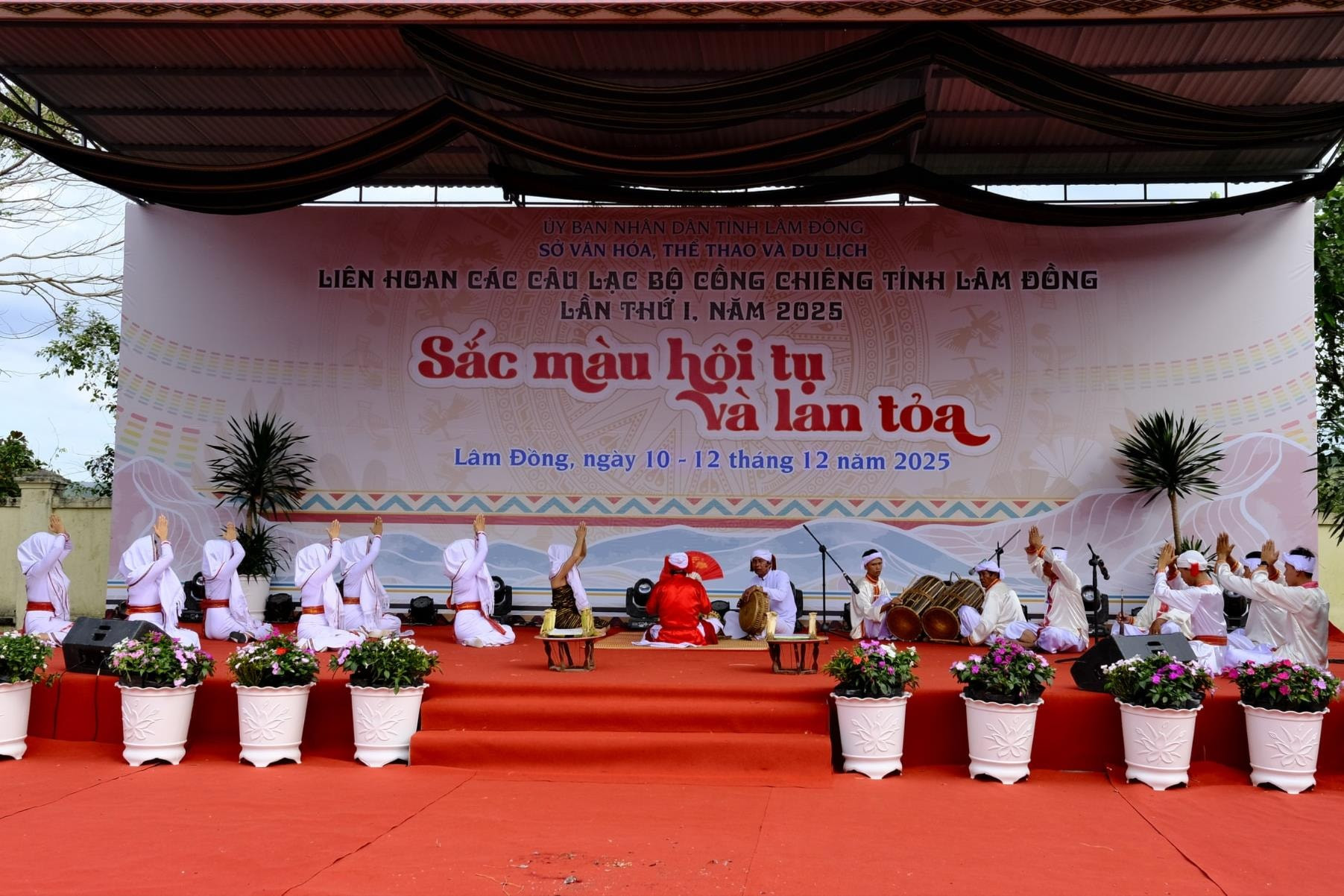
A Sacred Ritual in Cham Cultural Heritage
Within the rich cultural heritage of the Cham people, the Prayer-for-Peace Ceremony holds a particularly important position among the community in Bac Binh Commune.
Beyond its spiritual significance, the ritual serves as a vibrant space where traditional cultural and artistic values converge, enriching the spiritual life of the community.
The ceremony is usually held in the first month of the Cham calendar, corresponding to around May in the Gregorian calendar. This transitional period between the dry and rainy seasons is considered sacred, marking the renewal of nature and the beginning of a new agricultural cycle.
.png)
This is also an occasion for the people of Palei village to reunite, reaffirm shared beliefs, and strengthen community bonds.
Ritual Preparations and Sacred Offerings
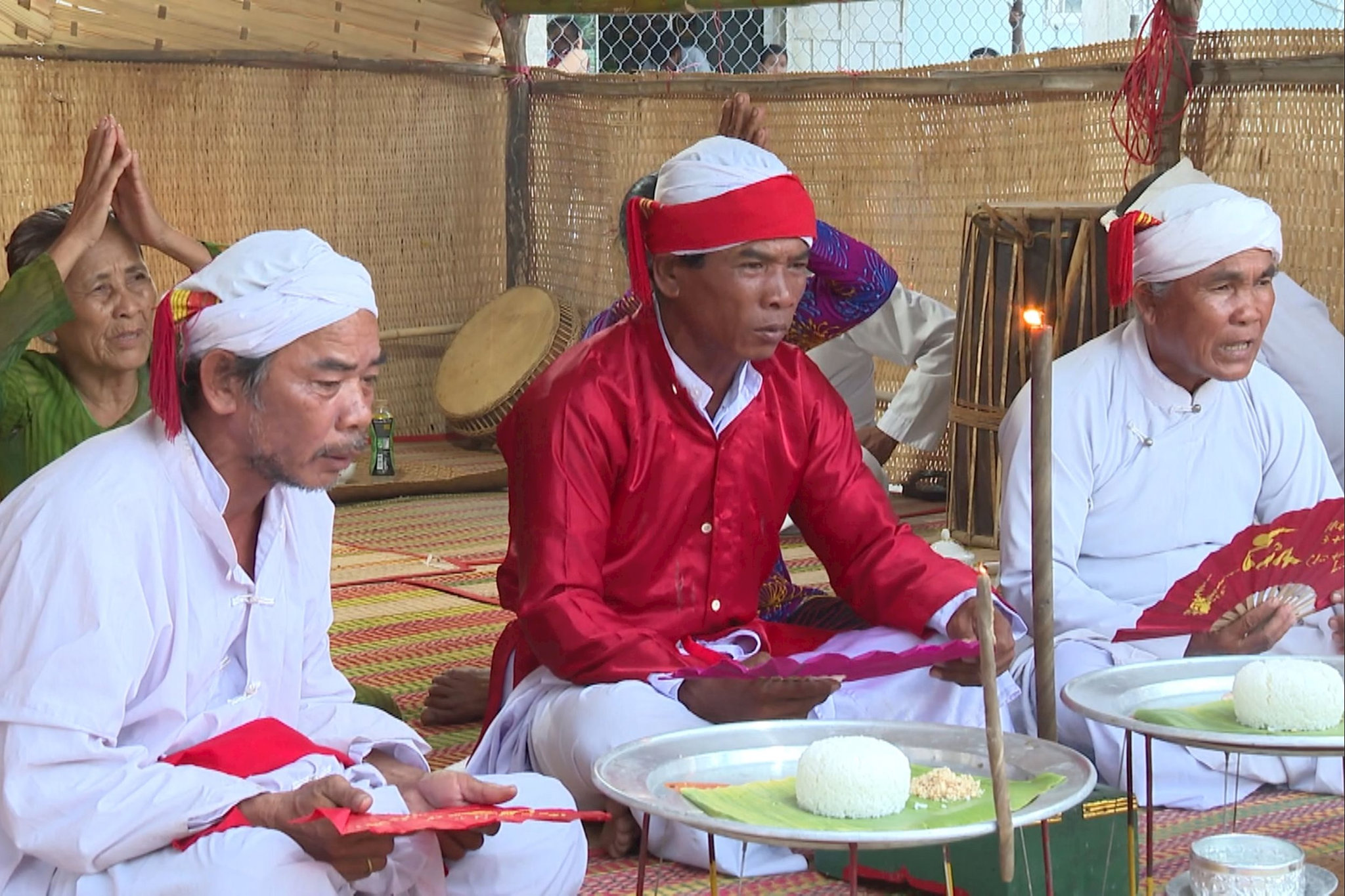
Preparations for the ceremony are carried out with great care. On the first day, offerings include rice and soup, braised and grilled fish, traditional cakes, betel and areca nuts, tea, wine, salted eggs, and other items to invite the Mountain Deities and Sea Deities to bear witness.
On the following day, a goat-offering ritual is performed to present offerings to the Supreme Deity, praying for protection and blessings for the entire community.
.jpg)
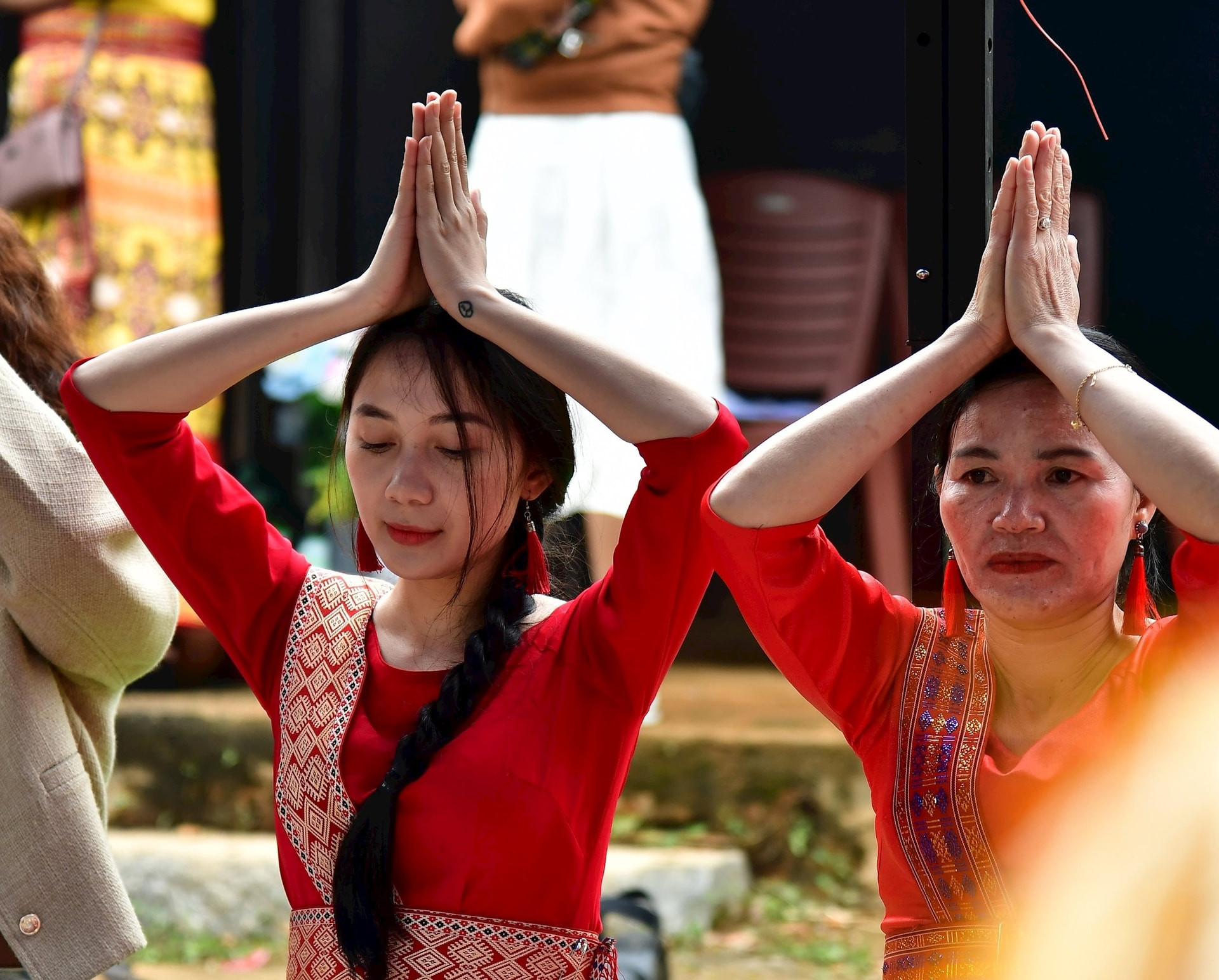
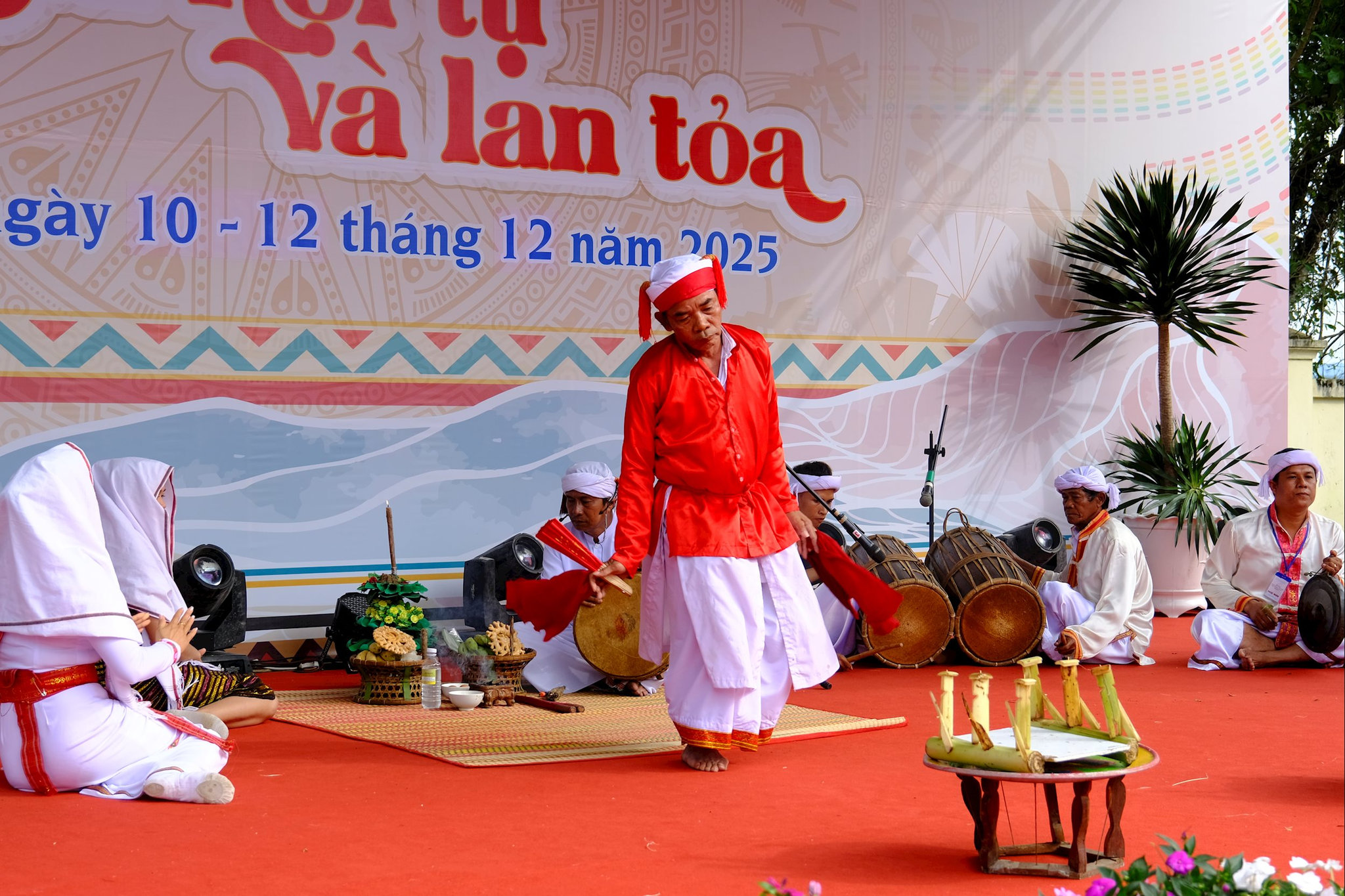
The ceremony opens with a prayer ritual. The chief priest beats the Baranâng drum and chants invocations to invite the land goddess Po Ina Nagar to descend, witness the ritual, and receive the offerings.
In an atmosphere of reverence, the Kaing ritual dancer unfurls a red fan before the ancestral altar, while villagers collectively clasp their hands, offering prayers for peace and prosperity.
Symbolic Ritual Dances
A defining highlight of the Prayer-for-Peace Ceremony is its system of symbolic ritual dances.
The Po Ina dance, with its slow and graceful rhythm, is performed as an offering to the Mother Goddess Po Ina Nagar. This is followed by the Po Dara dance, inviting the goddess Po Dara—daughter of Po Ina—to join the celebration and bestow blessings upon the village.
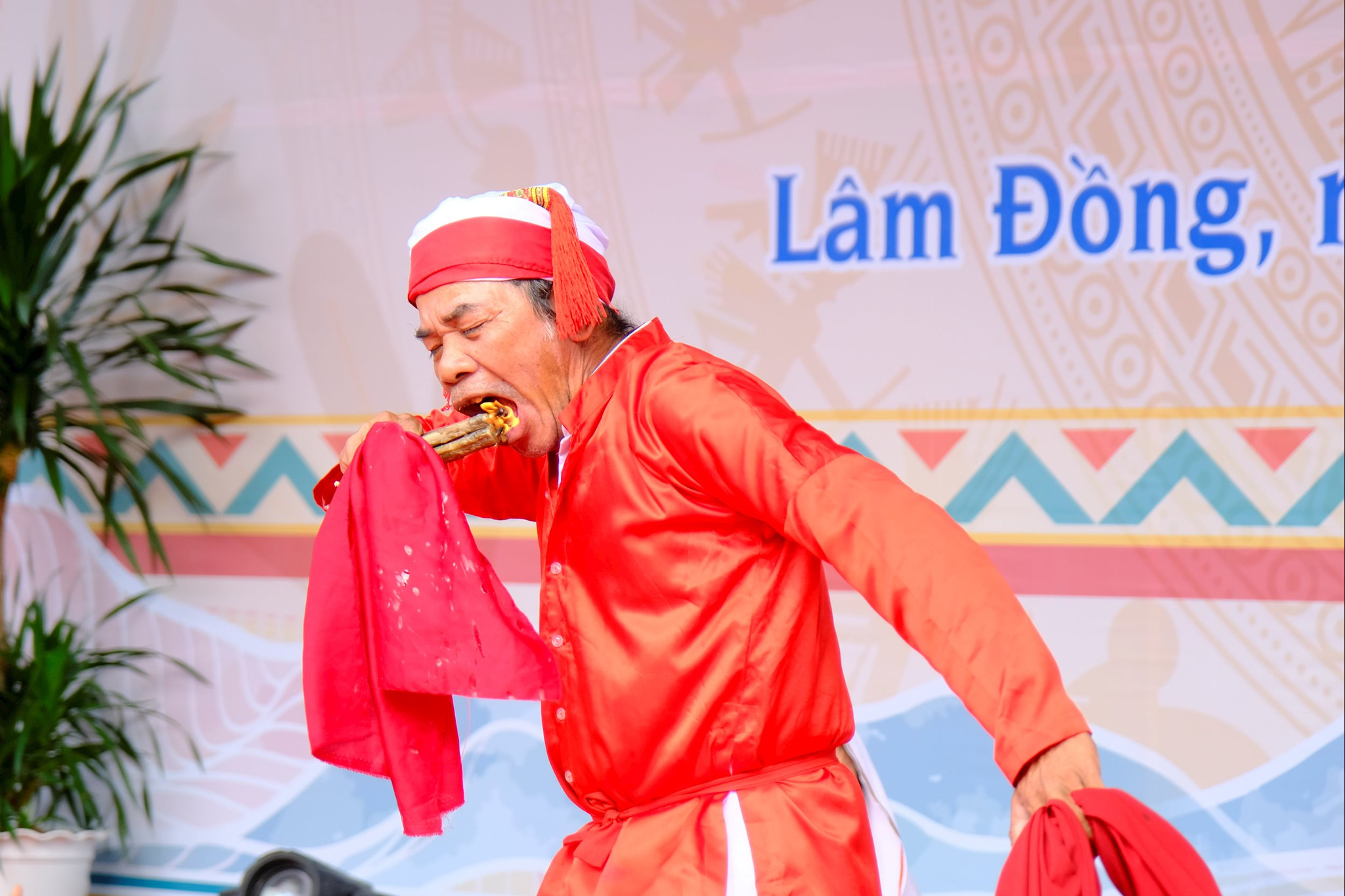
The Po Dara sequence concludes with the Katung dance, associated with inviting the Mountain Deity Po Bal Mâh.
Amid the echoing Baranâng drums and sacred chants, the Kaing dancer performs the dramatic act of biting glowing embers—symbolizing divine strength and the resolve to ward off evil and lingering misfortunes.
Fire-Stepping and Renewal
The ritual continues with the striking fire-stepping dance. As villagers cheer and drums resound, the Kaing dancer steps upon and extinguishes the glowing embers, embodying the community’s belief that the harsh drought has been driven away, opening the path to a peaceful and prosperous new year.
Fertility Dance and Ritual Closure
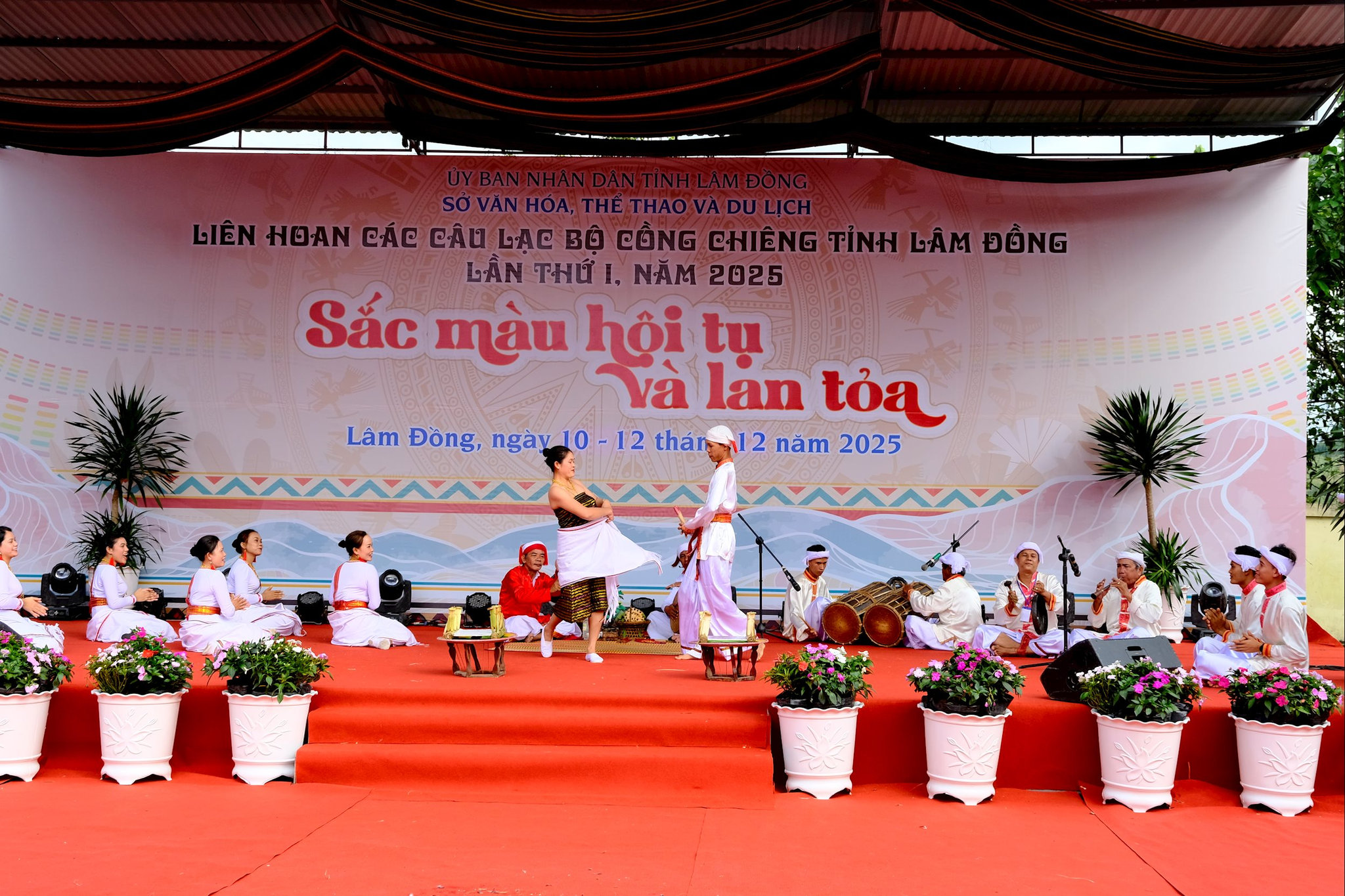
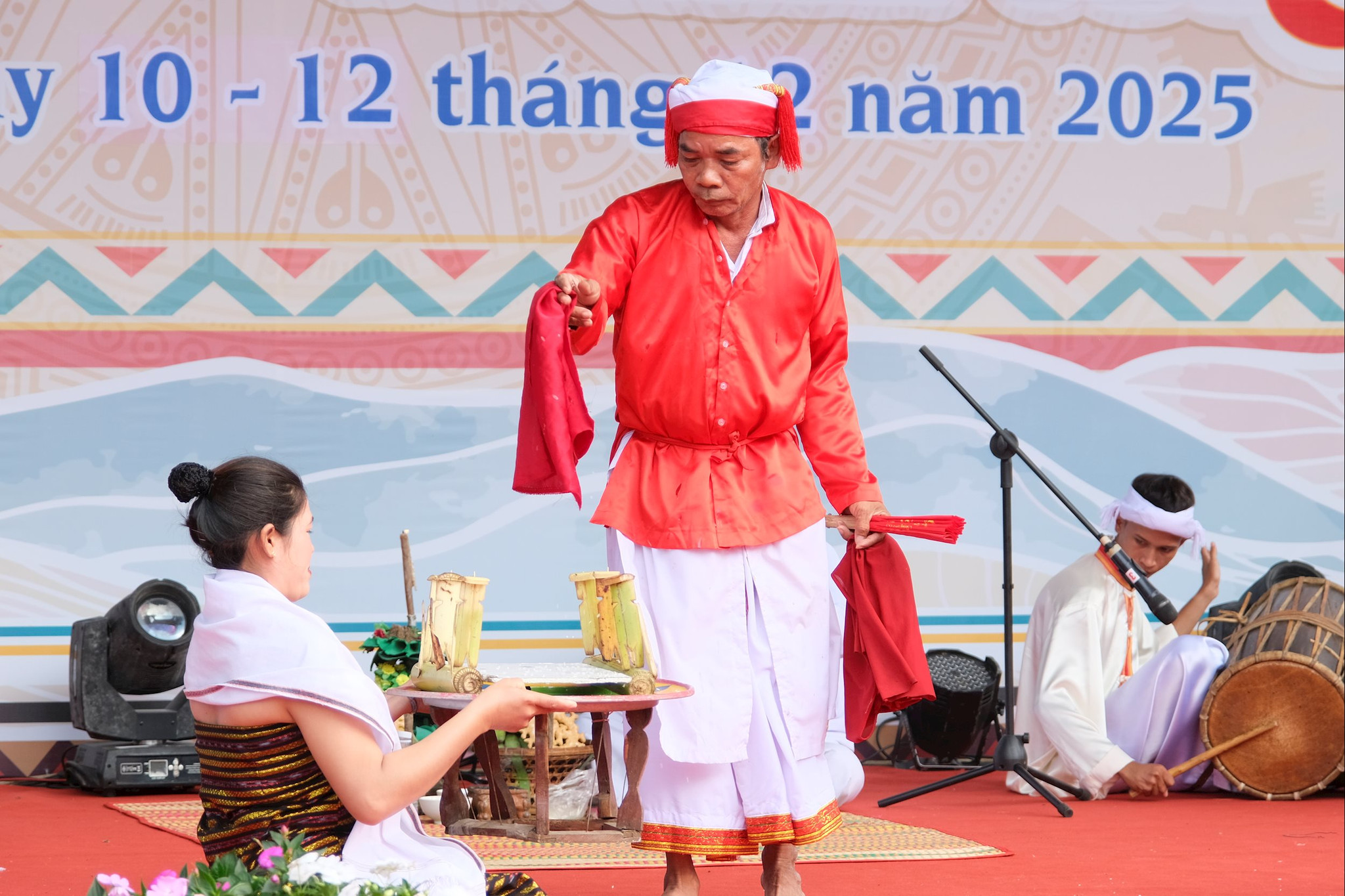
The ceremony concludes with the fertility dance, expressing the philosophy of natural regeneration and the dualistic belief system rooted in the Cham matriarchal heritage. This is followed by the raft-releasing ritual (Tong On), symbolically sending misfortune and illness from the old year down the flowing water.
Preserving a Living Cultural Heritage
More than a religious ritual, the Prayer-for-Peace Ceremony serves as a “living museum”, preserving the Cham people’s traditional cultural and artistic values. The restoration and continued practice of the ritual demonstrate the community’s commitment to safeguarding ancestral heritage.
According to Dam Thi Lien, a Cham artisan in Bac Binh Commune, the Prayer-for-Peace Ceremony plays a particularly vital role in the spiritual life of the Cham people.
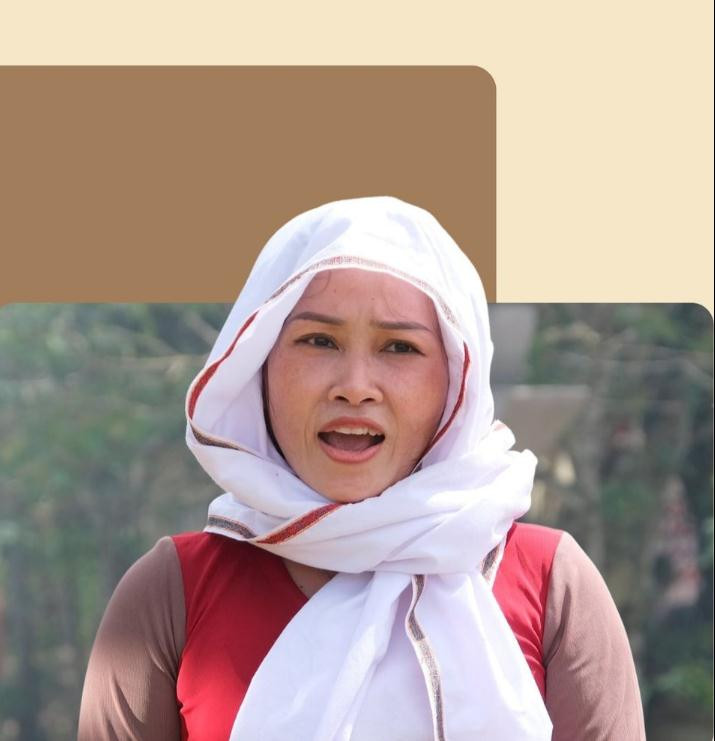
In the context of rapid social change, passing down ritual knowledge, dances, ceremonial music, and chants to younger generations has become increasingly important. Village artisans patiently teach each dance movement, drumbeat, and prayer, viewing this transmission as a way to preserve the “cultural soul” of the Cham people.
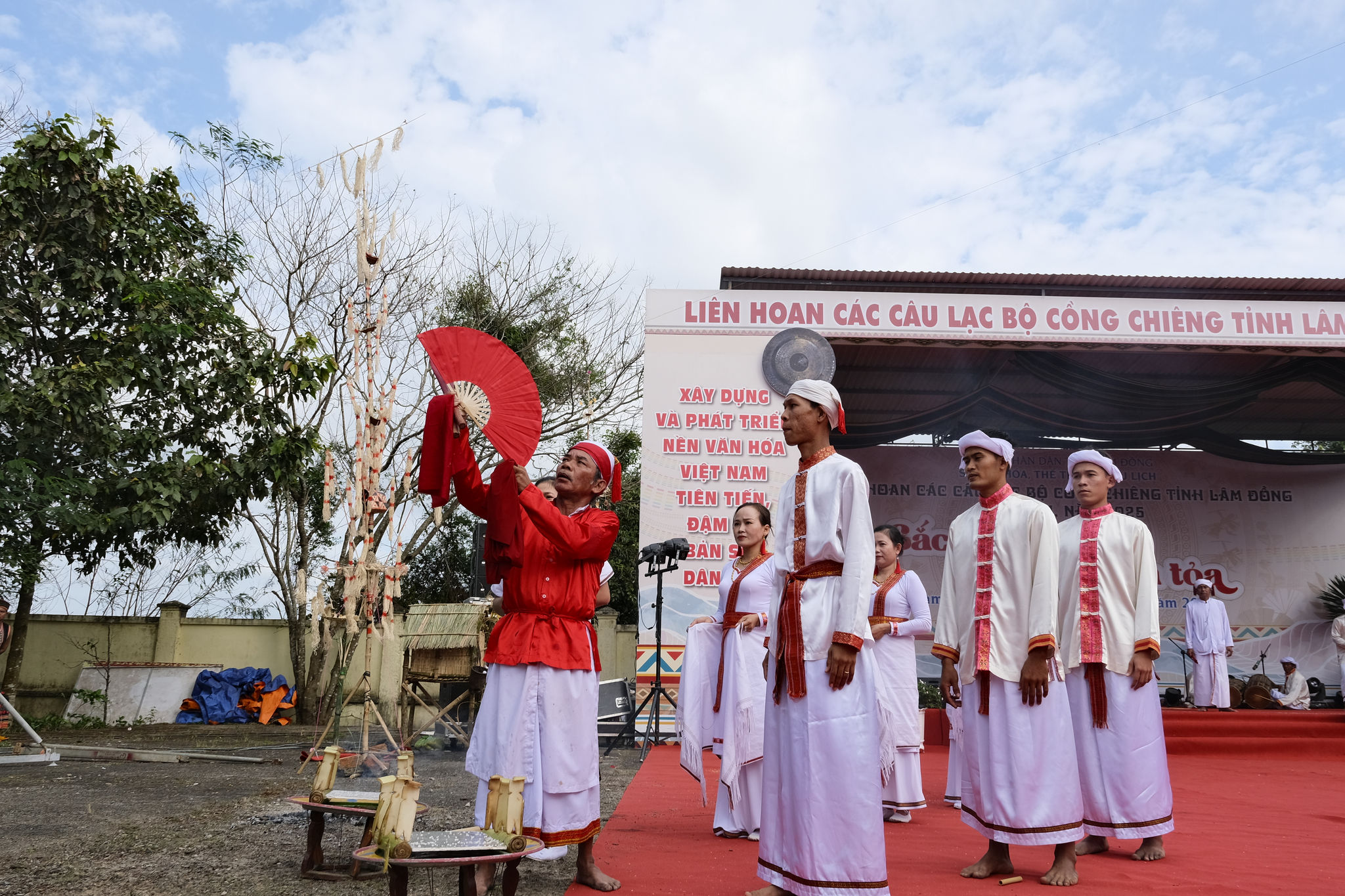
In practice, the attention and support of local authorities and the cultural sector—through facilitating festivals, supporting artisans, and introducing the ritual to wider audiences—have played a crucial role in preservation efforts.