

Shaping a modern local journalism model
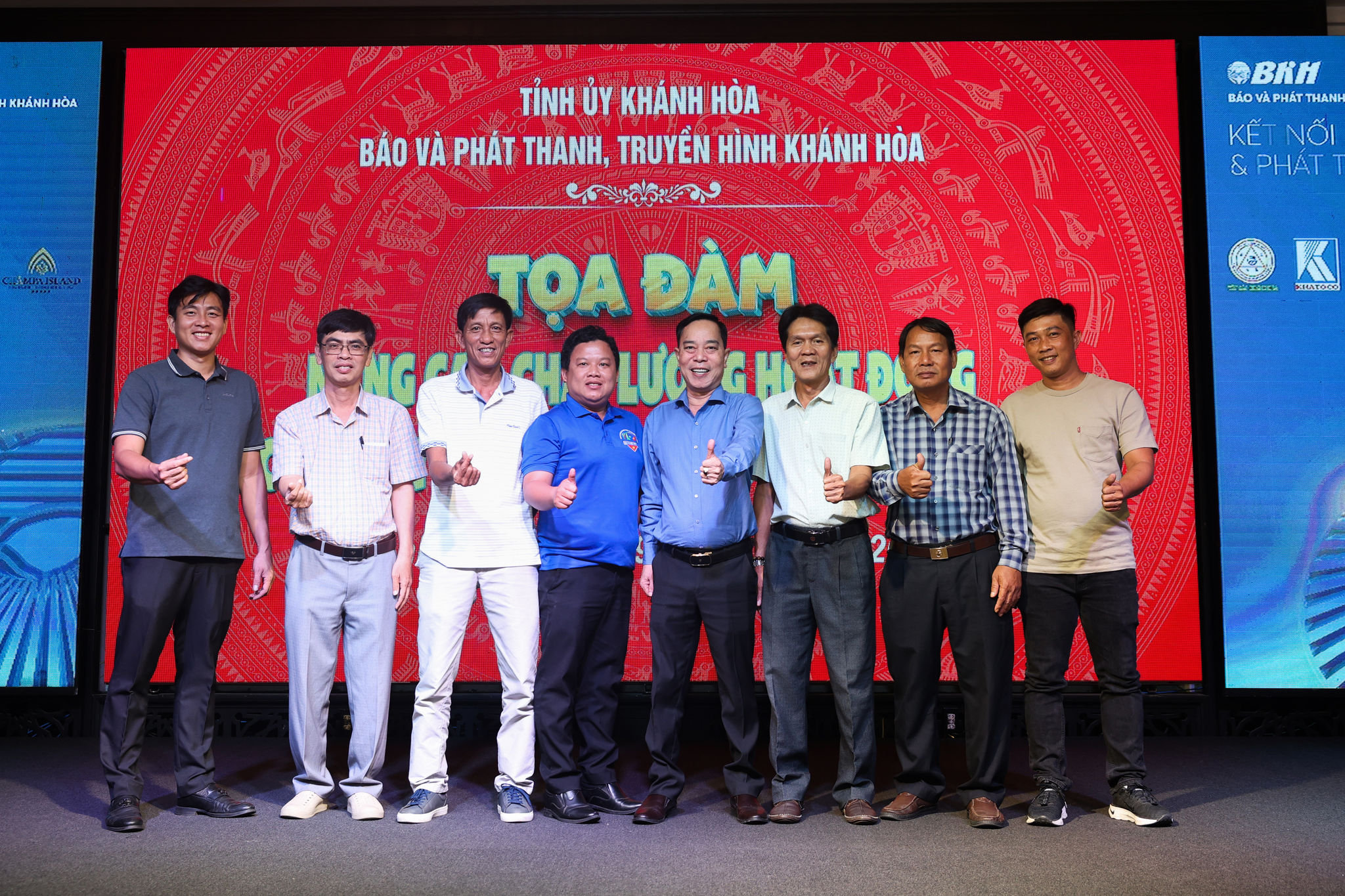
On May 29, Khanh Hoa Newspaper and Radio-Television held a seminar titled “Improving the quality of local media operations after the merger” to discuss the development of a modern local journalism model.
.jpg)
Representatives of the Khanh Hoa Provincial Party Committee’s Commission for Information, Education and Mass Mobilization, the Vietnam Television Center for the Central Highlands and Central Coast region, and local media agencies attended the seminar.
Le Huy Toan, member of the Provincial Party Committee and Director of Lam Dong Newspaper and Radio-Television, led the Lam Dong delegation to the event.
The seminar was held in celebration of the 101st anniversary of the Vietnamese Revolutionary Press Day (June 21, 1925 - June 21, 2026). It also provided a platform for participants to share experiences, discuss solutions, and explore directions for the future development of journalism.
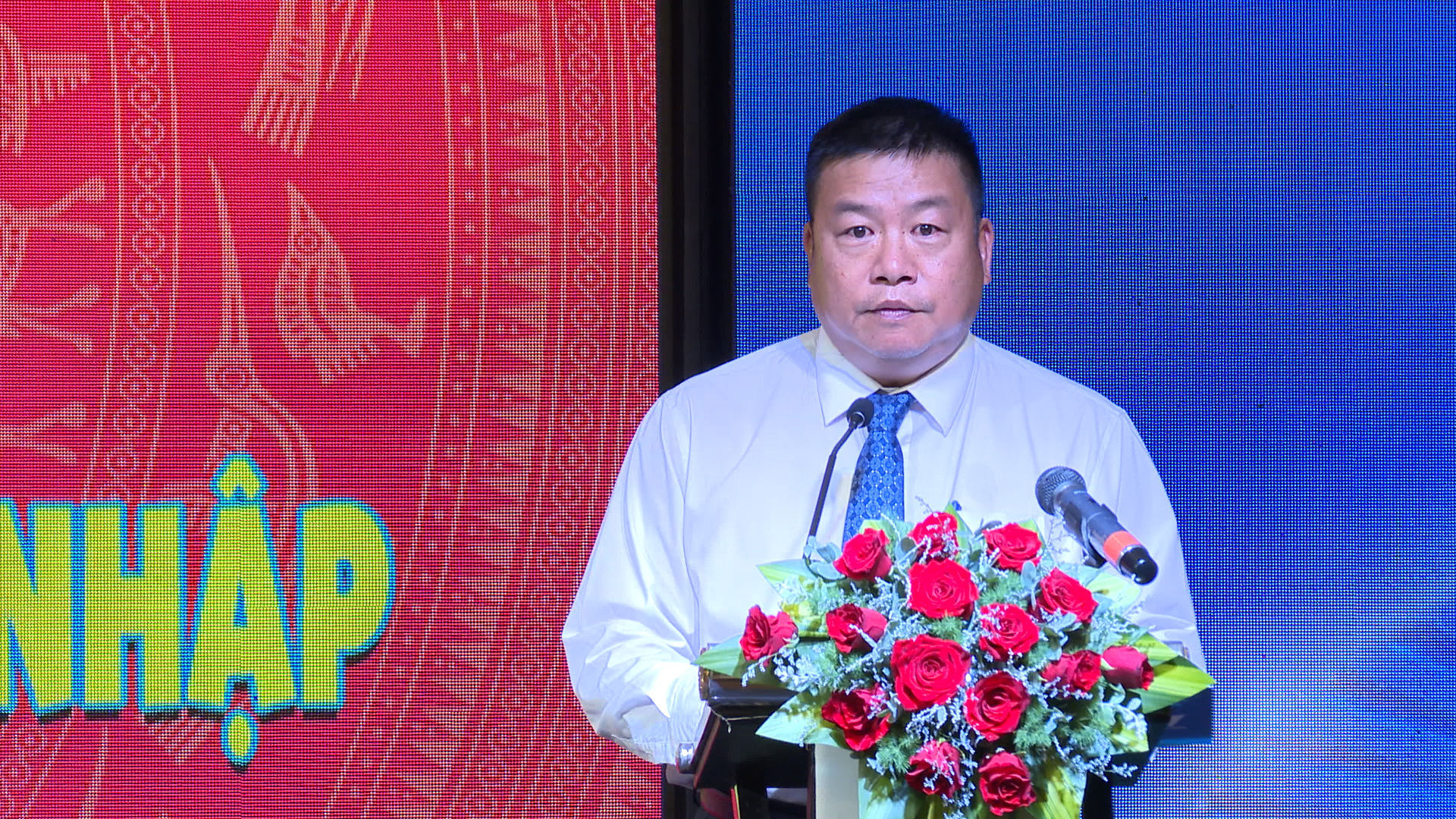
In his opening remarks, Vo Hoan Hai, member of the Standing Board of the Khanh Hoa Provincial Party Committee and Head of the Commission for Information, Education and Mass Mobilization, emphasized the important role of local press. He noted that the press not only serves as a channel for information and communication but also inspires dedication and innovation while accompanying Party committees, authorities, and citizens in achieving development goals.
He added that the merger of media agencies represents a comprehensive restructuring process involving governance mindsets, operational models, content production processes, and media development strategies in the digital era.
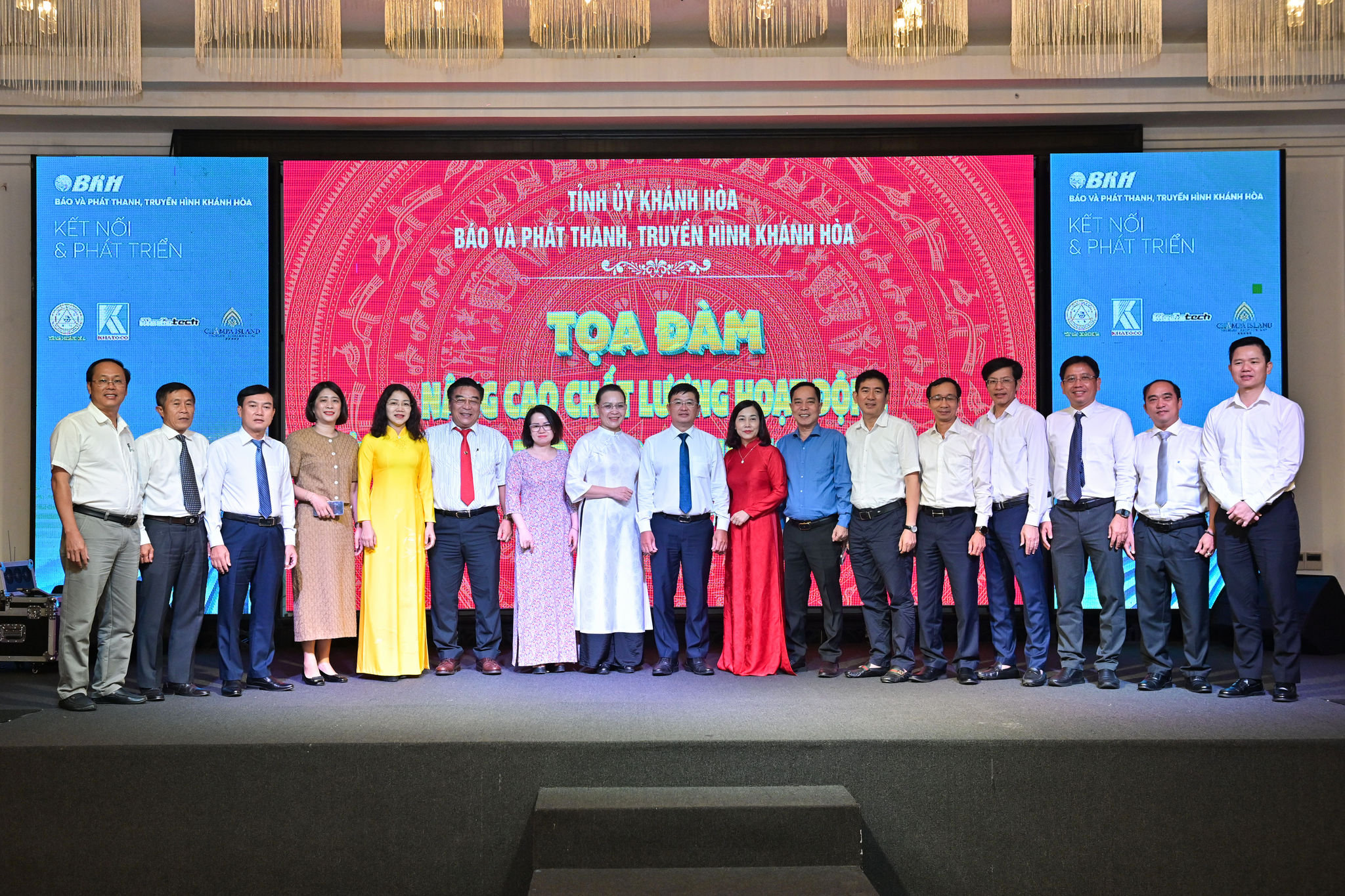
The seminar provided an important opportunity for local media agencies to exchange practical experience, share insights, and identify challenges and bottlenecks in order to shape future development directions.
Along with the restructuring of administrative units at various levels, local media organizations have been merged and reorganized under the Newspaper and Radio-Television model. In recent years, these agencies have gradually stabilized their organizational structures while making effective use of shared technical infrastructure, human resources, and content production processes.
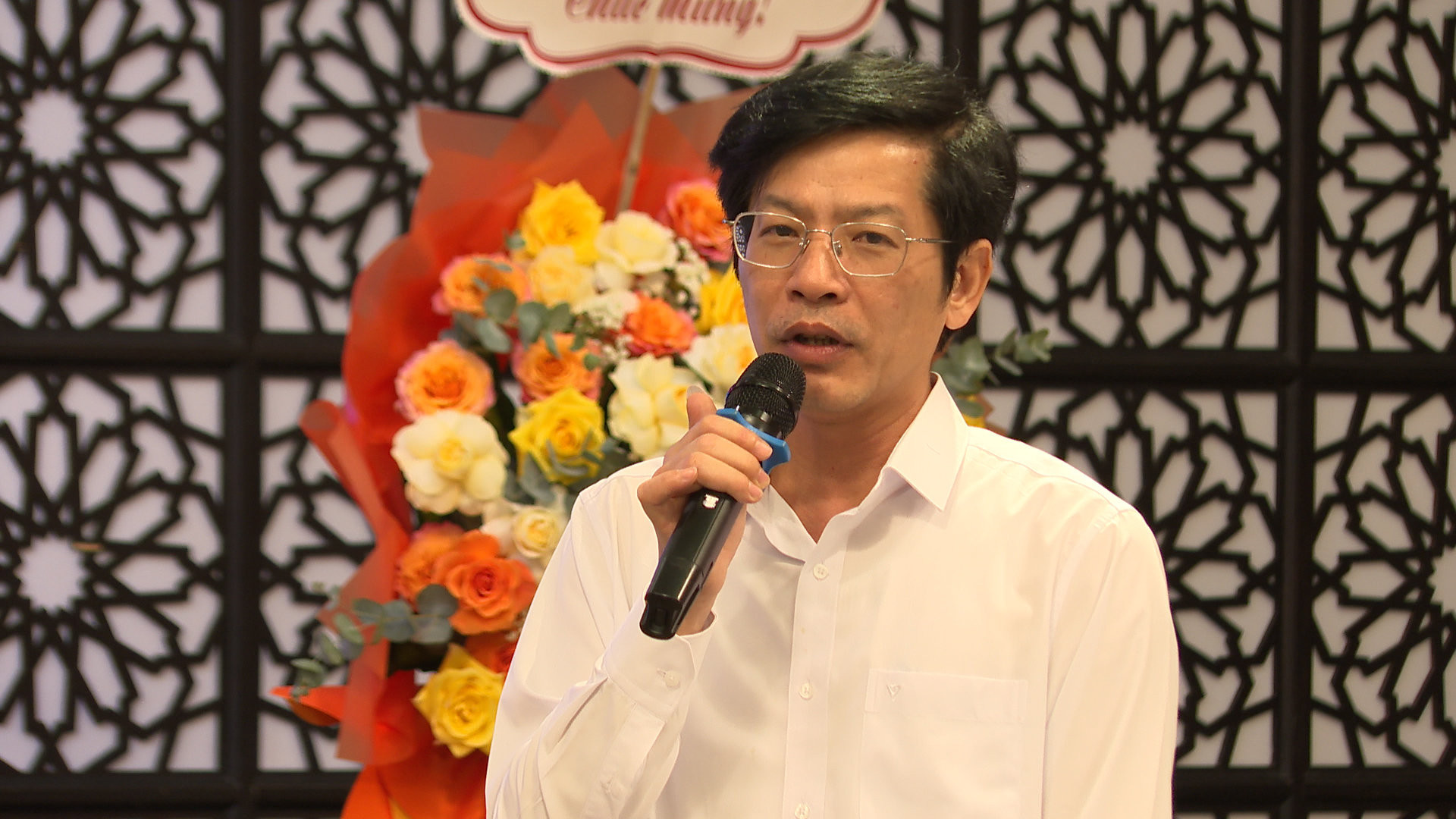
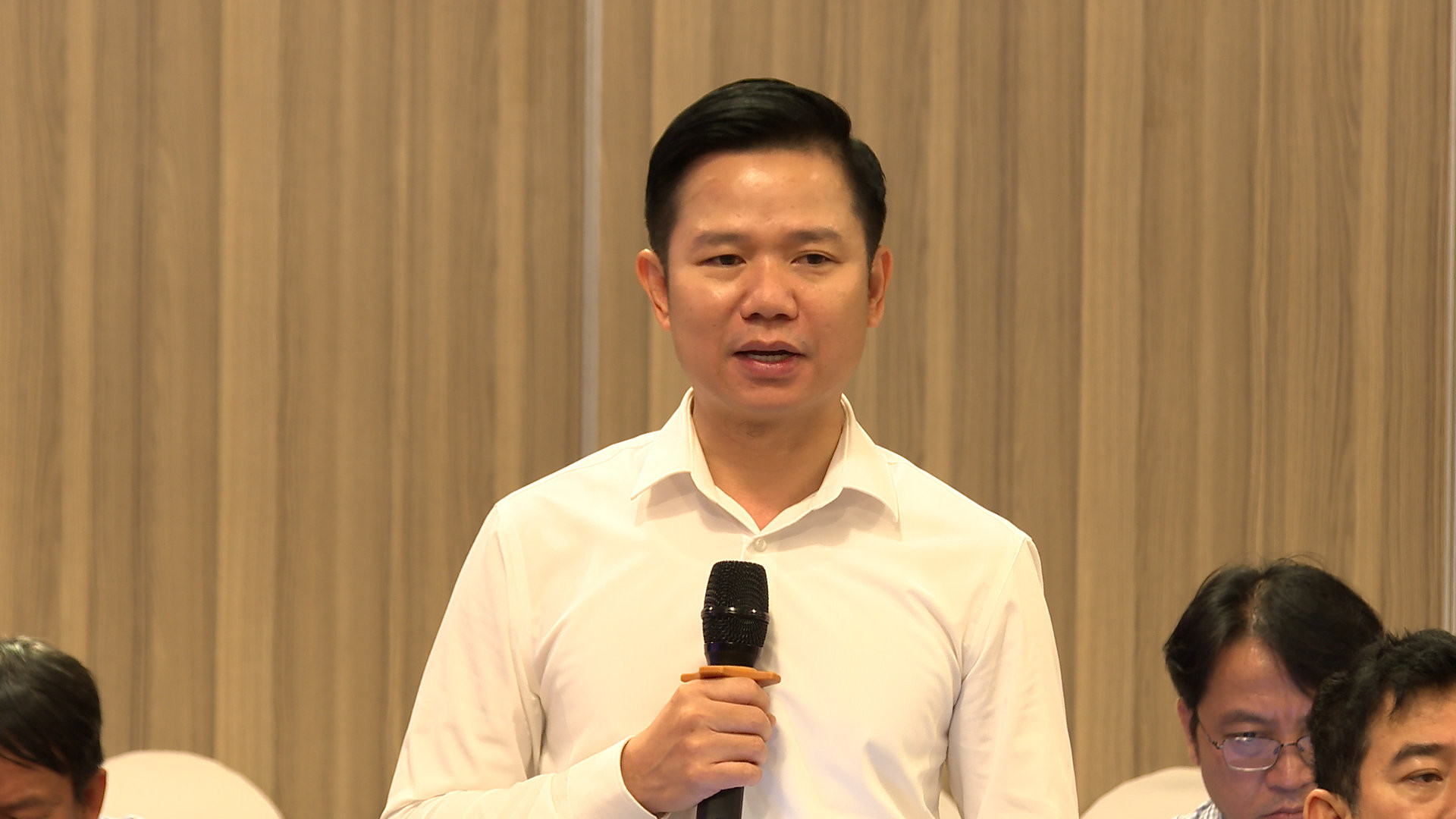
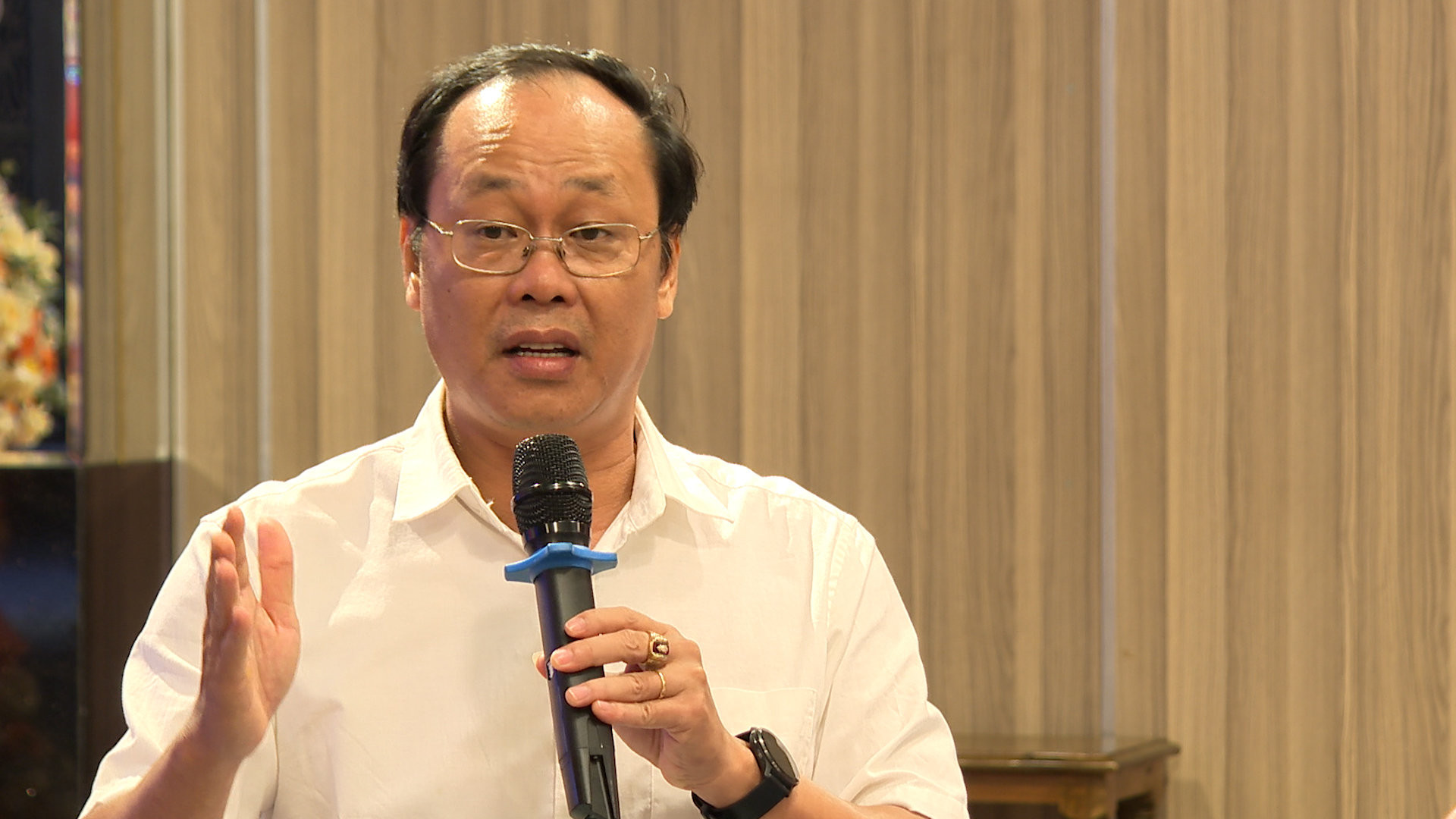
Although the new model has delivered positive initial results, it continues to face significant challenges. These include shortages of high-quality personnel, the accelerating pace of digital transformation, fierce competition from social media and cross-border platforms, and growing demands for content and communication innovation to meet increasingly diverse audience needs.
Media leaders also highlighted challenges related to financial mechanisms and the development of the media economy under new conditions. These issues were the focus of discussions, experience-sharing, and proposed solutions at the forum.
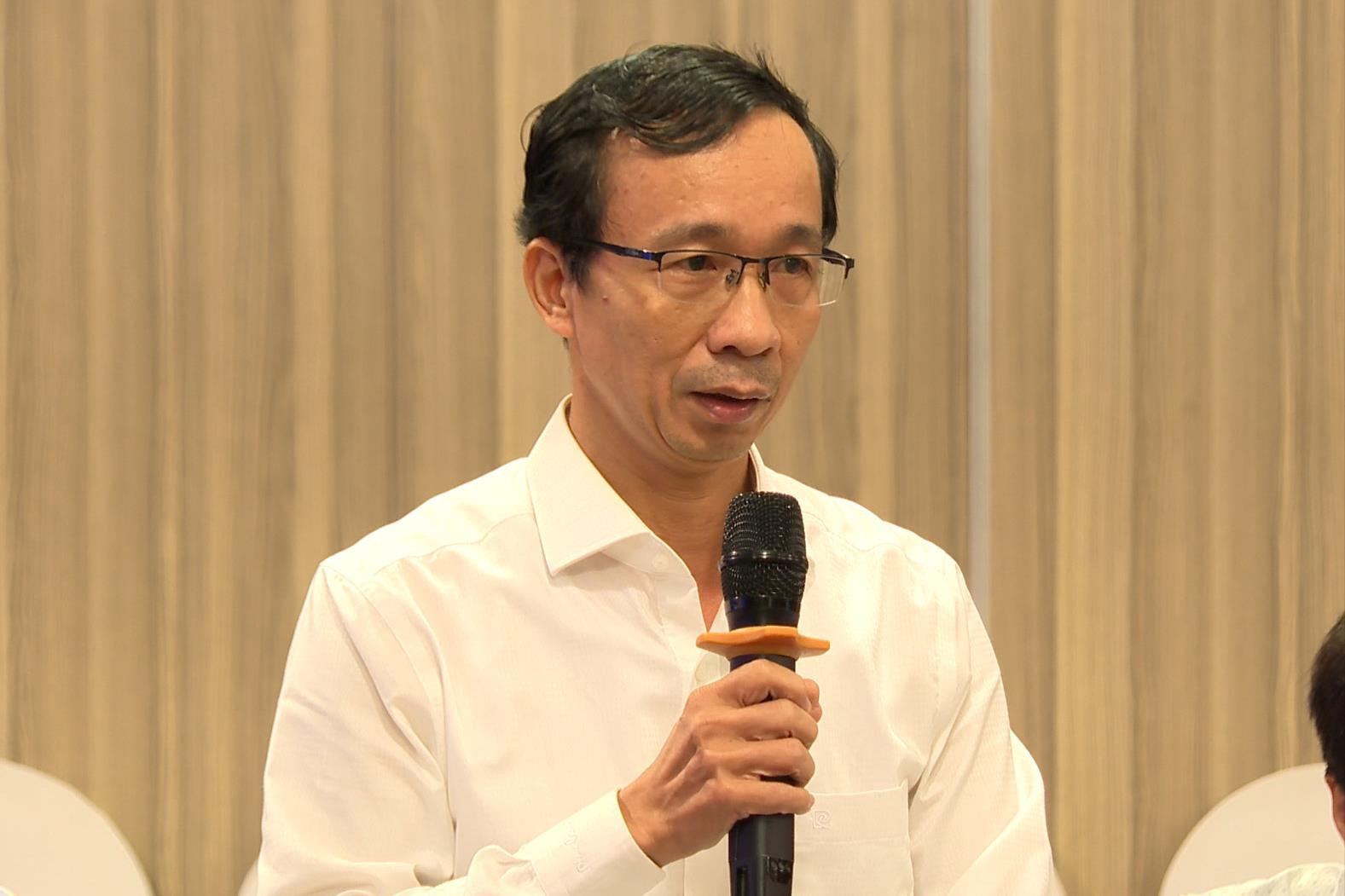
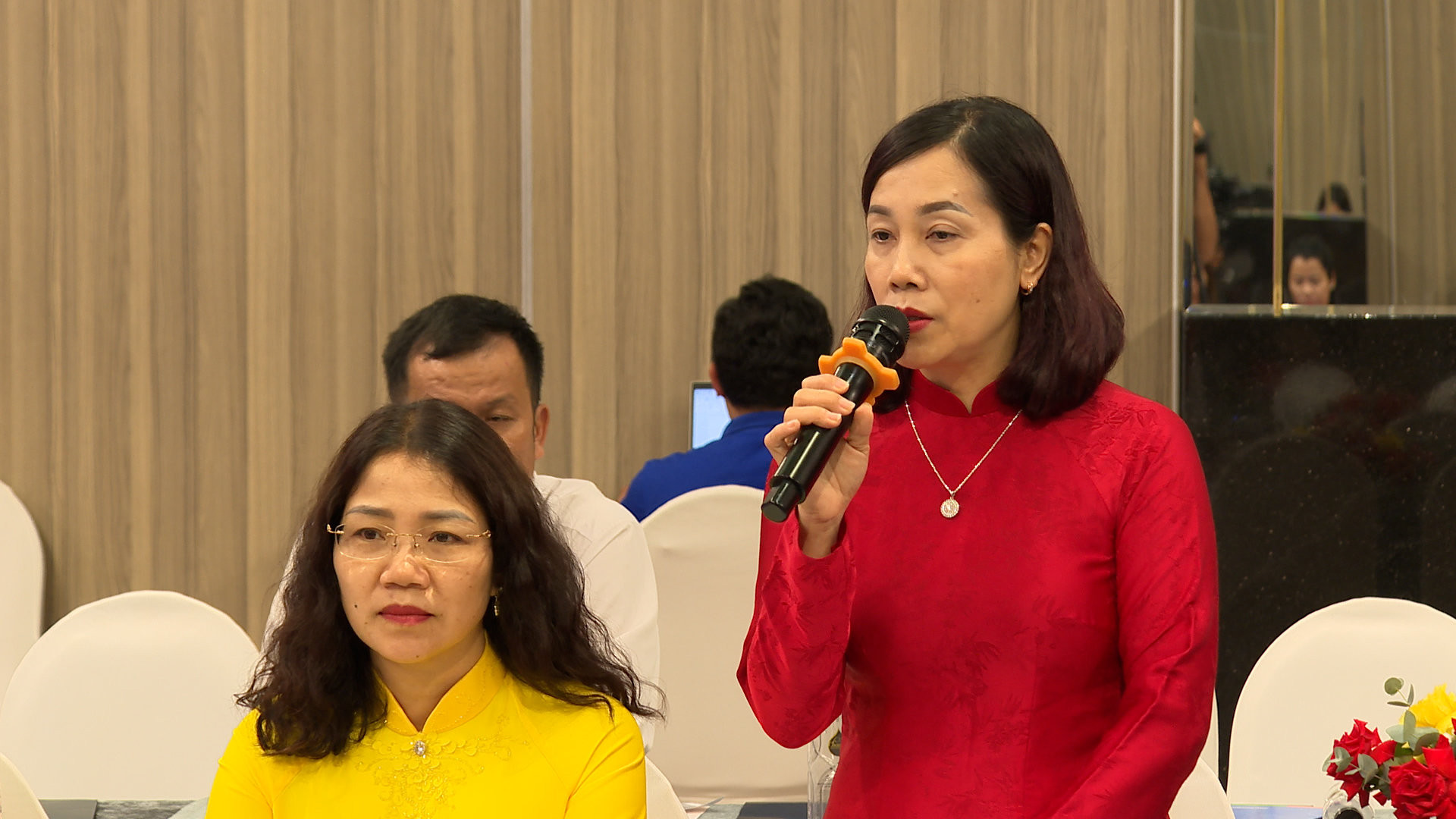

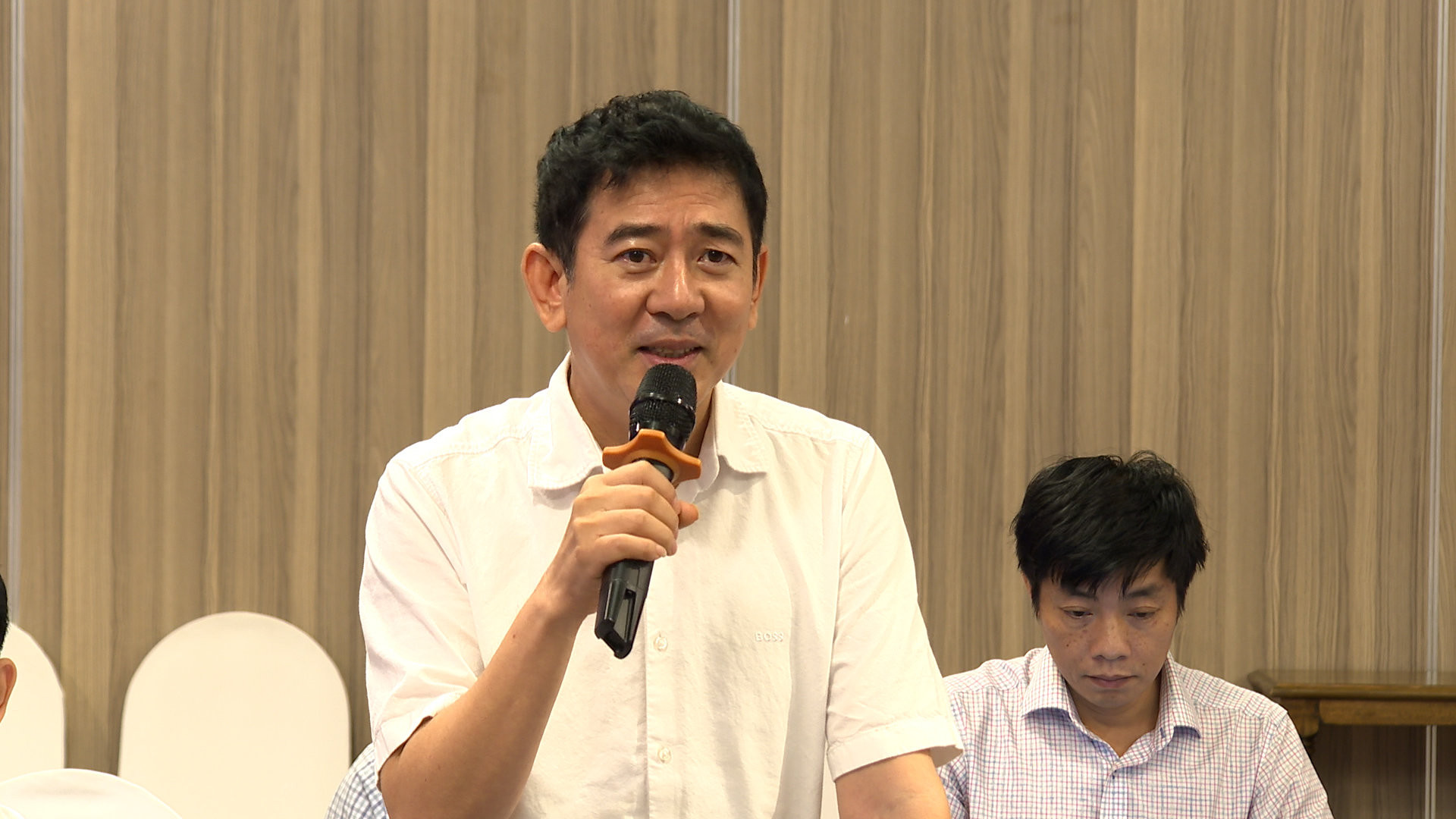
In the current context, many local media agencies have proactively embraced new approaches, expanded their digital platforms, and improved the quality of multimedia journalism products. These efforts have helped them gradually adapt to the demands of modern communication.
According to Le Huy Toan, member of the Lam Dong Provincial Party Committee and Director of Lam Dong Newspaper and Radio-Television, effective implementation of tasks in the new phase begins with building a united leadership team that is aligned in both thinking and action. Equally important is the establishment of a well-structured internal governance system to ensure smooth and efficient operations.
Le Huy Toan also stressed the importance of fostering a democratic, professional, humane, and responsible working environment. He emphasized the need to streamline the organizational structure by reducing intermediate layers while maintaining the full range of media operations, including print, online newspapers, radio, television, and digital platforms.
These measures are considered essential to improving operational efficiency, optimizing resources, and enhancing adaptability to the evolving landscape of modern journalism.
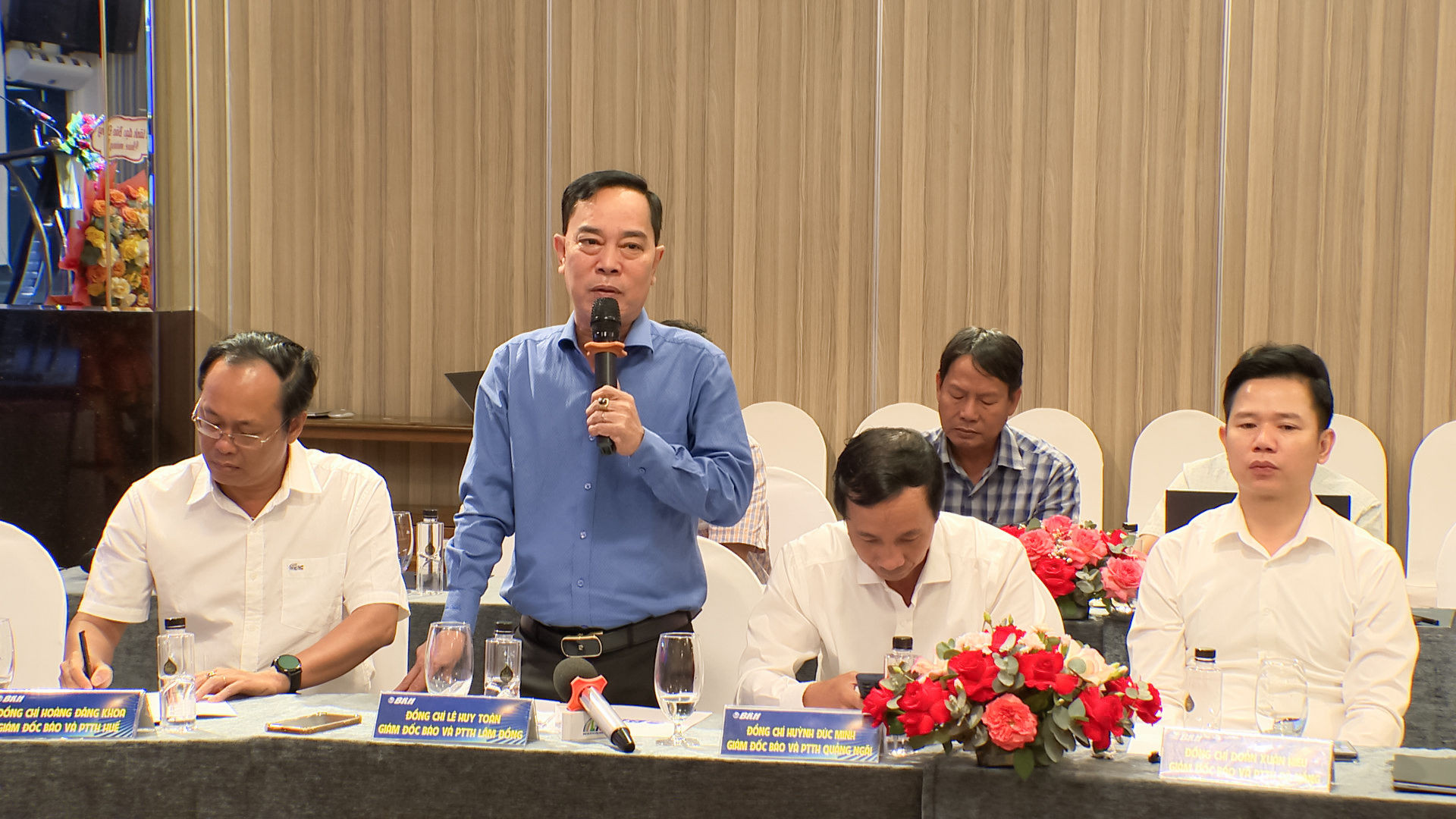
Greater decentralization and delegation of authority must go hand in hand with clearly assigned responsibilities. Transparent and specific evaluation criteria are also needed to enhance governance, operational efficiency, and overall work performance.
Lam Dong Newspaper and Radio-Television regards ‘Unity - Discipline - Compassion - Responsibility’ as its core values, providing a solid foundation for overcoming challenges, driving innovation, and effectively carrying out its assigned political missions in the new era.Le Huy Toan, Director of Lam Dong Newspaper and Radio-Television
As journalism undergoes profound changes, the merger of local media agencies represents not only a challenge but also an opportunity to build stronger, more modern, and more adaptable news organizations.
Through the exchange of practical experience and innovative approaches, the seminar contributed valuable insights and recommendations for improving the quality and sustainability of local media operations in the new phase.
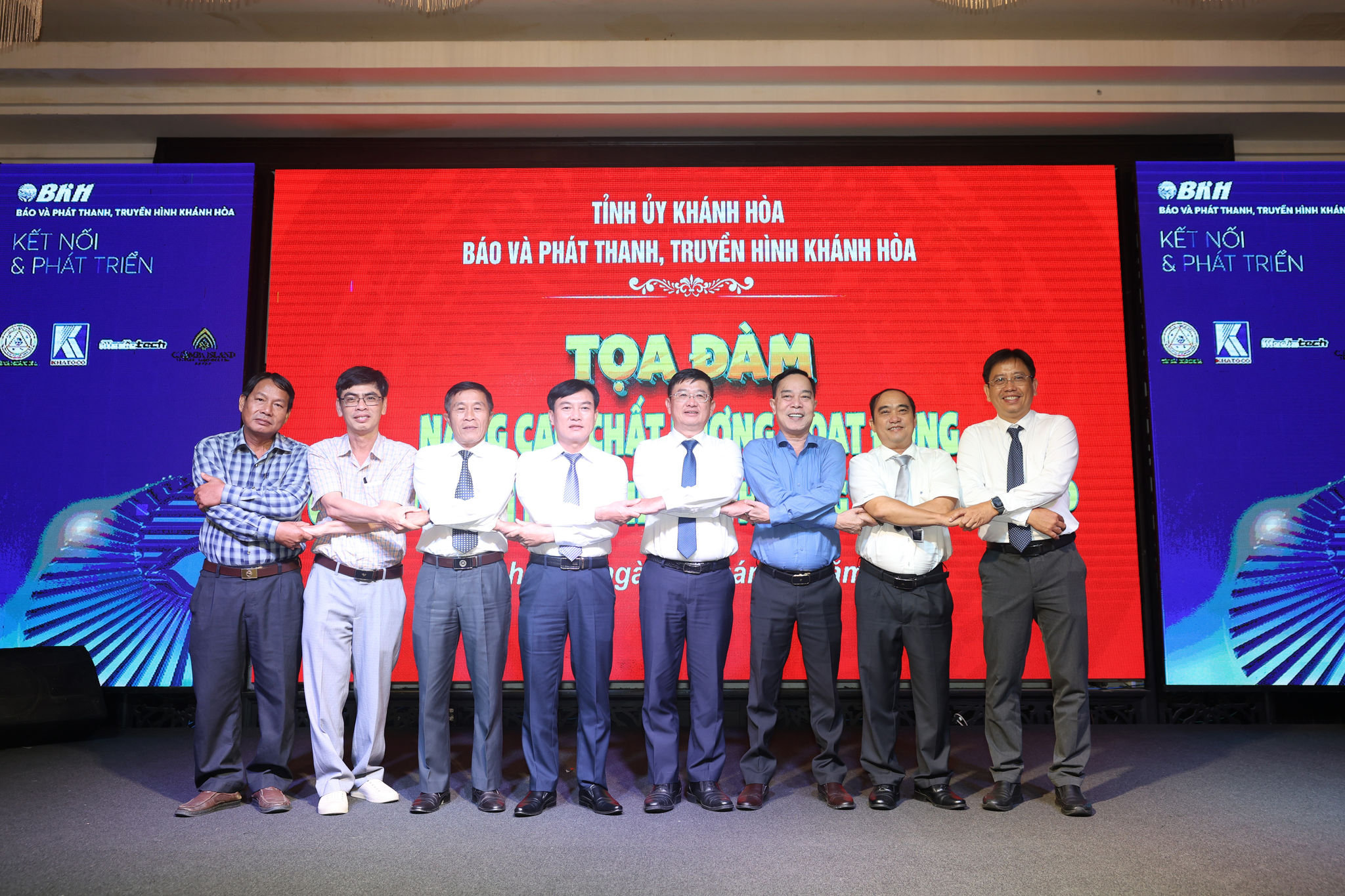
The merger of local media agencies is seen as an inevitable process. It marks a significant step toward enhancing governance efficiency, maximizing resource utilization, and fostering innovation within media organizations.
Through proactive adaptation, strategic investment, and the continued commitment and professionalism of journalists, local media are expected to strengthen their position as a trusted communication bridge between the Party, authorities, and the people in the new development period.