

Souvenirs become “ambassadors” for destinations
More than mementos of a journey, souvenirs reflecting local identity are becoming an integral part of the travel experience. Each item can tell a story about the land, people and culture of the destination a visitor has explored.
Every souvenir tells a story of the land
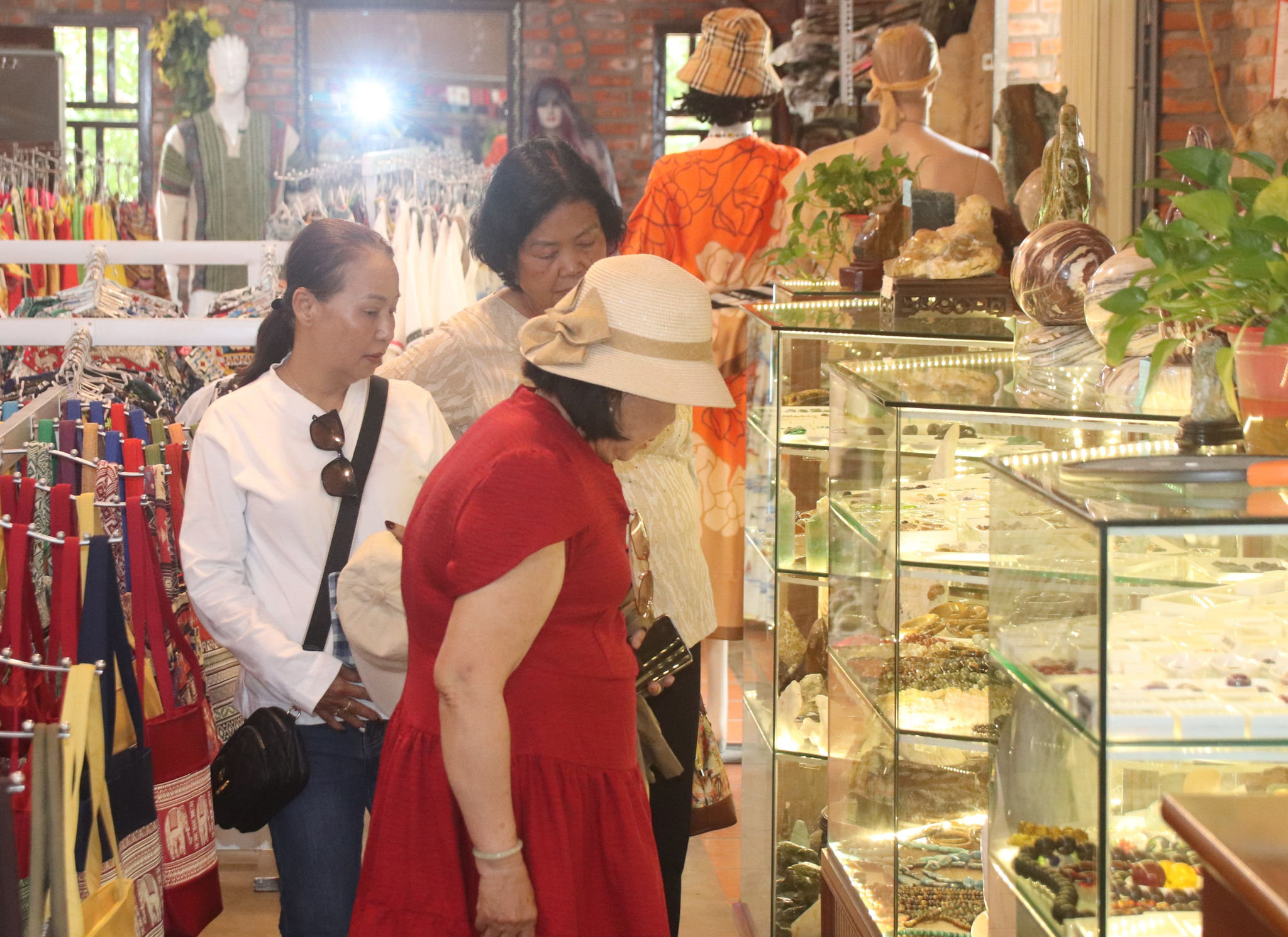
After visiting the Provincial Party Committee Base historical site associated with the resistance war against the United States in Dong Giang Commune, many visitors do not leave immediately. Instead, they linger at small stalls displaying souvenirs.
Amid the mountains and forests, checkered scarves, boonie hats, wristbands and distinctive products from Sa Lon Forest and the K'ho ethnic community hold a rustic yet remarkable appeal. For many visitors, these items do more than preserve memories. They also offer a way to tell friends and relatives about the revolutionary landmark they have just explored.
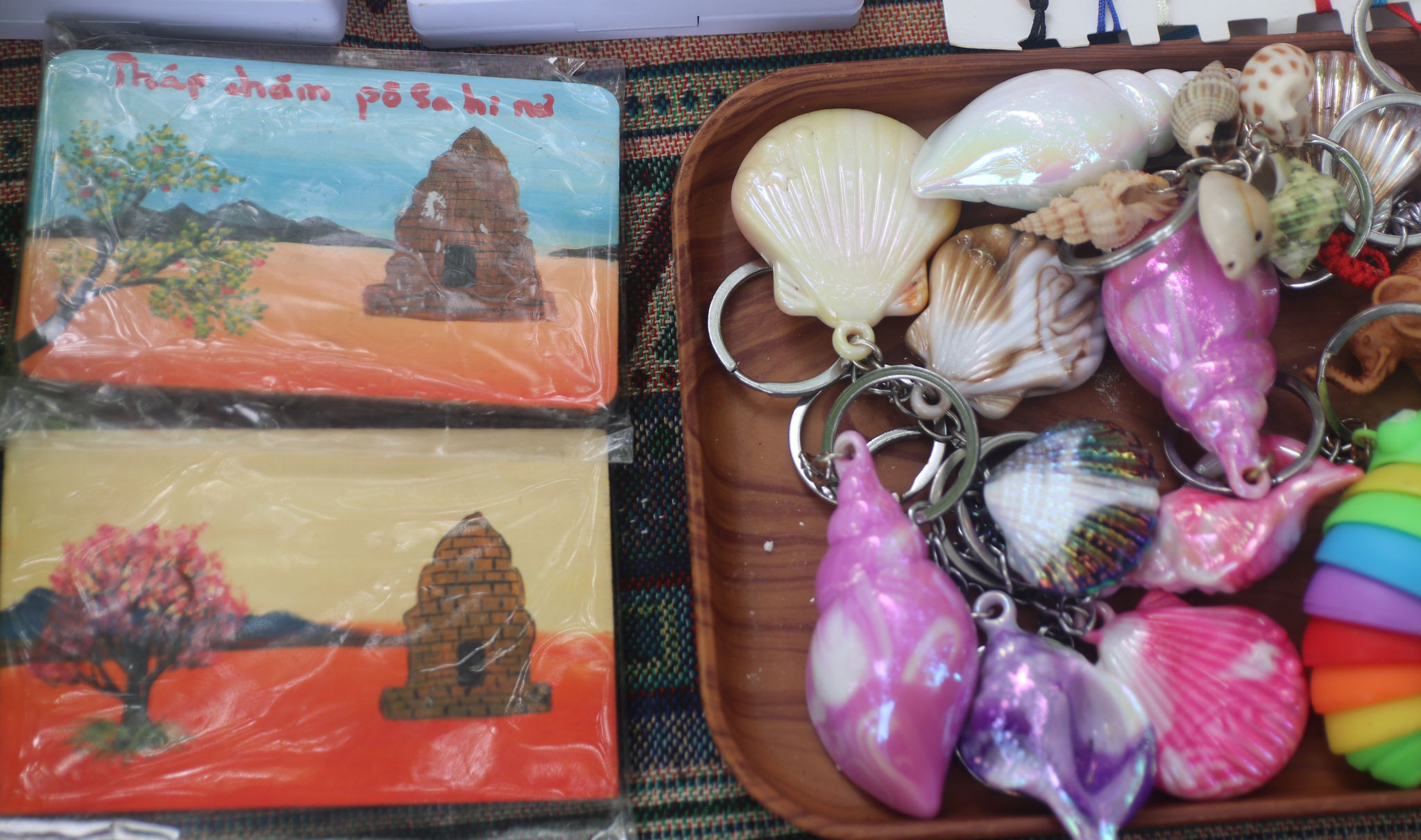
Towards the coast, souvenirs take on a different character to reflect their surroundings. In Ham Tien and Mui Ne, visitors linger over small gifts after spending hours admiring the sea, enjoying the breeze and immersing themselves in the waves.
These items may include keychains, mirrors, combs, shell-adorned bracelets or objects inspired by the sea. Though simple and inexpensive, each captures a small part of the journey.
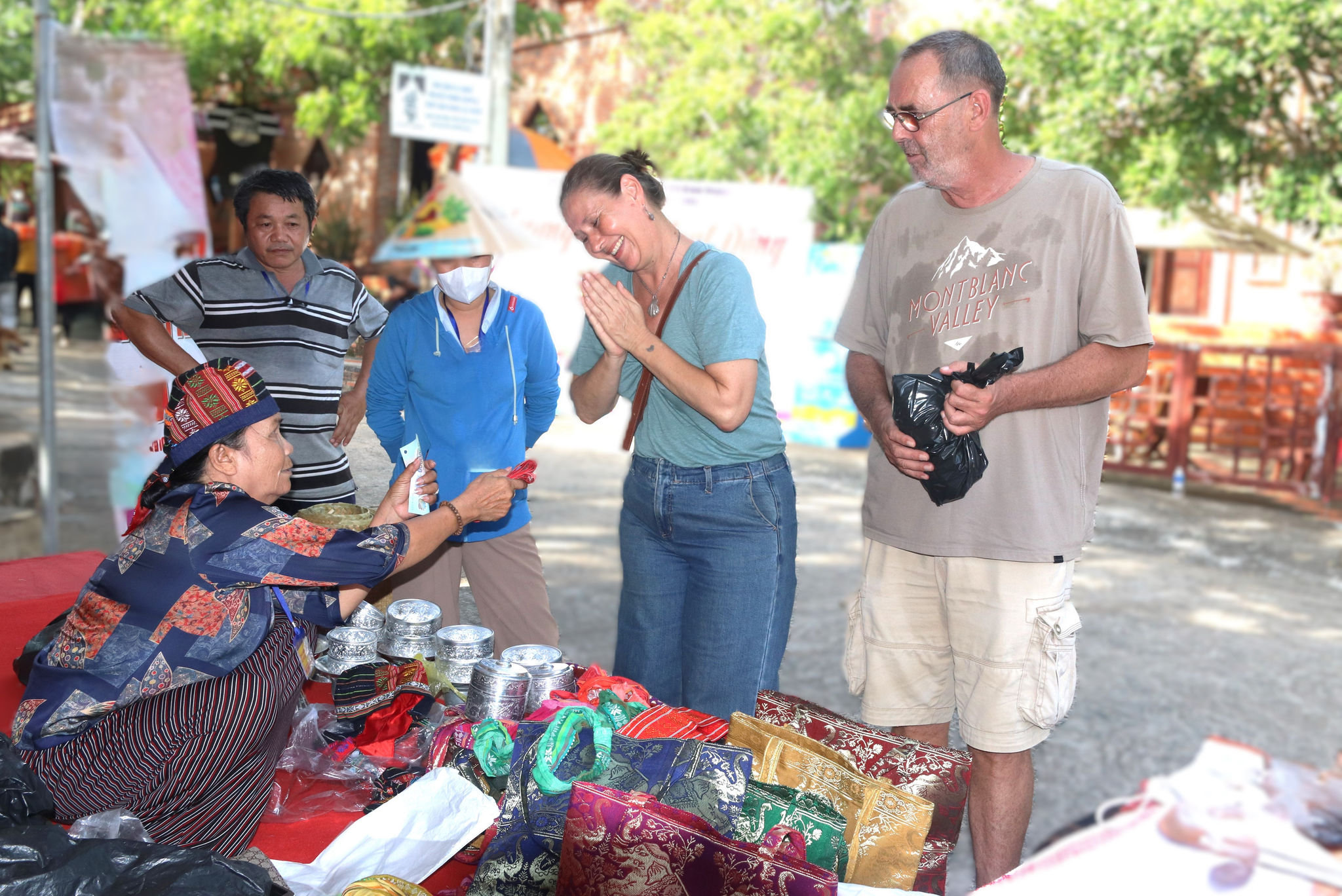
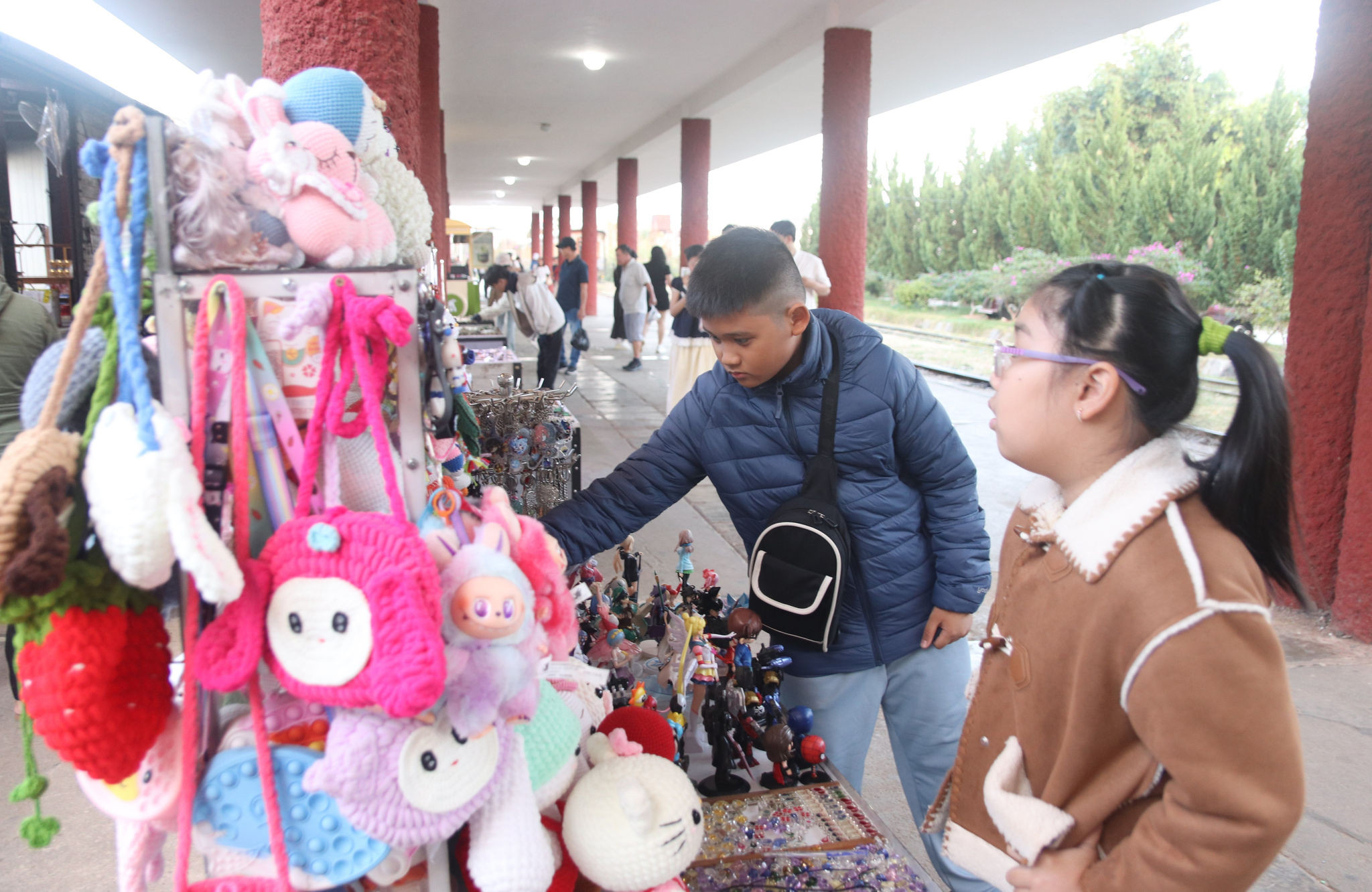
At historical and cultural sites in Da Lat, souvenirs tell their stories through gentle colours and skilled craftsmanship. Crocheted products such as bags, scarves, straps, keychains, stuffed toys and hats are becoming increasingly popular.
Each item seems to carry a touch of the highlands, evoking Da Lat's distinctive architecture, landscapes and way of life.
These distinctive features make souvenirs an essential part of any journey through Lam Dong. Nguyen Thi Dung, a visitor from Ho Chi Minh City, said: "Whenever I visit Lam Dong, I often buy cute little keychains for my friends. I like handicrafts because they are beautiful, practical and distinctly local."
Positioning destination brands
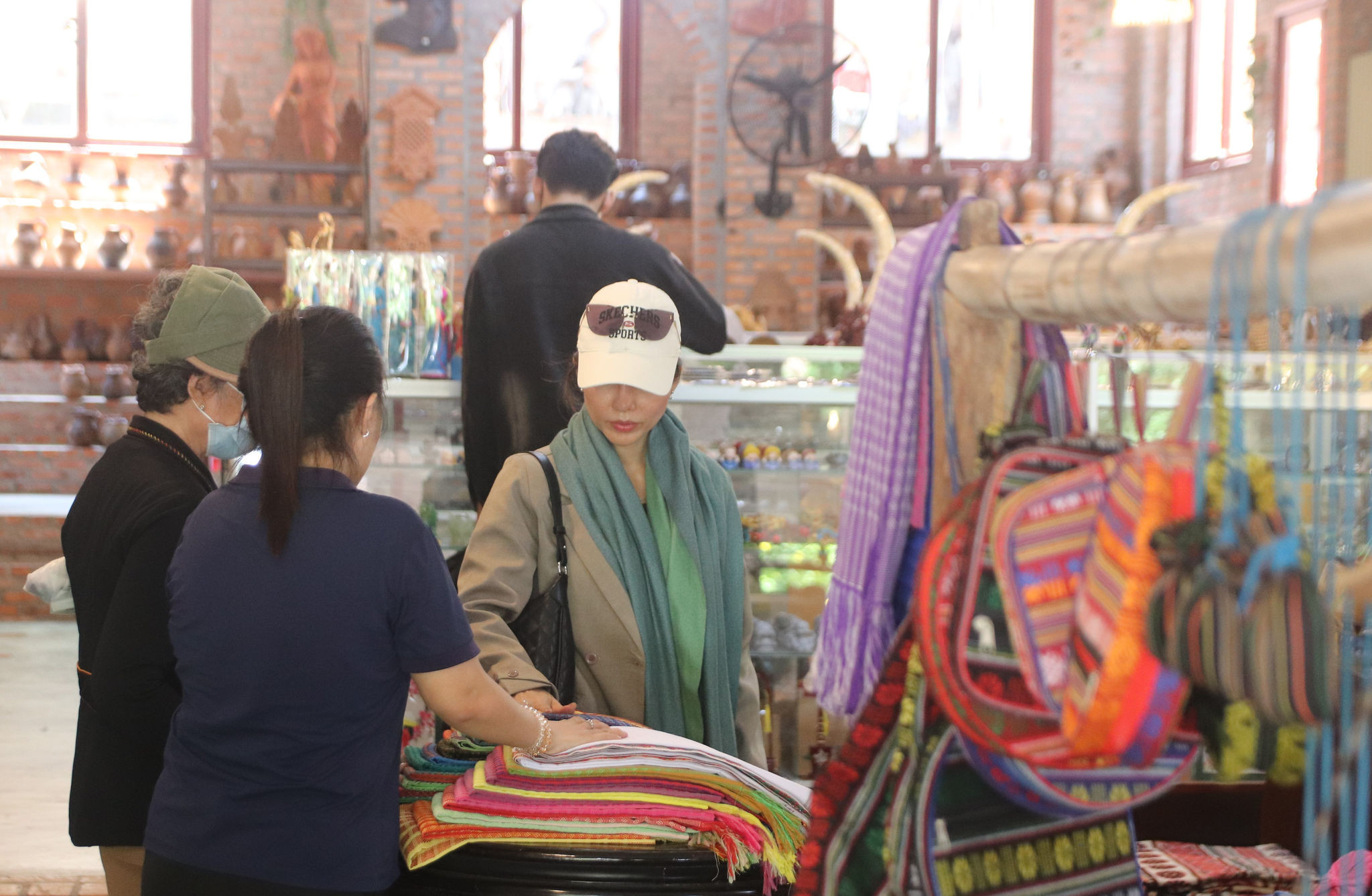
While historical sites help visitors understand local history and culture, souvenirs allow those stories to continue after the visit ends. A souvenir may feature more than the name or image of a place. It can also convey stories about traditional crafts, community culture, landscapes, history and local life.
With appropriate investment, souvenirs can become "ambassadors" that keep destinations present in visitors' lives long after their journeys end.
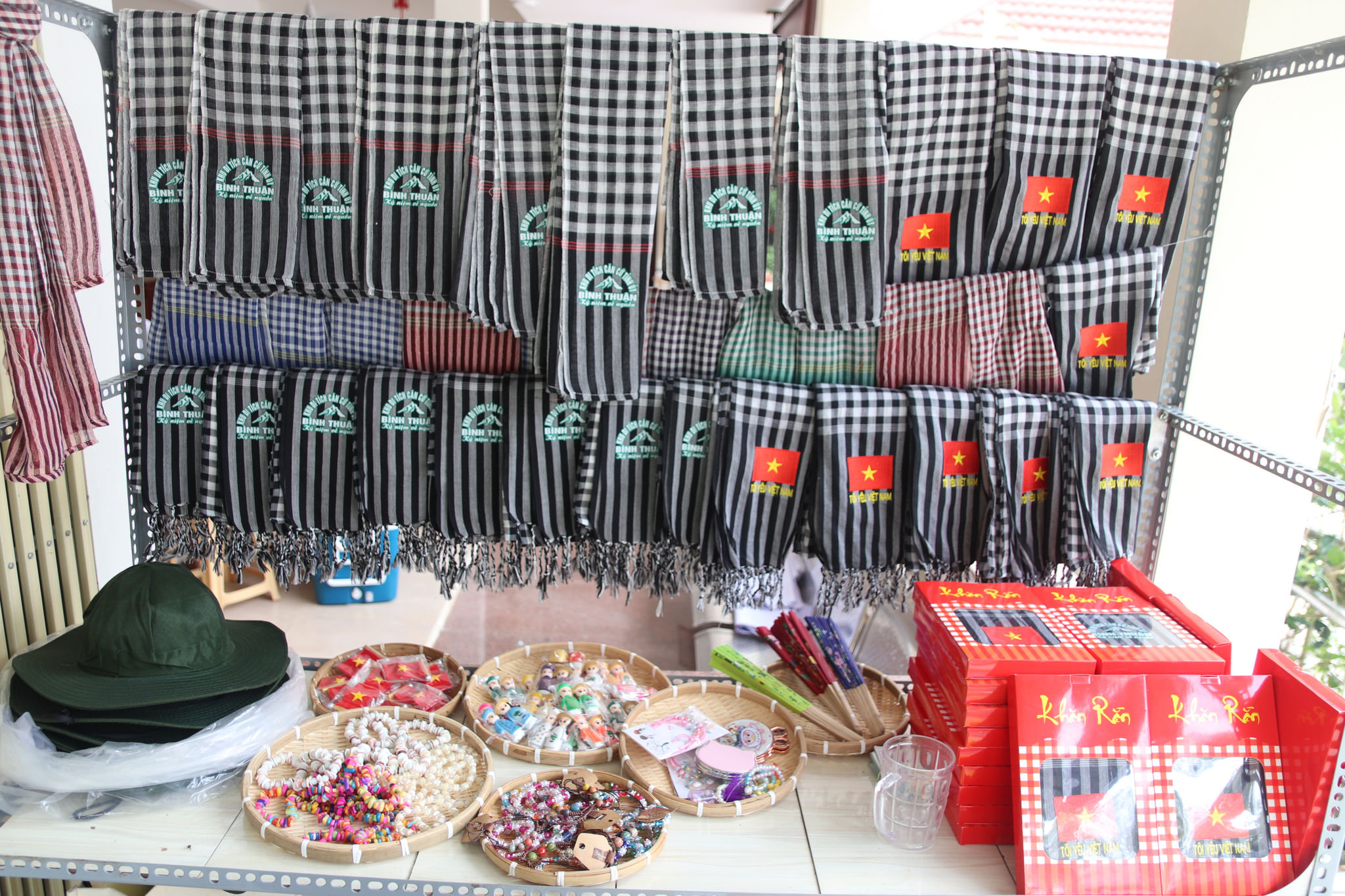
Duong Thi Diep, Deputy Director of the Management Board of the Binh Thuan Provincial Party Committee Base Historical Site associated with the resistance war against the United States, said: "We recognise that souvenirs are more than commodities for visitors. Each product should reflect local identity, suit the setting of the historical site and help visitors remember the destination for longer. We are therefore paying greater attention to selecting and showcasing distinctive local products."
Through their experience of taking visitors to Mui Ne, tourism professionals have observed changing demand for souvenirs. Huynh Cong Thanh of Ho Chi Minh City said visitors were increasingly interested in the origins and distinctive features of products when choosing gifts.
For souvenirs to contribute meaningfully to destination branding, they require systematic investment in design, quality and pricing, as well as effective expressions of local identity.

As experiential tourism grows, visitors seek more than beautiful scenery. They also want to take home a piece of the memories created during their journeys. Every souvenir, however small, can therefore become part of a destination's brand identity.