


Sports Tourism Opens New Ways to Explore Lam Dong’s Highlands
Lam Dong is expanding its tourism playbook beyond traditional sightseeing and resort stays, with trail running and trekking emerging as a fast-growing segment that blends sport, nature and local culture.
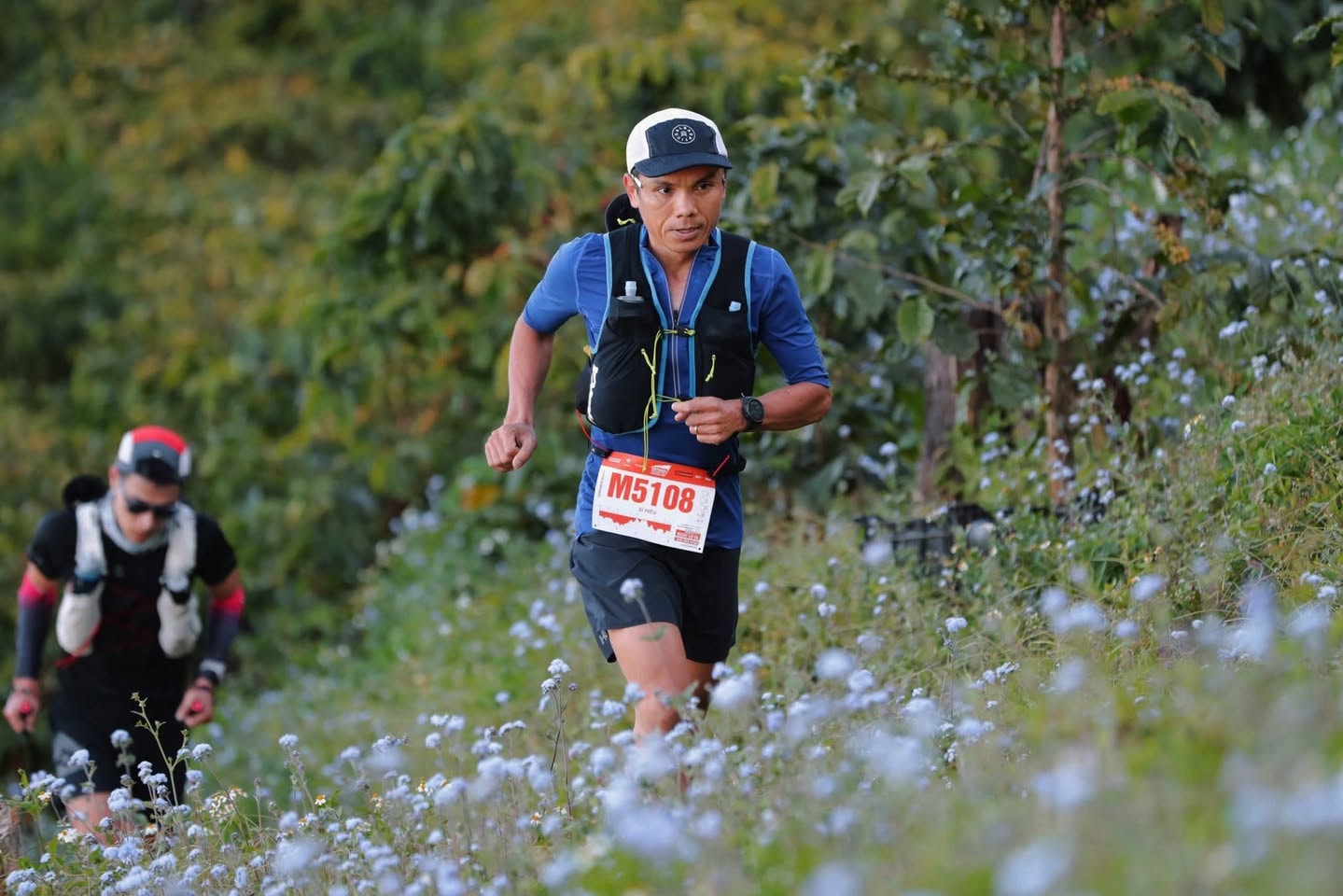
Opening a path for outdoor tourism
Alongside established products such as leisure travel and agri-tourism, outdoor sports tourism has gained clear traction in recent years.
In 2025 alone, major trail-running events attracted an estimated 8,000–9,000 athletes and more than 15,000 visitors for participation, experiences and stays.
Activities such as trail running, trekking and cross-forest cycling are increasingly popular, particularly among younger travelers seeking deeper engagement with nature.
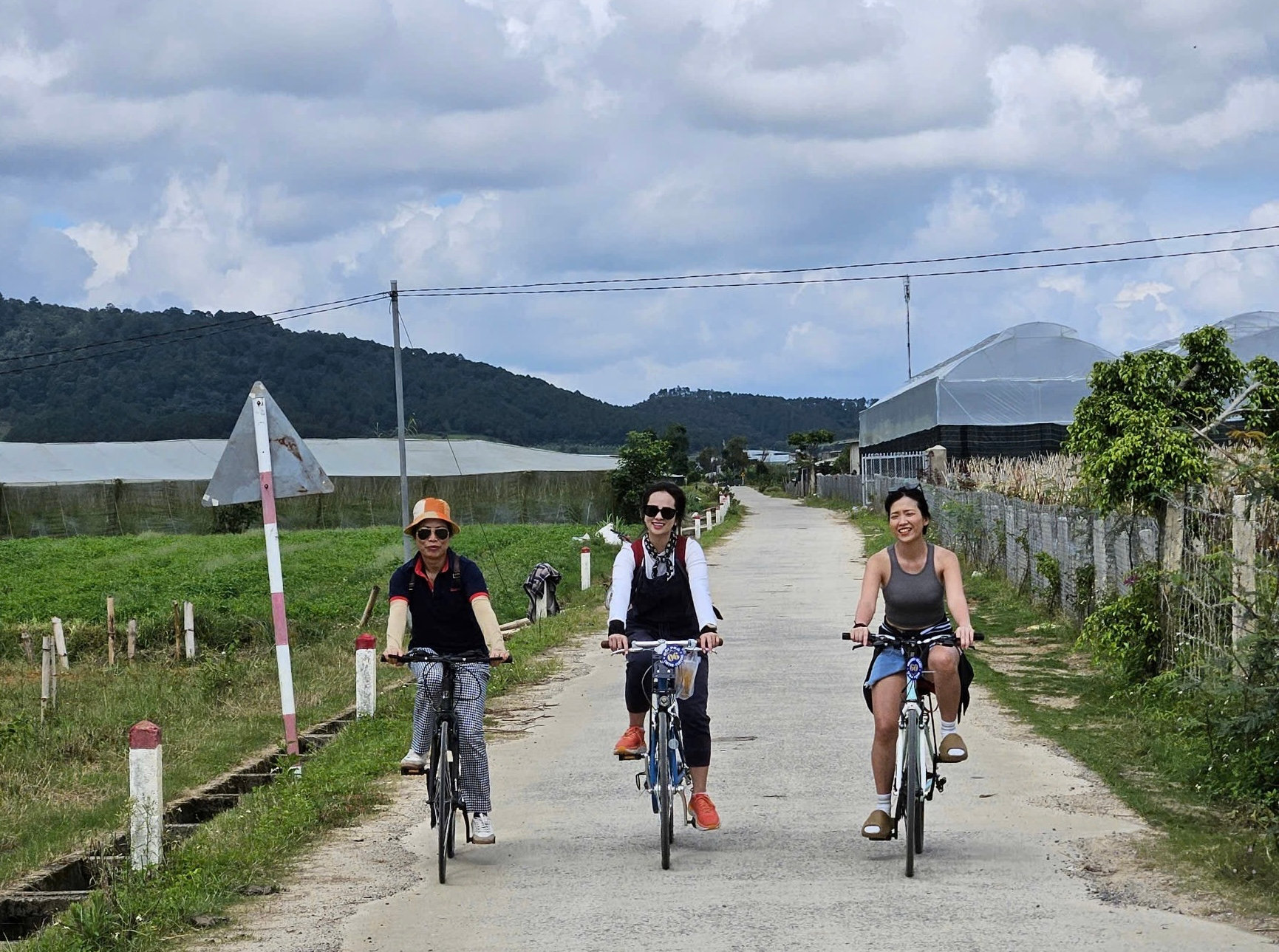
What began as small, spontaneous groups has evolved into more structured routes, supported by tour operators, sports clubs and enthusiast communities. This shift has improved safety standards while gradually shaping a more defined tourism product.

One standout route is Ta Nang – Phan Dung, widely regarded as a top destination among trekking enthusiasts.
With rolling hills, open grasslands and streams, the journey offers layered experiences—both physically demanding and visually dynamic
Amateur runner Ho Thanh Thuy.
The route’s relatively untouched landscape adds to its appeal, with each ridge and slope offering new perspectives on the highland ecosystem.
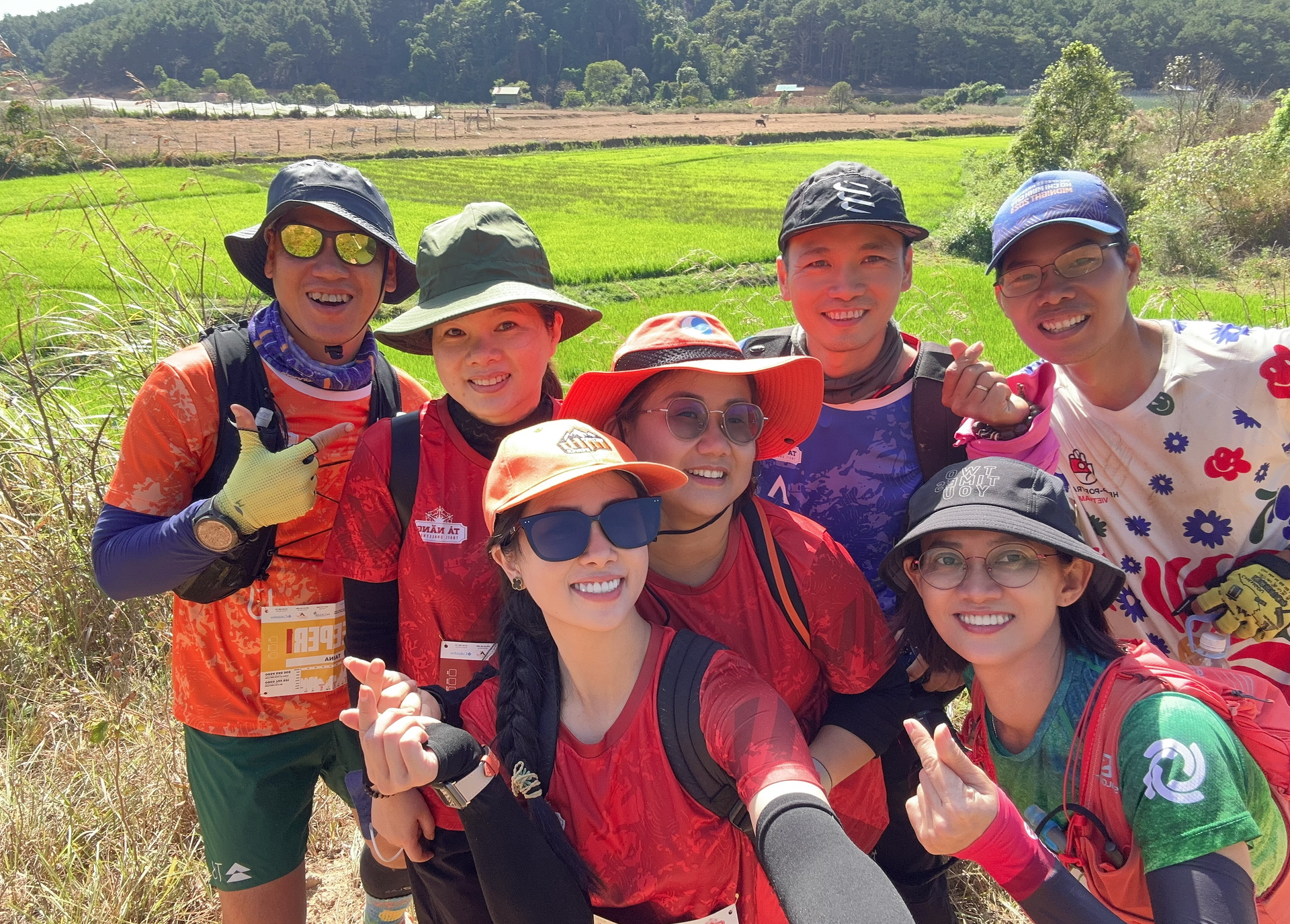
Importantly, routes are now diversified by difficulty, duration and terrain, making them accessible not only to experienced athletes but also to families, middle-aged travelers and beginners.
Diverse landscapes, diverse experiences
Northern Lam Dong offers a different kind of experience at Bidoup Nui Ba National Park, where dense primary forests support eco-tourism combined with environmental education.
The biodiversity and forest ecosystem here make it ideal for trekking linked to nature study
Local athlete Vu Thanh Cong.
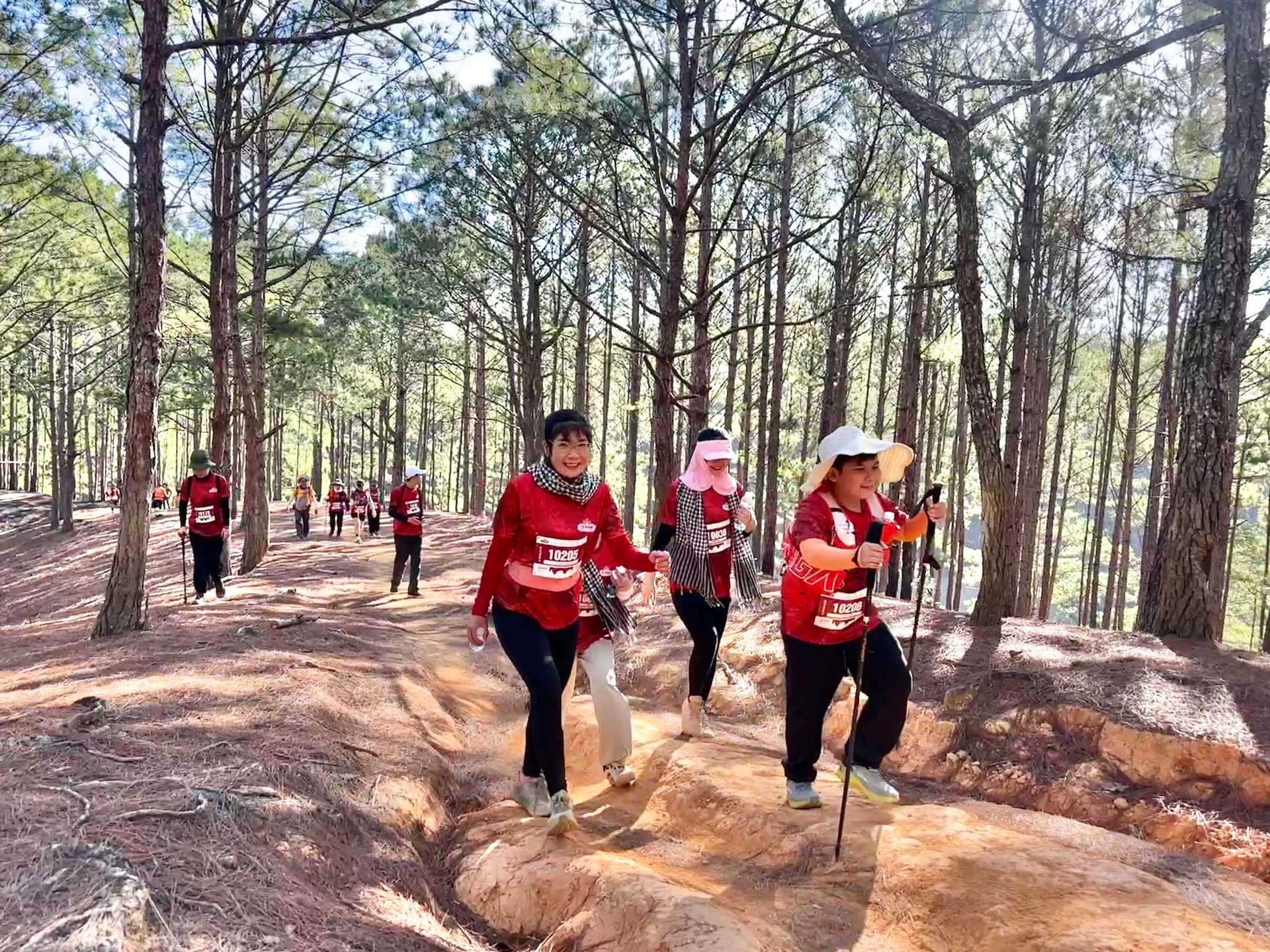
Meanwhile, southern areas such as Di Linh and Bao Loc offer rolling tea hills, open landscapes and mild weather—well suited to lighter activities like walking, jogging or leisure cycling.
This geographical diversity allows Lam Dong to build a multi-layered tourism system catering to different visitor segments.
Community engagement is another notable outcome. Small- and mid-scale events have helped build networks of outdoor enthusiasts, promoting Lam Dong as an active, nature-friendly destination.
Leveraging seasonal advantages
Seasonality is a defining strength of Lam Dong’s outdoor tourism.
“The dry season, from late year to April, is ideal for long-distance trekking thanks to stable weather and firm ground conditions,” said local guide Le Thi Thuy Duong.
During summer, visitor numbers rise, but preferences shift toward shorter, lighter experiences such as lakeside walks or urban runs in Da Lat

The rainy season brings a different landscape—lush vegetation and richer ecosystems—but also requires greater preparation due to slippery terrain and rapidly changing weather.
“Conditions are more challenging, so participants need proper skills and equipment,” said amateur runner Nguyen Thi Thu Ha.
Events like the Vietnam Highlands Trail—which drew more than 1,000 domestic and international athletes—highlight the growing scale and professionalism of the sector.
From largely spontaneous beginnings, sports tourism in Lam Dong is steadily evolving into a structured and sustainable segment. By combining physical activity with nature and cultural exploration, the province is not only diversifying its tourism offerings but also reinforcing its position as a dynamic experiential destination in Vietnam’s Central Highlands.