


Spring Colors in the Traditional Festivals of Lam Dong’s Ethnic Communities
As the year draws to a close and a new spring begins, the traditional festivals of ethnic minority communities across Lam Dong come alive with vibrant celebrations. These events embody hopes for abundant harvests and reaffirm the enduring bonds within each community.
Lam Dong is home to 49 ethnic groups, including many long-established minority communities. Alongside socio-economic development, their spiritual and cultural life has grown increasingly rich. Numerous rituals and festivals have been preserved, restored and regularly organized.
Within the system of folk beliefs, many festivals are closely linked to agricultural cycles and community life, such as the Kate Festival of the Cham people; the Water Wharf Worship Ceremony of the M’nong and Ede; and the New Rice Celebration of the Co Ho, Ma, M’nong, Thai and Chu Ru communities.
These festivals are often accompanied by gong performances, epic storytelling, solo performances of traditional instruments, folk singing and folk games — creating a vivid cultural space at the turn of the year.
Ramuwan – A Vibrant New Year for the Cham Bani Community
Ramuwan is the most important spiritual festival of the Cham Bani community. Beyond its religious meaning, the festival connects past and present, expressing gratitude to ancestors while honoring humanitarian values and community solidarity.
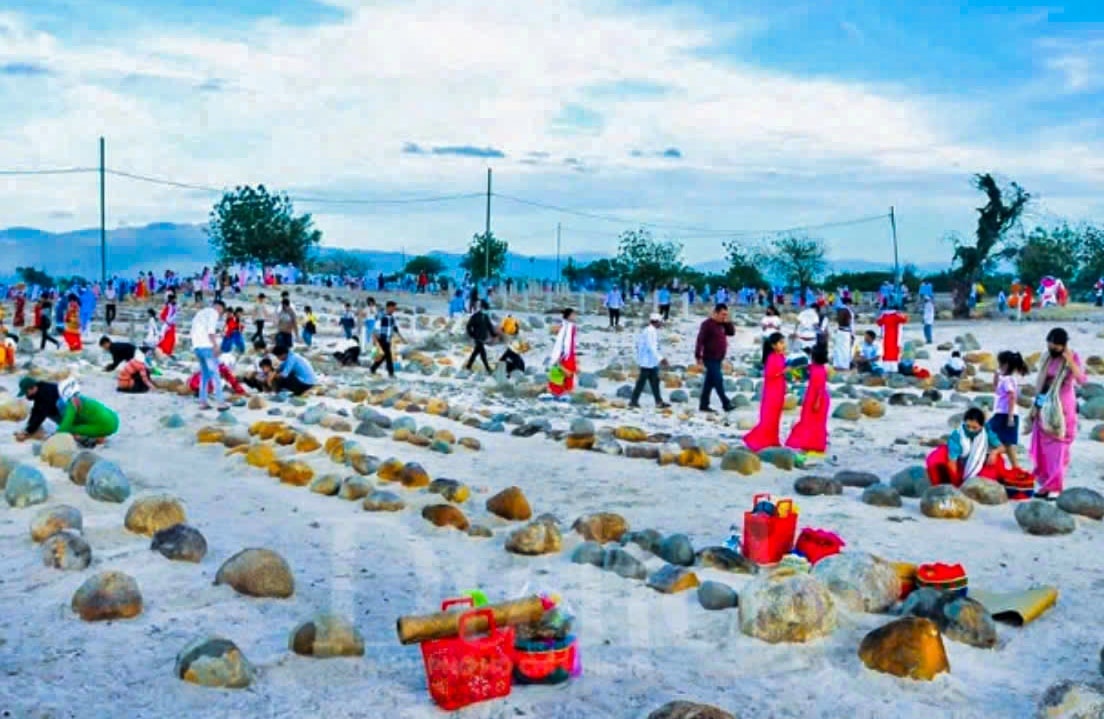
This year, Ramuwan coincides with the Lunar New Year, creating a unique convergence between the national spring atmosphere and Cham cultural identity. The festival begins with a grave-visiting ritual, during which family members clean and tend ancestral graves and light incense to invite their forebears home for Tet. Traditional offerings include ginger cakes and sakaya cakes, symbolizing wishes for peace and happiness in the coming year.
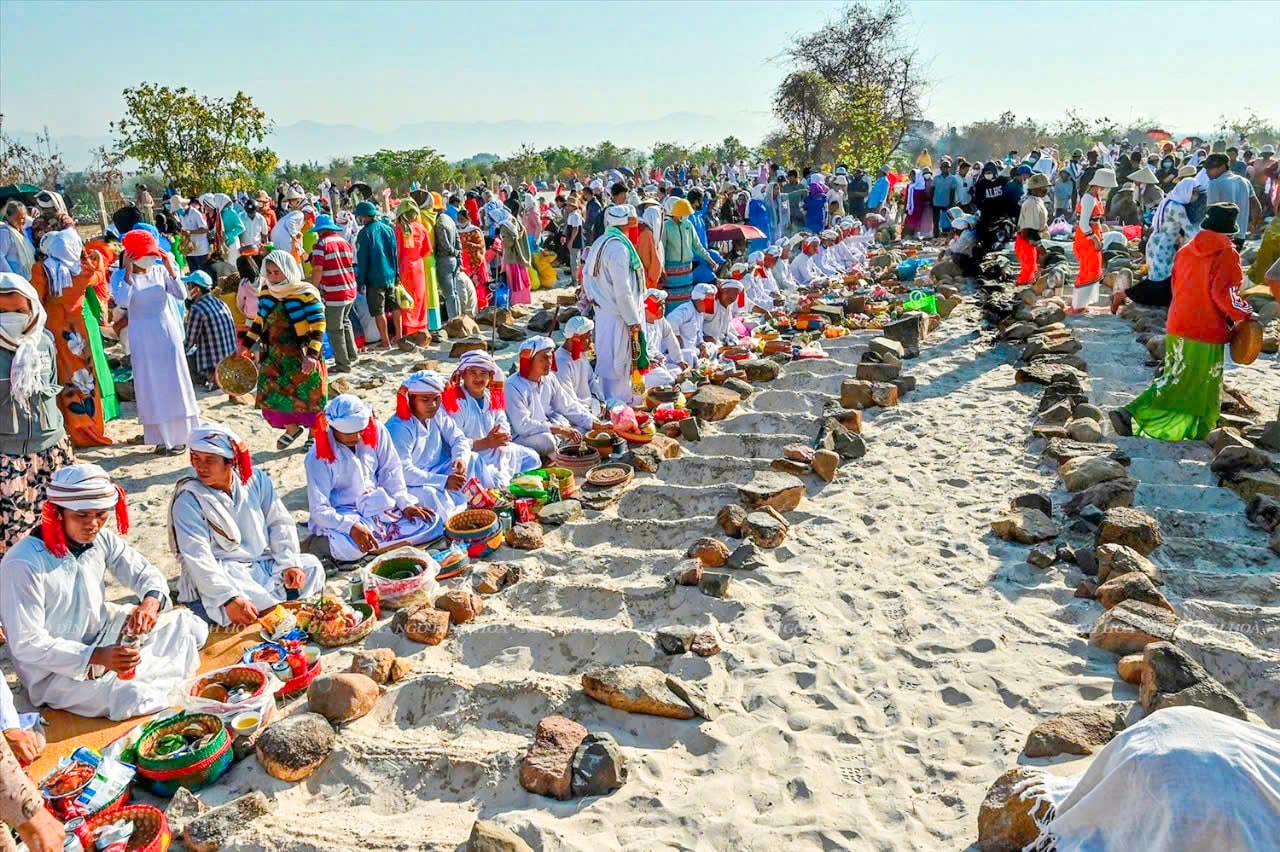
During Ramuwan, religious dignitaries enter the mosque for a month of fasting and prayer for peace and prosperity. At the same time, community members celebrate Tet in a spirit of joy, safety and thrift, combining festive activities with cultural preservation, production development and local security maintenance.
New Rice Celebration – Gratitude to Heaven and Earth, Strengthening Community Bonds
For agrarian communities, rice is not merely food but a sacred symbol of life. The New Rice Festival — or post-harvest thanksgiving ceremony — therefore holds a central place in their spiritual life.
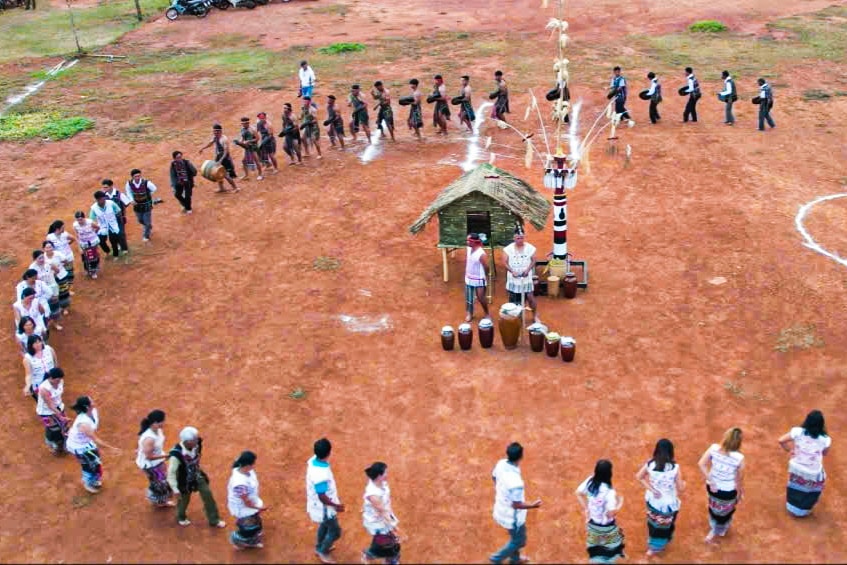
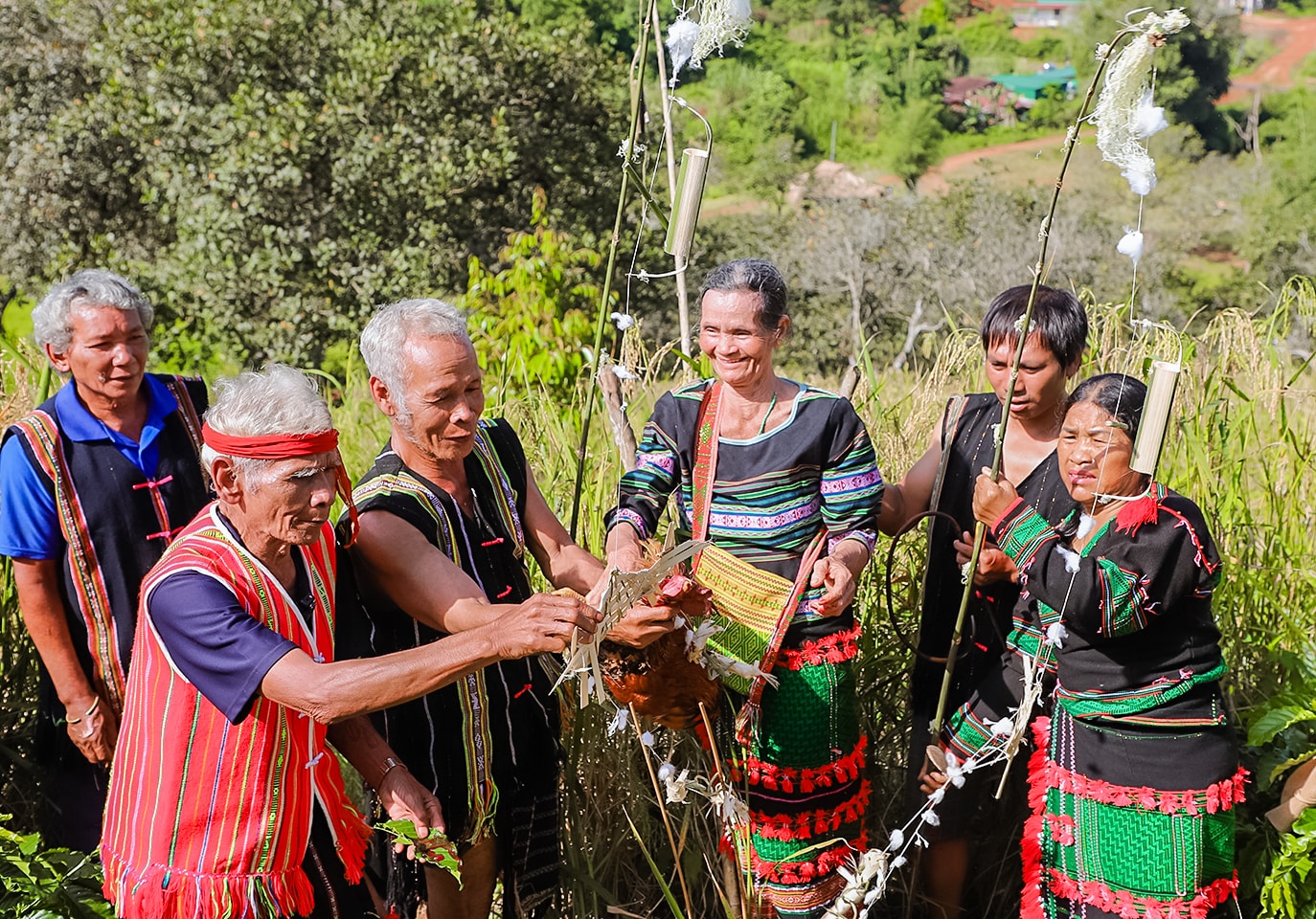
After harvesting, the Ma community organizes the New Rice Festival with traditional rituals. Offerings include a ceremonial pole, jar wine, eggs, newly harvested rice, clear water, rattan shoots and a rooster. The village elder and household head invite deities and the rice spirit to witness the ceremony and pray for prosperity, abundance and happiness.
Following the ritual, the community gathers for feasting, gong performances, xoang dances and folk games such as tug-of-war, stick pushing and stilt walking. The festival provides time for rest after a year of hard labor while reinforcing solidarity and shared joy.
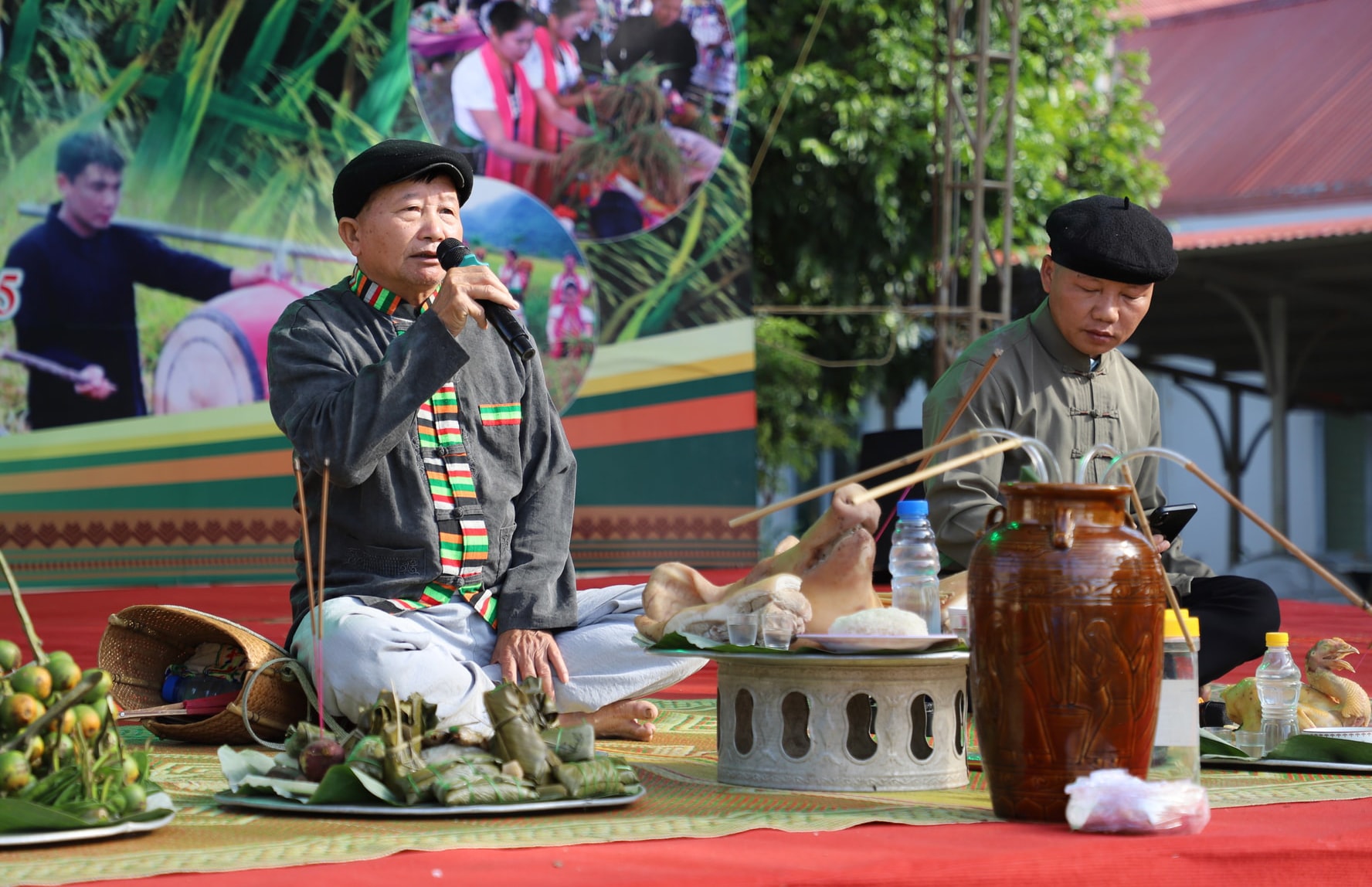
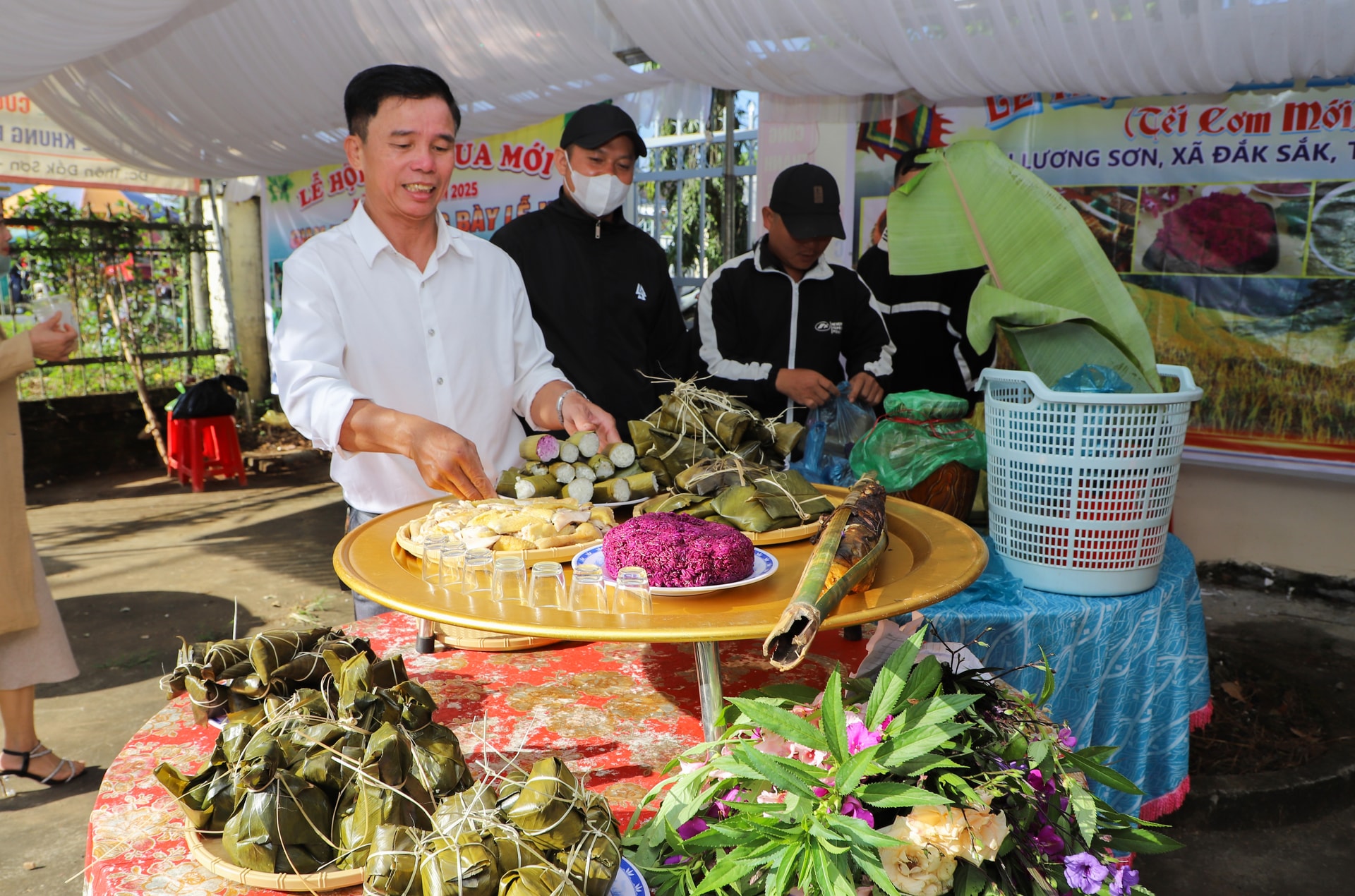
Among the Thai ethnic group, the New Rice Ceremony is organized at the village level and presided over by a ritual master. Offerings include newly harvested rice, bamboo-tube rice, sticky rice, square sticky rice cakes, jar wine, pork, chicken, grilled fish and fruits.
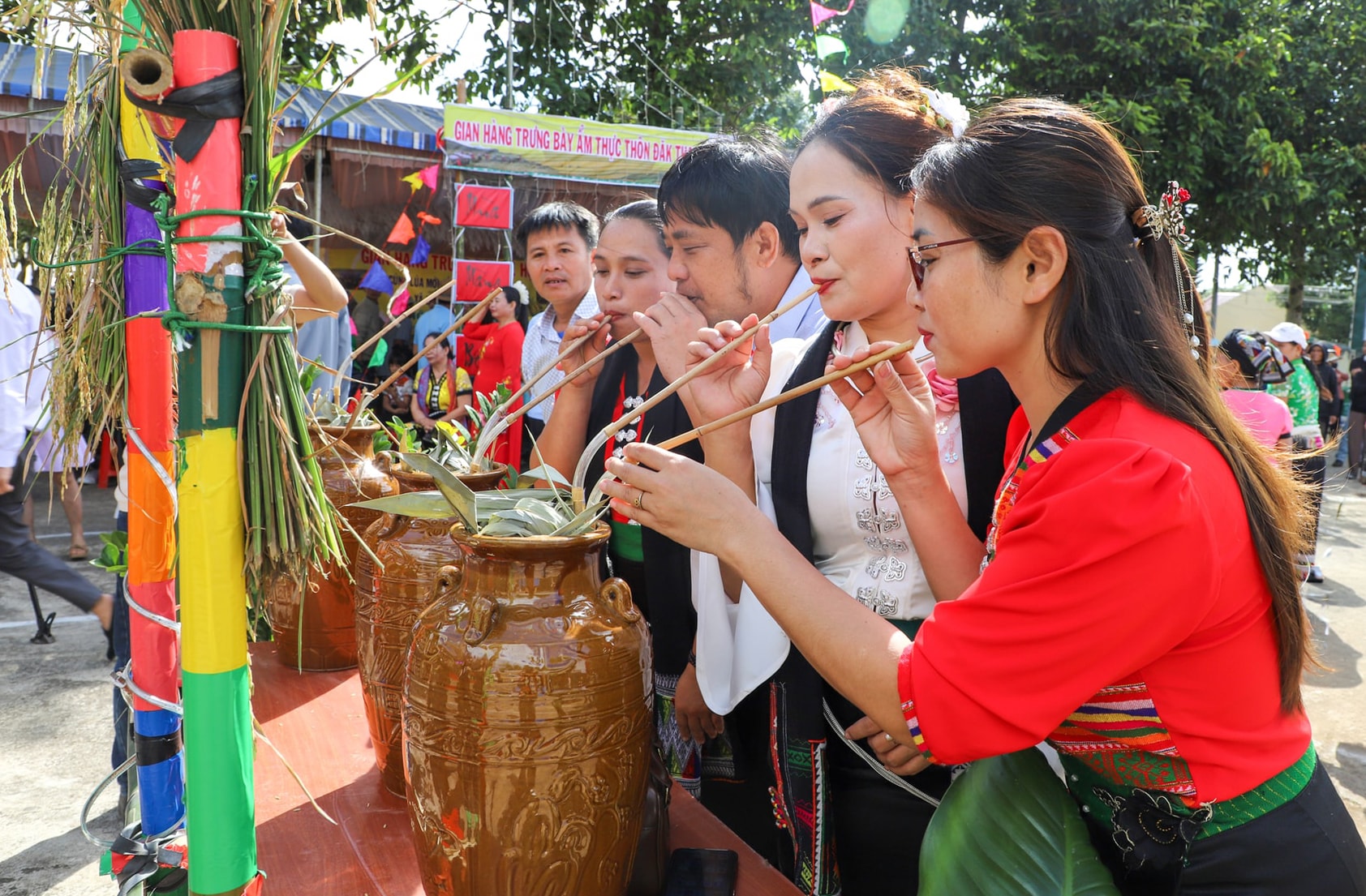
After the solemn ritual comes a lively festival atmosphere featuring Thai folk songs, the khèn bè (traditional mouth organ), bamboo pole dancing, xoe dance and the “Unity Dance,” creating a vibrant artistic space rich in communal spirit. The ceremony is both an expression of gratitude to heaven and ancestors and a way to transmit cultural heritage to younger generations.
For the M’nong people, the Harvest Festival is among the most significant annual celebrations, typically held at the end of the year after crops are gathered. It is a time to pause farming activities and offer thanks to deities. Offerings consist of locally cultivated produce and jar wine. The village elder performs the ritual, praying for favorable weather, abundant harvests and community unity.
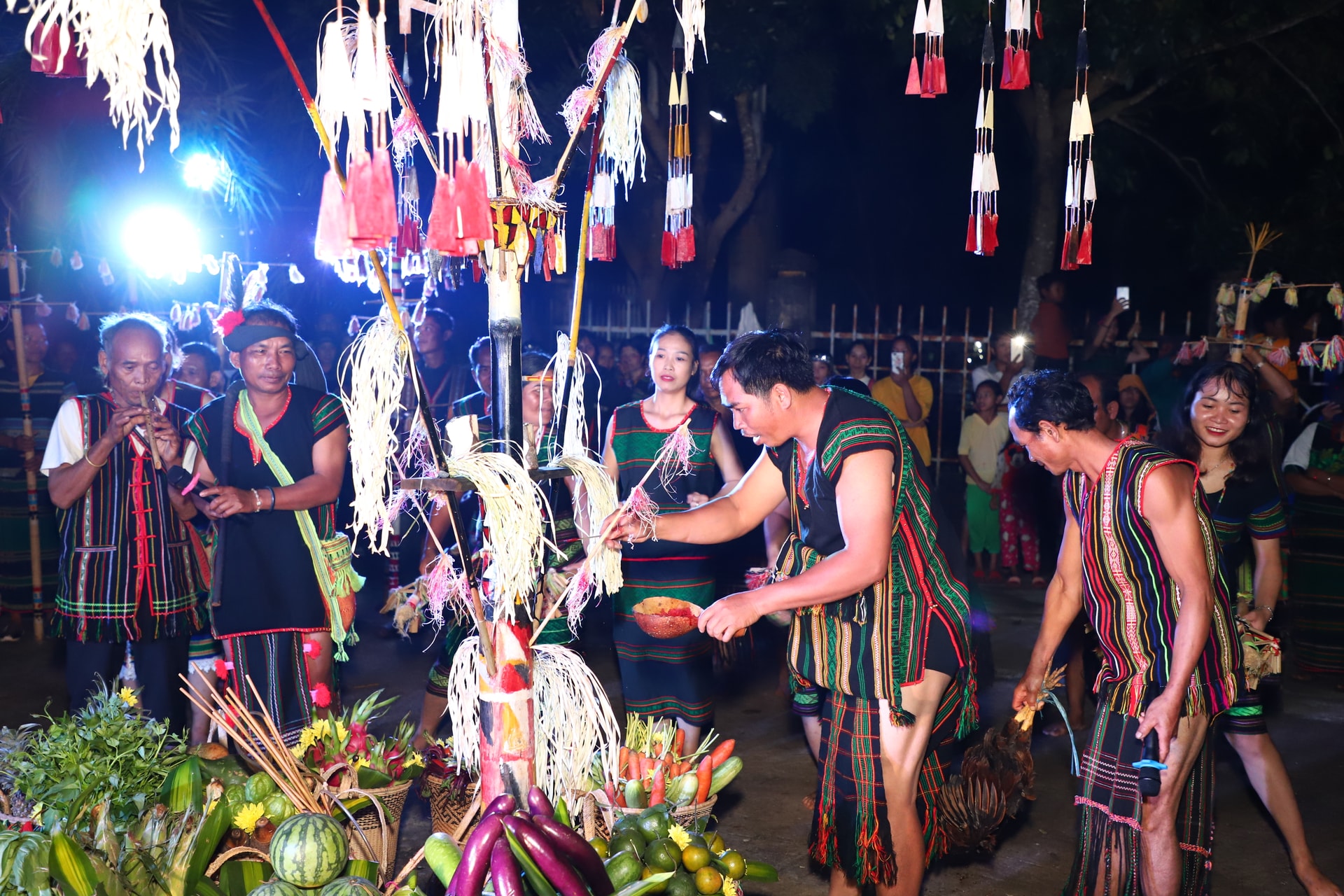
After the ceremony, the community celebrates with gong performances, xoang dances, cultural exchanges and traditional games. Beyond its spiritual meaning, the Harvest Festival reflects a philosophy of harmony with nature and affirms the central role of community in M’nong life.
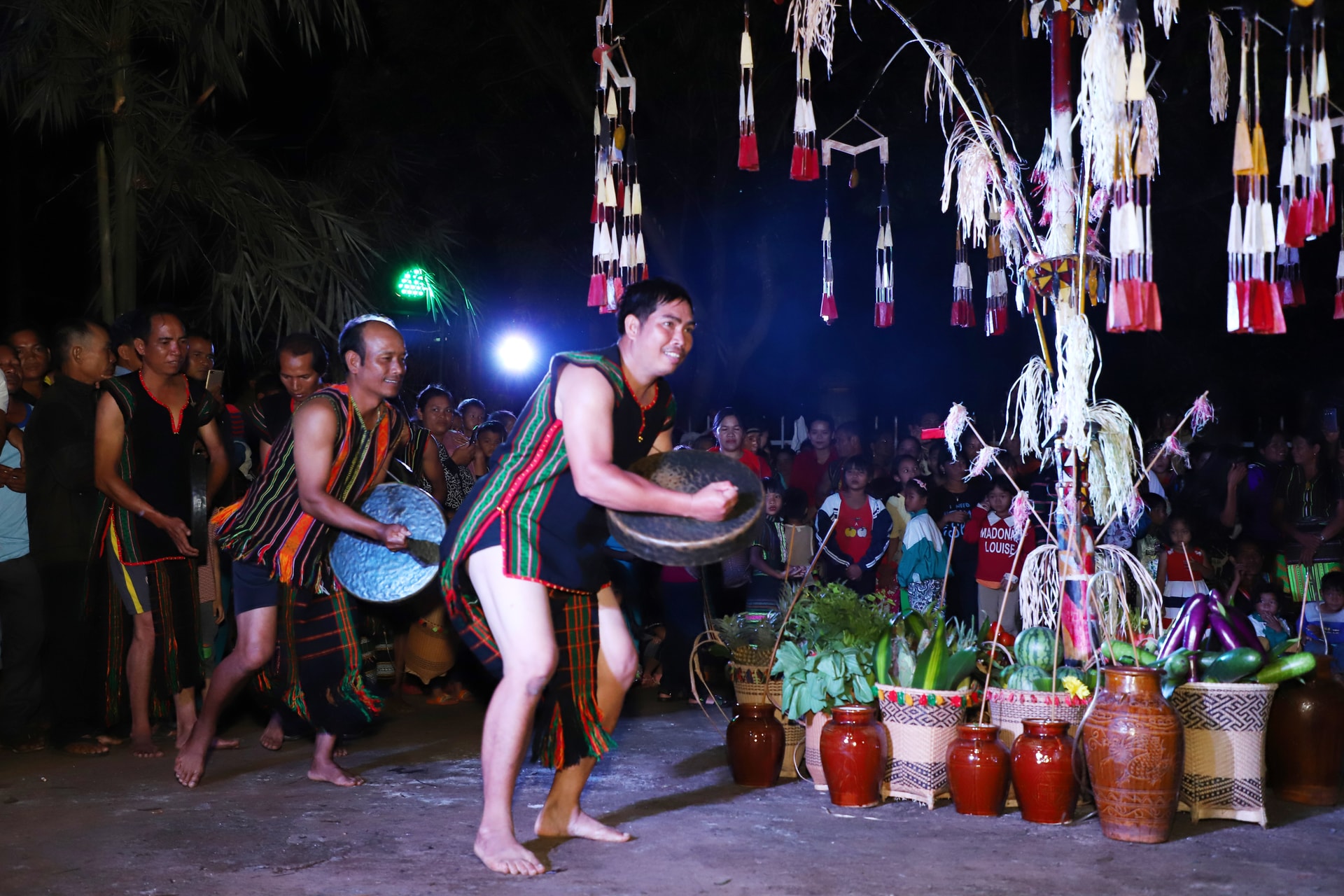
Long Tong Festival – Welcoming the New Year for the Tay and Nung
In early spring, the Tay, Nung, Dao, Thai and Mong communities in several localities across Lam Dong organize the Long Tong Festival, also known as the Field-Going Festival. For the Tay and Nung, this is one of the most important events of the year, rooted in agricultural beliefs and hopes for favorable weather and bountiful harvests.
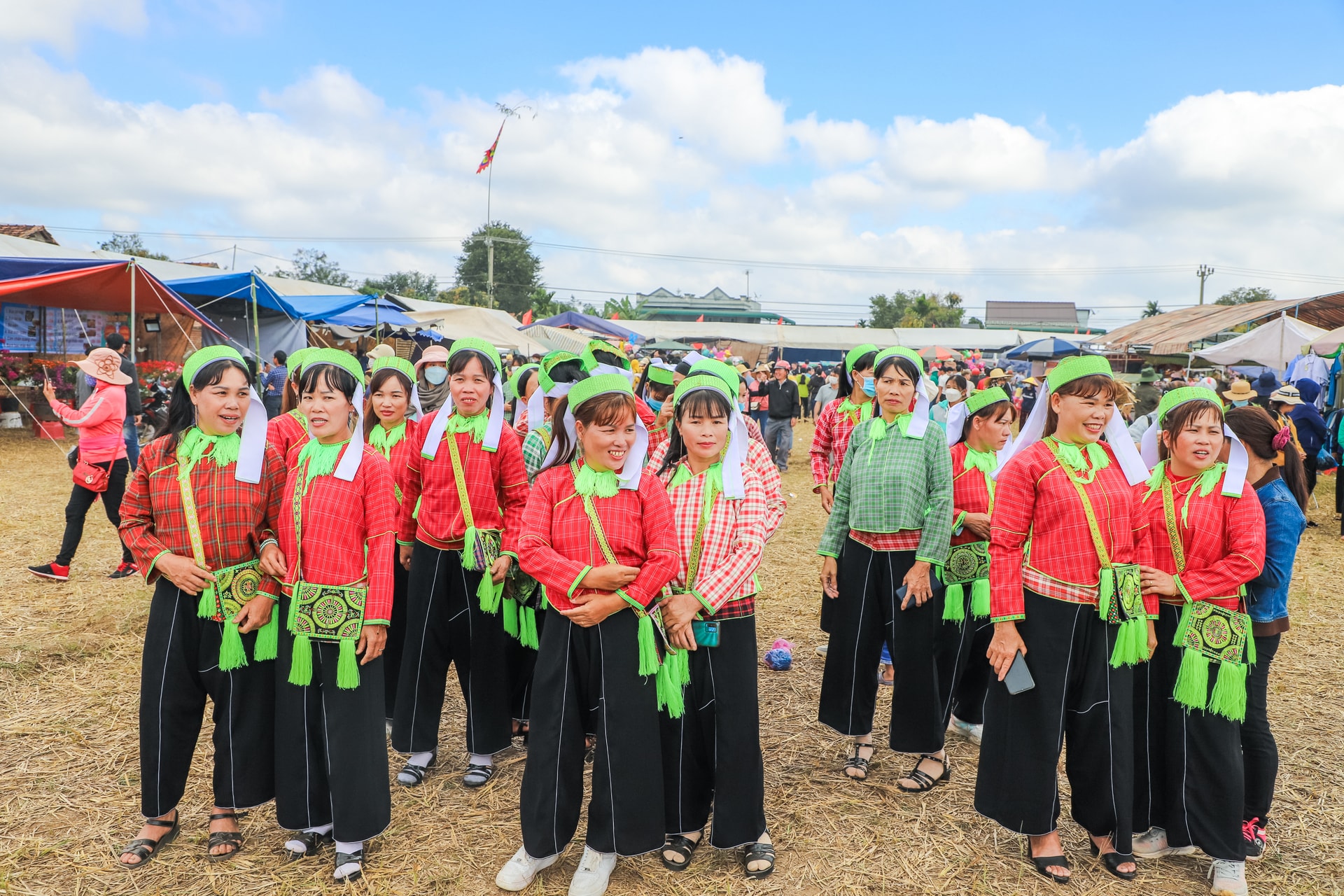
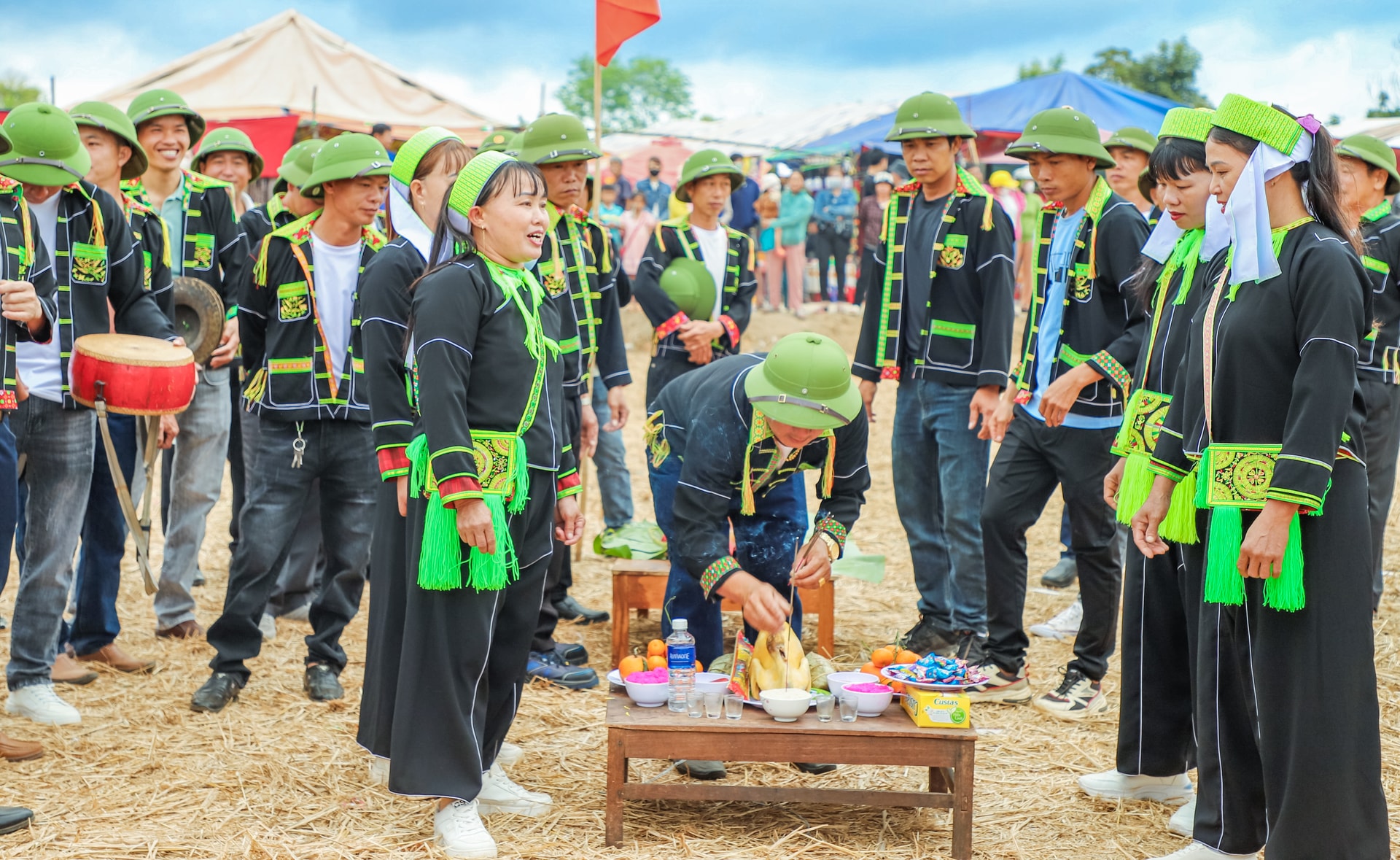
During the ritual, offerings to heaven and earth include five-colored sticky rice, roasted pig, chicken, square and round sticky rice cakes, khảo cakes and bamboo-tube rice.
The festival section features folk songs, dances, cuisine and traditional games, attracting large numbers of residents and visitors.
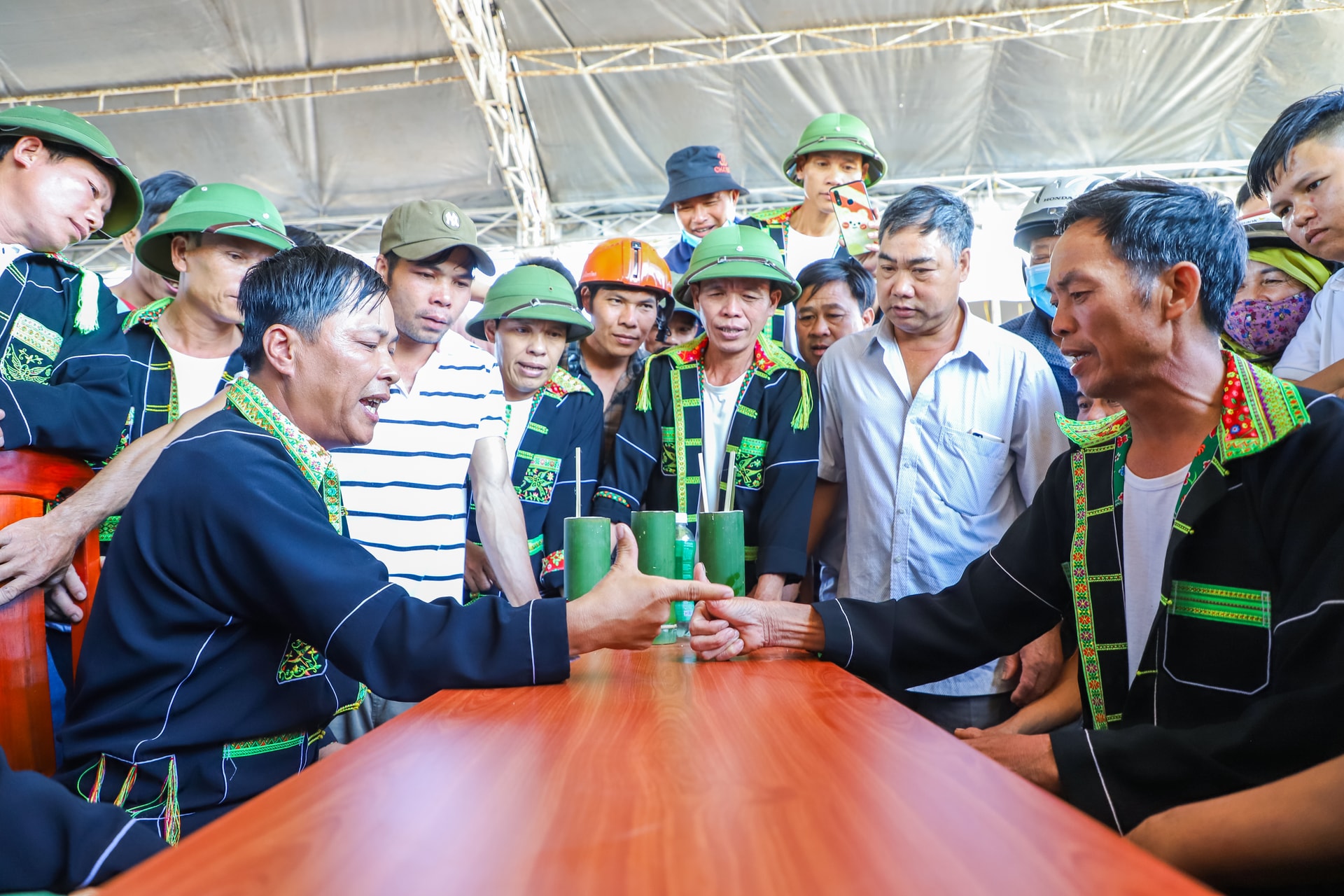
Traditional festivals of ethnic minority communities are not only spiritual events but also living cultural heritages, reflecting indigenous knowledge, worldviews, lifestyles and distinct identities.
Efforts to preserve, restore and promote these festivals have helped safeguard unique cultural values, strengthen inter-ethnic cohesion and open opportunities for cultural tourism development.
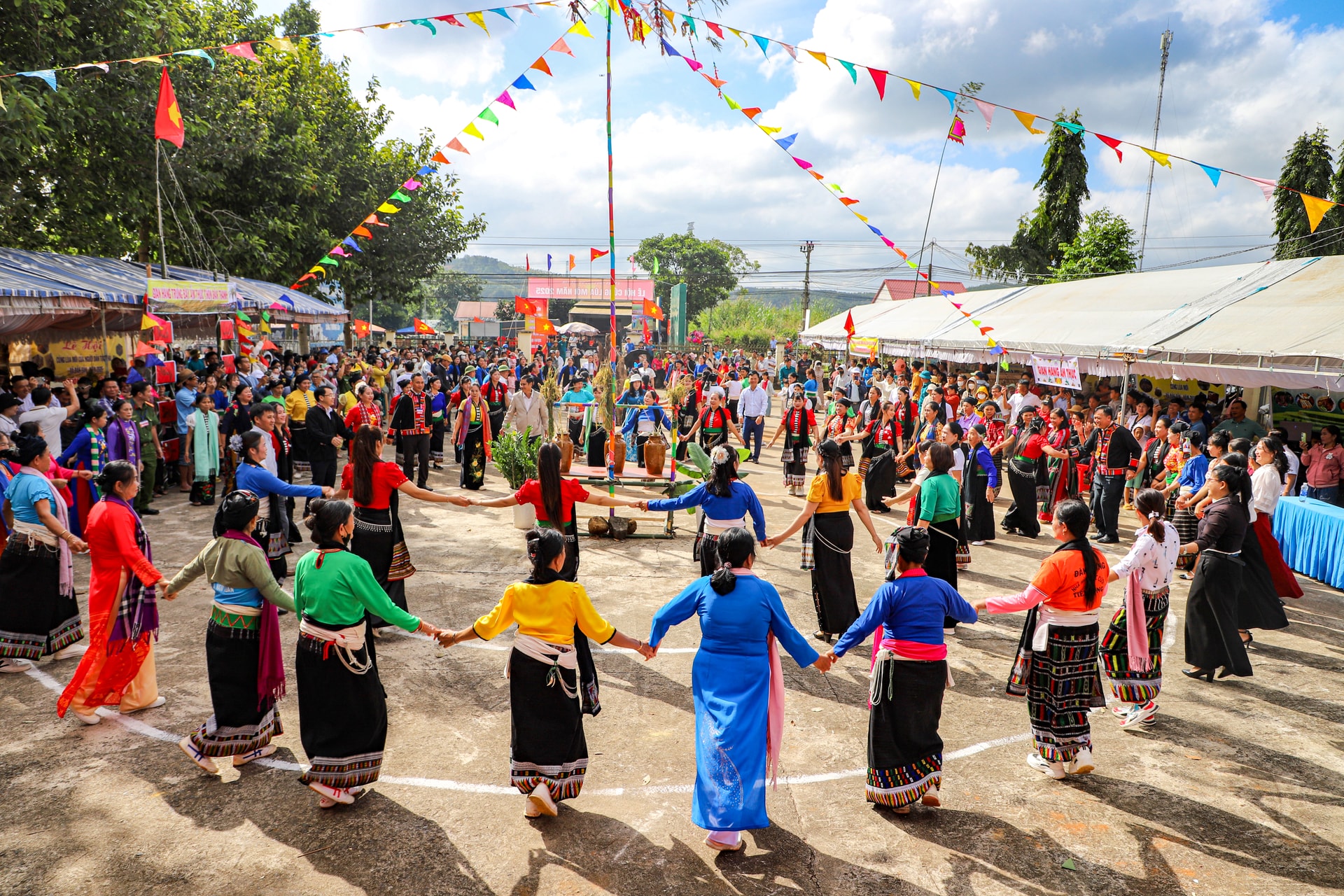
Amid the flow of modern life, these spring festivals remain cherished as threads linking past and present, enriching spiritual life and affirming the enduring vitality of traditional culture in the Central Highlands of Lam Dong.