


Strengthening Local Brand Identity Through Intellectual Property Development
In the digital economy, intellectual property is a key resource that determines competitiveness. Through the implementation of the Intellectual Property Development Program toward 2030, Lam Dong Province has initially achieved significant results in enhancing the value of its distinctive local agricultural brands.
A Strong Impression Through Numbers and Brands
According to the Department of Science and Technology, the Intellectual Property Development Program has been implemented in a relatively comprehensive manner across key areas, including the establishment, exploitation, protection, and enforcement of intellectual property rights.
Between 2021 and 2025, the province made notable progress in the area of intellectual property development. It has secured intellectual property rights for 96 community trademarks, which include 37 certification marks, 54 collective trademarks, and 5 geographical indications.
Additionally, there are 6,336 registered conventional trademarks, 519 certificates for industrial design registrations, and 24 patents. These accomplishments lay a crucial groundwork for the province to effectively manage, utilize, and improve its intellectual property assets in the years ahead.
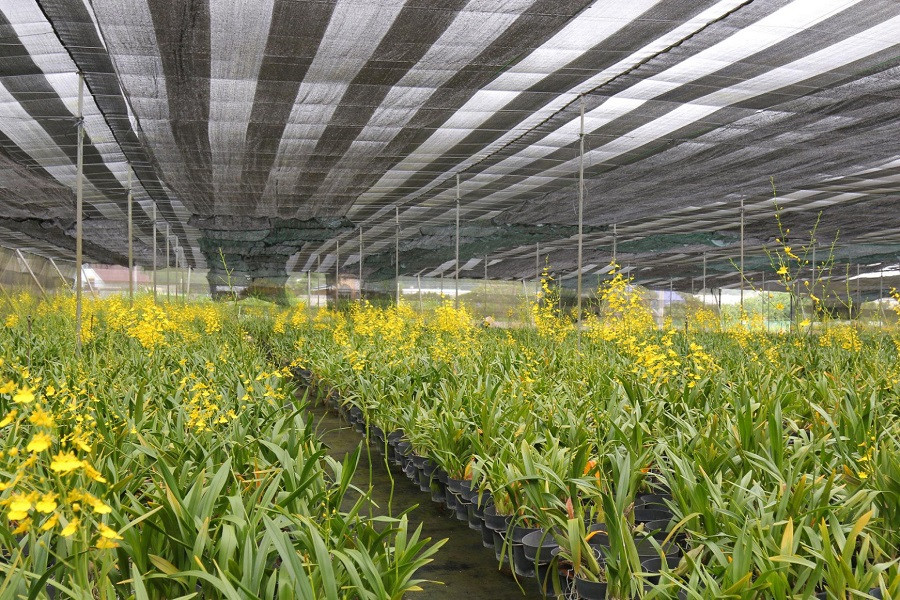
At the same time, numerous local specialty products have gradually gained recognition and established their presence in the market, such as Binh Thuan dragon fruit, Phan Thiet fish sauce, Lam Dong coffee, the brand “Da Lat – The Magical Crystallization from Good Earth,” Da Huoai durian, along with various other agricultural and specialty items.
These outcomes indicate that intellectual property is increasingly connected to production development, quality improvement, traceability, trade promotion, and the enhancement of the province’s product image.
Overcoming Barriers to Achieve Breakthroughs
Despite these significant advancements, the Department of Science and Technology reports that the implementation still faces a number of difficulties and obstacles.
Certain protected trademarks have not been utilized effectively, and the ability to grant usage rights to organizations and individuals remains restricted.
Furthermore, efforts related to promotional activities, trade development, market expansion, quality control, and the protection of intellectual property have yet to be carried out in a unified manner.
Specifically, the introduction of the two-tier local government model has created a necessity to reassess and modify information regarding ownership, geographical boundaries, and regulations concerning the management and use of numerous community trademarks.
At a recent seminar titled “Solutions to Promote Community Trademark and Intellectual Property Development Across Lam Dong Province Toward 2030,” Ms. Pham Thi Nham, Deputy Director of the Department of Science and Technology, stated:
"Intellectual property serves not only as a legal tool for safeguarding the rights and legitimate interests of individuals and organizations but also as a vital asset for increasing product value and boosting the competitiveness of businesses, cooperatives, and regions.
In the context of Lam Dong Province, the advancement of community trademarks, certification marks, collective trademarks, and geographical indications linked to local specialties, OCOP products, and key agricultural goods is crucial for socio-economic development, establishing local brands, and expanding market reach."
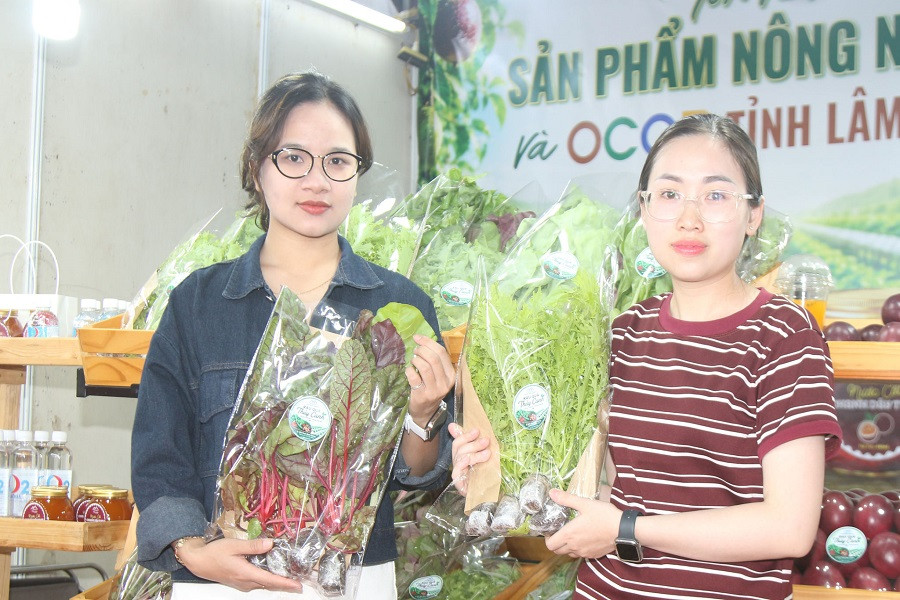
In order to effectively tackle current obstacles and turn intellectual property into a catalyst for sustainable development, the science and technology sector is evaluating the entire trademark system to suggest suitable strategies for vital areas such as vegetables, flowers, coffee, tea, and fisheries.
Concurrently, authorities will maintain their support for localities in finalizing the procedures for updating and revising protection certificate information at the Intellectual Property Office following the administrative restructuring.
Moreover, collaboration between the Department of Science and Technology, the Department of Agriculture and Environment, and the Department of Industry and Trade will continue to be enhanced. This synchronized approach aims to promote better integration among production, processing, and markets, in alignment with the actual development conditions of key agricultural sectors throughout the province.