


Summarizing Experiences and Providing Advice on the Establishment Scheme for the Lam Dong Coastal Economic Zone
Nguyen Hong Hai, Vice Chairman of the Lam Dong Provincial People's Committee, has directed the Management Board of Industrial Zones to coordinate with relevant departments and local authorities to synthesize regional lessons and advise the committee on establishing a coastal economic zone leveraged on the province’s inherent potential and competitive advantages.
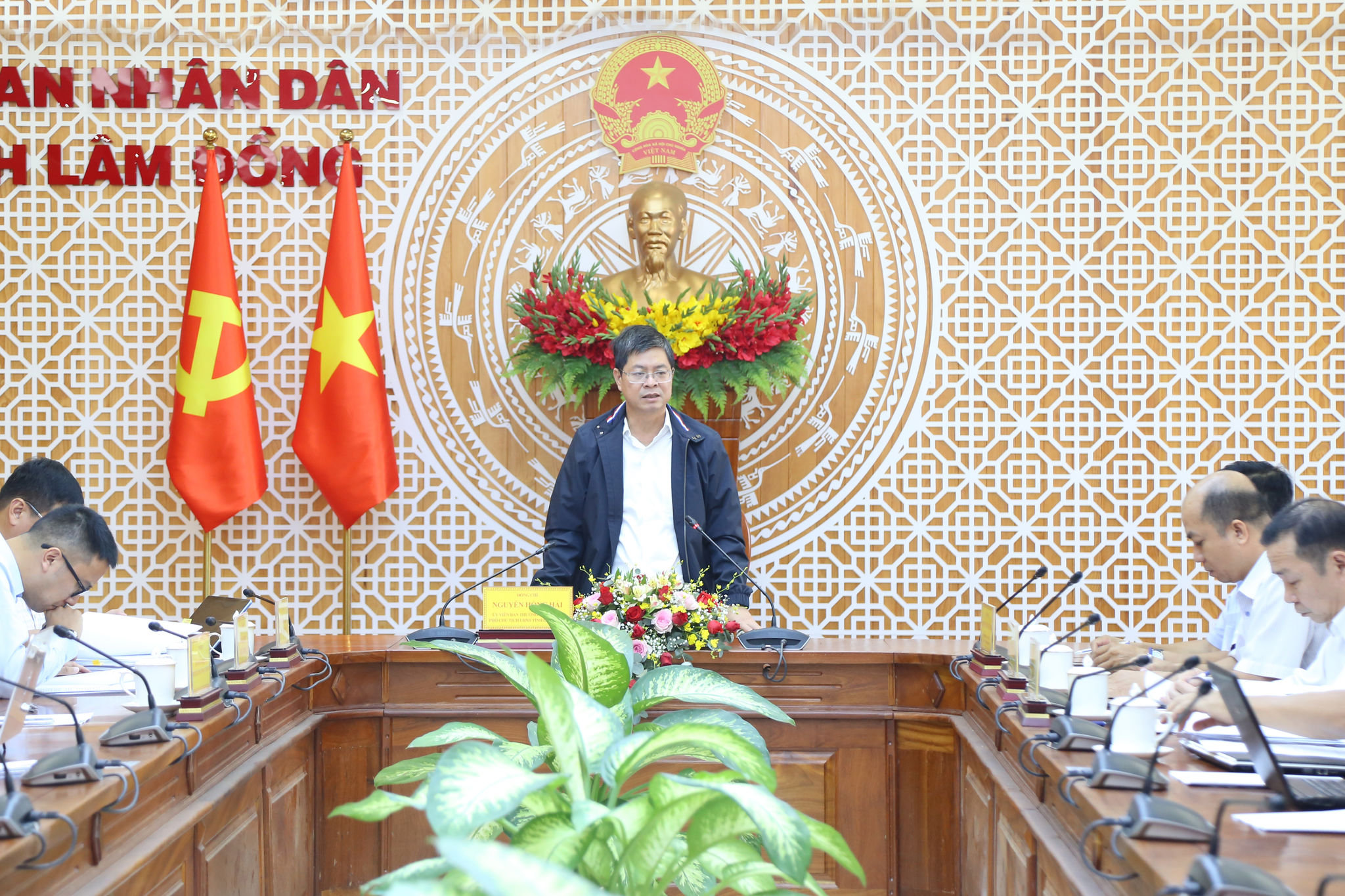
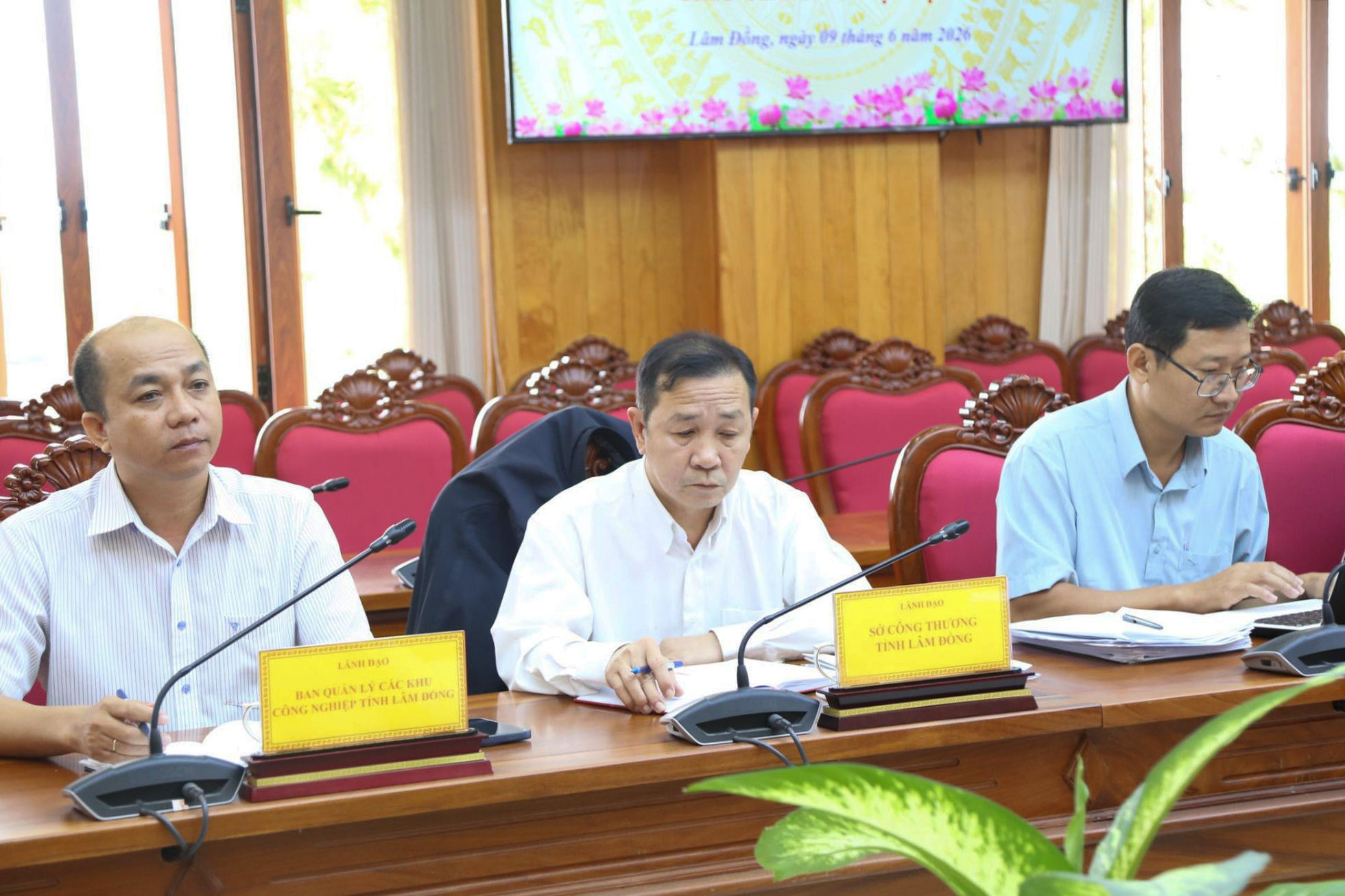
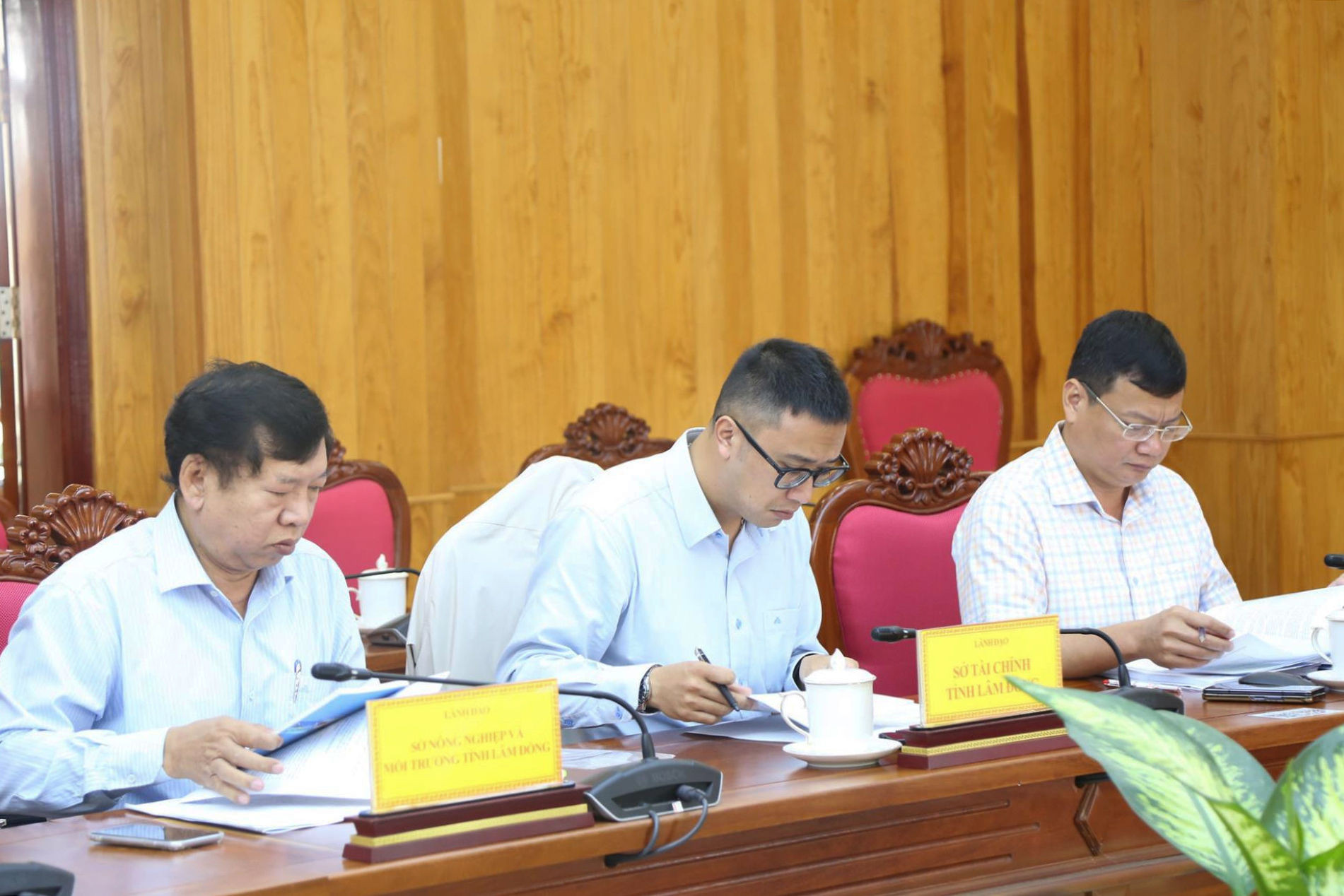
On June 9, Vice Chairman Nguyen Hong Hai chaired a working session to review a briefing from the Management Board of Industrial Zones regarding field studies on the implementation of coastal economic zones and free trade zones. The session was attended by heads of various provincial departments and sectors.
According to the Management Board of Industrial Zones of Lam Dong Province, insights gathered from field studies in Hai Phong, Da Nang, and Thanh Hoa indicate that forming and developing a coastal economic zone or a free trade zone is a long-term process.
This milestone requires sustained leadership and strategic direction from both central and local governments. Furthermore, the province must select highly experienced consulting firms to ensure optimal zoning and functional alignment of sub-zones.
Strategic Infrastructure Requirements
The briefing noted that a coastal economic zone can only thrive when supported by a well-invested seaport system, localized energy sources, robust logistics frameworks, and synchronous transportation connectivity.
Regarding the free trade zone model, experiences from Da Nang and Hai Phong indicate that while the potential is substantial, it demands exceptionally high standards for infrastructure, logistics, human resources, and tailored policy frameworks. Additionally, due to specialized mechanisms, such models typically do not generate substantial state budget revenue in the short term.
Based on these practical findings, the Board concluded that researching the establishment of a Southern Coastal Economic Zone in Lam Dong is both necessary and justifiable. The project is expected to unlock new developmental space and efficiently tap into local potential.
However, authorities stressed that implementation requires a practical roadmap to ensure feasibility and efficiency in line with the province’s actual socio-economic conditions.
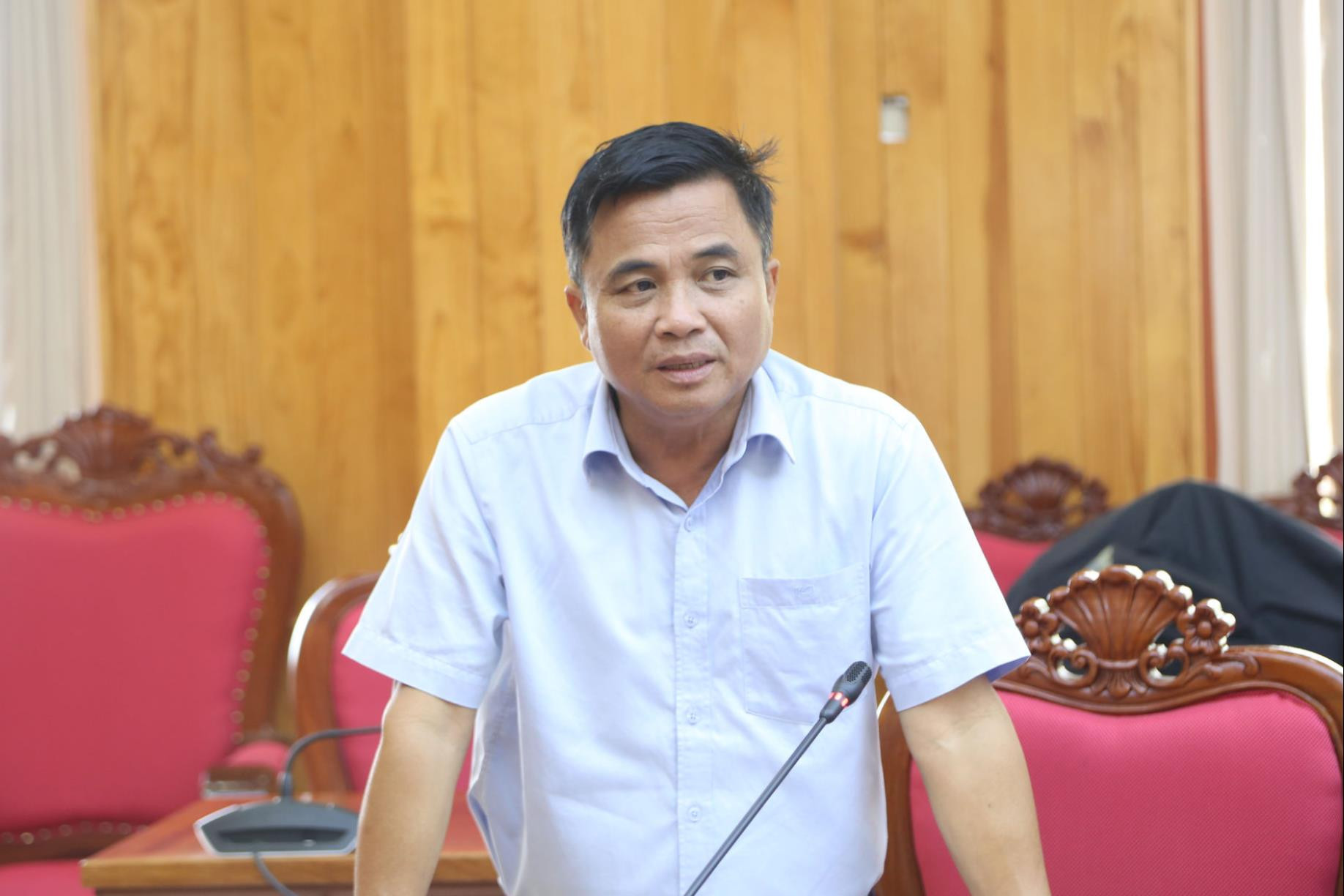
During the session, the Management Board and various provincial departments reached a consensus that the immediate priority is to focus on drafting the establishment scheme for the coastal economic zone. Relevant units have been tasked with proposing appropriate policy mechanisms to lay the groundwork for future marine economic growth. The lead agency must also prioritize selecting a consultant with proven capabilities in zoning, economic zone development, seaports, and logistics.

Capitalizing on Competitive Advantages
Concluding the meeting, Vice Chairman Nguyen Hong Hai underscored that Lam Dong possesses numerous favorable conditions to advance the coastal economic zone project, particularly its clean energy potential and seaport infrastructure.
Furthermore, the Vice Chairman highlighted that Lam Dong has large areas of cleared land available at competitive lease rates compared to other regions. The province’s transport connectivity is also becoming increasingly integrated, with access to seaports, airports, railways, highways, and waterways.
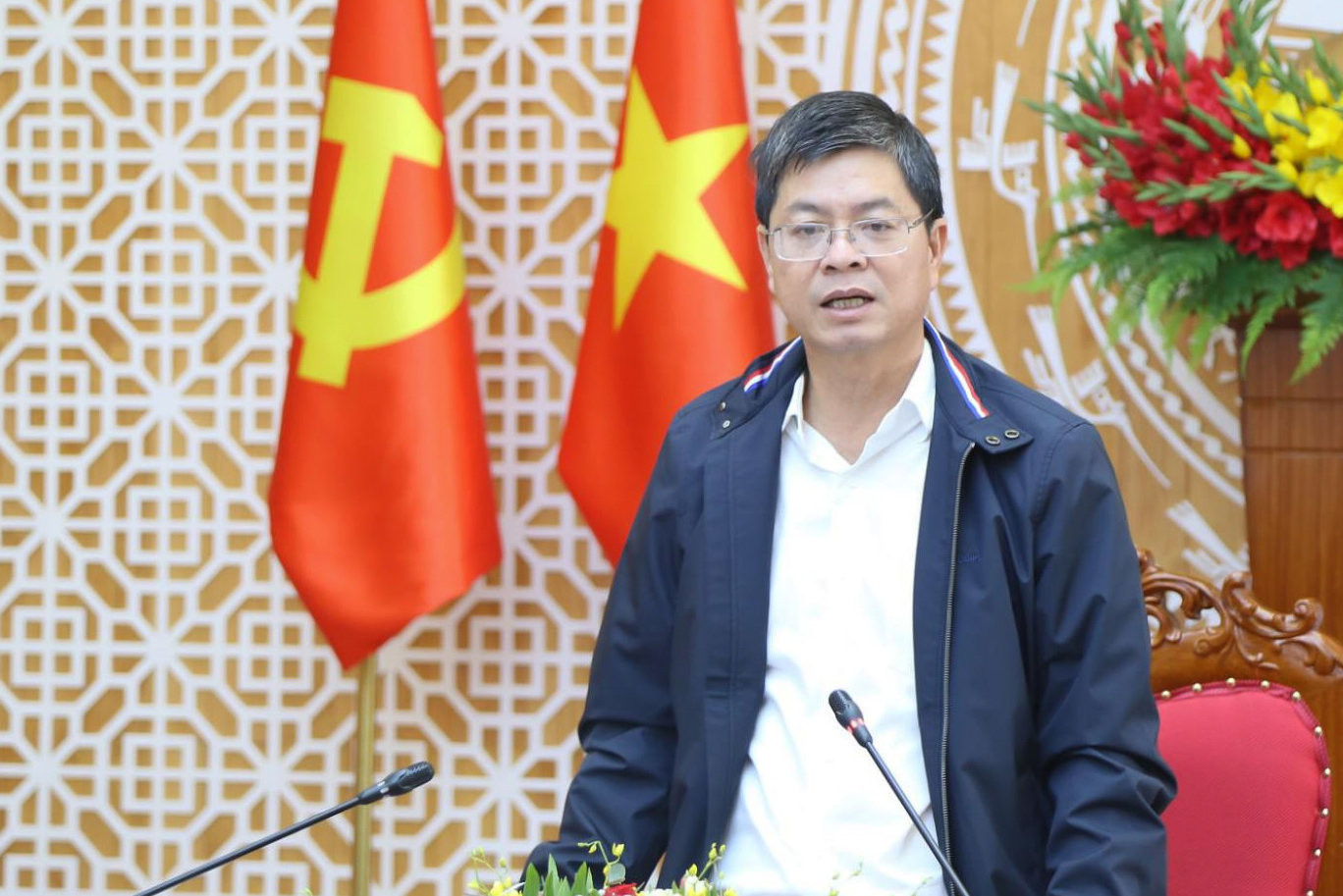
To move the project forward, Vice Chairman Hai instructed the Management Board of Industrial Zones to deliver a detailed report on its field study findings and formally propose the structural model for the coastal economic zone. The Board will actively coordinate with consultants to build the project outline and budget estimates.
The consulting firm must possess the capability and expertise to design a framework that aligns with current market realities. The plan must clearly define the province's competitive advantages and strategically position Lam Dong within the broader development context adjacent to the Southern Key Economic Region.
Nguyen Hong Hai, Vice Chairman of the Lam Dong Provincial People's Committee
The Vice Chairman noted that the Management Board must establish a detailed, step-by-step timeline. This will enable the People's Committee to assign specific responsibilities to relevant departments, sectors, and local authorities.
On the financial front, the Department of Finance has been directed to advise on funding allocation for the project’s preparation. Concurrently, local communes and wards are required to work closely with the Management Board to provide comprehensive data and relevant planning information during the planning process.
Under the approved adjustments to the Lam Dong Provincial Planning for the 2021–2030 period, with a vision toward 2050, the proposed Southeast Coastal Economic Zone will span approximately 75,000 hectares, encompassing both land and sea areas.
The economic zone will cover the administrative jurisdictions of six communes and wards: Son My, Ham Tan, Tan Minh, Tan Hai, La Gi, and Phuoc Hoi.
Once developed, the coastal economic zone is envisioned as a core driver of comprehensive marine economic development. It will focus on attracting and developing industrial ecosystems in supporting industries, energy, processing, and manufacturing, while also promoting modern urban, commercial, service, seaport, logistics, and port-support complexes.