


Ta Kou Nature Reserve blends biodiversity, Buddhist heritage and a historic forest-protection decision by former Prime Minister Vo Van Kiet.
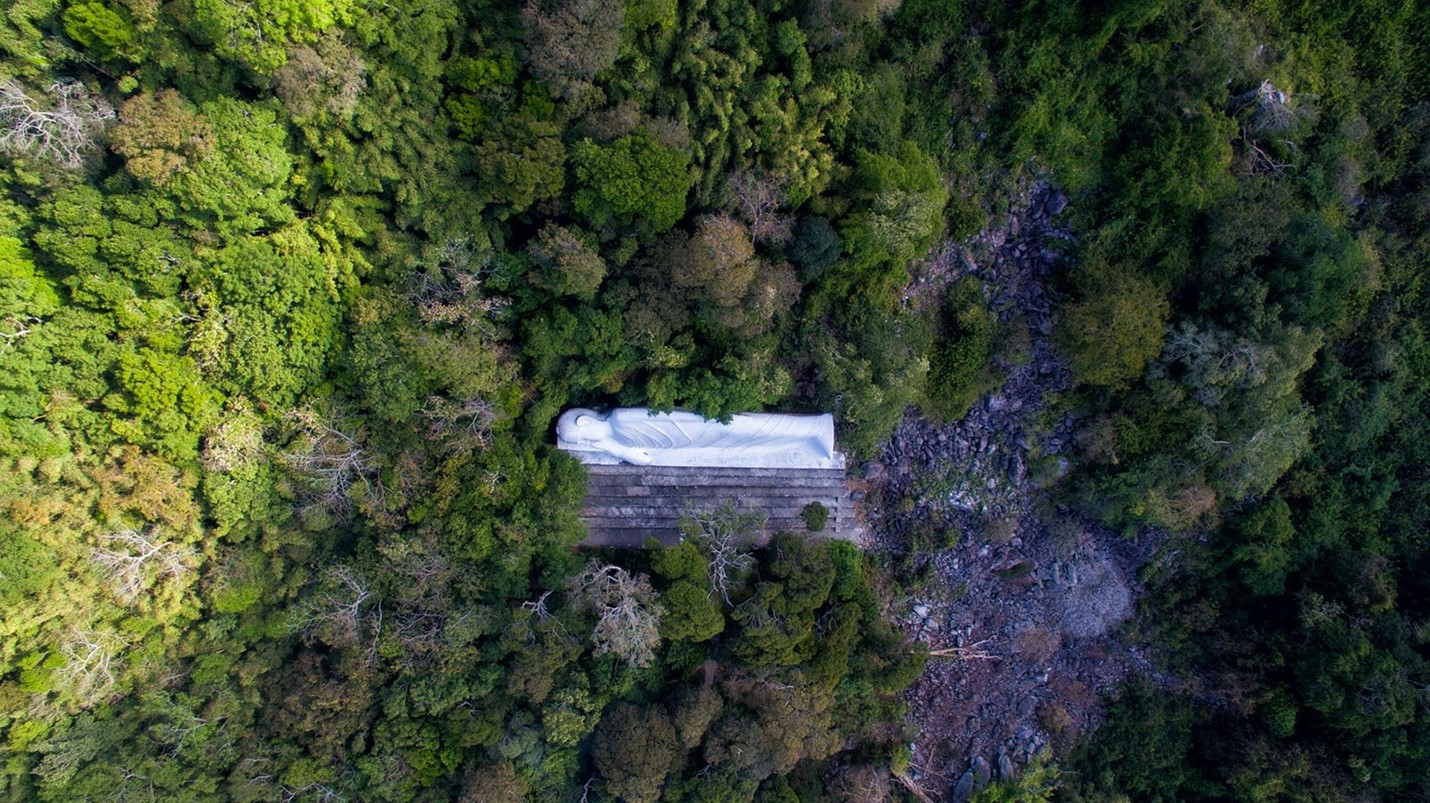
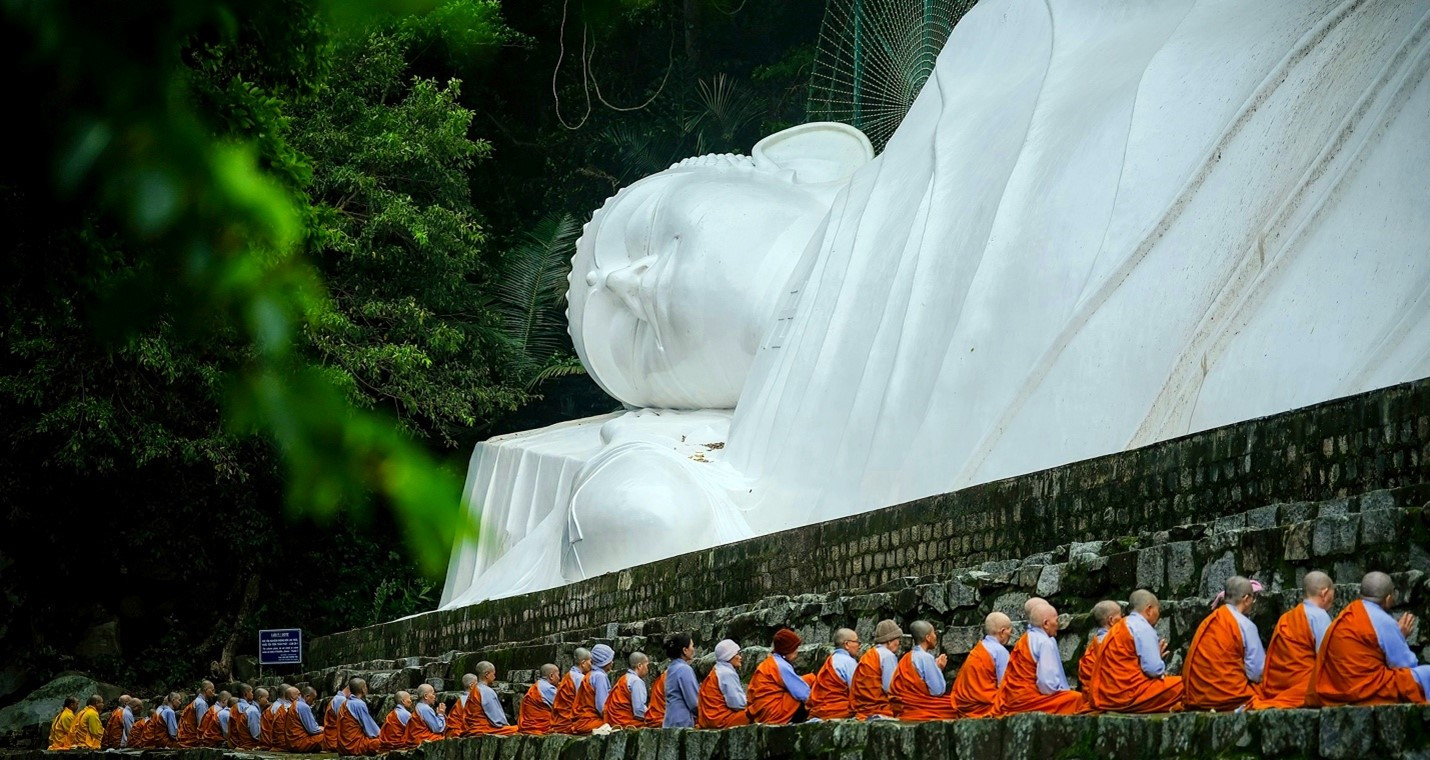
Beneath the 49-meter-long statue of Shakyamuni Buddha entering Nirvana, an ecosystem of global significance continues to thrive quietly. Few people know that exactly 30 years ago, this sacred mountain faced the threat of severe degradation.
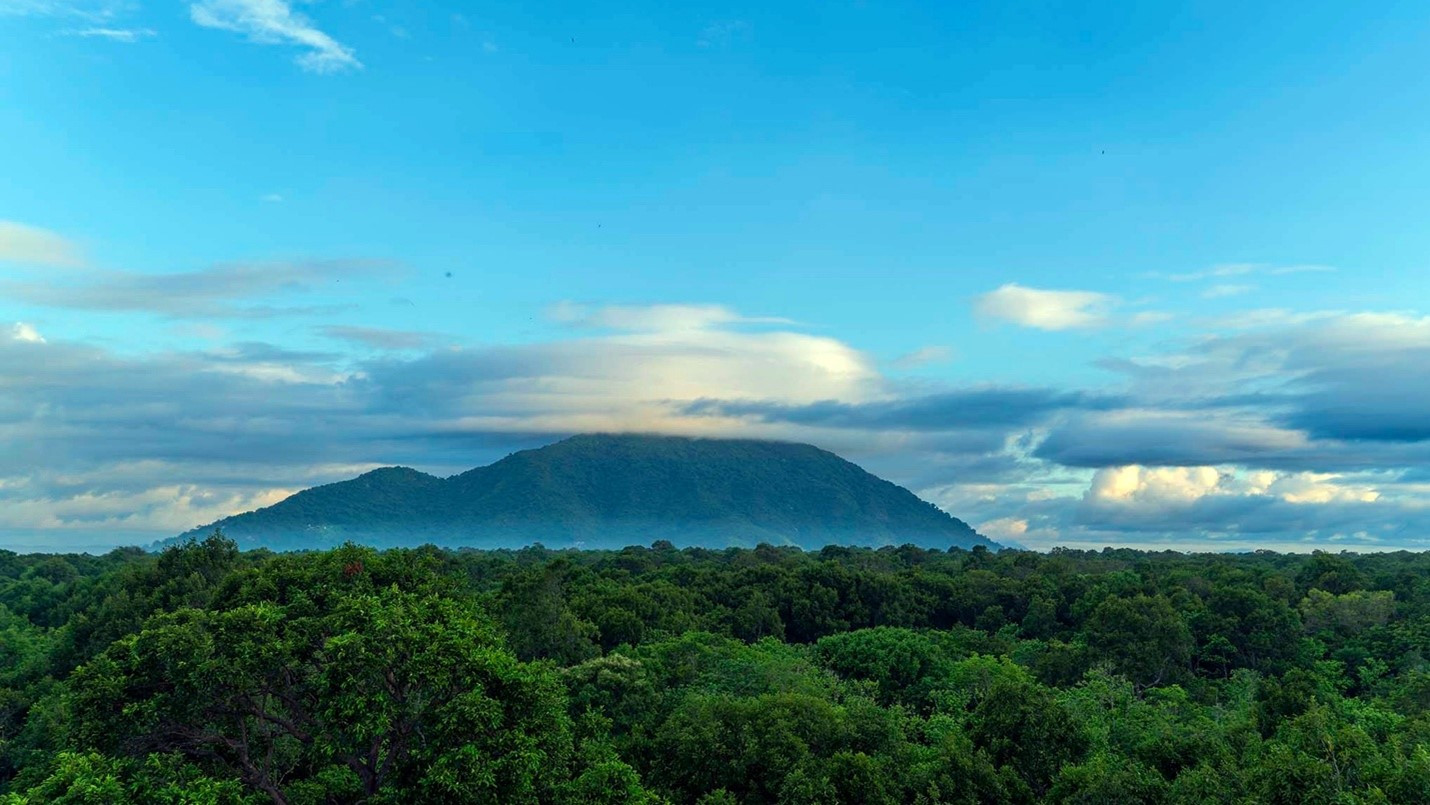
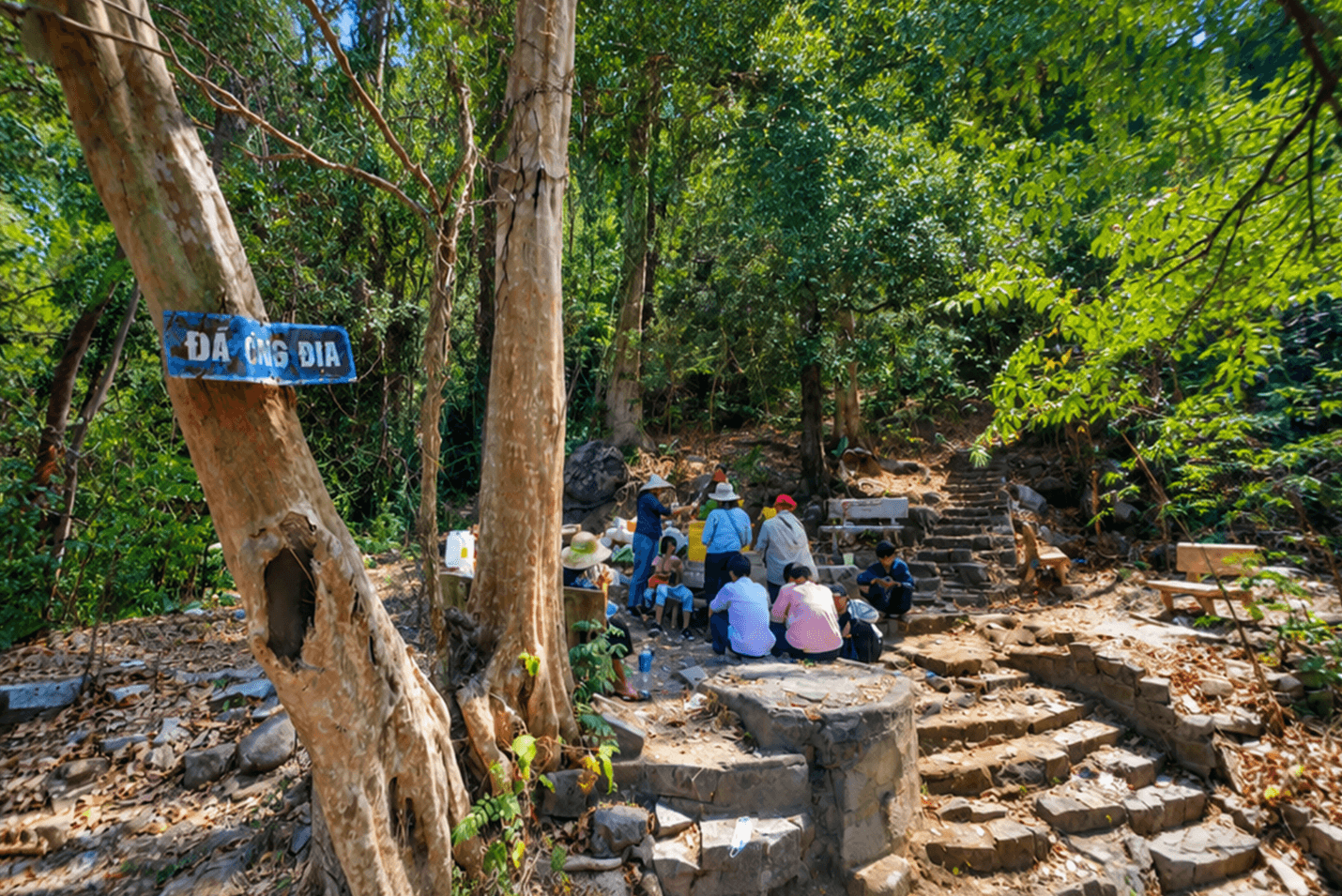
At the end of August 2026, the Ong Dia Rock Park project in Phu Thuy Ward was inaugurated, quickly becoming a vibrant new check-in destination along Lam Dong’s coast. Yet about 35 kilometers away, another Ong Dia Rock sits halfway up Ta Kou Mountain. The two sites share the same name but represent two entirely different cultural spaces.
Ta Kou Nature Reserve: A living memory in the sacred forest
Historical records about Patriarch Tran Huu Duc, whose Dharma name was Thong An and Dharma title Huu Duc, show that in 1872, the monk made his way alone into Ta Kou Mountain, which at the time was considered a forbidding wilderness inhabited by wild animals.
From the mountain’s northern slope, the monk reached Da Ban Ha and then Da Ban Thuong, also known as Ong Dia Rock. Nature had created a massive, remarkably flat rock that offered an ideal place to rest.
The patriarch chose the site for meditation. The harmony between the spiritual energy of the revered monk and the vitality of the surrounding landscape gave the rock a remarkably tranquil and cool atmosphere.
When the water supply ran dry, the monk continued climbing and discovered a small cave just large enough for a person to crawl into. The cave later became known as Hang To, or the Patriarch’s Cave.
After seven years living quietly in the mountains, local residents learned of his presence and joined forces to build a simple hermitage.
Using leaves, plants and medicinal herbs gathered from the highlands, the monk prepared remedies that were said to cure many illnesses among local people.
In 1880, Empress Dowager Tu Du fell seriously ill, while royal physicians were unable to cure her. The provincial governor of Binh Thuan reported to the court on Monk Huu Duc’s knowledge of medicinal herbs. The king sent an envoy to invite him to the royal court, but the monk had vowed never to leave the mountain.
Instead, he gave the envoy the Chuan De mantra and medicinal herbs hastily collected from the mountain, instructing the Empress Dowager to recite the mantra for three days.
Remarkably, she recovered after only three days. Impressed by his virtue and knowledge, the king bestowed the name Linh Son Truong Tho on the pagoda and honored him with the title of Great Elder Venerable.
During the reign of King Dong Khanh, in the Dinh Hoi year, after entrusting Buddhist affairs to his disciples, Venerable Huu Duc passed away at the age of 76.
The place where he had first stopped on his journey into Da Ong Dia Mountain subsequently became a landmark of spiritual significance—a living memory cherished across generations.
In 1962, Venerable Thich Vinh Tho, the resident abbot, and sculptor Truong Dinh Y joined forces to begin construction of a monumental statue of Shakyamuni Buddha entering Nirvana, measuring 49 meters long and 11 meters high.
Eyewitnesses recalled that no helicopter was used to transport construction materials, contrary to longstanding rumors. Thousands of Buddhist followers and workers carried bags of cement and steel beams on their backs up the steep mountain slopes for four years.
At Ong Dia Rock, where a local Earth God statue stands on the flat rock, workers with bleeding shoulders would stop to rest and pray. Remarkably, despite four years of construction on a massive structure under primitive conditions, no worker was reported to have suffered a serious occupational accident or injury.
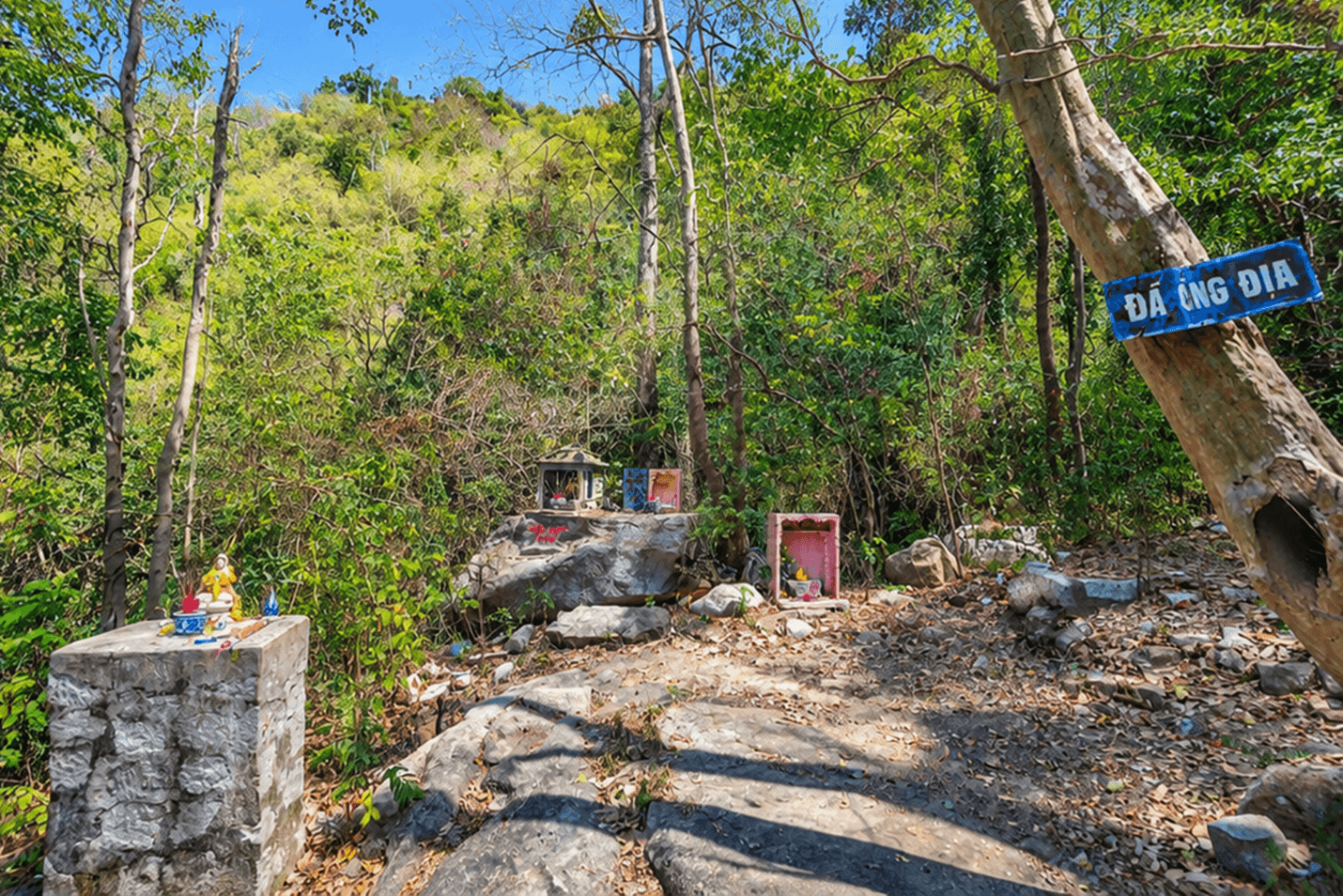
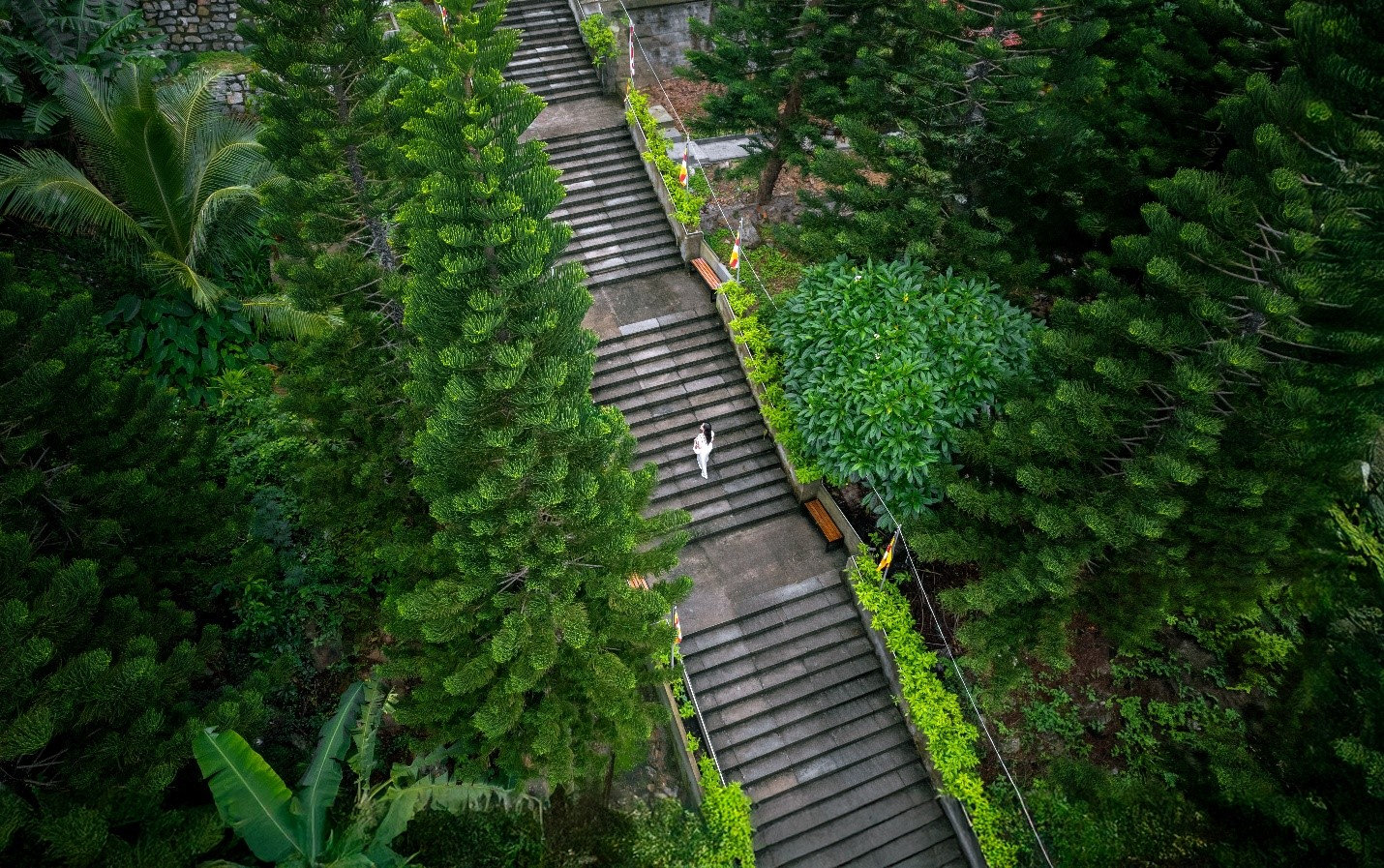
The route up Ta Kou thus became a “station of memory,” where every rocky slope and tree bears the imprint of the footsteps and sweat of those who came before, sheltered by what many regard as the compassion of nature and the spiritual world.
Prime Minister Vo Van Kiet’s decision to save Ta Kou forest
Yet the sacred mountain also came close to destruction. Exactly 30 years ago, in 1996, valuable timber was being repeatedly cut down, wildlife hunted and rocks on the mountain slopes indiscriminately quarried. At one point, it seemed that this sacred landscape could be destroyed by human greed.
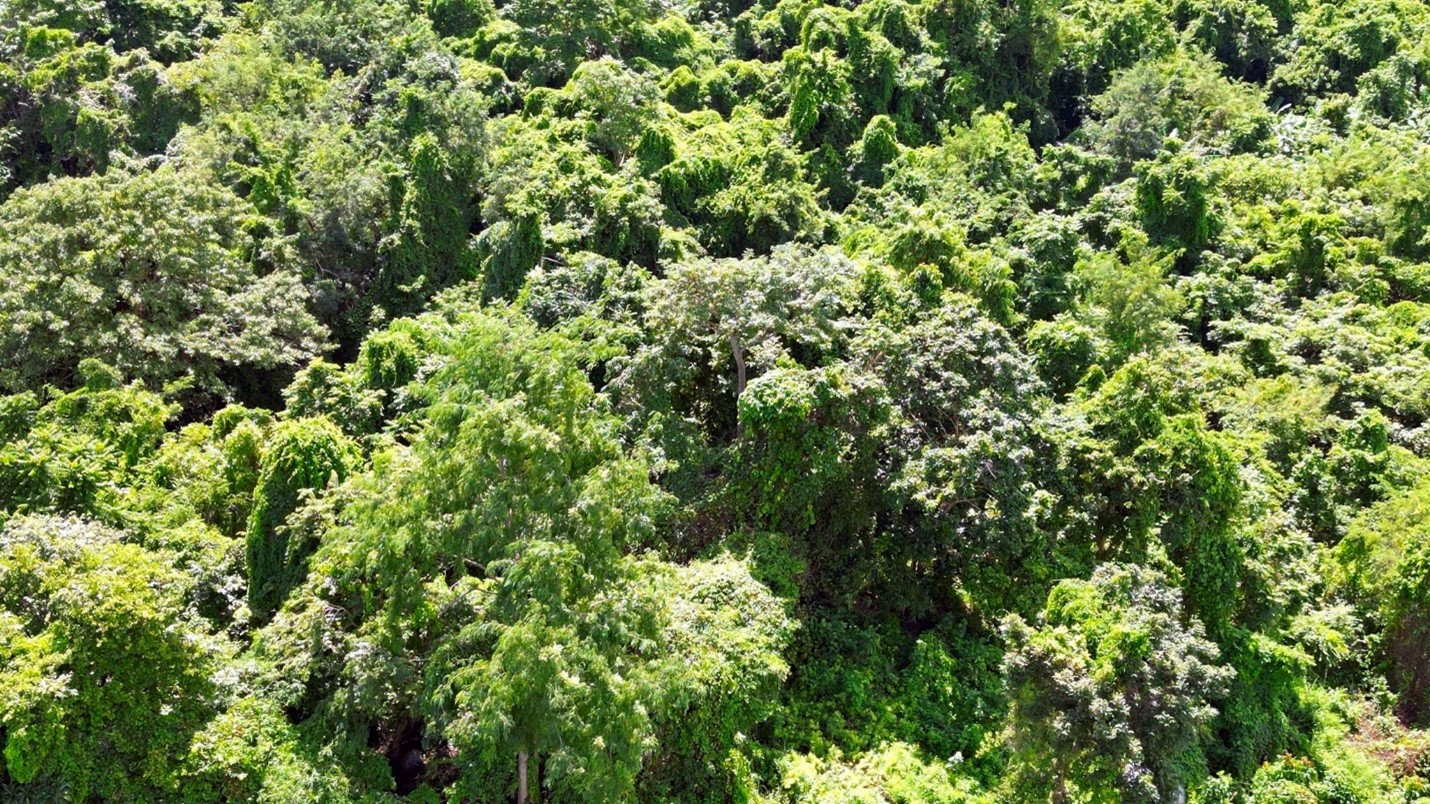
At this critical moment, Decision No. 791/TTg, dated October 26, 1996, recognized Ta Kou as a nature reserve. Issued by then Prime Minister Vo Van Kiet, widely known as “Uncle Sau Dan,” the decision effectively served as an emergency order to save the forest.
“Amid rapid urbanization and growing pressure from local livelihoods in the South Central coastal provinces, preserving a ‘solitary’ mountain surrounded by residential areas without allowing it to be destroyed was nothing short of a miracle. Uncle Sau Dan’s decision was a declaration in defense of life, preserving Ta Kou’s forest for generations to come,” said a forest ranger who spent decades working in Ta Kou.
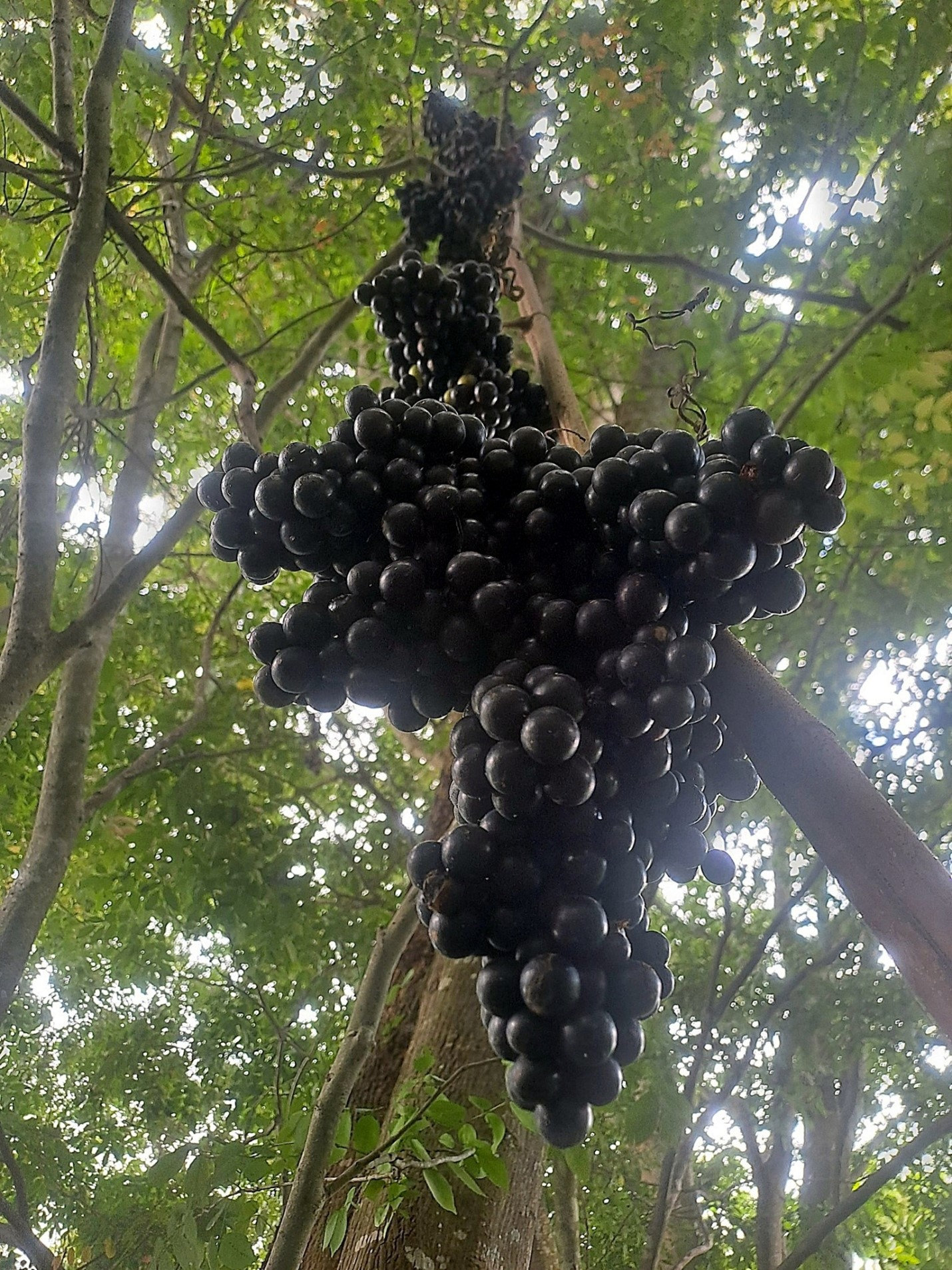
Thanks to that decision, Ta Kou today embraces an extraordinarily diverse ecosystem of flora and fauna. The area represents a unique transition between tropical evergreen forests and deciduous dipterocarp forests.
Although Ta Kou accounts for only 0.5% of Vietnam’s total special-use forest area, it is home to 19% of the country’s mammal species, along with 1,021 species of higher plants. Nearly 70% of these plants are valuable medicinal species with potential applications in treating a wide range of diseases.
Compassion and conservation under one canopy
The wonder of Ta Kou lies not simply in dry biological statistics, but in the remarkable coexistence of nature and spirituality. Beneath the statue of Shakyamuni Buddha entering Nirvana, amid mountain clouds and the distant sound of temple bells, rare primates continue to move freely through the forest.
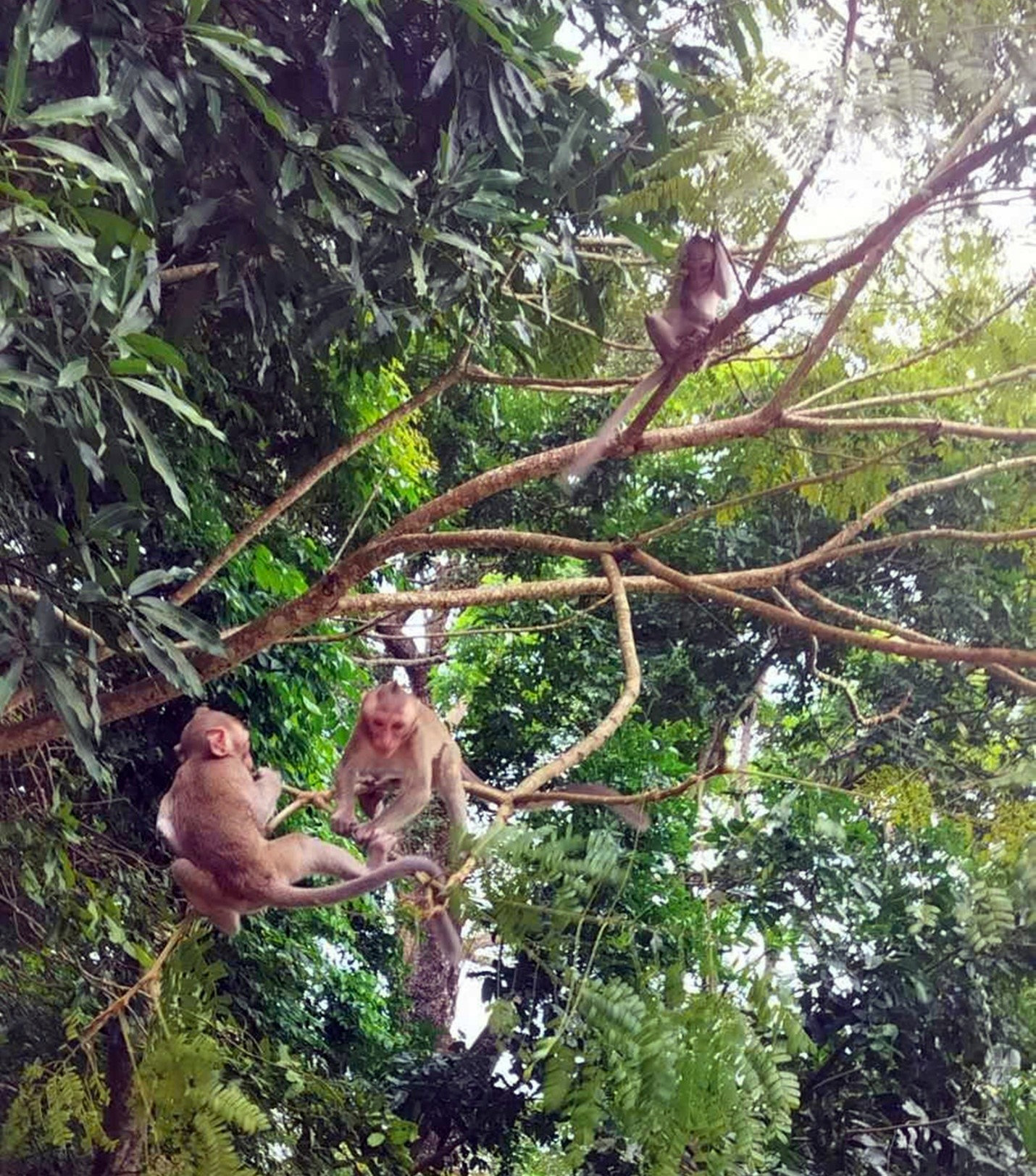
The boundary between nature conservation and cultural preservation has become blurred. Ancient pagodas have, in a sense, become silent “forest guardians,” with their spiritual presence helping protect wildlife.
The World Wide Fund for Nature (WWF) has recognized Ta Kou as one of 221 globally important ecoregions. The mountain stands as a living museum, showcasing a remarkable multi-layered ecosystem.
From the foot of the mountain to its mist-covered summit, nature has created three distinctly different forest types, together providing habitat for 178 vertebrate species.
This biodiversity has proved highly attractive to scientists from around the world, prompting repeated research expeditions and long nights of research in the forest.
Ta Kou seeks a higher conservation status
Thirty years after the historic forest-protection decision by Uncle Sau Dan, Lam Dong Province is now accelerating procedures to elevate Ta Kou from a nature reserve to a national nature reserve.
This is more than a change in designation. It represents a strategic step that both continues the conservation vision of previous generations and opens a new path for Ta Kou: strict protection combined with balanced development, ensuring that this precious forest remains green while supporting local livelihoods and the wider development of the region.
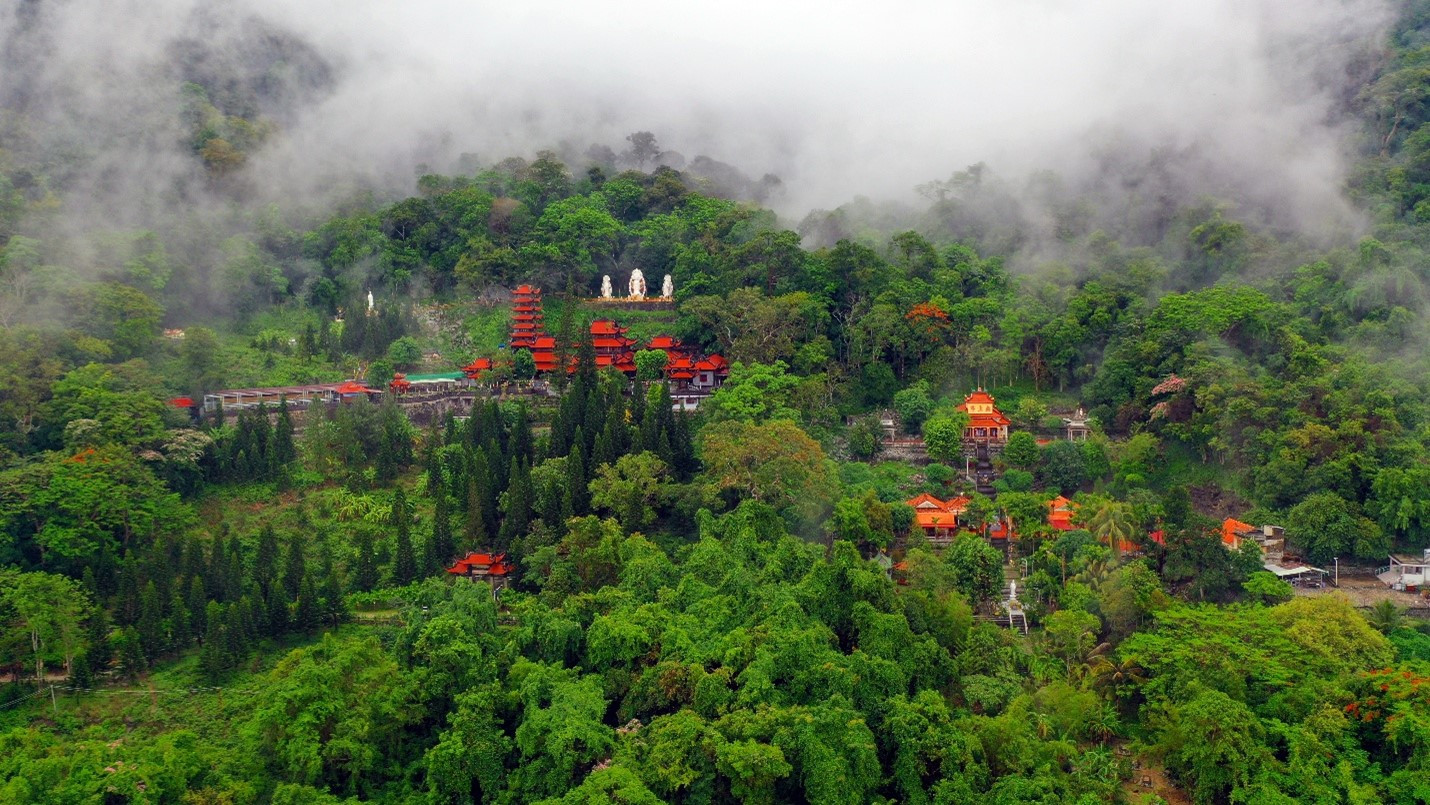
Looking back at Ong Dia Rock, where the patriarch once stopped and which later became a peaceful resting place for thousands of people carrying materials to build the Buddha statue, then at the forest-protection decision made exactly 30 years ago and today’s effort to further elevate Ta Kou’s conservation status, the mountain appears to be continuing its own story.
It is a story that every visitor may sense while climbing its stone steps and breathing its clean mountain air—a story of faith, nature and human devotion that reaches beyond anything easily expressed in words.