


Targeted Public Investment to Drive Growth
Lam Dong Province is entering a new stage of development, with growing demand for synchronized infrastructure investment and expanded growth space. In this context, public investment must be targeted and prioritized, serving as a driving force for the province’s development in the 2026–2030 period.
.jpg)
Balancing Resources
Following the merger, Lam Dong Province now possesses a vast development space stretching from the Central Highlands to the South Central Coast. This is a special advantage for forming new economic corridors and tapping the potential of high-tech agriculture, processing industries, tourism, renewable energy and the marine economy.
However, these opportunities also come with major requirements for infrastructure investment. Regional transport links need to be completed, while digital infrastructure, science and technology, education and healthcare must be developed in a synchronized manner. At the same time, the province must ensure operating conditions for the two-tier local government model following the rearrangement of administrative units.
Therefore, the formulation and implementation of the medium-term public investment plan for the 2026–2030 period is considered particularly important. It will determine the province’s ability to achieve the socio-economic development targets set out in the Resolution of the first Lam Dong Provincial Party Congress for the 2025–2030 tenure, as well as effectively implement the provincial master plan for the 2021–2030 period, with a vision to 2050.
According to a report by the Provincial People’s Committee at a recent meeting of the Standing Committee of the Provincial People’s Council, Lam Dong’s total medium-term public investment capital in the 2021–2025 period reached around VND 83.08 trillion. The disbursement rate for the entire period was about 92 percent, equivalent to more than VND 76 trillion. Funding was focused on transport, irrigation, education, healthcare and urban infrastructure.
Director of the Department of Finance Ton Thien San said that despite facing many difficulties caused by the COVID-19 pandemic, fluctuations in material prices, and frequent changes in regulations on public investment, land, construction and bidding, the province has still managed to maintain progress on many key projects. These include important projects such as the Tan Phu–Bao Loc Expressway and land clearance projects serving the eastern section of the North-South Expressway.
However, the scale of investment will be much larger in the 2026–2030 period. Lam Dong Province has set a target of average GRDP growth of more than 10 percent per year, while focusing investment on strategic infrastructure to expand its development space following the merger. Under the proposed plan, total medium-term public investment capital for this period is estimated at around VND 96.5 trillion, including about VND 17.09 trillion from the central budget and VND 79.41 trillion from the local budget.
However, the total capital demand proposed by departments, sectors and localities amounts to more than VND 303 trillion, more than three times the province’s actual balancing capacity. This creates significant pressure on the formulation of the medium-term public investment plan.
The challenge will become even greater from 2026, when the province is required to transfer 15 percent of land-use fee revenue to the central budget under regulations. Meanwhile, the need to allocate counterpart funding for ODA projects, public-private partnership (PPP) projects and projects using central budget capital continues to rise.
Targeted Investment to Drive Double-Digit Growth
In addition to funding pressures, the province also faces the need to invest simultaneously in 124 communes, wards and special zones following the rearrangement of administrative units. Investment is also required in essential infrastructure for ethnic minority areas, remote and disadvantaged areas, coastal localities, and areas affected by natural disasters and climate change.
According to Provincial People’s Committee Vice Chairman Vo Ngoc Hiep, from July 1, 2026, Dak Nong Lottery Company will join the southern regional lottery market, helping increase local budget revenue throughout the 2026–2030 period. Revenue from land-use fees alone is expected to reach around VND 40 trillion, averaging about VND 8 trillion per year.
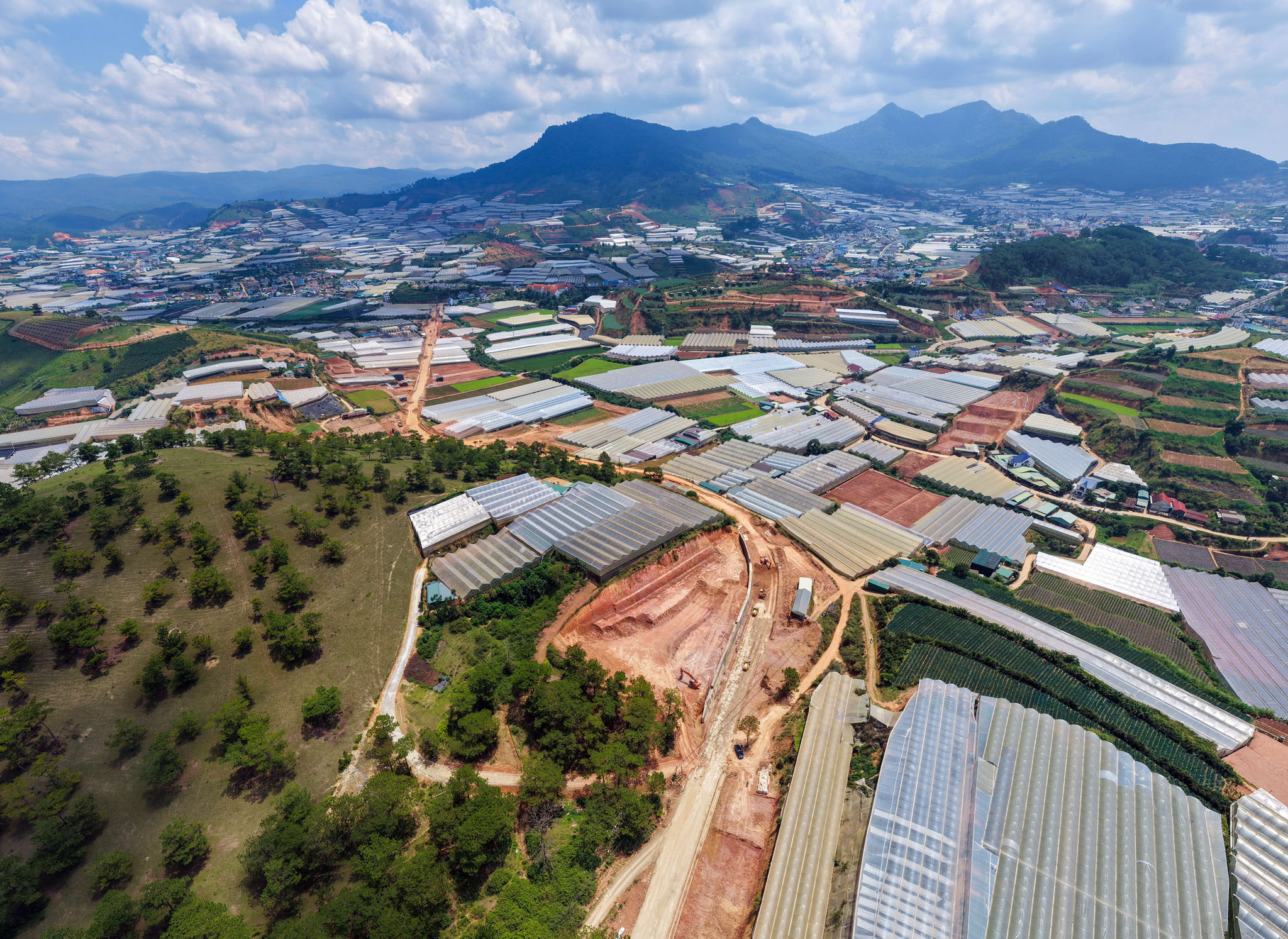
However, even improved resources cannot meet all investment needs. This requires public investment to be restructured in a more focused and prioritized manner, while promoting the leading role of the state budget in mobilizing social resources, encouraging private investment, ODA capital and public-private partnership (PPP) projects.
Pham Thi Tuong Van, Head of the Economic-Budget Committee of the Provincial People’s Council, proposed that the formulation of the medium-term public investment plan closely follow audit conclusions so that inappropriate items can be adjusted in a timely manner. She also called for strict control over capital allocation to the commune level and the resolute removal from the investment portfolio of projects that have not completed the required investment procedures.
This is also one of the solutions aimed at addressing shortcomings from the previous period. In reality, the volume of transitional projects from the 2021–2025 period remains quite large. Many key projects require substantial capital, while land clearance remains slow in some areas, the quality of investment preparation is uneven, the implementation progress of several projects has yet to meet requirements, and the capacity of some investors and consulting units remains limited.
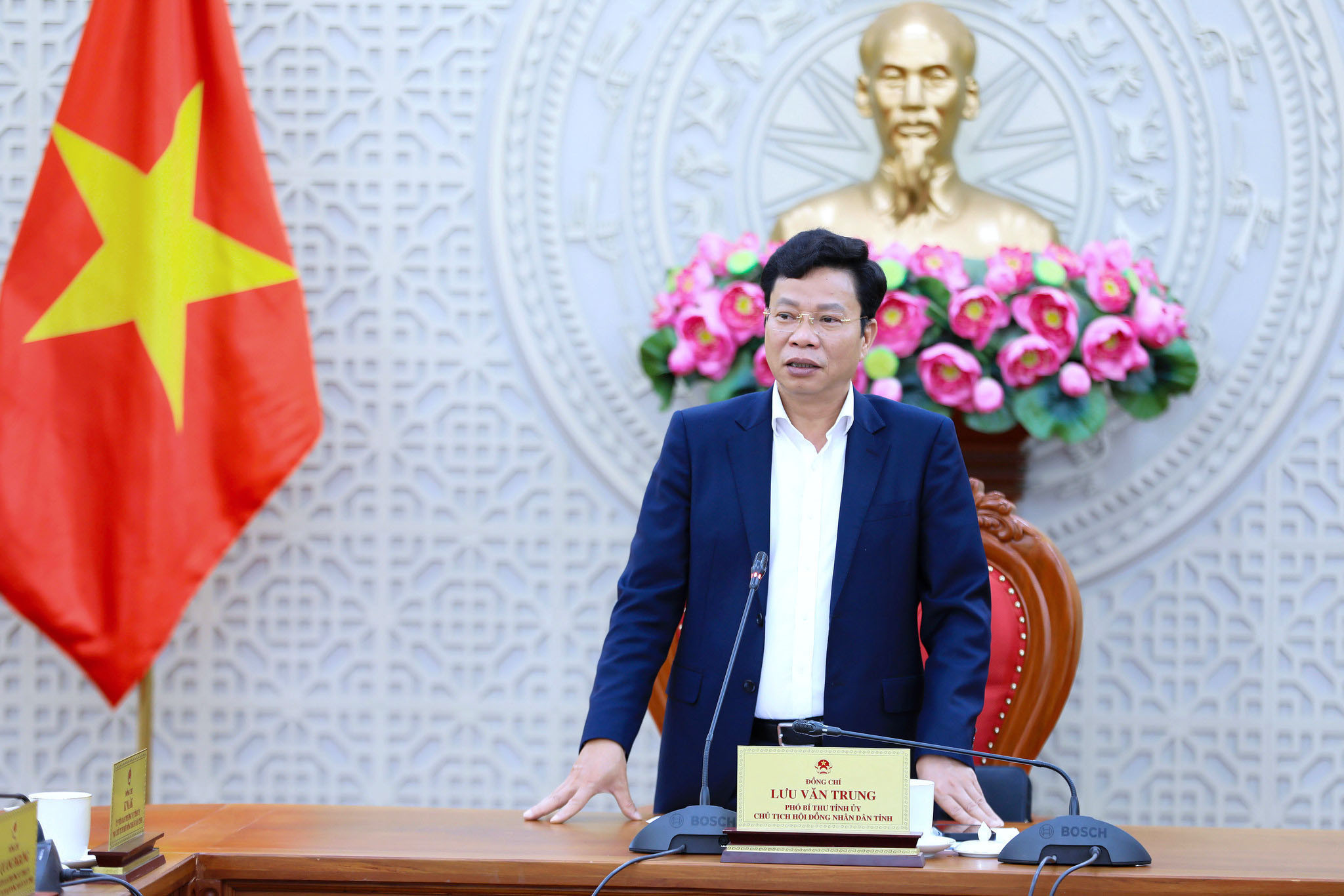
Concluding a recent meeting of the Standing Committee of the Provincial People’s Council, Luu Van Trung, Deputy Secretary of the Provincial Party Committee and Chairman of the Provincial People’s Council, emphasized that the formulation of the medium-term public investment plan must closely follow the Resolution of the Provincial Party Congress, the provincial master plan and socio-economic development targets in line with central orientations.
According to the council chairman, in addition to the goal of double-digit GRDP growth, the province must also ensure targets related to budget revenue, education, healthcare, the environment, transport, irrigation, clean water and improvements in people’s quality of life.
He also noted that the province needs to focus on removing obstacles related to land, land-use conversion and the handling of long-delayed projects in order to generate revenue for development investment.
At the same time, priority should be given to interregional transport routes, while essential public welfare projects directly serving people’s travel, study, medical care and quality-of-life needs must not be overlooked.
In the new stage of development, public investment is not merely a matter of figures or concrete-and-steel projects. More importantly, it is about selecting new growth drivers and demonstrating the determination to create a modern, harmonious and sustainable development space for Lam Dong Province.
Only when public investment resources are used effectively and in line with the Resolution and the provincial master plan can Lam Dong realize its goal of becoming a dynamic development center of the Central Highlands and the South Central region in the years ahead.