


Tea and Changing Consumer Preferences
Understanding the layered flavor profiles preferred by consumers has become essential for developing appropriate tea product strategies within the tea economy.
Tea contains multiple layers of flavor — often described as the leaf’s “inner essence” — with each layer appealing to a different consumer segment. Novice drinkers often prefer a mellow profile marked by subtle aromas and moderate signature astringency. More experienced tea connoisseurs, however, tend to seek a robust and clean profile, with deep lingering sweetness (huigan), full body and a well-rounded mouthfeel.
Consumer preferences also vary by drinking habits. Hot tea drinkers may look for different flavor profiles from those who prefer cold brews, while the criteria used by pure tea drinkers differ significantly from those of consumers who use tea as a base for milk tea. “Customers in the North typically favor tea with distinct flavors, moderate astringency and deep lingering sweetness. In the South, consumers tend to prefer a tea base with a sweet aftertaste and a strong body,” said Nguyen Manh Hung of Tri Viet Tea Company.
In the tea industry, understanding consumer flavor preferences and the layered structure of tea plays a strategic role. As a result, bringing tea products to market now requires a rigorous selection process based on consumer behavior data. “In practice, customers choose tea flavors based on their individual physical conditions and drinking habits.
For mental alertness, a robust, full-bodied tea is the ideal choice, offering distinct notes, deep lingering sweetness and a rich mouthfeel. For daily relaxation, however, light, low-astringency teas with a gentle aftertaste should be prioritized, as they do not overwhelm the palate and give drinkers a sense of lightness and tranquility,” Hung noted.
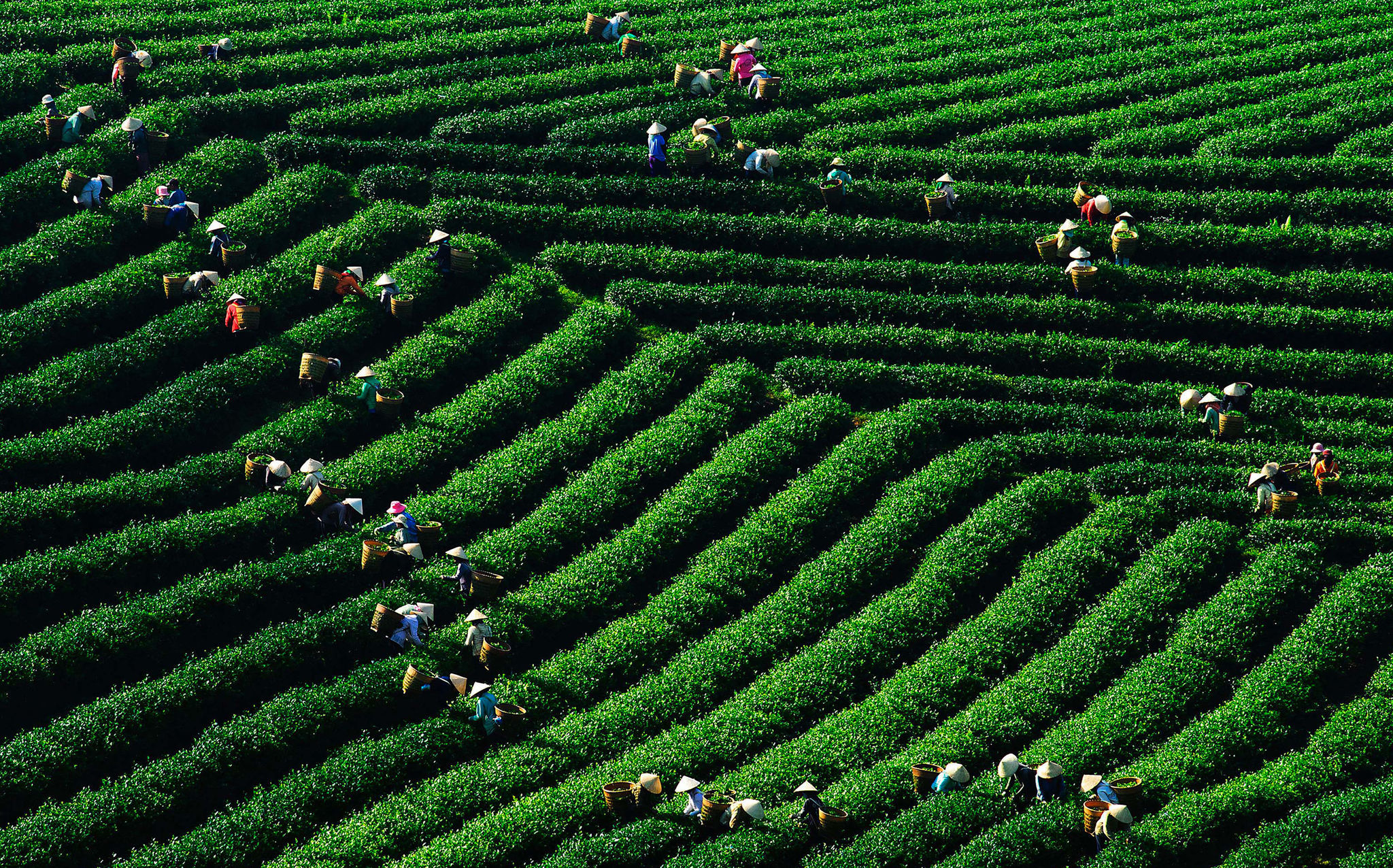
According to Nguyen Phuc Minh, a tea connoisseur from B’Lao Ward, B’Lao tea owes its distinctive quality to its cultivation at altitudes of 800 to 1,000 meters, along with a temperate climate and suitable soil conditions. The tea develops a “refined depth” — a rich inner essence marked by a smooth taste, soft astringency and minimal harshness.
The craftsmanship of local tea artisans has also helped the reputation of B’Lao tea spread farther than ever. “Today, machinery supports many stages of tea processing. Nevertheless, the skill of B’Lao artisans remains the decisive factor in creating the signature flavor of B’Lao tea,” Minh said.
Nguyen Manh Hung of Tri Viet Tea Company noted that if the withering, oxidation and drying processes are not strictly controlled, the final tea is likely to taste harsh or lose its signature lingering sweetness.
Based on his observations, Minh said office professionals tend to prefer distinctive tea flavors that sharpen mental focus and leave a long-lasting aftertaste. Students, by contrast, typically favor lighter, easy-to-drink varieties with minimal astringency.
According to Hung, tea consumers are shifting from “aromatic tea” to “multi-layered tea.” Understanding these flavor layers helps consumers make more informed choices. Those looking for a strong tea base for milk tea should prioritize the middle notes and a robust body, while those seeking a pleasant cold-brew experience should focus on the top notes and aftertaste.
Experts say the tea industry is no longer a linear market, but a global network in which a cup of tea is more than a beverage. It has become a point of connection between technology and health, individuals and communities, and art and sustainability.