


Thai Ethnic Community in Dak Sak Preserves Traditional Culture
The Dak Thanh Village Folk Arts Club in Dak Sak Commune is a place where Thai cultural values are passed down through generations, nurturing a love for their roots in modern life.
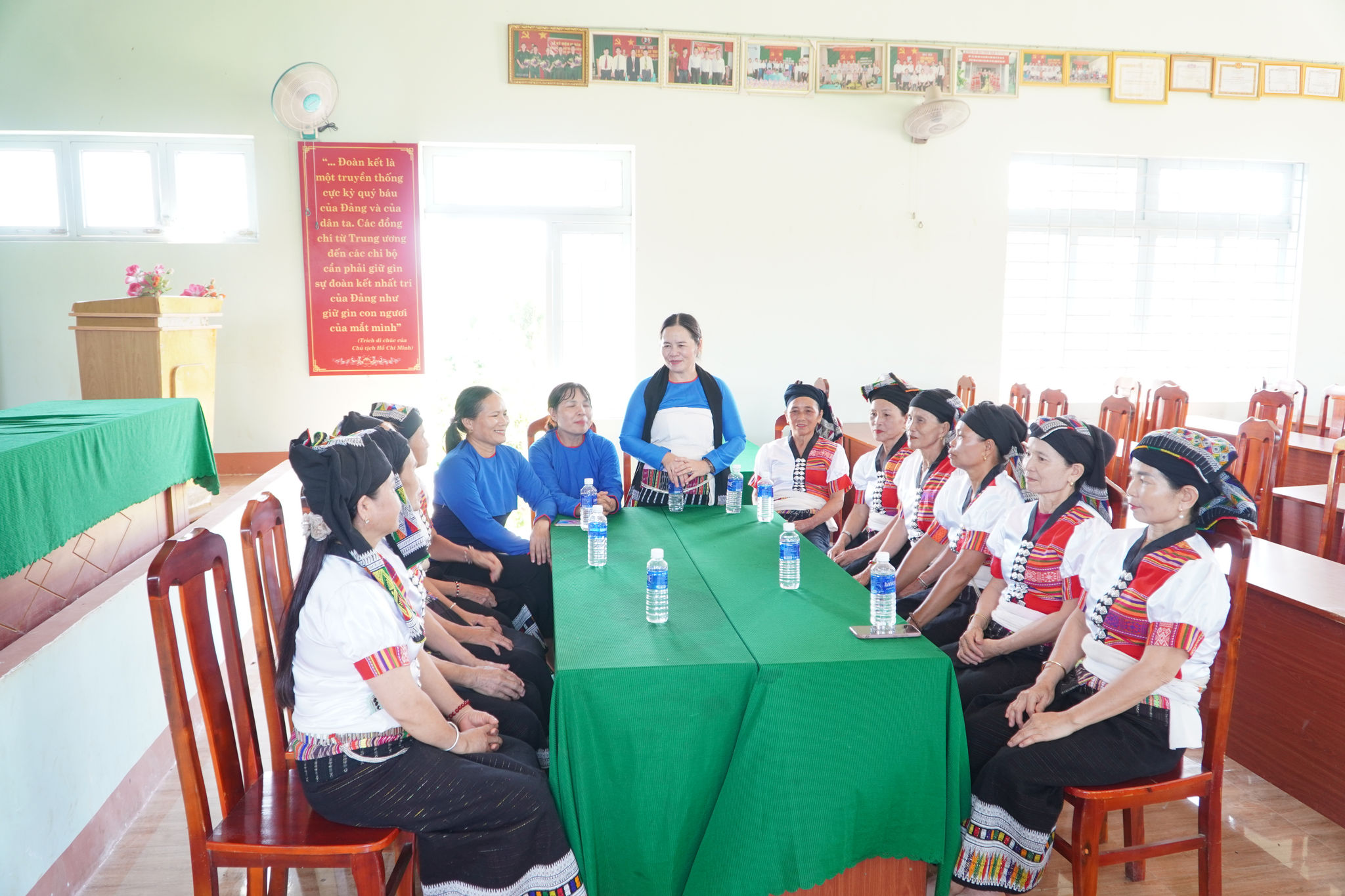
Vibrant Cultural Gatherings
Every weekend, the Dak Thanh Village Cultural House comes alive with laughter, conversation and the familiar sounds of the Thai ethnic community. Here, members of the club gather to practice khua luong, gong performances, bamboo dancing and traditional folk songs. Dressed in traditional costumes, everyone enthusiastically takes part, creating a lively and joyful atmosphere.
When the music begins, the dancers start moving the bamboo poles rhythmically. The sound of bamboo striking together blends with songs and laughter, accompanied by the vibrant rhythms of khua luong and gongs. For club members, each practice session is not only preparation for local cultural and artistic activities, but also an opportunity to meet, connect and remind one another of the importance of preserving values that have been part of their community for generations.
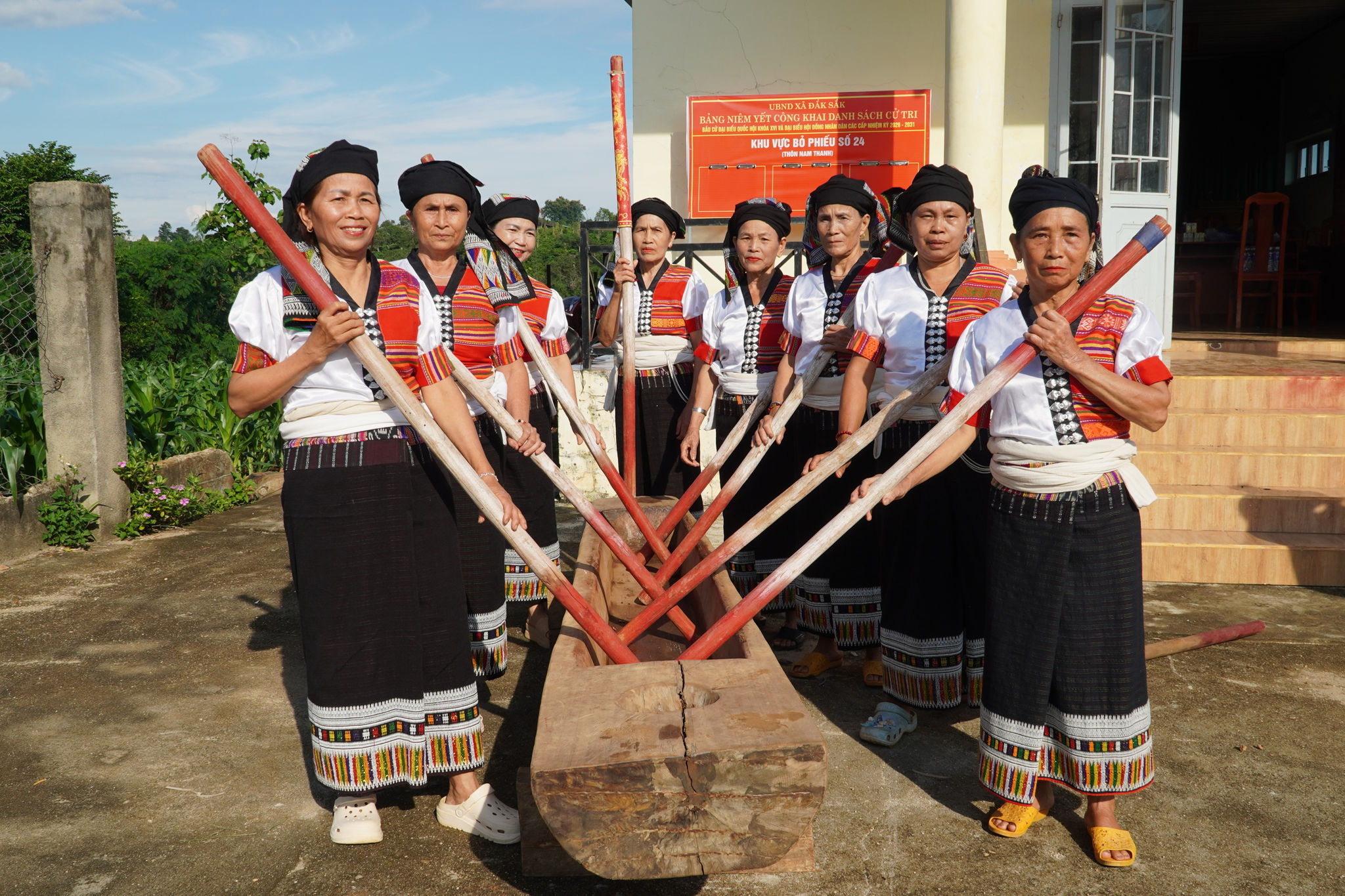
The Dak Thanh Village Folk Arts Club, formerly known as the Nam Thanh Village Folk Arts Club before the village merger, now has more than 30 regular members. Each member has their own strengths and talents. Some know traditional folk songs, others are knowledgeable about gongs, while others are skilled in khua luong or bamboo dancing. Those with experience teach those who are still learning, helping traditional cultural values rooted in memory and heritage continue to thrive.
Vi Van Thang said: "After coming to this new land, I joined local residents in reviving many traditional cultural practices of the Thai ethnic group. Whenever the sounds of khua luong and gongs are heard, people gather in large numbers."
According to Doan Thi Nhung, head of the club, the club not only provides a space for recreation and physical activity but also brings its members closer together, helping them preserve their ethnic culture and pass it on to future generations.
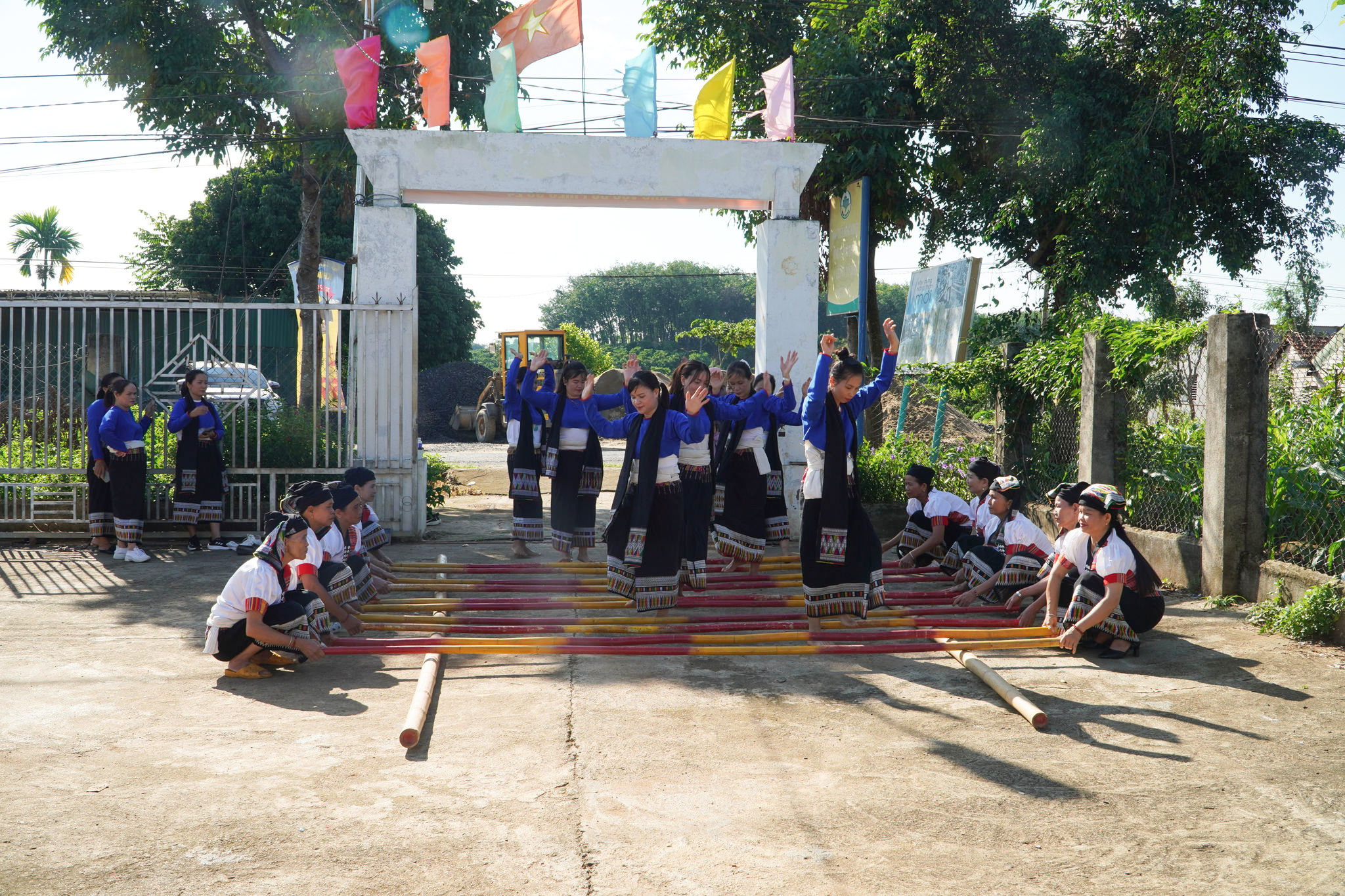
Carrying Forward Traditional Values
After nearly 10 years with the club, Vi Thi Minh considers preserving gong performances and khua luong as a way of safeguarding the customs of her ethnic community. Whenever the locality organizes an event and invites the club to participate, she and other members enthusiastically join, seeing it as an opportunity to introduce the beauty of Thai culture to more people.
For Vi Thi Thanh, cultural gatherings also carry memories of her homeland and roots. She shared: "Wherever we go, the cultural traditions of our ethnic group remain with us, reminding us of our roots. Wherever we live becomes our homeland, so it is all the more important to preserve the values of our people."
For her, preserving culture is not only a way to remember where one comes from, but also a means of helping future generations understand who they are, where they come from and appreciate the heritage left behind by their ancestors.
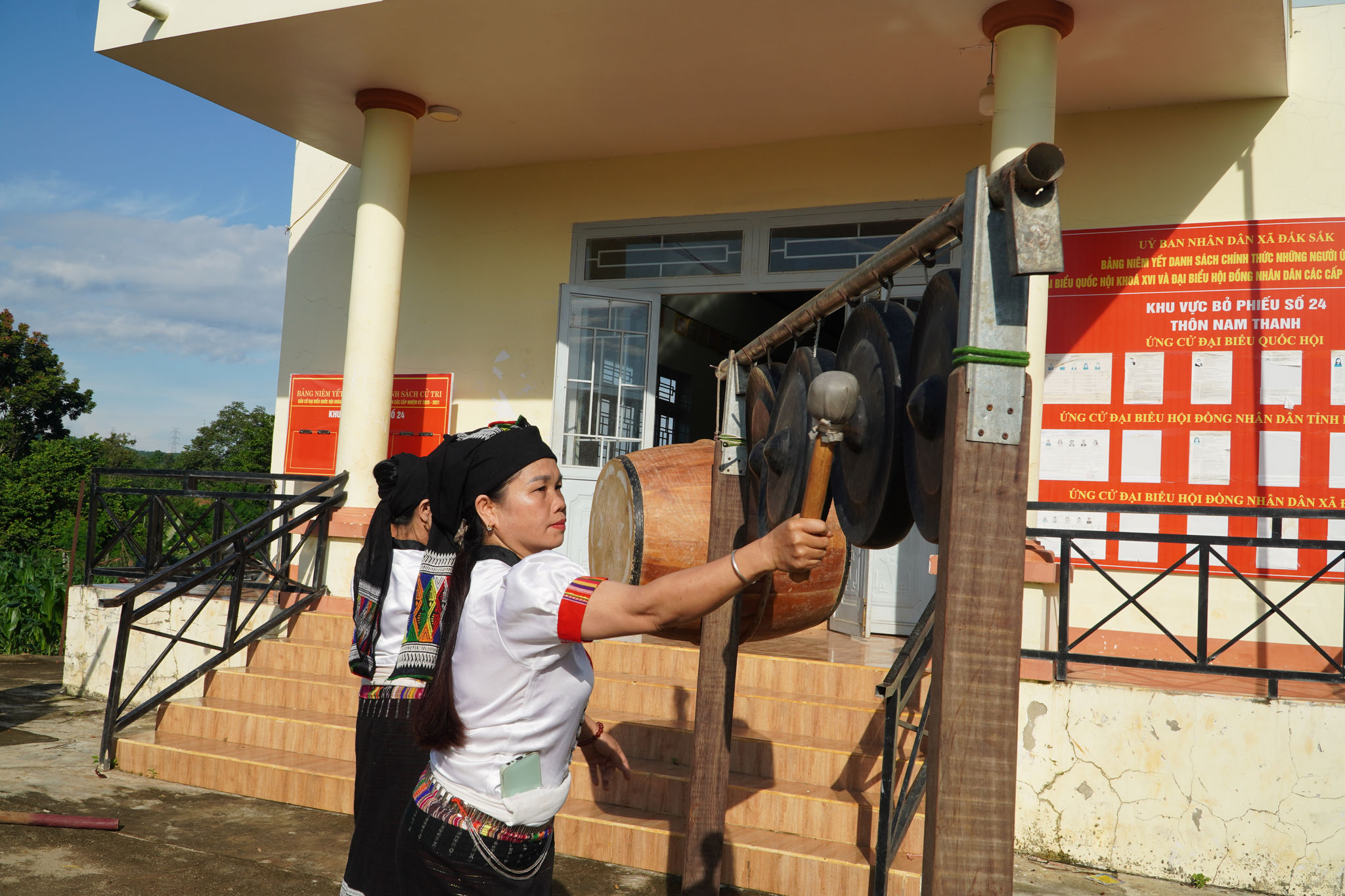
Through the club, traditional culture is not only preserved within the Thai community but also attracts people from other ethnic groups, including the Kinh, Tay and Nung, to join and interact. This creates a joyful, welcoming atmosphere and strengthens bonds among the communities living in the area.
Notably, the club brings together multiple generations, from members in their 70s to those in their early 20s. During practice sessions, older members pass on their experience while younger members learn and later perform alongside them at local festivals and cultural events.
Le Thi Lan, a young club member, shared: "Taking part in preserving these traditional cultural values brings me joy and pride, and it is also a responsibility to carry forward the legacy of previous generations."
The club has played an effective role in local cultural and artistic activities while contributing to the spiritual well-being of local people. In particular, the club's cultural gatherings have become a space where Thai culture continues to be passed down and finds its place in modern life.
Y Thoa, Vice Chairman of the Dak Sak Commune People's Committee