

The 1927 Ancient Tea Museum – Preserving the History of Lam Dong’s Tea Industry
More than a century-old structure, the 1927 Ancient Tea Museum, located in Ward 1 Bao Loc, Lam Dong Province, serves as a living archive preserving the formation and development of Lam Dong’s tea industry.
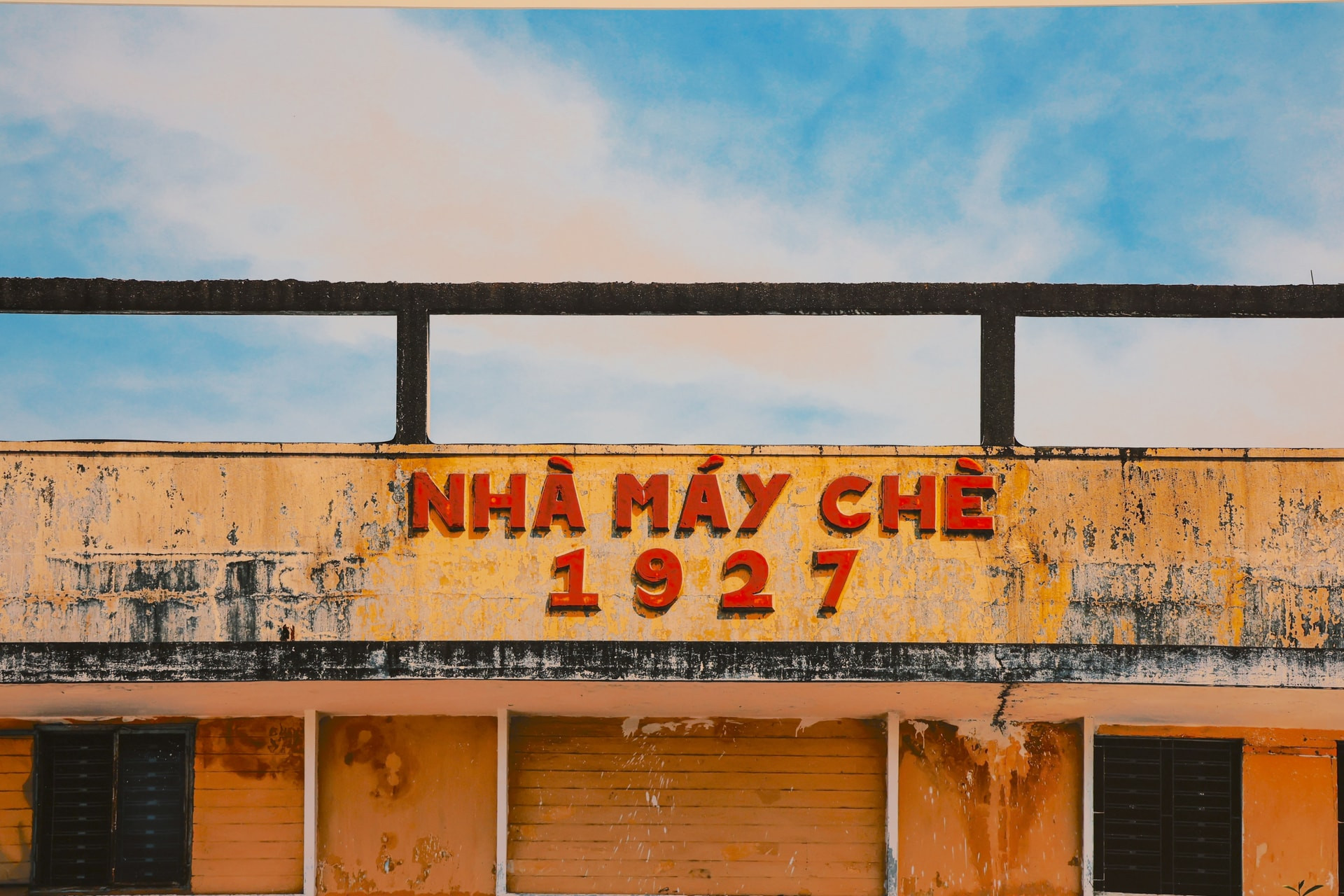
With nearly a century of existence, the site stands as a witness to generations of labor and creativity, while highlighting the importance of preserving and promoting industrial heritage amid contemporary development.
Memories of a Land Shaped by Tea
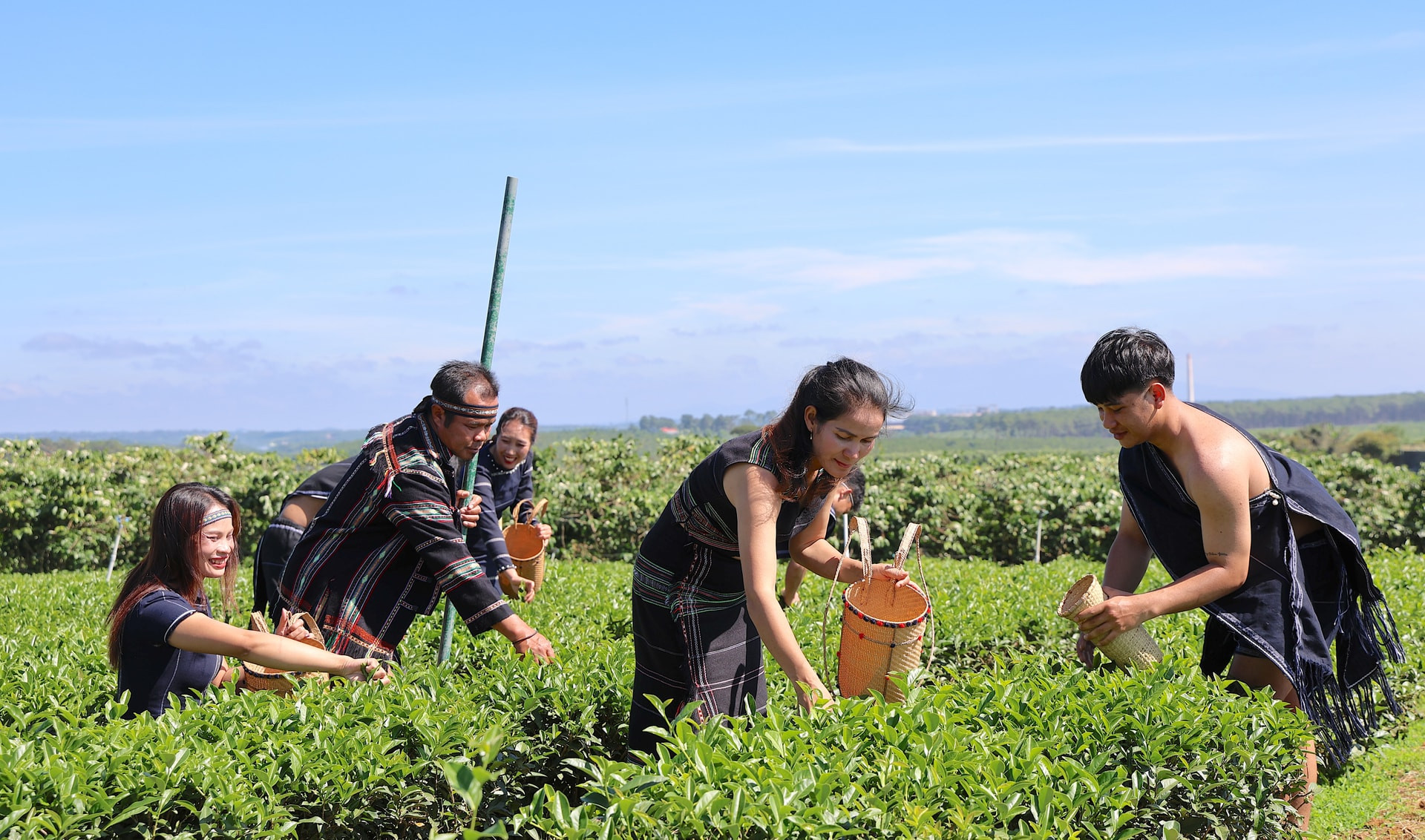
The B’Lao tea region has long been known as Lam Dong’s “tea capital.” However, before becoming a large-scale tea-producing area, B’Lao underwent a transformative journey beginning in the late 1920s, when the French introduced tea plants to the plateau to test soil and climatic conditions.
In 1927, the B’Lao Tea Factory was established, marking a significant milestone in the industrialization of Lam Dong’s tea sector.
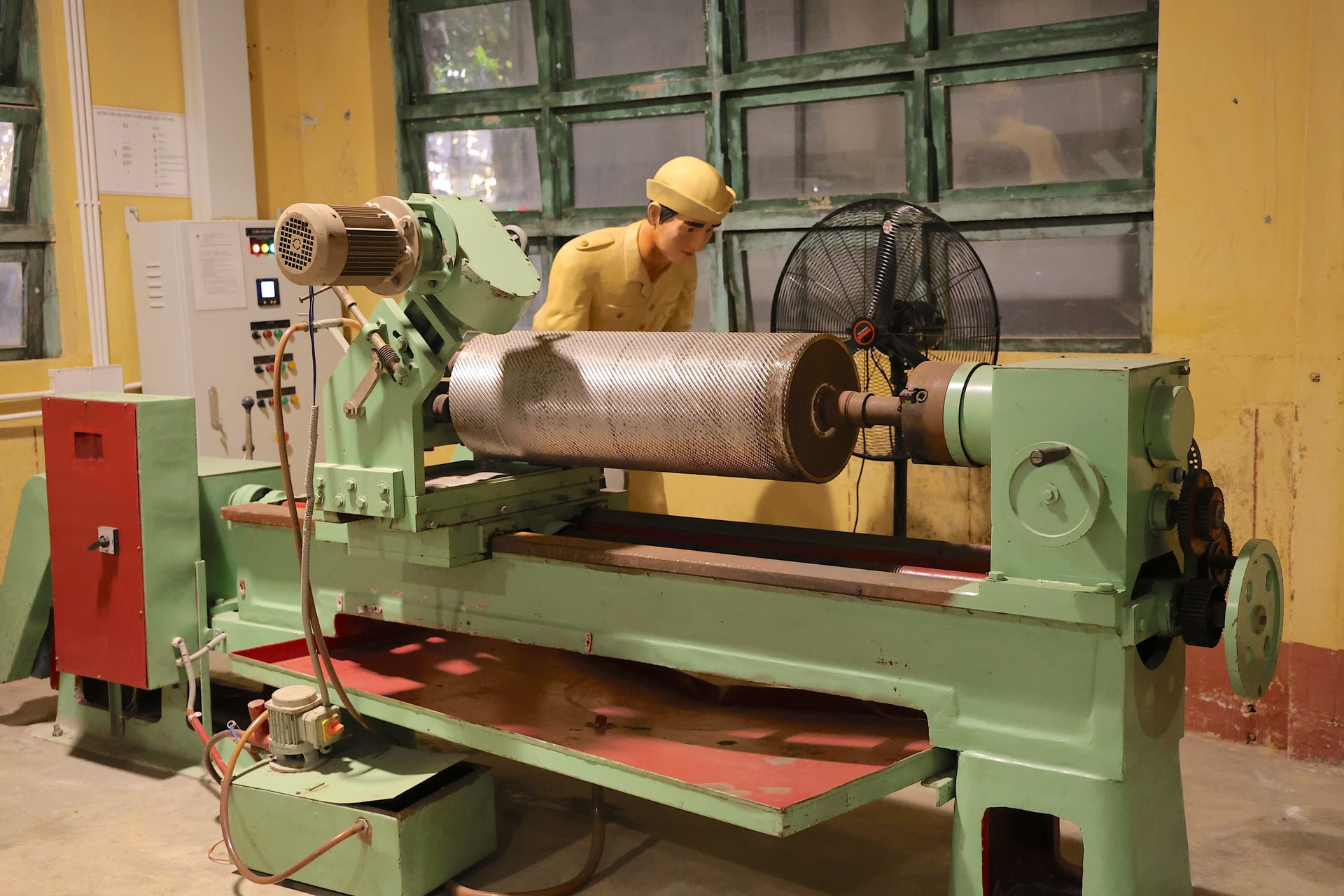
Over nearly 100 years, the factory has passed through multiple historical periods, leaving its imprint not only on machinery and workshops but also in the memories of generations of tea workers.
Today, no longer in operation, the factory space has been preserved and transformed into a museum. Notably, the site has not been modernized in a way that separates it from the past. Instead, the original workshop structures, machinery and processing lines remain largely intact.
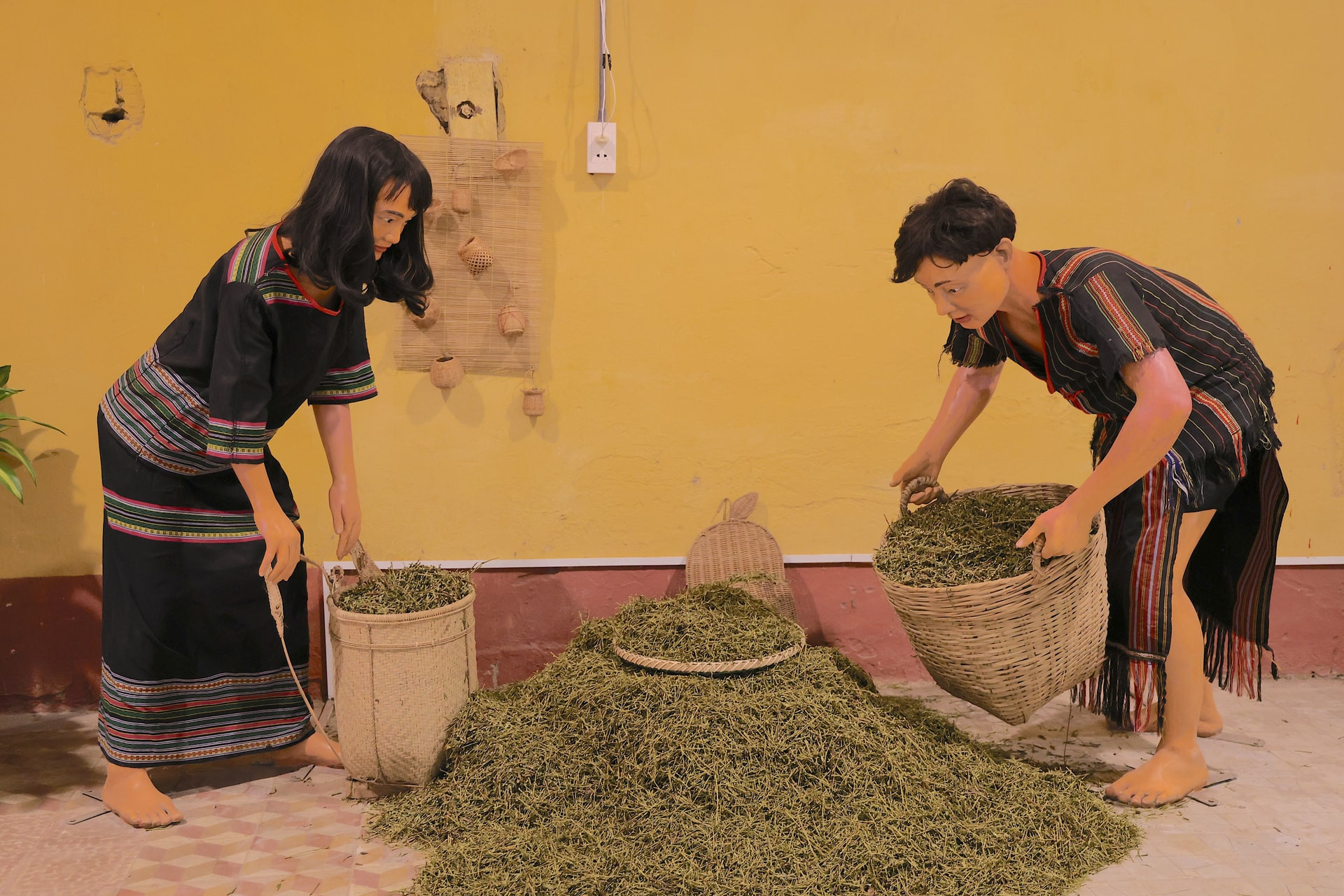
Old walls, long corridors and massive machines quietly tell the story of an era when industrial labor was deeply intertwined with the lives of Bao Loc residents.
Many young visitors express surprise at the depth of history behind the tea industry. Nguyen Nhat Minh, a visitor from Ho Chi Minh City, shared: “I used to think tea was just an everyday drink. But seeing nearly century-old machines and learning about the tea factory made me realize that behind every cup of tea lies a long history and the dedication of countless workers.”
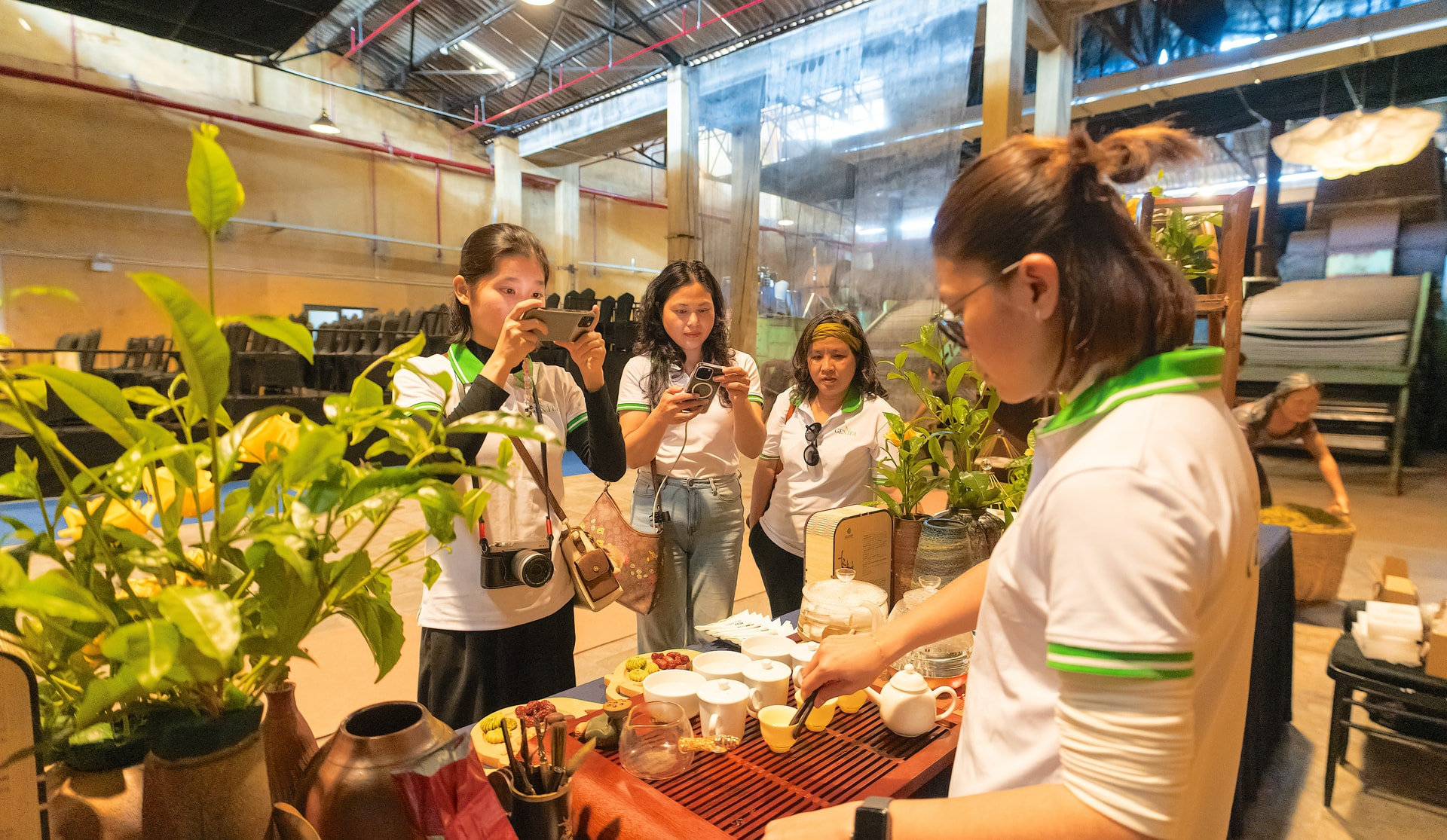
For former tea workers, the museum represents an inseparable part of their memories. For younger generations, it opens a window into understanding that tea is not merely an agricultural product, but a foundation of the economic and cultural identity of southern Lam Dong.
Preserving the ‘Soul’ of Lam Dong’s Tea Industry
The core value of the 1927 Ancient Tea Museum lies in its comprehensive preservation of traditional tea-processing methods. From receiving fresh tea leaves, withering, rolling, oxidation and drying to final grading, each step reflects the production mindset of an era when the tea industry was taking shape in the Lam Dong highlands.
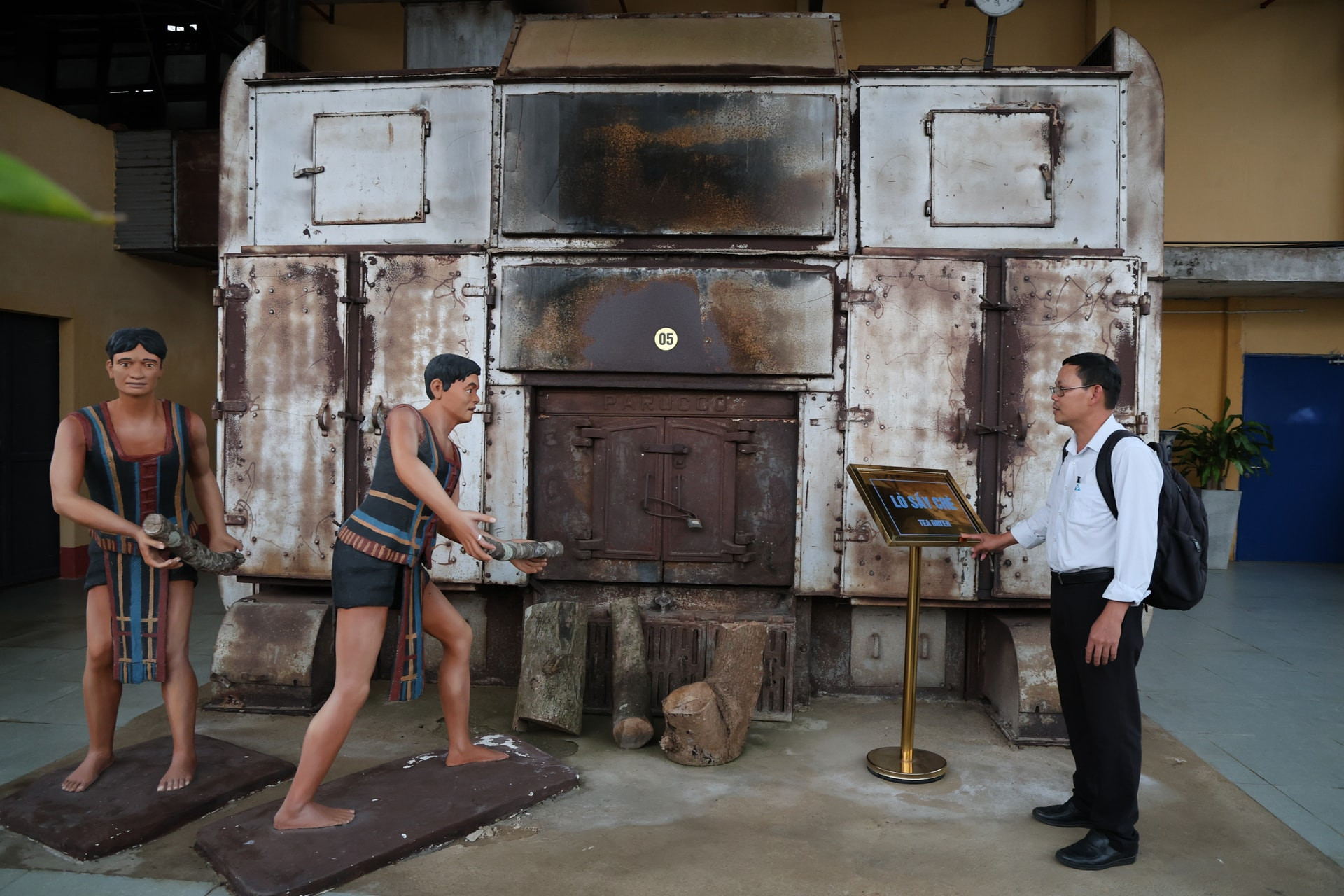
At that time, when technology relied heavily on experience and craftsmanship, tea quality was determined not only by machines, but by the skill and meticulousness of the workers.
Mr. Nguyen Dinh Tho, a veteran tea worker
The complete presence of this production process allows the museum to go beyond a conventional exhibition space, becoming a repository of the “soul of the tea trade.” It embodies generations of professional knowledge, the rhythm of industrial labor aligned with the growth cycle of tea plants, and the enduring bond between people and nature.
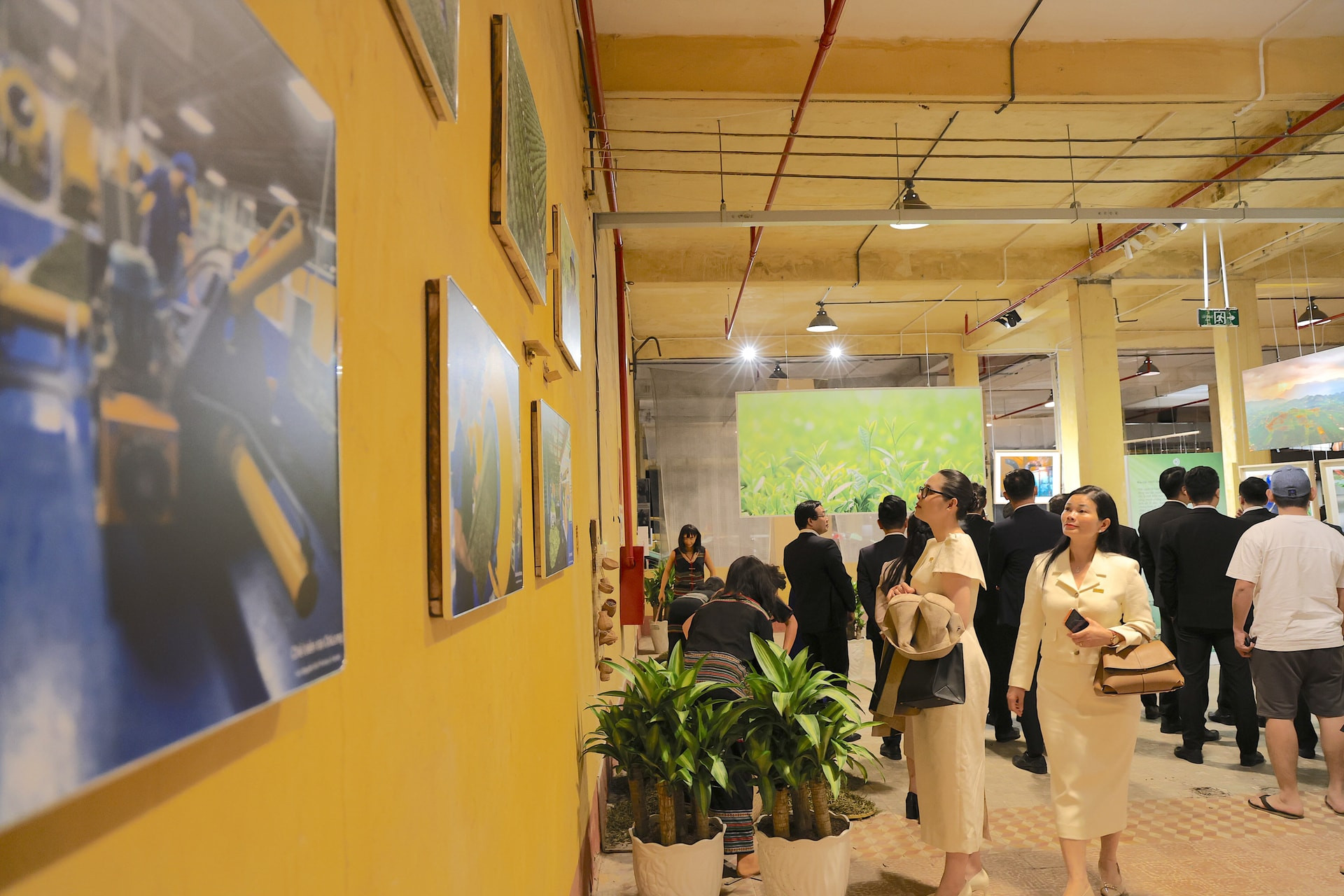
For those who spent years working with tea, the museum evokes memories of a demanding yet proud period of labor. Tran Van Hoa, a local visitor, remarked:
“Having worked in the tea industry, visiting this old tea factory feels very familiar. Every machine and every stage shows the rigor and discipline of the profession in the past. Preserving this space means preserving a truly meaningful era of labor.”
As Lam Dong pursues green economic development and sustainable tourism linked to the preservation of local cultural values, the 1927 Ancient Tea Museum stands not only as a tourist attraction, but as a site that safeguards memory and time within the tea industry.
Preserving original workshops, machinery and traditional production processes does not hinder development. On the contrary, it creates a distinctive value where history, heritage professions and contemporary creativity coexist. With proper investment and direction, the museum can become a heritage education space, telling the story of tea in today’s language and contributing to elevating the Lam Dong tea brand in modern life.