


The beauty of the Lieng Nung spring festival 2026
Amid the vibrant spring colors of the vast forests of Lam Dong, the Lieng Nung Spring Festival 2026 has become a meaningful cultural gathering for local ethnic communities.
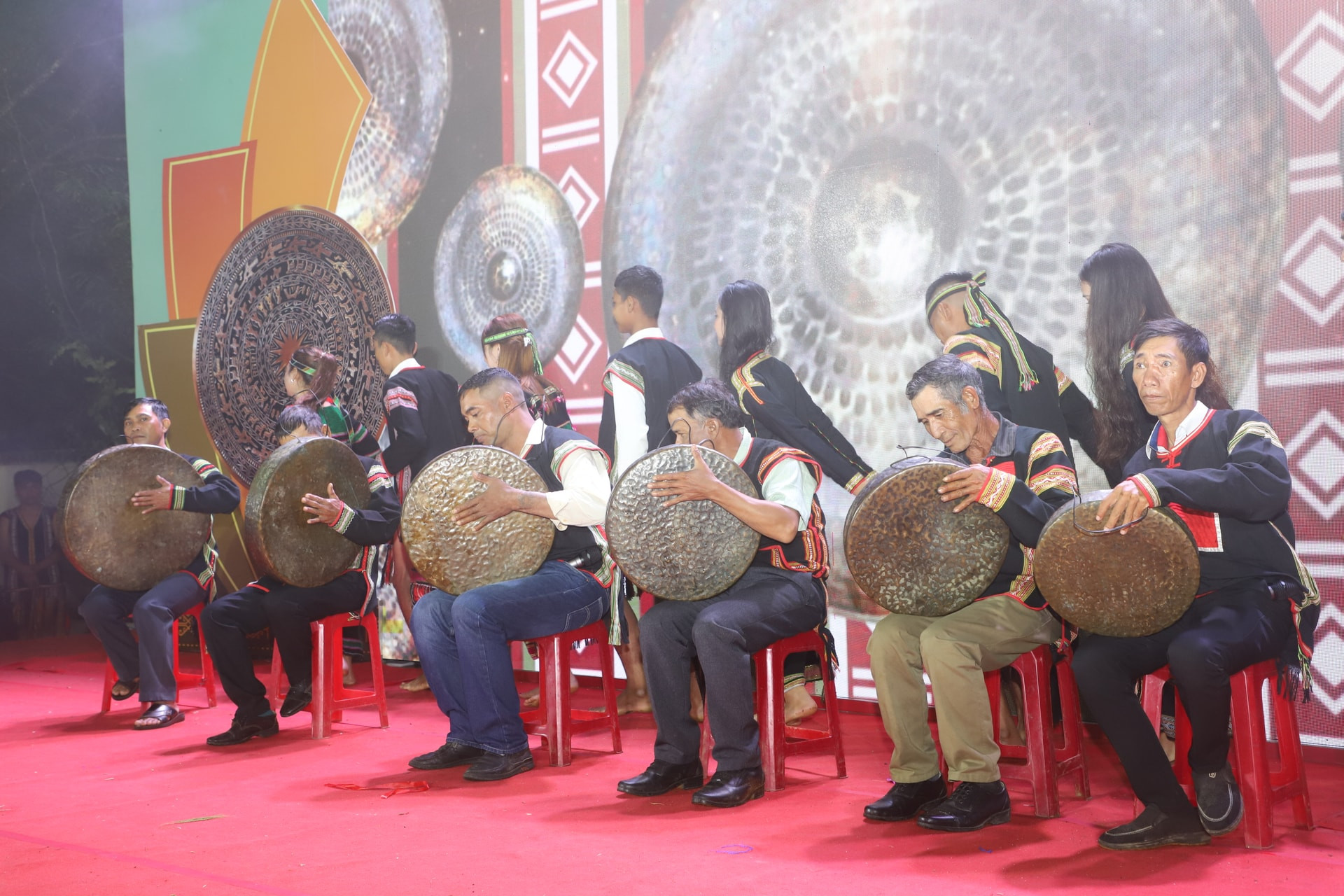
More than just a New Year celebration, this year’s festival holds special significance as it was the first to be held after the administrative merger, expanding the cultural space and bringing together multiple wards and communes into a unified, diverse, and dynamic whole.
The festival officially opened at the Traditional Musical Instruments Exhibition House in N’Jrieng residential area, Dong Gia Nghia Ward. It attracted a large number of locals and visitors who were immersed in the sounds of gongs, traditional dances, and vibrant indigenous cultural expressions.
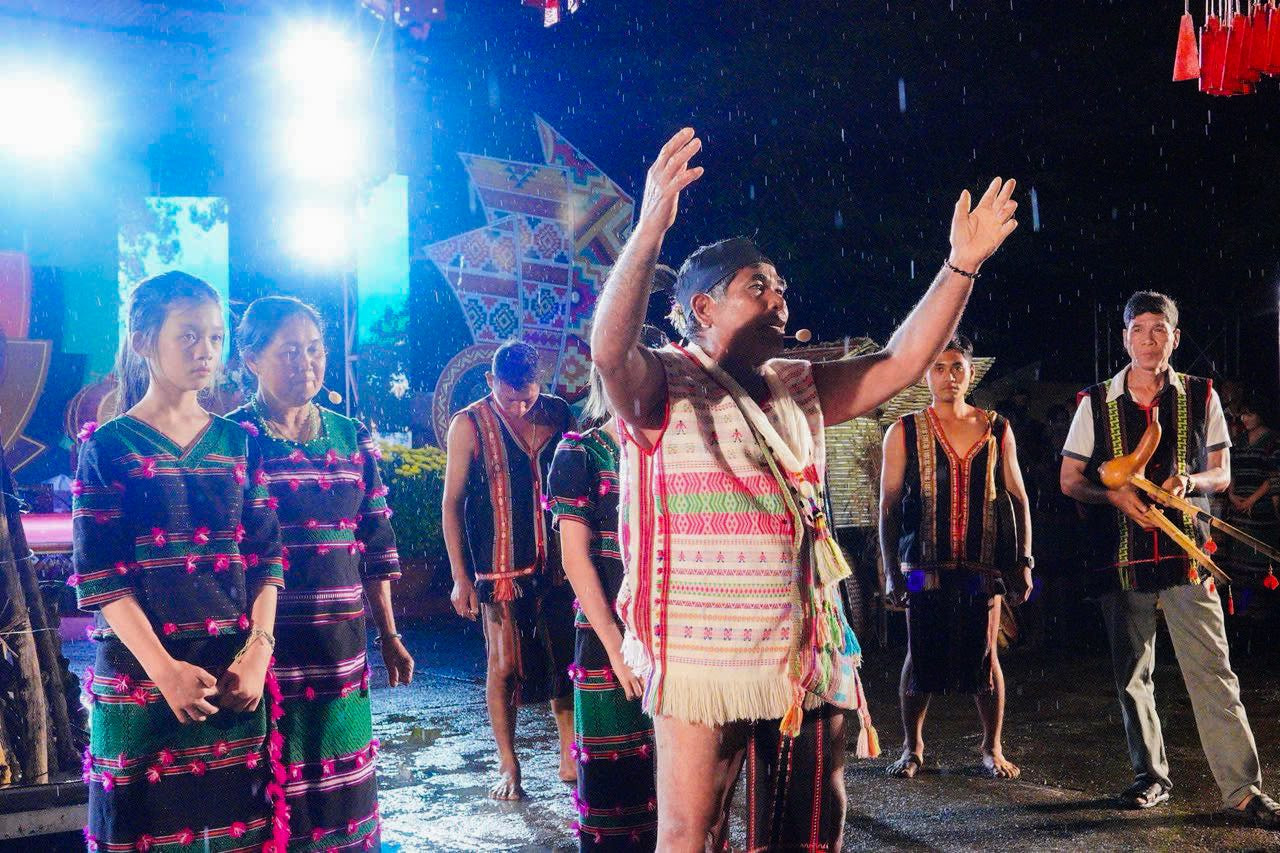
With the theme “Echoes of the Great Forest,” the festival vividly recreated the spiritual and cultural life of ethnic communities in western Lam Dong. The sound of gongs echoed through the mountains, accompanied by solemn ritual chants, the steady rhythm of weaving looms, and the cheerful laughter from folk games. Together, they formed a rich symphony of spring in the highlands—filled with hope and aspirations of the community.
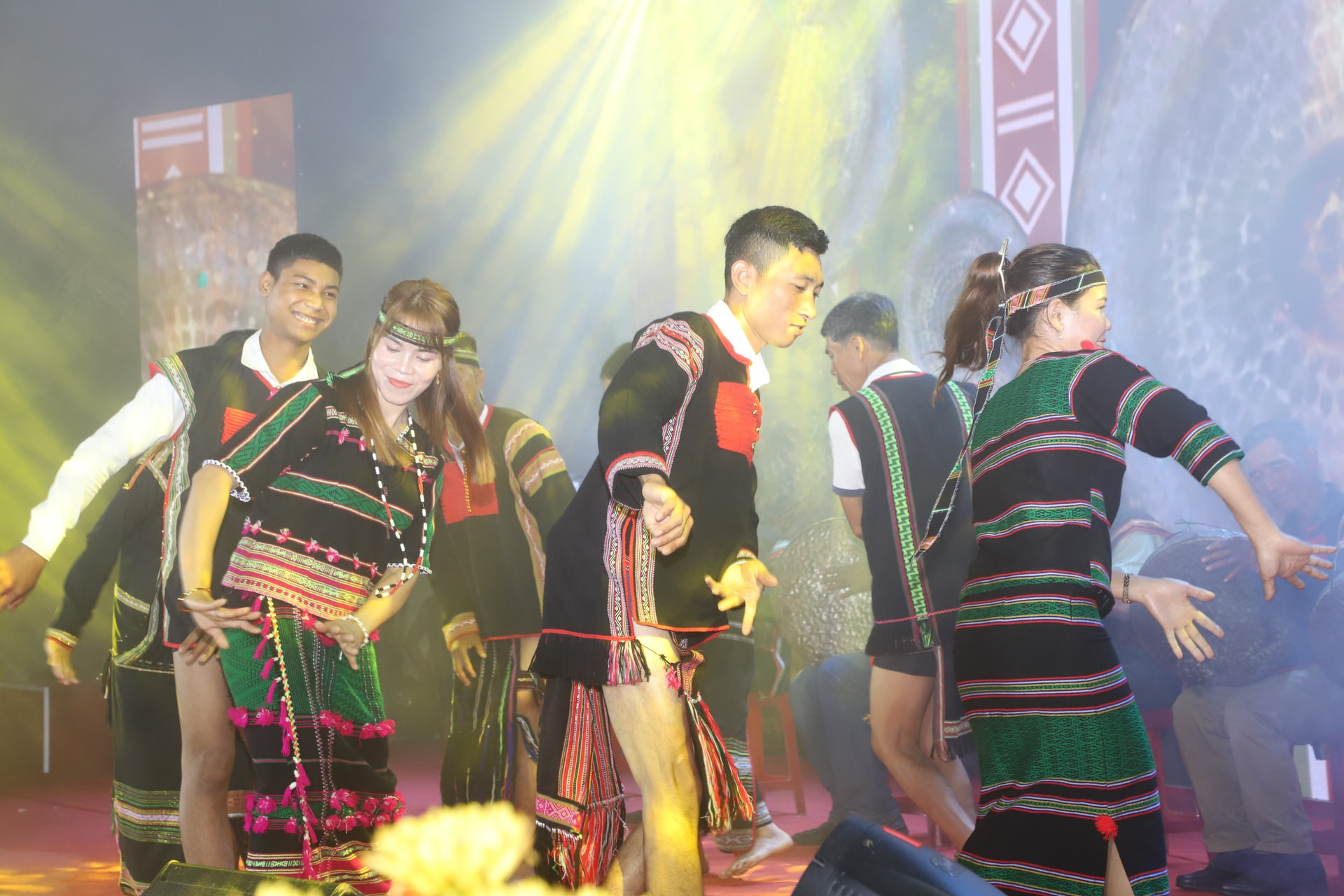
This year’s event gathered nearly 200 artisans from various localities, including Dong Gia Nghia, Nam Gia Nghia, Bac Gia Nghia wards, and Truong Xuan, Tuy Duc, and Quang Phu communes. Each locality contributed its unique cultural identity, creating a diverse yet unified cultural tapestry where traditions were not diluted but celebrated through exchange and connection.
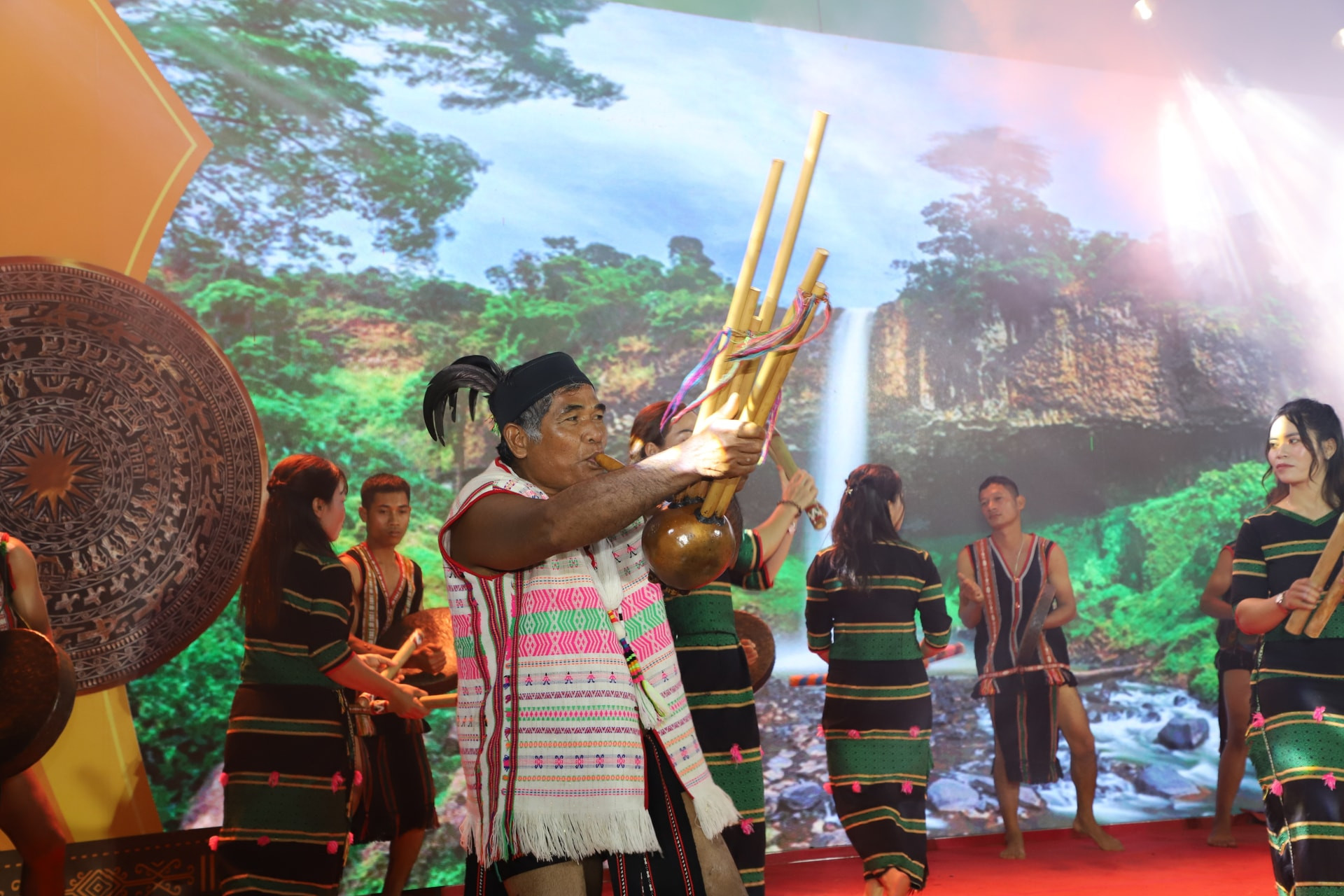
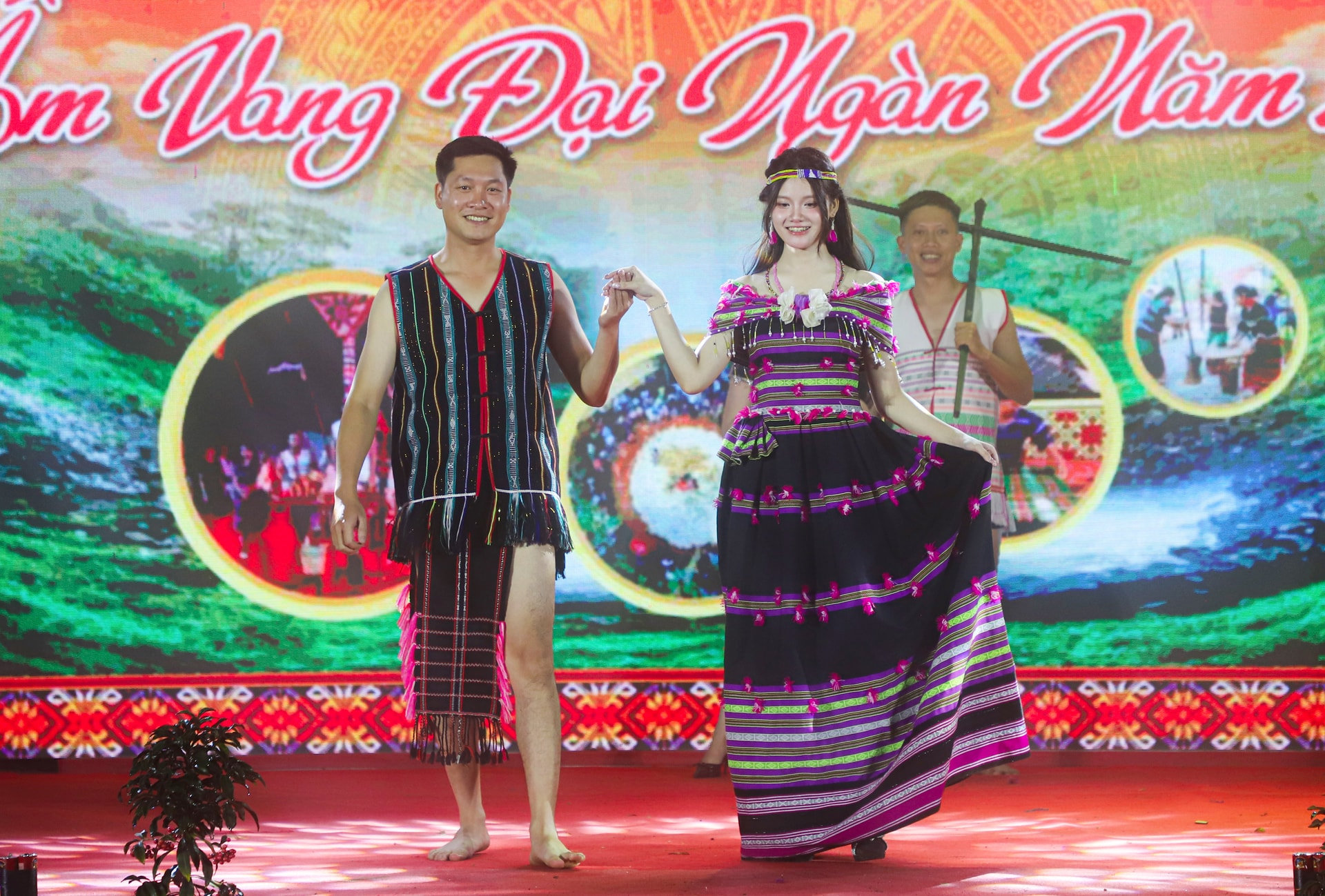
A highlight of the festival was the artistic performances, which vividly depict the daily life, labor, and beliefs of local ethnic communities. Notably, the active participation of the younger generation brought renewed vitality to the festival, showing how tradition continues to thrive in modern life.
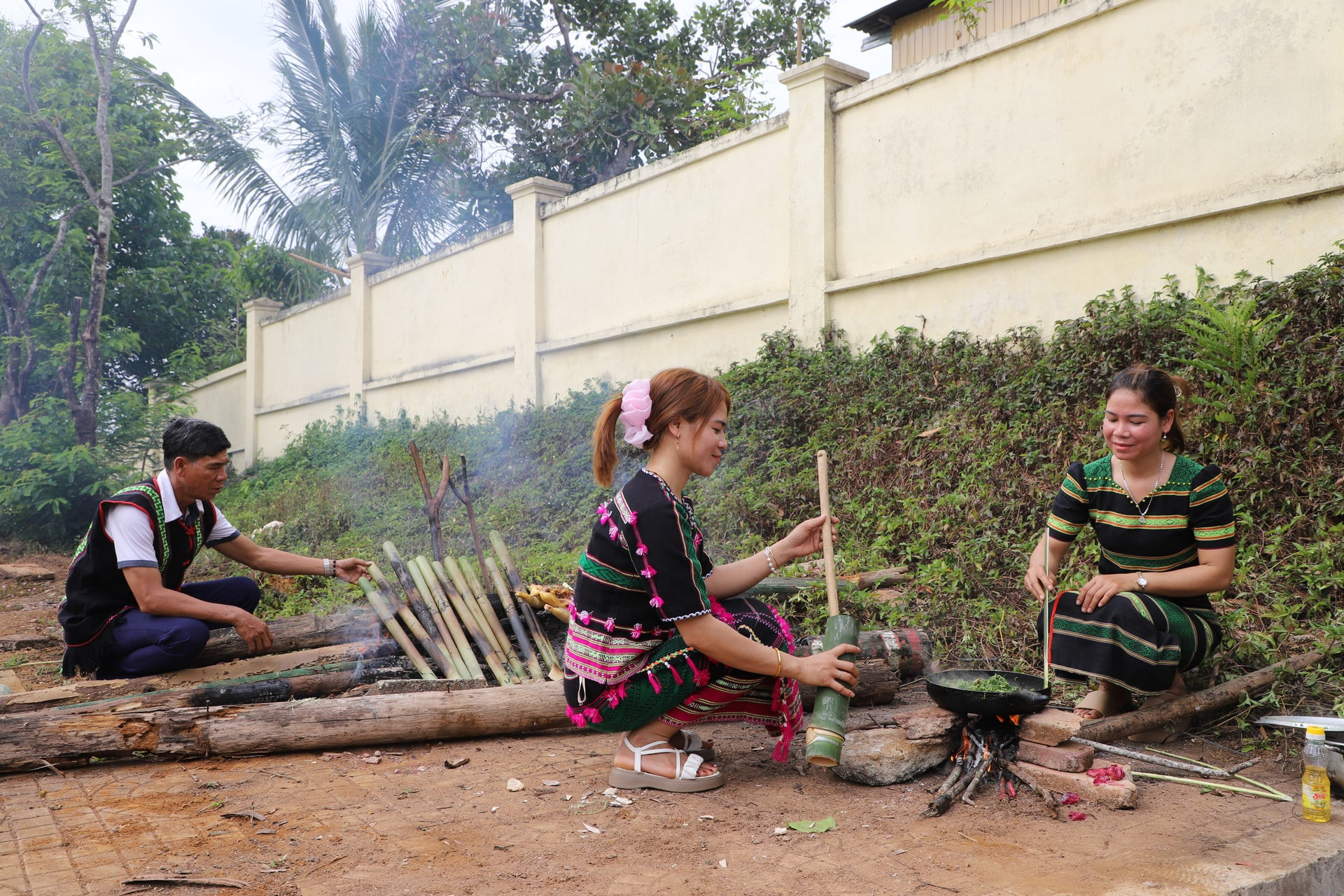
One of the most distinctive activities was the new rice ritual of the Ma people—a sacred ceremony tied to long-standing agricultural beliefs. In a solemn space beside the ceremonial pole, the first grains of the harvest were carefully selected, pounded and cooked into bamboo-tube rice offerings for the deities.
Amid the gentle echo of gongs, the village elder’s prayers expressed wishes for peace, unity, and a bountiful harvest in the coming year. Beyond its spiritual significance, the ritual was also an occasion for the community to gather around jars of traditional rice wine, sharing the joy of the new spring.
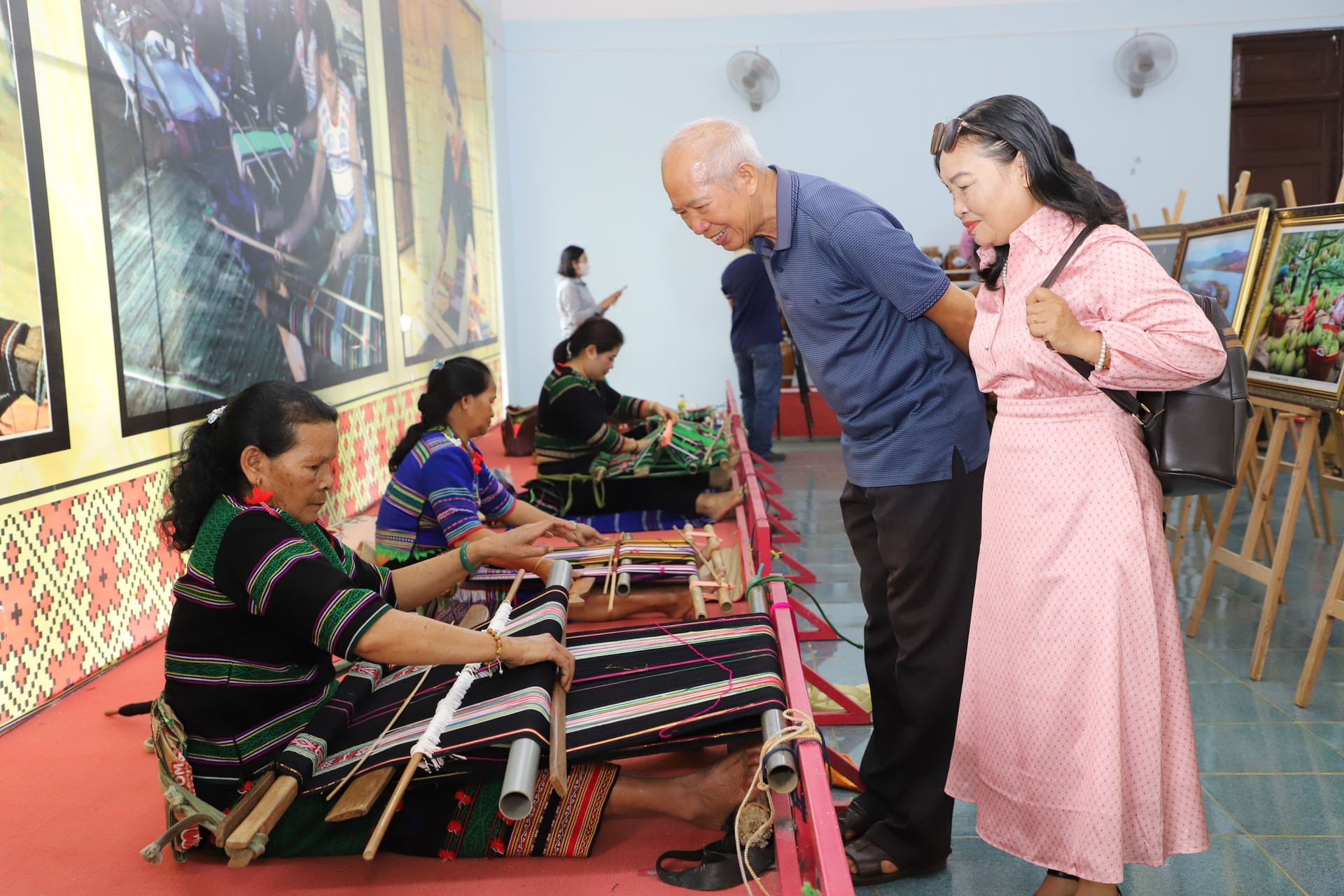
The brocade weaving space was another highlight, attracting many visitors. Looms were set up within the festival grounds, where artisans skillfully wove colorful patterns that reflected the cultural memory and craftsmanship of indigenous women.
The culinary space also featured rustic dishes such as bamboo rice, “canh thụt” soup, grilled meat, forest vegetables like "bép" leaves, and rattan shoots. These dishes, prepared using traditional methods, not only delight the palate but also reflect indigenous knowledge and a harmonious relationship with nature.
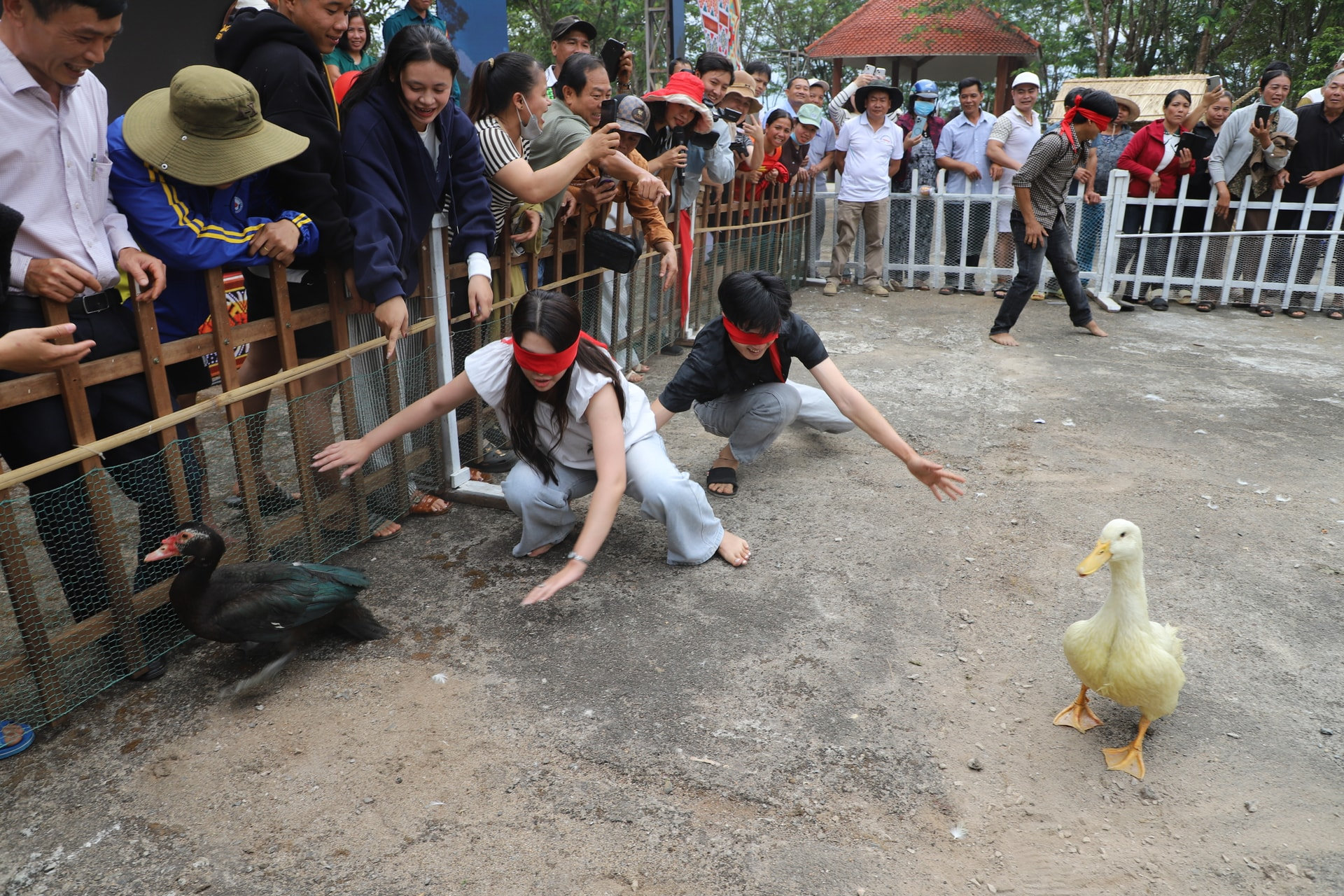
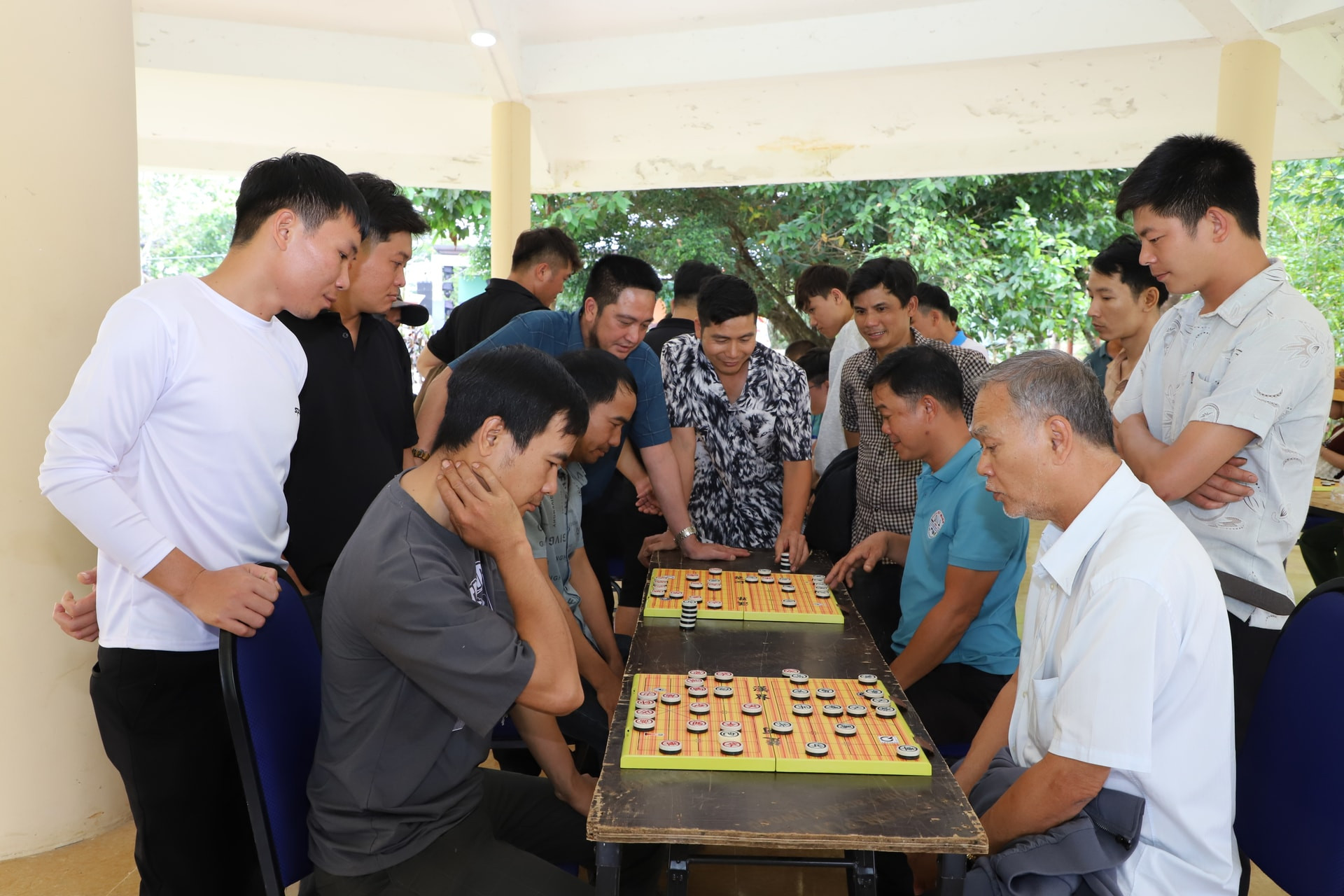
On the open grounds, folk games such as stick pushing, arm wrestling, and blindfolded duck catching created a lively and engaging atmosphere, fostering connection between locals and visitors.
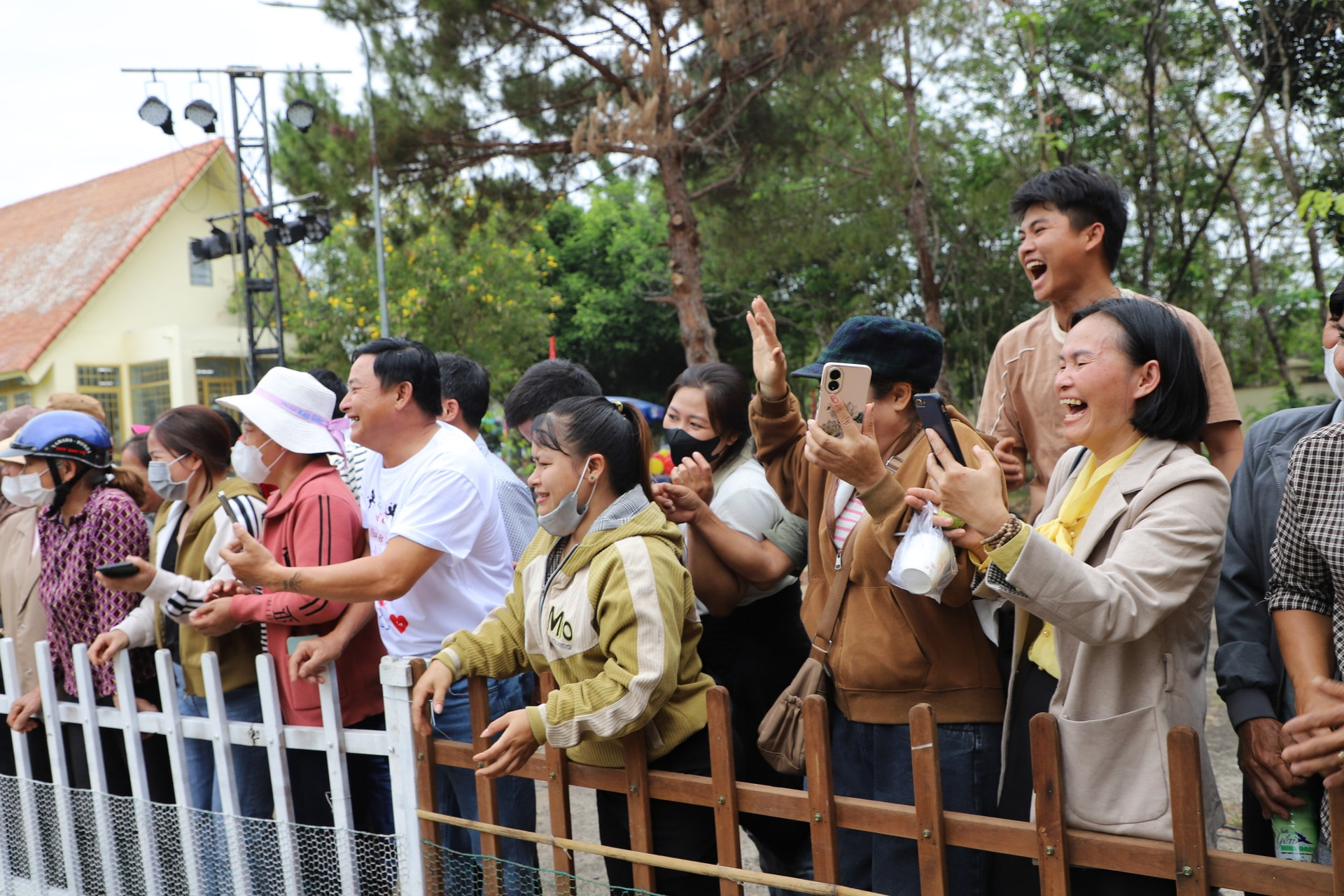
More than just preserving traditional cultural values, the Lieng Nung Spring Festival served as a space for younger generations to engage with, carry forward, and promote their cultural heritage. With each passing spring, the cultural identity of the Lam Dong highlands was further enriched, promoted, and brought to life in contemporary society.