


The Central Highlands' Cultural Heritage Around the Family Table
Across Vietnam, the family meal is a timeless tradition that unites generations. In the Central Highlands, amid the aroma of ruou can (traditional jar wine) and newly harvested rice, the kitchen hearth remains the heart of every home, where culinary traditions continue to preserve the cultural identity of the highlands.
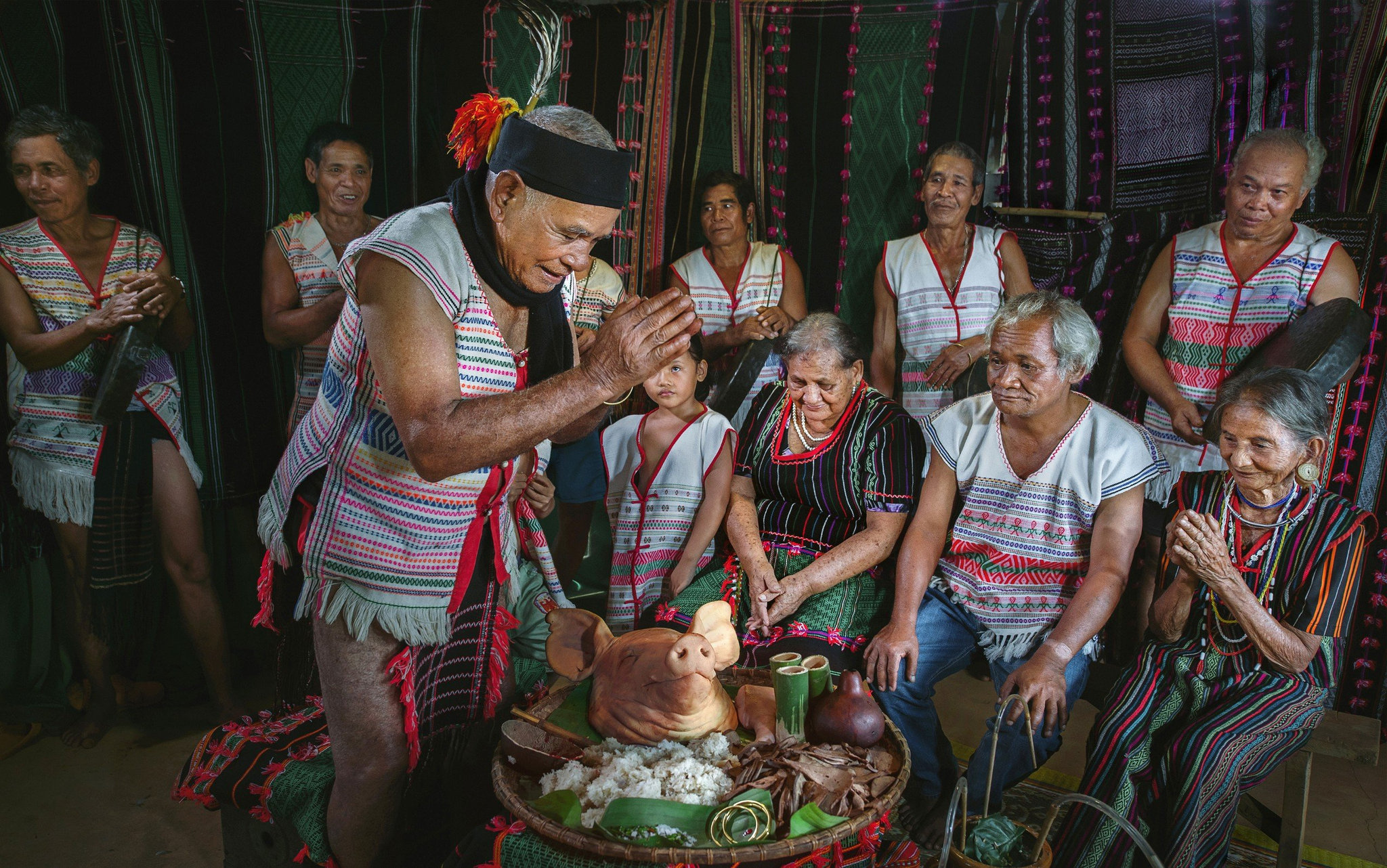
The Hearth That Keeps Traditions Alive
A traditional family meal often features com lam (bamboo-tube rice), la bep soup, stir-fried bamboo shoots, wild vegetables and a jar of ruou can. While northern Vietnamese meals are remembered for rustic vegetable soups and braised fish, and southern cuisine reflects the abundance of rivers and fields, the Central Highlands' table embodies the spirit of the mountains—simple, authentic and deeply meaningful.
For the people of the Central Highlands, a home filled with the warmth of a burning hearth and laughter around the dining mat symbolizes prosperity and harmony. The fire provides more than warmth and cooked meals; it nurtures family bonds and connects generations. A meaningful meal is measured not by the number of dishes but by the presence of loved ones gathered together. Stories, laughter and epic tales shared beside the fire become the true seasoning of every family meal.
Gathered around the family meal, elders pass on far more than dining etiquette—they teach younger generations how to live with respect, compassion and integrity. Each meal becomes a lesson in honoring one's elders, caring for others, valuing every grain of rice and appreciating the dignity of labor. It also serves as a reminder of the responsibility to preserve traditional customs, cultural practices and ethnic identity.
Around the hearth, older generations teach the young how to select bamboo tubes for cooking com lam (bamboo-tube rice), season grilled chicken with traditional herbs and spices, and identify forest leaves used in local soups. For generations, these cultural values have been quietly handed down through the simple ritual of the family meal. They are preserved not in books, but through memory, lived experience and enduring family affection.
In this way, the kitchen fire continues to sustain the cultural heritage of the Central Highlands.
.jpg)
Flavors Rooted in Nature
The cuisine of the Central Highlands reflects a profound connection between people and nature. Every dish carries the distinctive flavors of the mountains and forests: fragrant bamboo rice, fresh forest vegetables, smoked meat seasoned with indigenous herbs, and ruou can brewed from upland rice and forest leaves.
People in the Central Highlands are born and raised under the blazing sun, amid sweeping winds and along the region's iconic red-earth roads. Their hair carries the fragrance of coffee blossoms, their sun-kissed skin reflects the rich color of the basalt soil, and their voices resonate with the strength and openness of the mountains and forests. Their family meals are not defined by lavish delicacies. Fish come from nearby streams, vegetables from hillside fields, and every dish reflects the generosity of nature.
No matter how deeply globalization and international integration reshape the modern world, the people of the Central Highlands remain devoted to the simple "feasts" that nature has provided for generations. Amid vast forests and cascading waterfalls, these humble meals express gratitude for the land that sustains them and deep respect for the great highland wilderness. Perhaps it is this enduring harmony with nature that has allowed the bond between people and the natural world to remain so strong.
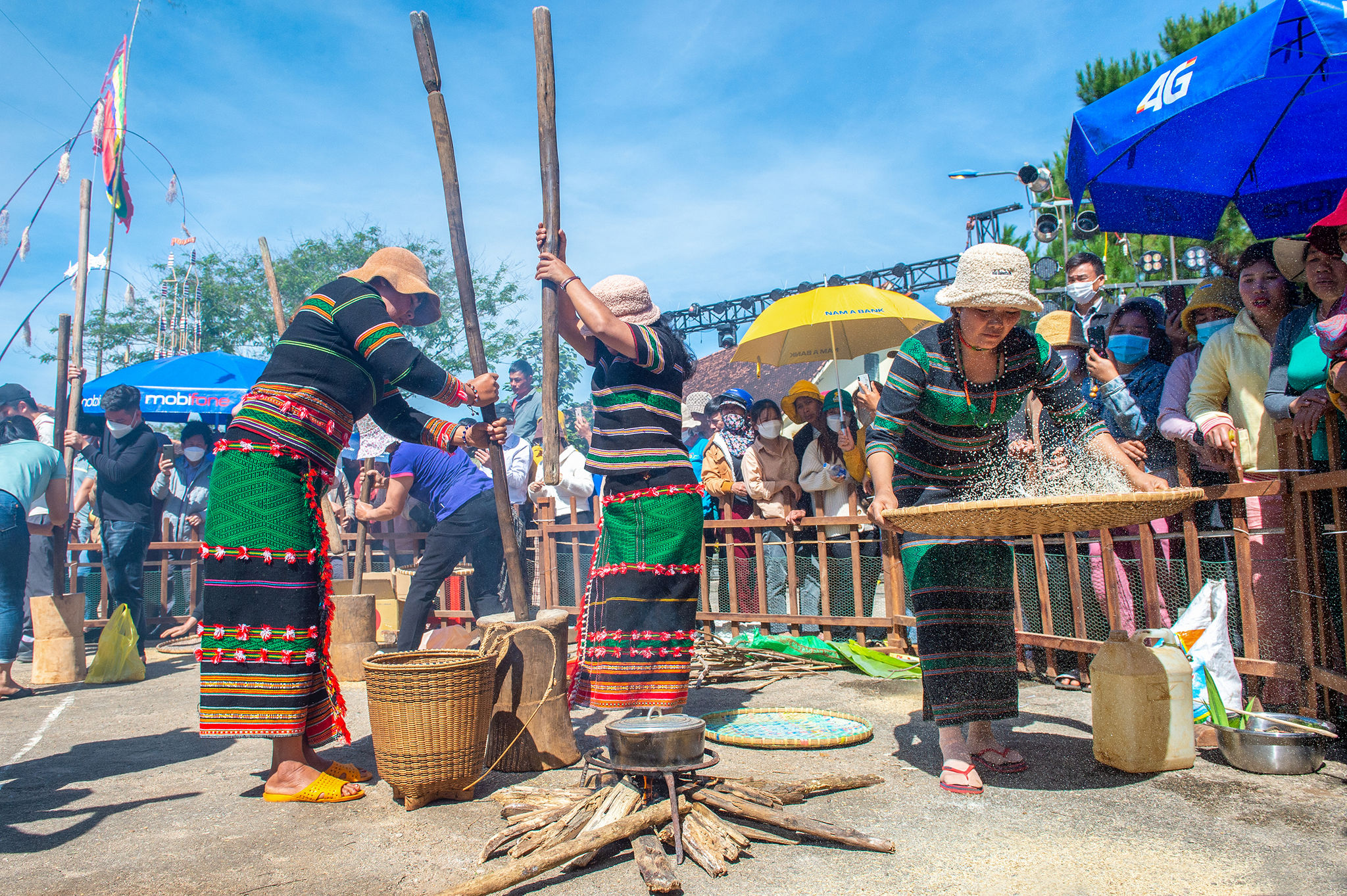
A Shared Table in Community Festivals
The family meal extends beyond the home into the vibrant cultural life of the Central Highlands. During festivals such as the New Rice Celebration, the Water Wharf Worship Ceremony, the Grave-Leaving Ceremony and gong festivals, traditional dishes occupy a central place in communal rituals.
Fresh rice, grilled meat and ruou can are offered to the Rice God, Mountain God and River God in gratitude for abundant harvests and peaceful lives. Festival meals therefore serve as a spiritual bridge connecting people with nature, their ancestors and the divine.
Accompanied by the resonant sounds of gongs, traditional cuisine also strengthens community solidarity. Gong performances, epic chants by village elders and the xoang dance around the fire unite the Kinh, Ba Na, Gia Rai, Ede, M'nong and many other ethnic communities through a shared cultural heritage.
Preserving Identity in a Globalized World
Food is a universal language capable of connecting people beyond words. As chef Anthony Bourdain once observed, "Cooking is an act of love, a gift, a way of sharing with others."
The Fourth Industrial Revolution, together with the accelerating pace of globalization and international integration, is opening unprecedented opportunities for development. Along this journey, every nation and every individual is presented with new possibilities, but also faces the growing challenge of preserving cultural identity. In this context, safeguarding and promoting traditional cultural values is not merely about protecting the heritage of the past—it is about preserving a nation's soul, strengthening cultural identity, and reinforcing the intrinsic resilience needed to thrive in the digital era.
Beyond its material significance, the family meal of the Central Highlands—and of Vietnamese families across the country—serves as a symbolic passport back to one's roots. It reconnects those who have drifted from their cultural identity with their family, their heritage and their nation, reminding them of the enduring values that define who they are.
Amid forests where the wind still whispers through the trees and kitchen fires continue to glow, the family table remains a quiet yet enduring symbol of love, belonging and the living cultural tapestry of the Central Highlands.