


The charm of coffee tourism
With its mild climate, pine forests, waterfalls, lakes, and lush green landscapes, Lam Dong Province has in recent years emerged as a distinctive destination for coffee tourism, centred on immersive experiences and social media-friendly travel. Across hillsides, mountains, and valleys, thousands of cafés nestled in nature have helped shape an appealing new travel trend.
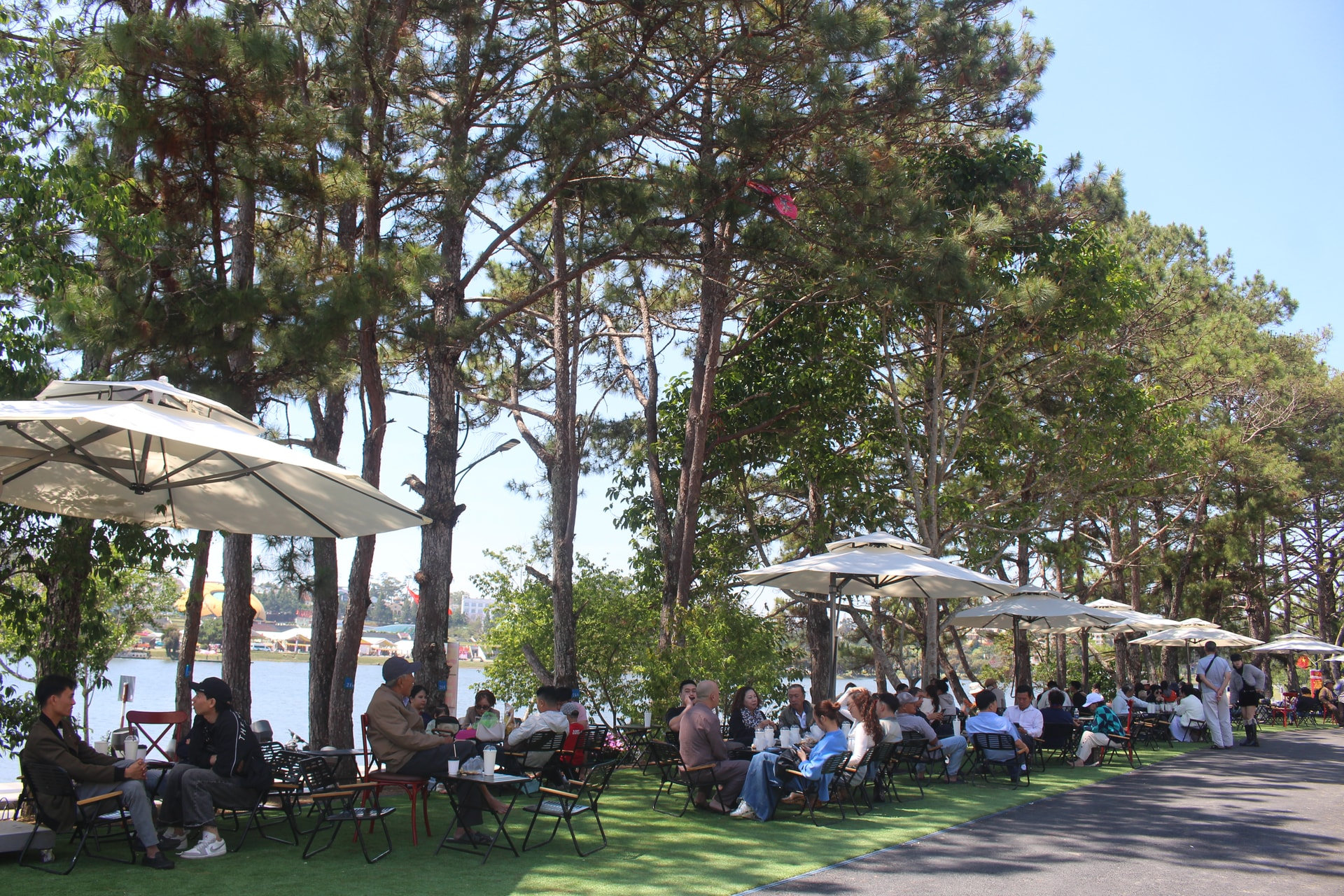
Peaceful spaces to enjoy coffee
What makes cafés in Lam Dong special is not only their rich, aromatic coffee but also their spectacular natural setting. Many are perched on hillsides overlooking cloud-filled valleys, lakes, and rolling coffee-covered hills. In the morning, visitors sip coffee amid a light mist while taking in the sunrise; by afternoon, golden sunlight bathes the hills, creating a calm and poetic atmosphere.
The combination of natural landscapes and creative design has turned cafés into must-stop destinations on travel itineraries. Each café has its own style: some are rustic, set within coffee gardens; others are modern with open architecture; while some carry an artistic vibe amid pine forests. Many stand out with unique check-in features such as sky staircases, Bali-style gates, bird nests, flower gardens, streams, and swings. Meanwhile, smaller wooden cafés decorated with baskets of flowers preserve a simple, familiar charm. Visitors can enjoy coffee in diverse settings, relax, and take in the scenery.
Located in the heart of the province, cafés near Xuan Huong Lake offer open spaces suitable for all ages, complete with pathways, mini landscapes, and small ponds. Whether in sunshine or rain, the lake can be admired through glass windows. Flowers bloom along the grassy banks, and in spring, cherry blossoms add vibrant colour. Visitors can enjoy coffee while taking in the lake’s beauty at any time of day and in any season.
Another emerging destination is a café set amid vast flower-covered hills, featuring decorative elements such as hot air balloons, horse carriages, and floral pathways. Beneath pine canopies, visitors can take in panoramic views of the lake while enjoying coffee and street music.
The development of cafés with poetic landscapes is becoming a signature tourism product of Da Lat, offering a distinctive experience. Many travellers say they visit Lam Dong specifically for its coffee culture. Hoang Nam, a visitor from Ho Chi Minh City, shared:
“The coffee here is rich and fragrant, but what I love most is sitting in nature, looking at the lake and hills, breathing in the fresh air. Even just one morning like this makes the trip truly meaningful.”
Coffee tour in coffee gardens
Beyond the scenic views, Lam Dong’s true appeal also lies in its premium coffee beans. Shaped by the cool highland climate, fertile basalt soil, and ideal altitudes, the coffee here is known for its distinctive aroma and lingering sweetness.
Visitors can go beyond the café experience to discover coffee at its source. From walking through lush coffee gardens and hand-picking ripe cherries to learning the art of roasting, this farm-to-cup journey offers a deeper understanding of the craftsmanship and dedication behind every cup.
One such destination is a coffee tourism site surrounded by vast hills, with views stretching toward Elephant Waterfall and the sound of cascading water echoing in the distance. Here, visitors not only enjoy coffee but also learn about coffee varieties, roasting techniques, modern processing equipment, and the global history of coffee.
According to Minh Hoa, a visitor from Dong Nai, her trip focused mainly on visiting coffee tourism spots, enjoying the scenery, observing coffee blossoms and fruiting seasons, taking photos and relaxing. Each café offers a unique view and atmosphere, yet all share a sense of tranquility. After the visit, she also bought coffee as gifts.
Visiting a café in Lam Dong is no longer just about drinking coffee; the rise of café-based tourism is helping shape a distinctive identity for the province’s tourism sector. To sustain this appeal, in addition to ensuring high-quality coffee, cafés should diversify their menus by incorporating local agricultural products such as fruit juices, cocoa, and fresh milk. At the same time, these spaces should be designed in harmony with the surrounding landscape, reflect local identity, and make use of eco-friendly materials while ensuring construction safety. In particular, hillside cafés require effective measures to prevent landslides during the rainy season.