


The Era of “Expressways and Acceleration”
The Resolution of the Lam Dong Provincial Party Congress for the 2025–2030 term has set out a historic vision, identifying transport infrastructure as a strategic breakthrough. At the beginning of 2026, that vision is gradually taking shape, as a comprehensive expressway network across Lam Dong begins to emerge, promising a transformative change for the province.
High-Expectancy Projects
For decades, National Highway 20 served as the sole arterial route connecting Lam Dong with key economic regions in southern Viet Nam. As trade and travel demand surged, however, the highway became increasingly overloaded, frequently disrupted by congestion and accidents, constraining socio-economic development, particularly in Da Lat, the province’s tourism hub.
After the merger, Lam Dong has faced growing pressure to upgrade infrastructure and expand gateways linking the province with the Central Highlands, Ho Chi Minh City and the South Central Coast. At the heart of this effort are expressway projects, with the Dau Giay – Lien Khuong Expressway designated as the top priority.
Once completed, travel time from Ho Chi Minh City to Da Lat is expected to be reduced to around four hours, compared to the current seven to eight hours. Beyond time savings, the expressway is seen as a catalyst for trade, tourism and investment. In parallel, expressway projects connecting Nha Trang with Da Lat, as well as routes linking the province’s three major urban centers to the coast, are also being actively promoted.
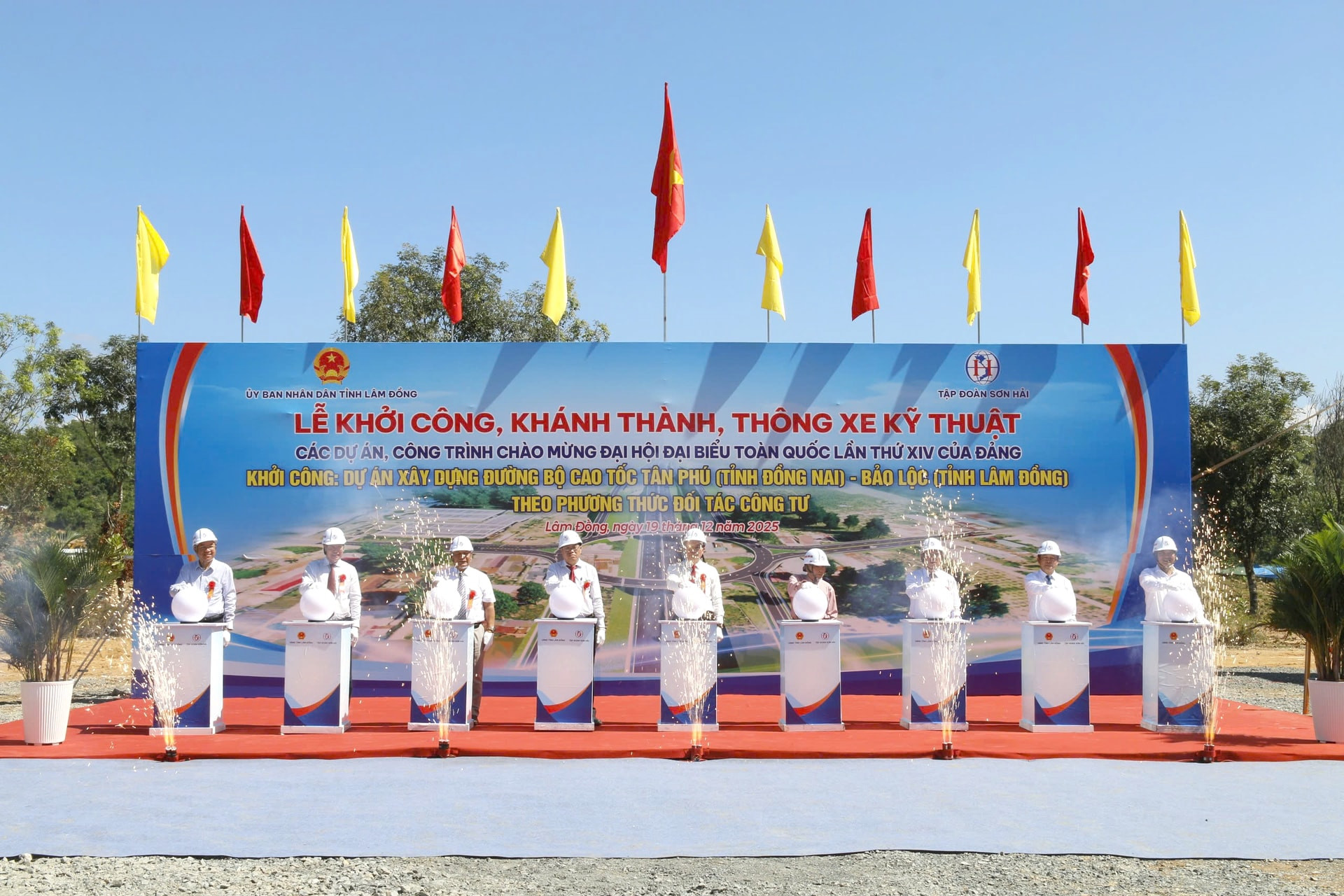
Within the province’s connectivity strategy, the Tan Phu – Bao Loc and Bao Loc – Lien Khuong sub-projects have been identified as key tasks for 2026 and 2027. These projects aim to shorten travel time between Da Lat, surrounding areas and the southern key economic region to approximately four hours. Both sub-projects broke ground in 2025 and are currently completing legal procedures to facilitate site clearance and construction.
The Tan Phu – Bao Loc Expressway spans 66 kilometers, with a total investment exceeding VND 17 trillion, and was officially launched in December 2025 through cooperation between the province and Son Hai Group. Meanwhile, the Bao Loc – Lien Khuong section is entering a critical phase ahead of construction.
Public consensus has been a notable highlight. In addition to Hiep Thanh, all 511 affected households in Di Linh area have had compensation plans approved, with total funding of more than VND 500 billion. Despite some differences compared to market prices, most residents have expressed support and are willing to hand over land early to accelerate project implementation.
Expressways from Forests to the Sea
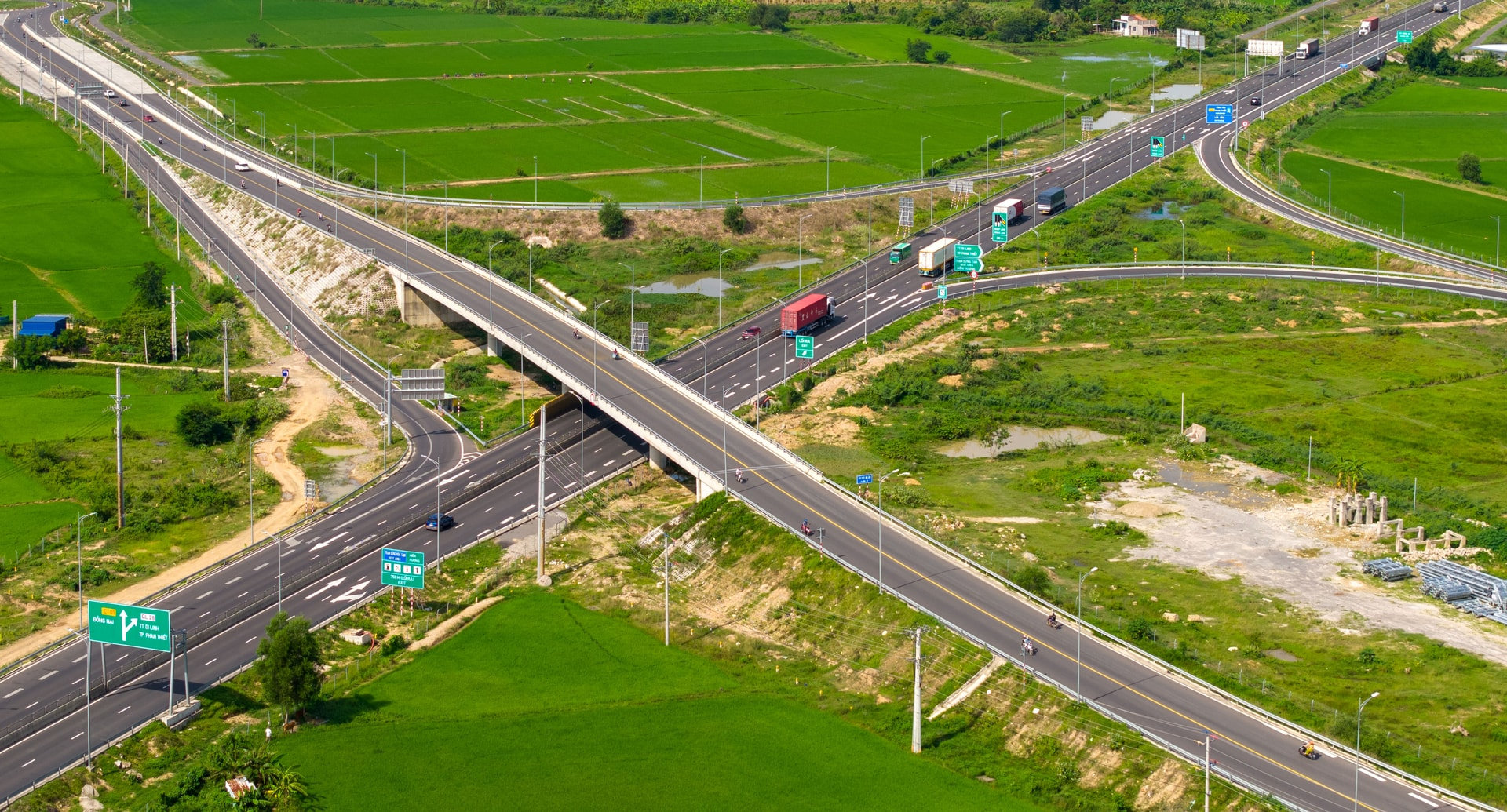
Lam Dong’s ambitions extend beyond connecting with Ho Chi Minh City. The province is also looking eastward toward the East Sea and neighboring provinces through strategic expressway corridors. The Nha Trang – Da Lat Expressway is currently under proposal, with Khanh Hoa and Lam Dong provinces coordinating route surveys. Once completed, the route is expected to cut travel time between Nha Trang and Da Lat to just 1.5–2 hours.
Minister of Construction Tran Hong Minh has recently instructed relevant parties to expedite the designation of a managing authority, aiming to commence construction by mid-2026. The project is expected to provide a safer and more efficient alternative to the hazardous Khanh Le Pass.
At the same time, the Gia Nghia – Chon Thanh Expressway is opening new development opportunities for the western part of the province. Another route under consideration for inclusion in the master plan is the Gia Nghia – Bao Loc – Phan Thiet Expressway, stretching over 140 kilometers. Envisioned as the first scenic expressway linking forest and sea within Lam Dong, the route is set to become a key development axis for the Bao Loc – Phan Thiet – Gia Nghia growth triangle.
Confidence in the Future
Mr Nguyen Hong Hai, Member of the Standing Board of the Provincial Party Committee and Vice Chairman of the Provincial People’s Committee, has repeatedly emphasized during field inspections that planning must stay one step ahead and remain integrated. He noted that expressways should not be viewed merely as transport infrastructure, but as components closely linked to industrial zones and modern logistics systems.
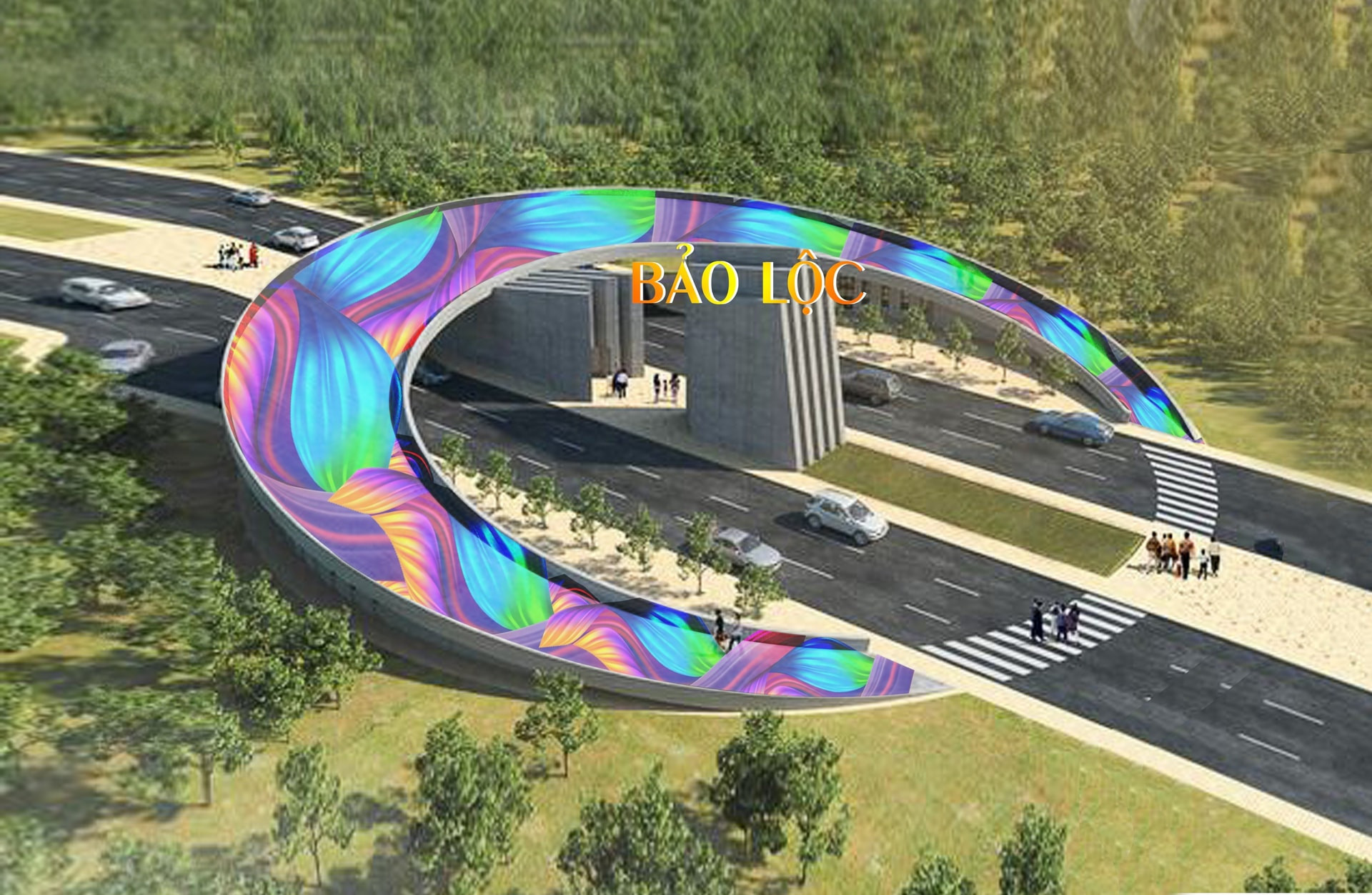
Accordingly, Lam Dong’s expressway network has been carefully designed with strategic interchanges. Once completed, it is expected to form a vital trade network along both north–south and east–west corridors, connecting key economic areas and creating development opportunities for both urban and rural communities. This is not only about improving transport flows, but about generating livelihoods, attracting investment and driving sustainable growth.
As expressways come together, geographical distances will shrink, making way for accelerated development. With decisive action from authorities and strong public support, Lam Dong can look ahead with confidence to a breakthrough phase in the near future.