


The Gourd – A natural “Refrigerator” of the central highlands’ ethnic communities
Long before modern refrigerators appeared in the Central Highlands, ethnic minority communities had already discovered an ingenious way to keep water cool: the dried gourd. They transformed the humble gourd into water containers that helped quench thirst and cool the body during long hours of fieldwork and daily life.
The dried gourd is often likened to a natural mini refrigerator — an object that carries both the warmth of human hands and the breath of the forest. To become a water container, a gourd must pass through careful human craftsmanship, while its origins lie in the upland fields, which themselves are inseparable from the forest ecosystem.
In many Central Highlands communities, gourds are cultivated without trellises despite being climbing vines, spreading naturally across the ground. When young, they are used in daily meals — cooked in soups with fish, shrimp or crab, while tender shoots and leaves are prepared with chili and lemongrass, reflecting the familiar flavors of highland cuisine.
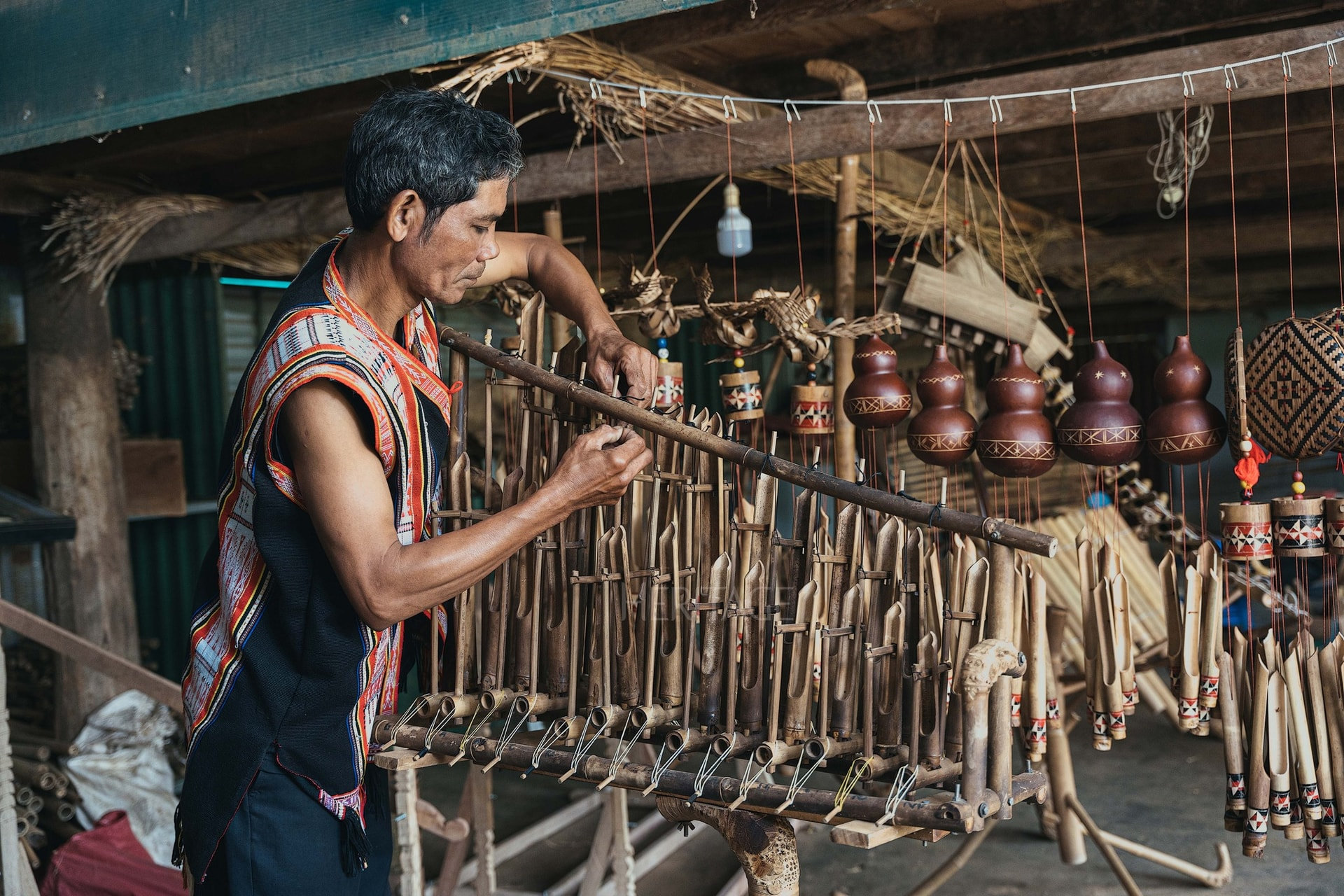
As gourds mature, some are preserved for seeds while most are dried, hollowed and shaped into containers for water, rice wine, salt or seeds — essential items in traditional life. Water-filled gourds are also offered to “Yàng” (the God) during rituals, highlighting their spiritual significance. Beyond daily use, gourd shells serve as resonant sound boxes for traditional instruments such as k’buốt, đinh năm, tak tà and k’woa.
“Gourd shells are light, porous, durable and naturally resonant, which makes them ideal for instruments like ting ning, r’kel and m’buốt,” said Artisan of Merit K’Bem from Bao Lam 1 Commune.
According to Central Highlands researcher Linh Nga Nie Kdam, gourds were even used as tools to assess soil fertility. Elders observed the vein-like patterns on fresh gourds to judge land conditions: smooth, continuous patterns indicated fertile soil, while broken or tangled lines suggested exhaustion and the need to let the land rest.
Another traditional method involved placing half of a dried gourd upside down on the soil overnight. If the interior remained cool and carried fresh air by morning, the land was considered “alive.” Harsh odors or dry, acrid air signaled depleted soil requiring recovery time.
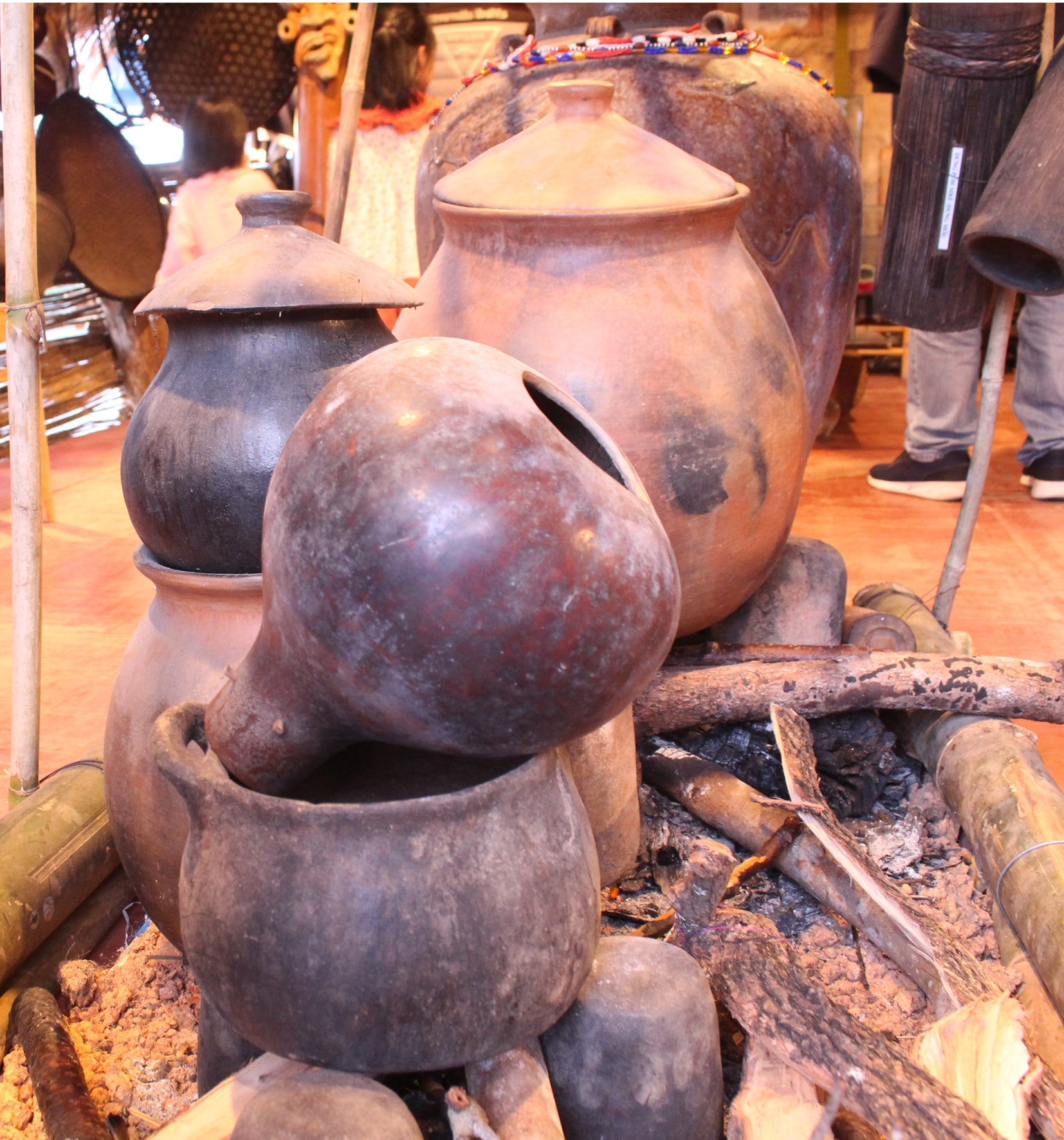
Cultural artifact collector Dang Minh Tam from Da Lat noted that homes displaying many dried gourds were once seen as orderly and industrious households, often among the more prosperous in a village. Beyond economic symbolism, the gourd also represents unity among Vietnam’s ethnic groups. EDe folklore tells of all peoples originating from a single “mother gourd,” symbolizing shared ancestry.
Musician Y Phon K’Sor of Dak Lak explained that instruments made from gourds are designed not merely to be heard but to “open” ritual space — opening pathways for Yàng, ceremonies and community connections. Their sound spreads gently through space, often preceding the gongs to symbolically bridge the human and spiritual worlds.
“The gourd has entered the spiritual life of Central Highlands communities as a sacred object and a reminder of origins,” Dang Minh Tam added.
For elders like K’Brit from Hoa Ninh Commune, indigenous knowledge is best understood through lived experience: under the blazing highland sun, lifting a gourd filled with cool water and feeling its freshness flow through the body. Such wisdom, he said, cannot be learned from books alone — it is shaped through labor, close listening to nature and generations of observation.