


The Man Behind a “Forest Museum”
From a riverside garden along the Dinh River, Nguyen Cong Sanh in Ham Tan Commune (Lam Dong Province) has quietly built what many now call a “forest museum” over the past 23 years.
Planting Forests for the Future
Traveling along National Highway 55, and crossing Lang Gon Bridge, locals can easily point the way to Sanh’s house. The gate is open, leading straight into a forest spanning more than two hectares. Even without an appointment, visitors are likely to find him tending to his trees. Tall and slender, wearing a white shirt stained with soil and tree resin, Sanh greets guests with a warm smile. His forest is always open to visitors, free of charge.
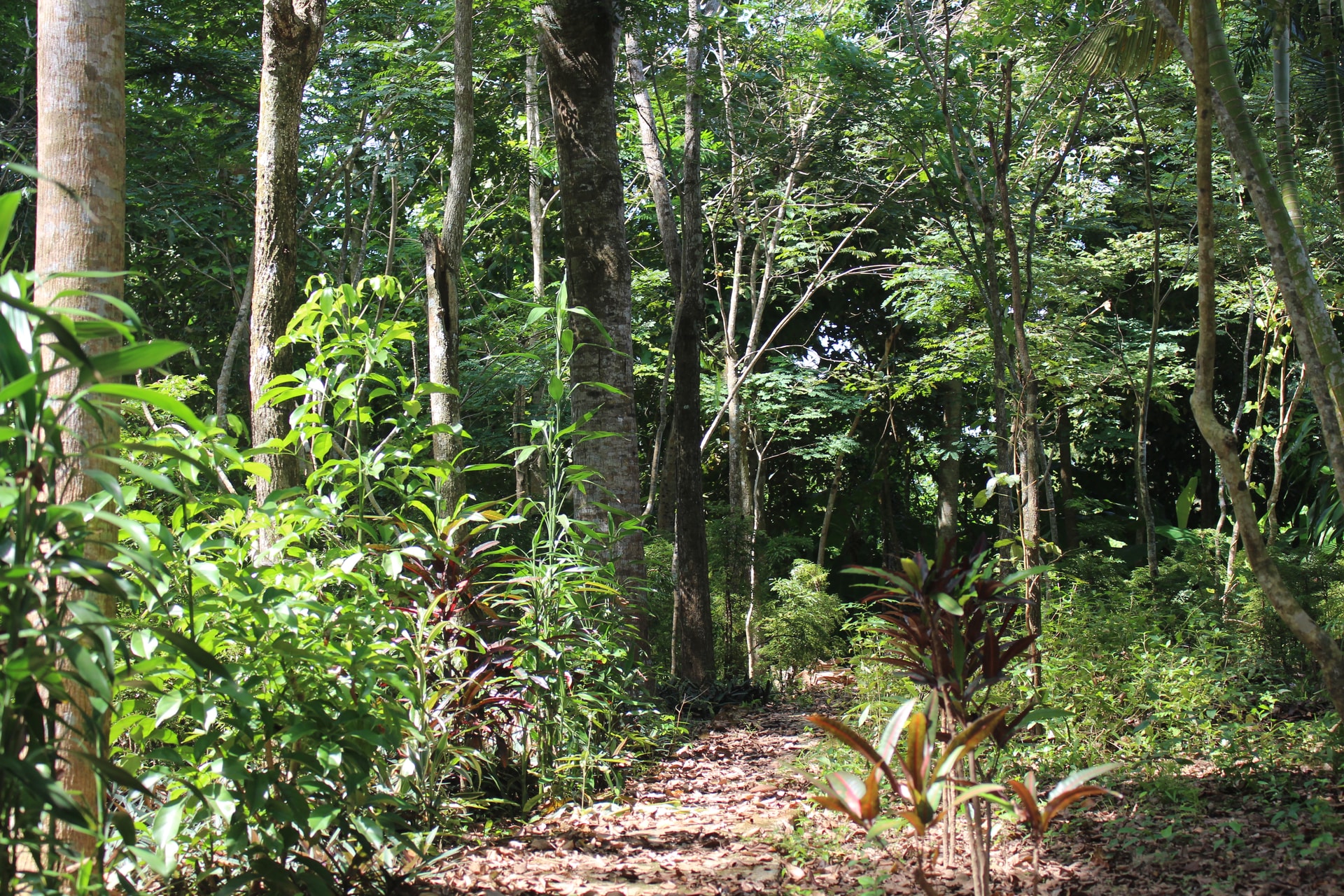
As spring settles in, the harsh sun softens. Beneath the dense canopy, filtered sunlight casts a cool glow. Old-growth trees stand alongside younger plantings, forming an unbroken stretch of green. The Dinh River winds quietly around the forest, sustaining it like a silent lifeline.
Born in 1950 in the former Binh Đinh province, Sanh moved with his mother to Tan Xuan Commune by the Dinh River, where he grew up and joined the revolutionary movement. He recalls that as a child, the forest was only steps away from his home. Over time, however, the forest receded. Heavy rains brought increasingly severe floods. The historic flood of 1999 swept away thousands of hectares of crops and destroyed fishing boats in La Gi town, then part of Ham Tan District.
“After that flood, I began thinking deeply about living in harmony with nature — simply put, living in accordance with natural laws,” Sanh said.
His passion for planting trees dates back to his youth. Work trips through barren hills strengthened his resolve to restore forests. No matter his position, he consistently supported tree-planting movements.
In 2002, while serving as Secretary of Phu Quy Island District (now Phu Quy Special Zone), Sanh devoted his brief visits home to planting and caring for trees. During his early days on the island, he noticed a lack of shade in schools and public areas. Some residents even believed large trees would attract ghosts, leading them to uproot newly planted saplings.
To change perceptions, he brought local commune and village officials to visit his garden on the mainland, showing them how trees provide shade, enrich the soil and attract birds. Gradually, the tree-planting movement spread across the island.
“People in Phu Quy gave me a nickname — half in jest, half in respect — ‘The Tree-Planting God,’” he recalled.
Initially, his family garden was planted with coconut trees to support his children’s education. Once the family’s finances stabilized, he gradually replaced coconut trees with native forest species. A few 40-year-old coconut trees remain, standing quietly amid the regenerated forest.
Sanh sourced seedlings from state forestry nurseries and collected valuable and endemic species from the southeastern forests and the Ham Tan area. His goal was to recreate a forest ecosystem in his own garden — a living classroom where residents and students could learn about disappearing forests and cultivate a love for nature.
Building a “Forest Museum”
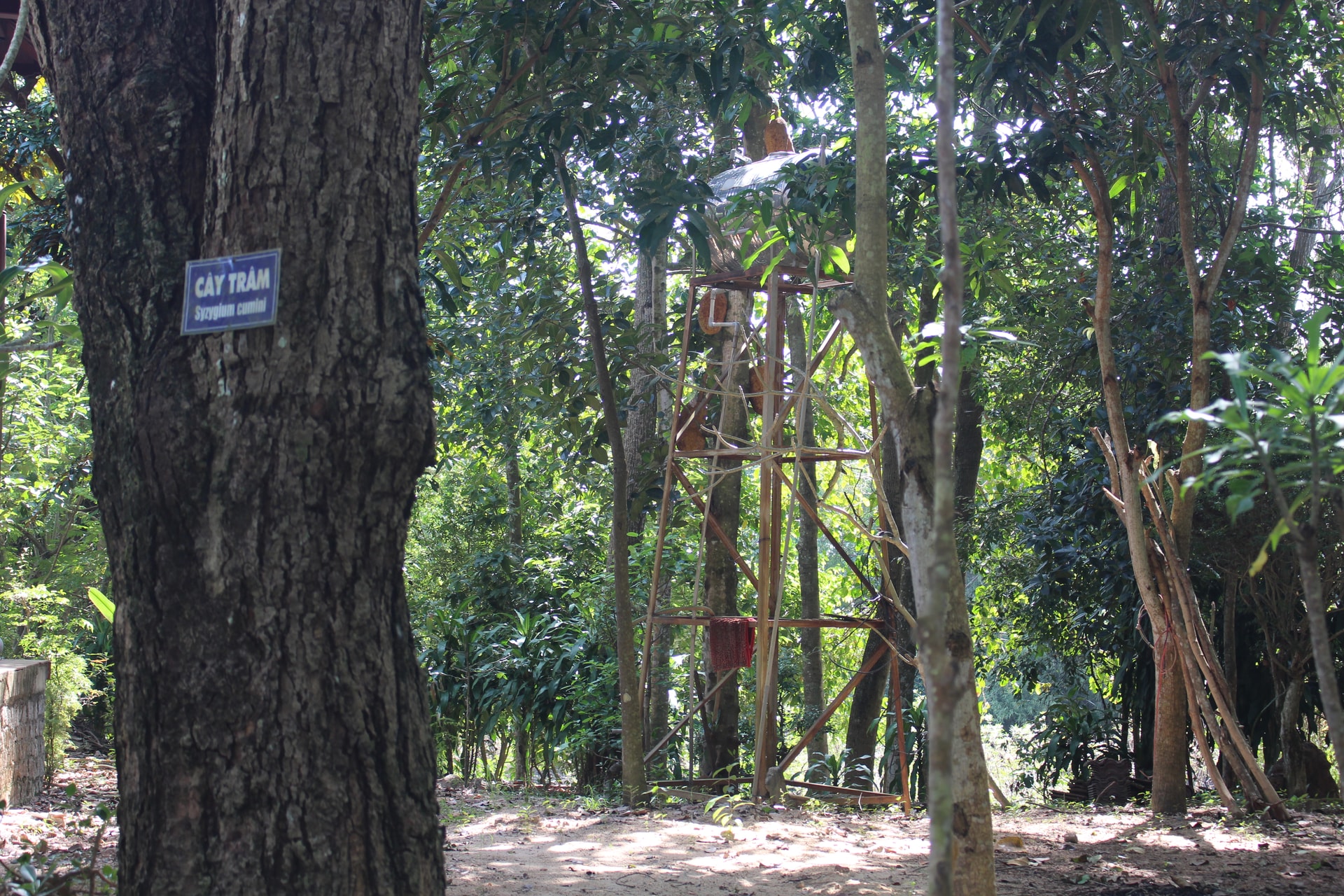
After more than two decades, the forest now hosts over 80 species, including endemic trees, medicinal plants, wild bananas and wild guavas. Precious hardwoods such as "cam lai" and "go do" have grown up to 15 meters tall, with trunks too wide for two people to embrace. Each tree bears a nameplate. The ecosystem ranges from evergreen forest patches to wetland vegetation. In recent years, birds and small mammals have increasingly returned.
Some wonder how planting forests can generate an income. Sanh simply smiles. If everyone waited for immediate returns, he says, there would be no forests left.
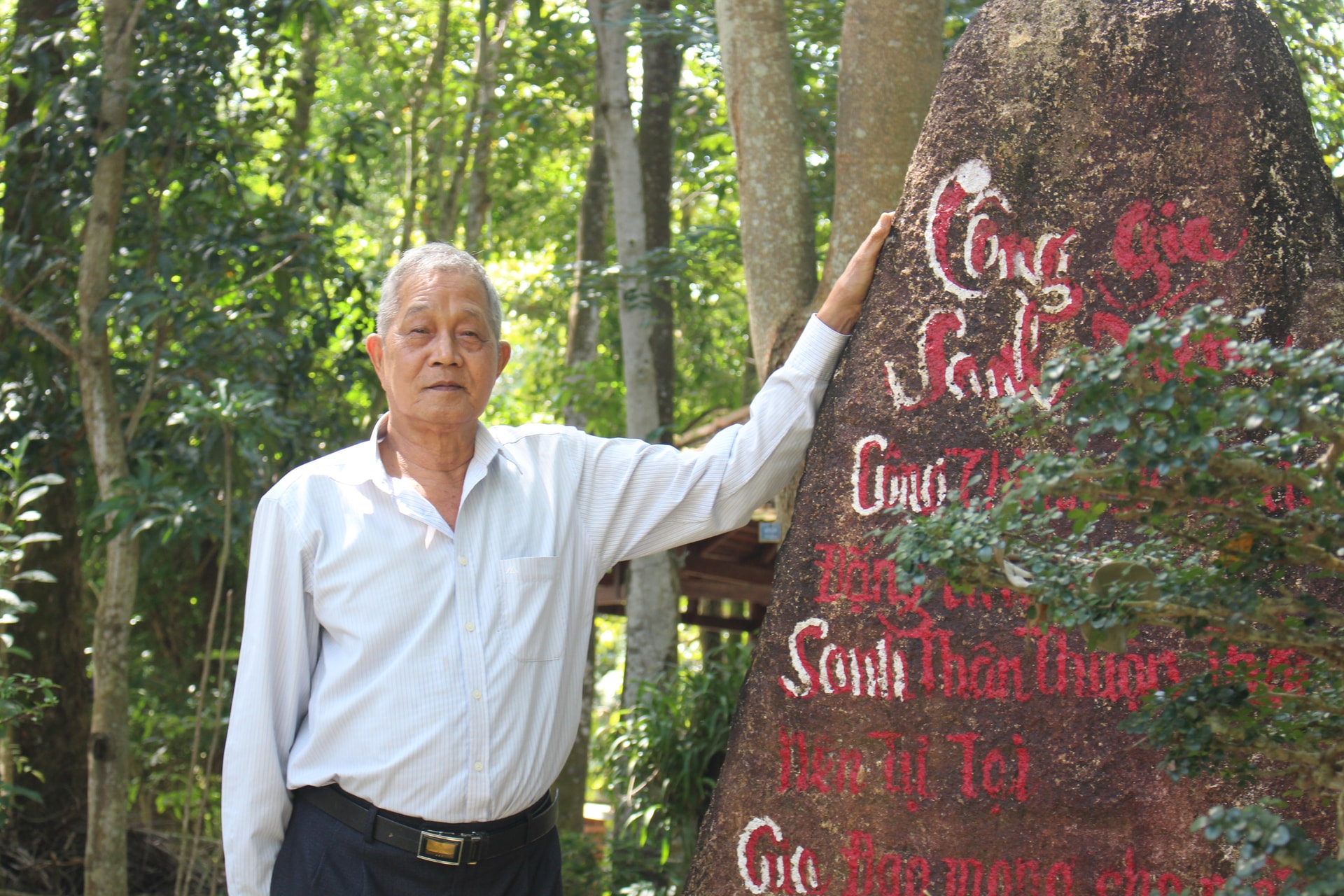
From 2005 to 2010, after returning from Phu Quy to serve as Secretary of Ham Tan District, he still spent his evenings in the garden. Later, as executive director of an eco-tourism company in Thang Hai, he devoted his income to maintaining and expanding the forest. Now fully retired, he dedicates all his time to what he has built.
Planting trees is about leaving something for society and future generations. Without forests, the land risks desertification and groundwater depletion. Preserving forests means preserving water and reducing floods.
Mr. Nguyen Cong Sanh, Ham Tan Commune, Lam Dong Province
Each year, he spends between VND 150 million and 200 million hiring caretakers, purchasing seedlings and building pathways, a waterside dock and a hexagonal pavilion for visitors. Planting, he insists, is not about putting a tree in the ground and walking away. During the dry season, he waters forest trees as carefully as ornamental flowers. When a tree dies, he studies the soil conditions to determine which species would thrive there.
Ngo Van Lang, Head of Lang Gon 1 Village, said that since retiring, Sanh has lived modestly and continued mentoring younger Party members. The forest also provides regular jobs for local workers. Each year, he organizes gift-giving drives for disadvantaged students and poor households in the commune.
“When the village lacked a fitness area for the elderly, Mr. Sanh personally funded exercise equipment and created a wellness space within the forest. Every morning and afternoon, seniors gather there to exercise under the shade of trees and the sound of the wind,” Lang said.
Since the beginning of 2025, the “forest museum” has welcomed around 700 visitors, including local delegations, schools and groups from outside the province. For years, local organizations and schools have chosen the site for community activities and extracurricular lessons on forest ecology.