


The Revival of Cau Dat Arabica Coffee
From a low-priced agricultural commodity once abandoned en masse, Cau Dat Arabica coffee has undergone a remarkable transformation over the past decade, earning its place in the global supply chains of leading coffee brands such as Starbucks and UCC. The story of Cau Dat Arabica is a powerful testament to how farmers’ devotion, combined with ethical agricultural thinking, can unlock the enduring value of this fertile land.
Years of Turbulence
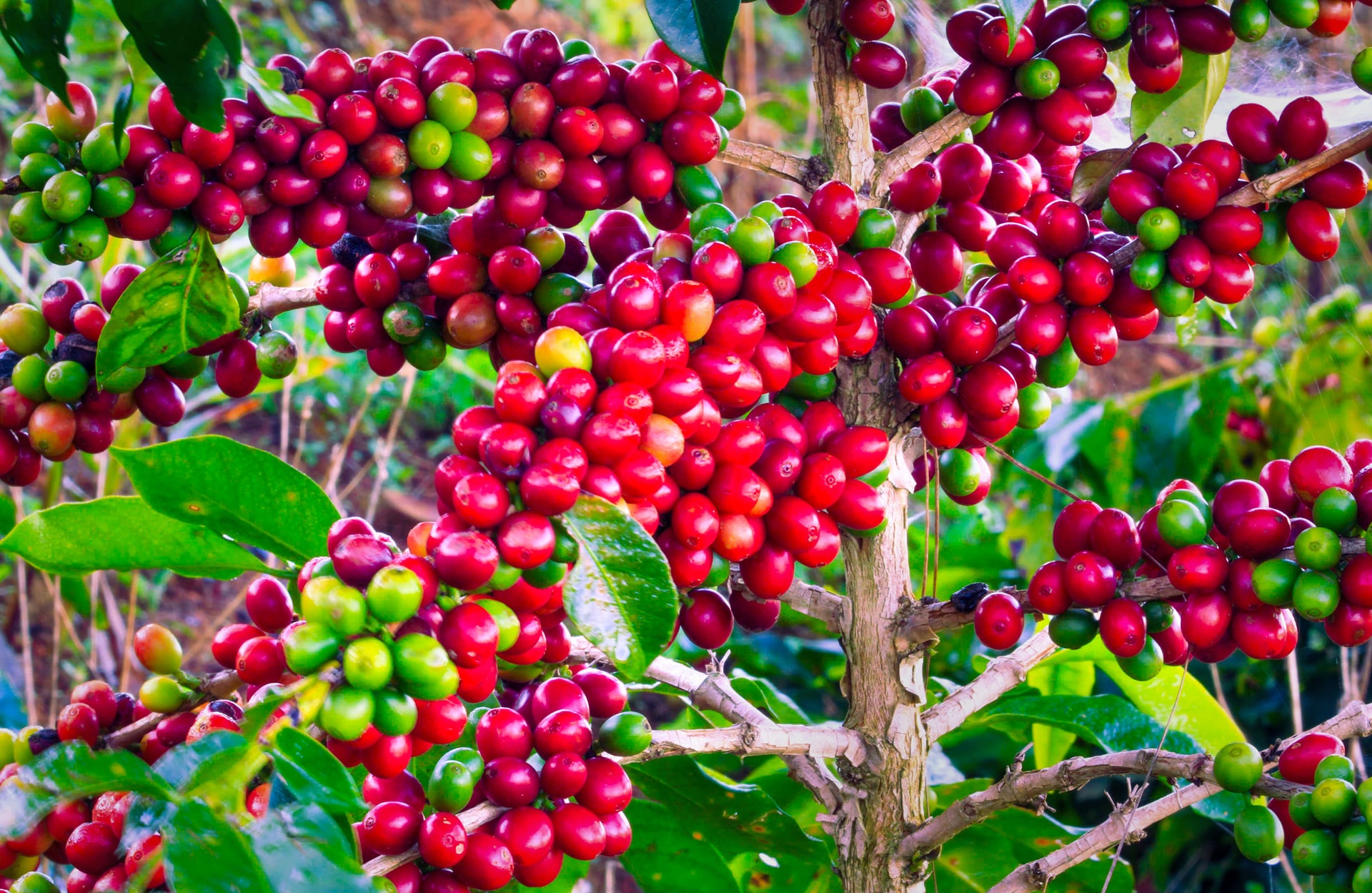
There was a time when mentioning Cau Dat coffee evoked little more than farmers’ sighs. The period from 2010 to 2015 marked the darkest chapter for coffee growers in the Cau Dat area. Arabica coffee here was known for low yields, while raw coffee bean prices plunged to record lows—at times collapsing to just VND 5,000–10,000 per kilogram.
For many veteran farmers, it was a heartbreaking period. Coffee trees were uprooted and replaced with tea, vegetables, or flowers. Once-proud coffee gardens became neglected and withered, abandoned due to poor productivity and prices so low they were no longer sustainable.
Located at an average altitude of 1,500 meters above sea level in Xuan Truong - Da Lat Ward, Cau Dat enjoys natural advantages few regions possess: a year-round temperate climate, fertile basalt soil, and significant day–night temperature variation. These conditions create the refined and distinctive flavor profile of Cau Dat Arabica coffee.
Historical records show that Cau Dat coffee dates back to the early 20th century, when French agronomy experts introduced Arabica varieties to Vietnam. By the 1920s, coffee cultivation in Cau Dat–Da Lat had expanded rapidly. Classic varieties such as Bourbon, Typica, and Mocha—difficult to grow and highly susceptible to pests elsewhere—thrived unexpectedly in this land. Among them, Cau Dat Arabica, particularly moka coffee, became the region’s pride, celebrated for its unique and captivating taste.
The “Starbucks Effect”
If Arabica is often hailed as the “queen” of coffee for its elegance, then Cau Dat Arabica is a jewel in that crown. Its international stature, however, was firmly established in 2016.
A turning point came when Starbucks officially recognized Cau Dat Arabica as one of the world’s seven finest coffees. Prior to this, Starbucks had sourced premium coffee exclusively from six renowned origins: Indonesia, Kenya, Rwanda, Brazil, Colombia, and Guatemala.
Cau Dat Arabica’s presence across Starbucks’ global store network was more than a commercial milestone—it was a global endorsement of the region’s Arabica quality.
This recognition awakened both farmers and policymakers to the need to preserve and develop Cau Dat coffee within the Specialty Coffee segment. From this point, a new strategy was shaped by the provincial People’s Committee , aiming to position Cau Dat as a specialty coffee production zone. No longer focused on bulk exports of raw beans, Cau Dat Arabica has been gradually restored and reoriented toward high-quality specialty coffee, capable of standing alongside the world’s finest and most distinctive brews.
A Revolution in Farmers’ Mindsets
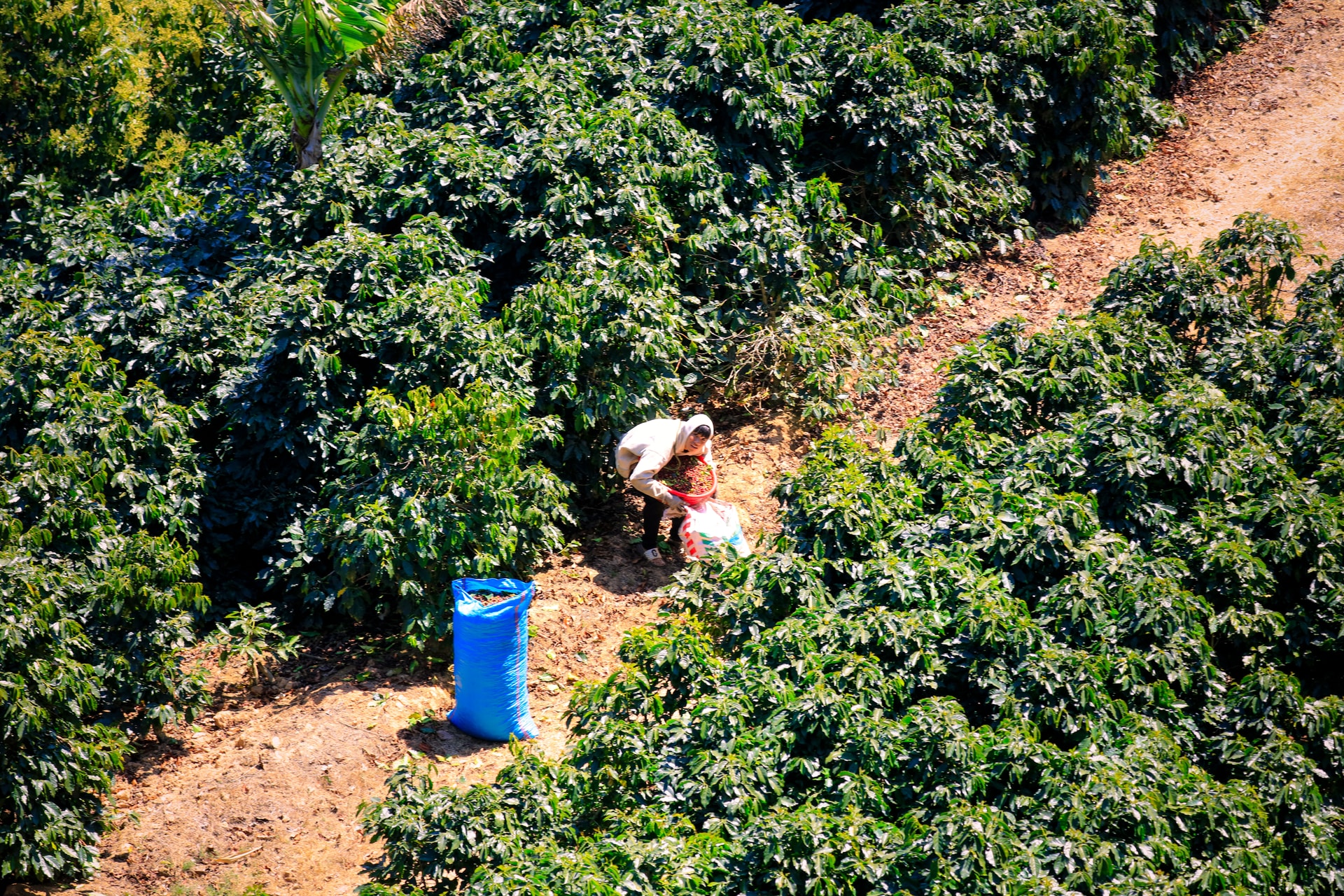
The greatest challenge in reviving Cau Dat Arabica was not technical expertise, but changing deeply ingrained farming mindsets passed down through generations. Traditionally, cultivation practices lacked transparency—from fertilization to harvesting. “Strip-picking” methods were common, with green cherries accounting for up to 50 percent of the harvest, and sometimes only 30 percent fully ripe.
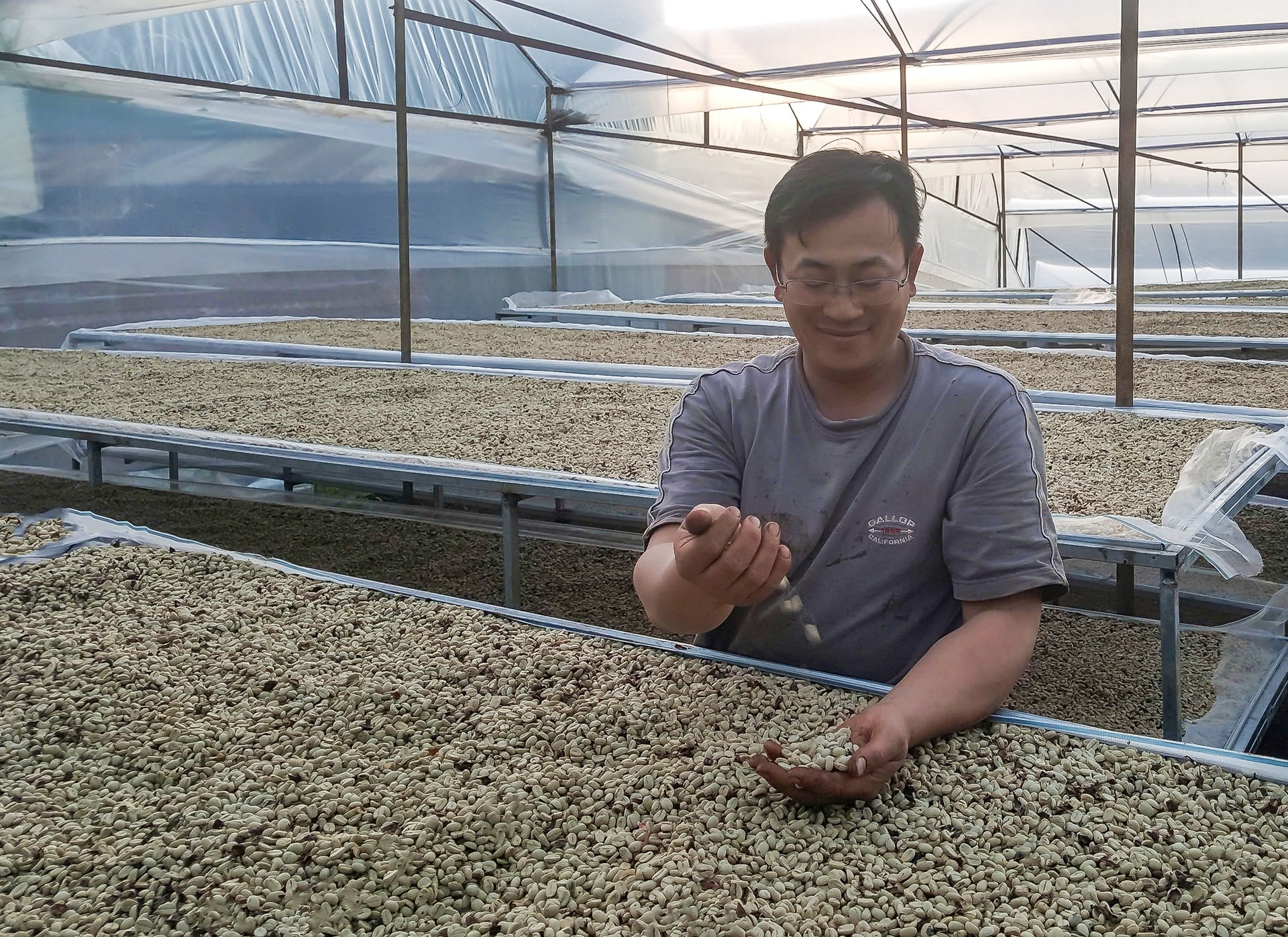
Change began with small but decisive steps: careful cultivation, selective harvesting of ripe cherries, improved processing, and proper storage. The practice of indiscriminate harvesting was gradually eliminated. A representative example is Mr. Nguyen Song Vu, whose family has grown coffee in Cau Dat for generations.
After learning that Cau Dat coffee selected by buyers had been entered into international competitions and won awards, Mr. Vu began studying high-quality coffee production methods. His coffee trees are now managed under strict quality controls.
“In the past, we only cared about quantity,” Mr. Nguyen Song Vu shared. “Now, farmers here pay attention to every stage—from planting and nurturing to harvesting 95–100 percent ripe cherries and processing. We are also transitioning toward organic farming.”
The results of this mindset revolution are evident. From the rock-bottom prices of the past, raw Cau Dat coffee now sells for up to VND 150,000 per kilogram. Coffee gardens once cleared for tea or vegetables are being replanted with coffee, this time following clean, transparent, and quality-driven cultivation practices.
Beyond farmers’ efforts, the resurgence of Cau Dat Arabica has been bolstered by leading enterprises. Coffee companies from Vietnam, Japan, and beyond regularly organize annual coffee selection competitions for export, fostering healthy competition and driving quality improvements across the region.
Ms. Le Hoang Diep Thao, Founder and CEO of King Coffee—widely known as a leading figure in Vietnam’s coffee industry—has praised the Arabica coffee of this region. In her cooperation with farmers and her ambition to position Lam Dong as Vietnam’s coffee capital, she has consistently emphasized the exceptional status of Cau Dat Arabica.
Today, Arabica coffee has become inseparable from the identity of Cau Dat’s people, cherished with pride. The flavor of Cau Dat Arabica is not only a product of climate and soil, but also the outcome of love, dedication, and an ethical approach to agriculture.
With a target of developing 19,000 hectares of specialty coffee by 2030, Cau Dat Arabica has not only been revived—it is poised to reach coffee lovers around the world.