


The Spring Colors of Wild Apricot Blossoms: From Legend to Everyday Life
For the people of former Binh Thuan Province (now the southeastern area of Lam Dong Province), yellow apricot blossoms are more than just Tet decorations, they are an integral part of their cultural memory. Among them, wild apricot blossoms possess a distinctive beauty—rustic and pure—closely associated with legendary tales and a simple, folk pastime cherished by many generations.
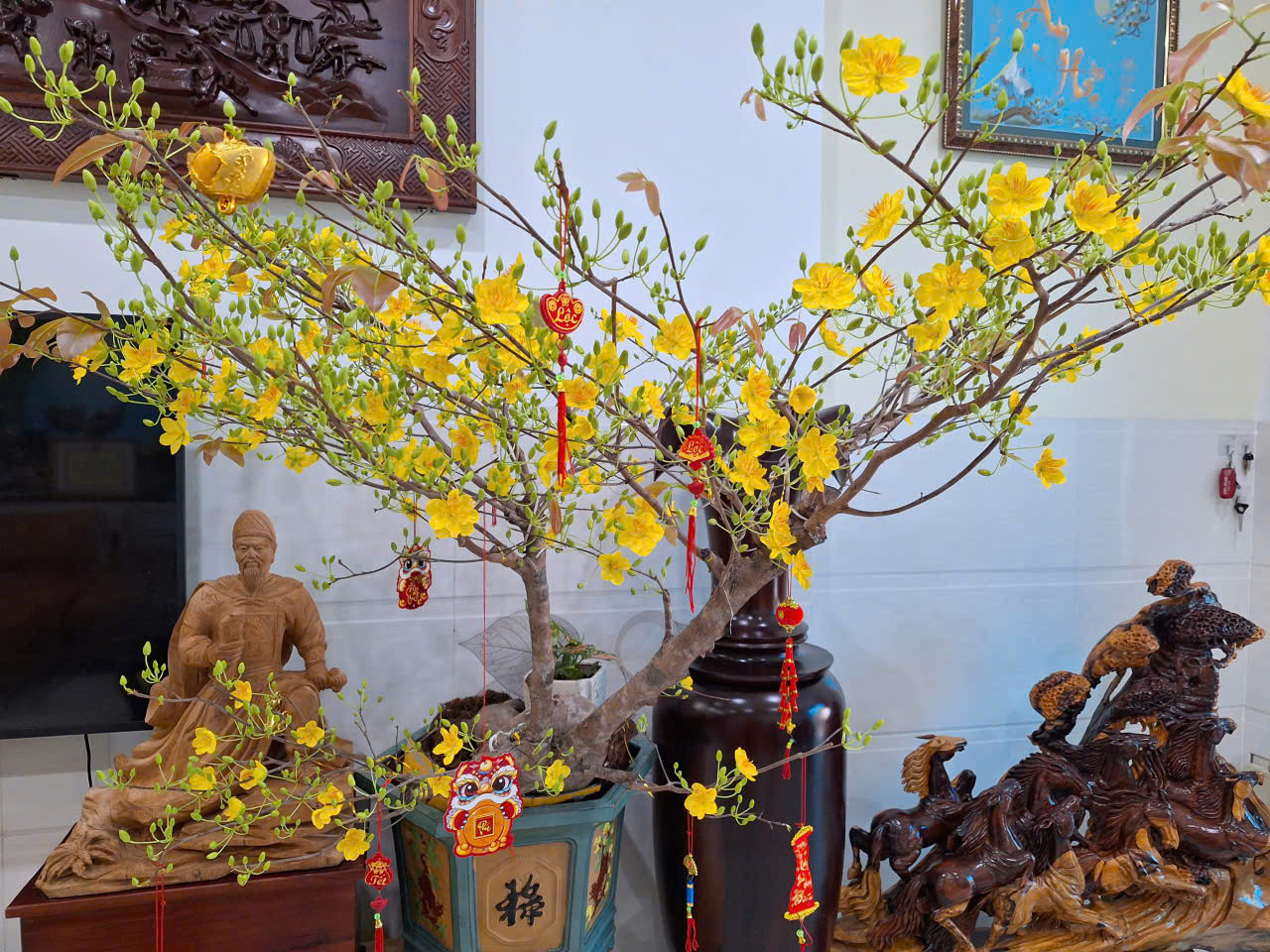
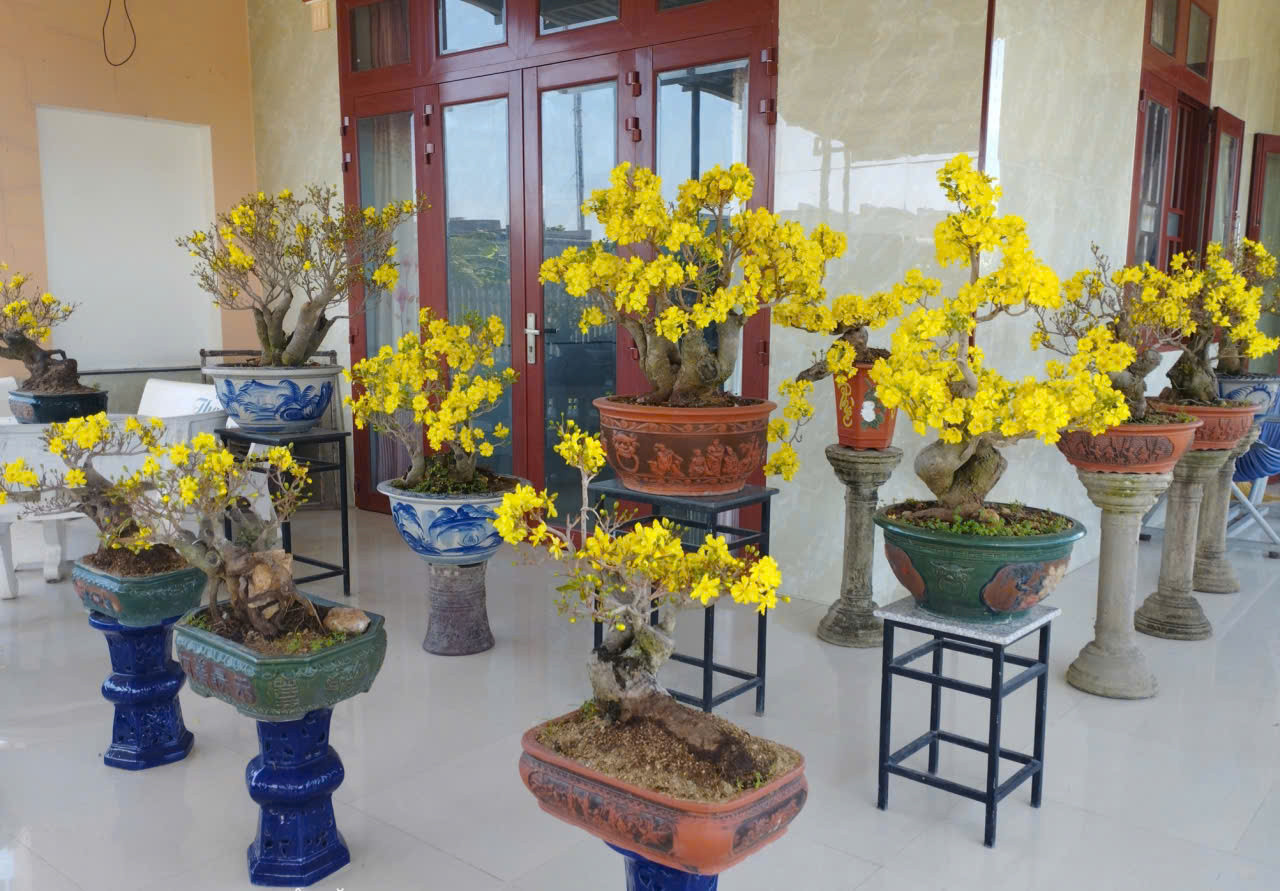
According to legend, the areas of Vinh Hao and Ca Na were once renowned for their “apricot garden,” where unique varieties of apricot, including golden, white, and pink, thrived. The narrative of yellow apricot blossoms is closely linked to the romantic story of King Che Man and Princess Huyen Tran, passed down through generations as a lovely legend. It is said that when the princess journeyed south and was enchanted by the mountainous landscapes and the vivid yellow apricot blossoms lining the streams of Vinh Hao, King Che Man commanded that an entire apricot garden be planted so she could enjoy the flowers and soothe her nostalgia for her homeland. From that point onward, the region became known as a land of wild apricot blossoms.
Alternative historical narratives suggest that in 1301, as he traveled south, Retired Emperor Tran Nhan Tong admired the breathtaking natural apricot groves in Phan Rang, Vinh Hao, and Phan Ri. Captivated by their splendor, he is thought to have inspired the cultivation of yellow apricot blossoms in other regions, including Yen Tu Mountain, where he would later practice Buddhism. Consequently, the yellow apricots of Yen Tu today are believed to have originated in this sun-kissed, windy landscape. Whether considered a legend or a historical theory, these tales enhance the cultural significance of this emblematic flower associated with the southern spring.
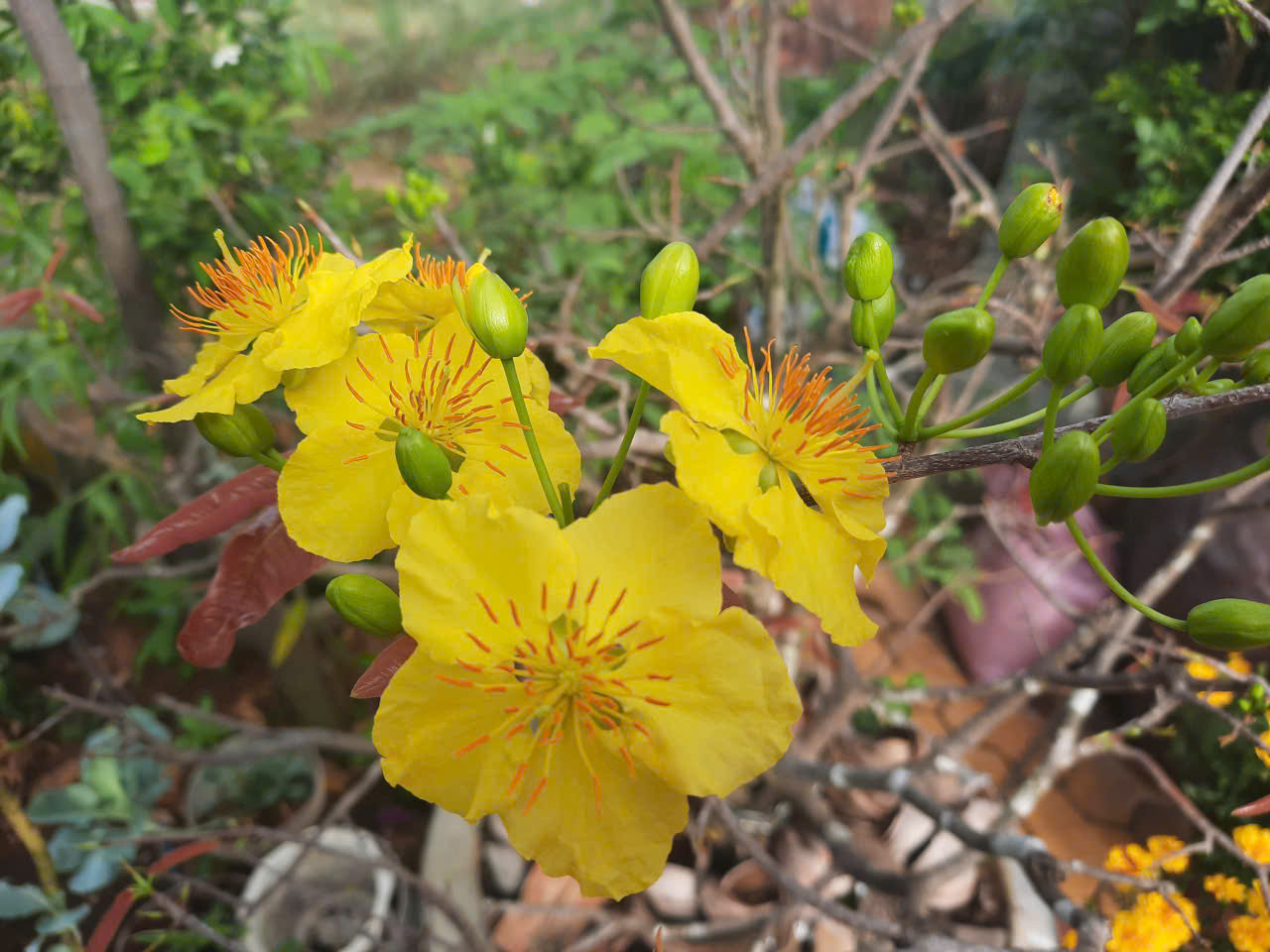
Before the 1990s, when potted apricot trees had yet to become popular, many apricot lovers in Binh Thuan developed a tradition of exploring the forests at the year's end to find wild apricot branches, either for festive displays during Tet or to sell for some extra money.
Starting from mid-lunar December, they would journey deep into the mountain regions of Phan Son, Phan Lam, and Phan Tien (previously part of Bac Binh District), as well as Ham Phu, Ham Tri, and Thuan Hoa (formerly situated in Ham Thuan Bac District) in search of striking wild apricot branches. The blossoms of wild apricots generally feature five petals, a potent fragrance, vibrant golden colors, and impressive resilience, representing the strength and perseverance of those who inhabit this sun- and wind-battered land.
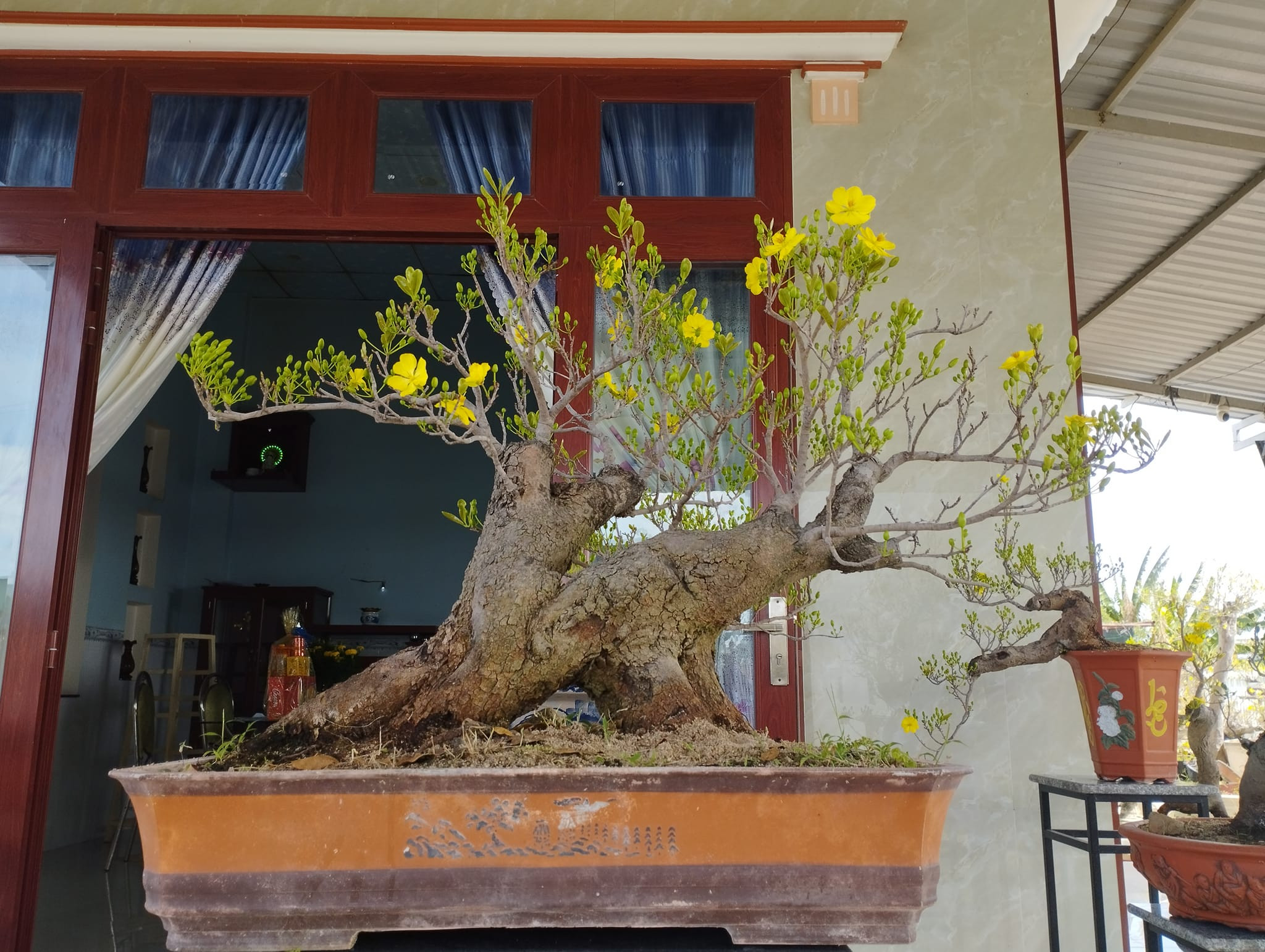
Mr. Le Van Phuong (from Lien Huong Commune), an enthusiast and collector of Binh Thuan wild apricot trees, remarked that harvesting these trees has been limited to safeguard the ecosystem, leading many individuals to gather old apricot trunks or raise wild apricot bonsai. Nevertheless, the raw, natural elegance of Binh Thuan’s wild apricot trees still enchants flower enthusiasts everywhere, as they represent not just decorative plants but also vessels of memory, legend, and the essence of spring in the southern region.
Mr. Phuong explained that wild apricot trees are particularly challenging to maintain. Moreover, due to this year’s leap year and unpredictable climate, many wild apricot trees bloomed earlier than expected, impacting the income of a significant number of wild apricot cultivators.
In the midst of contemporary life, every Tet season, the bright yellow of wild apricot flowers serves as a reminder for the people of Binh Thuan specifically, and Lam Dong broadly, of their cultural heritage—of ancient tales and aspirations for tranquility and success in the upcoming year.
.jpg)
.jpg)