

The Unique “Cat Lion Dance” of the Tay and Nung People in Lam Dong
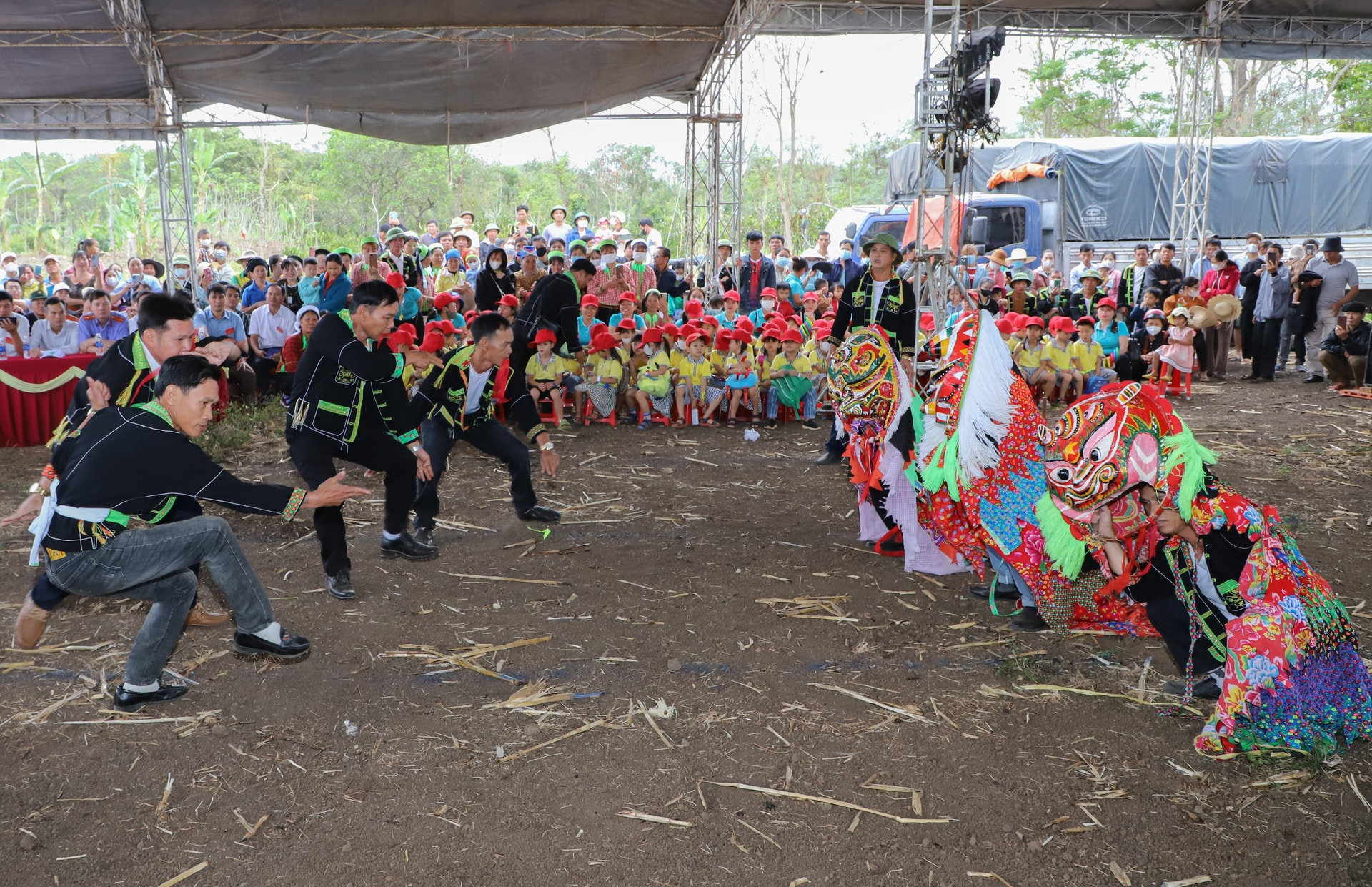
In Lam Dong Province, where many generations of Tay and Nung people from northern Viet Nam have settled and built new lives, the traditional Cat Lion Dance has been preserved as an integral part of their community cultural life.
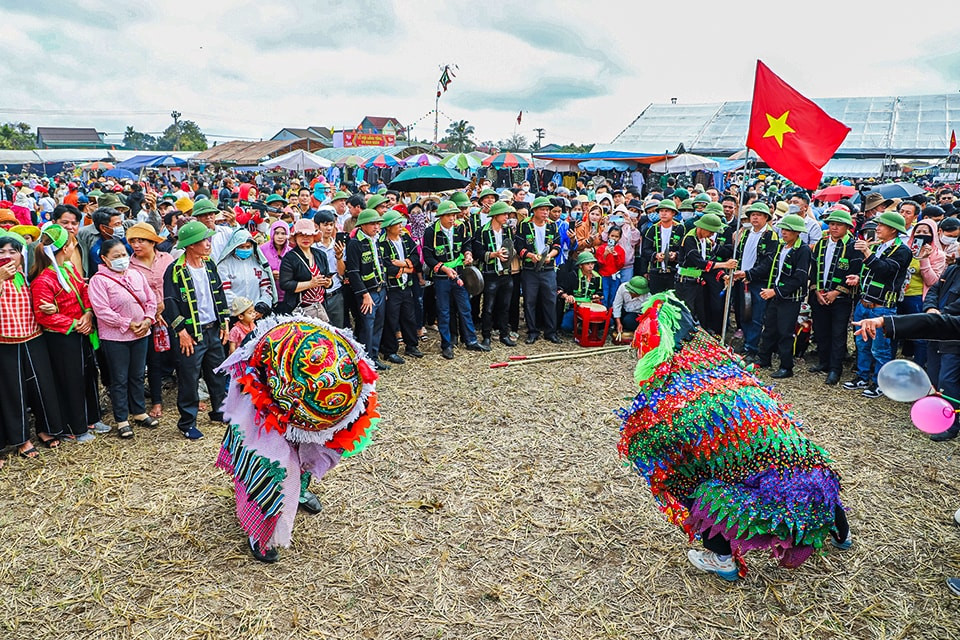
With the arrival of Tet and spring, the lively beat of drums and the vibrant sight of the lion dancing through villages have become a distinctive cultural feature, carrying the Tay and Nung community’s hopes for peace, prosperity, and abundance in the new year.
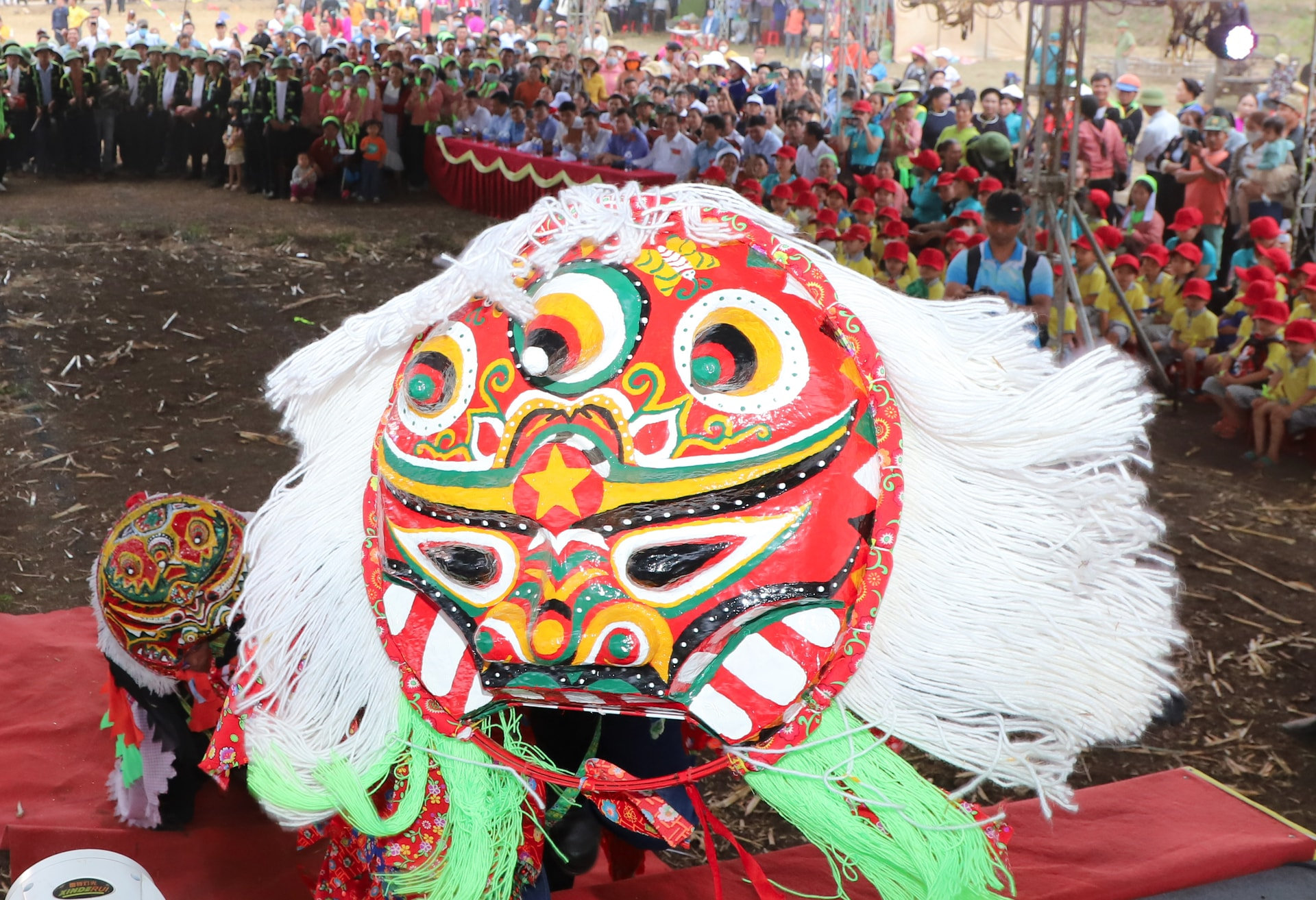
According to Tay and Nung beliefs, the Cat Lion Dance helps ward off evil spirits. Therefore, the fiercer the lion’s face and the more powerful the martial movements, the more captivating the performance. This folk art form has a long history and is commonly performed during festivals such as Long Tong (field-opening) festivals, crop-praying ceremonies, housewarming celebrations, spring-opening rituals, and other community events. When migrating to Lam Dong, the Tay and Nung people brought this tradition with them as a vital link to their cultural roots.
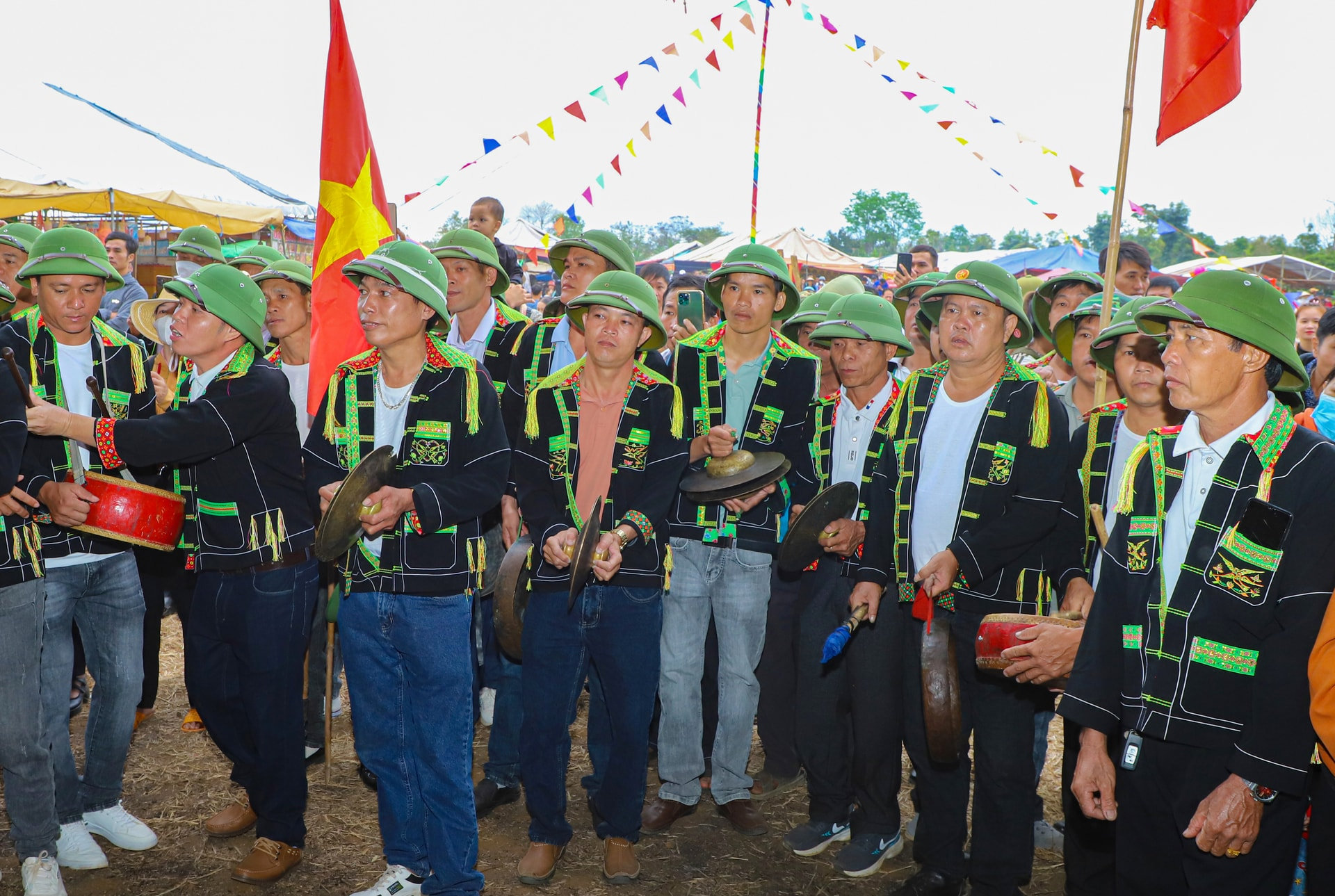
In local belief, the lion represents prosperity, bringing happiness, abundance, and joy wherever it appears.
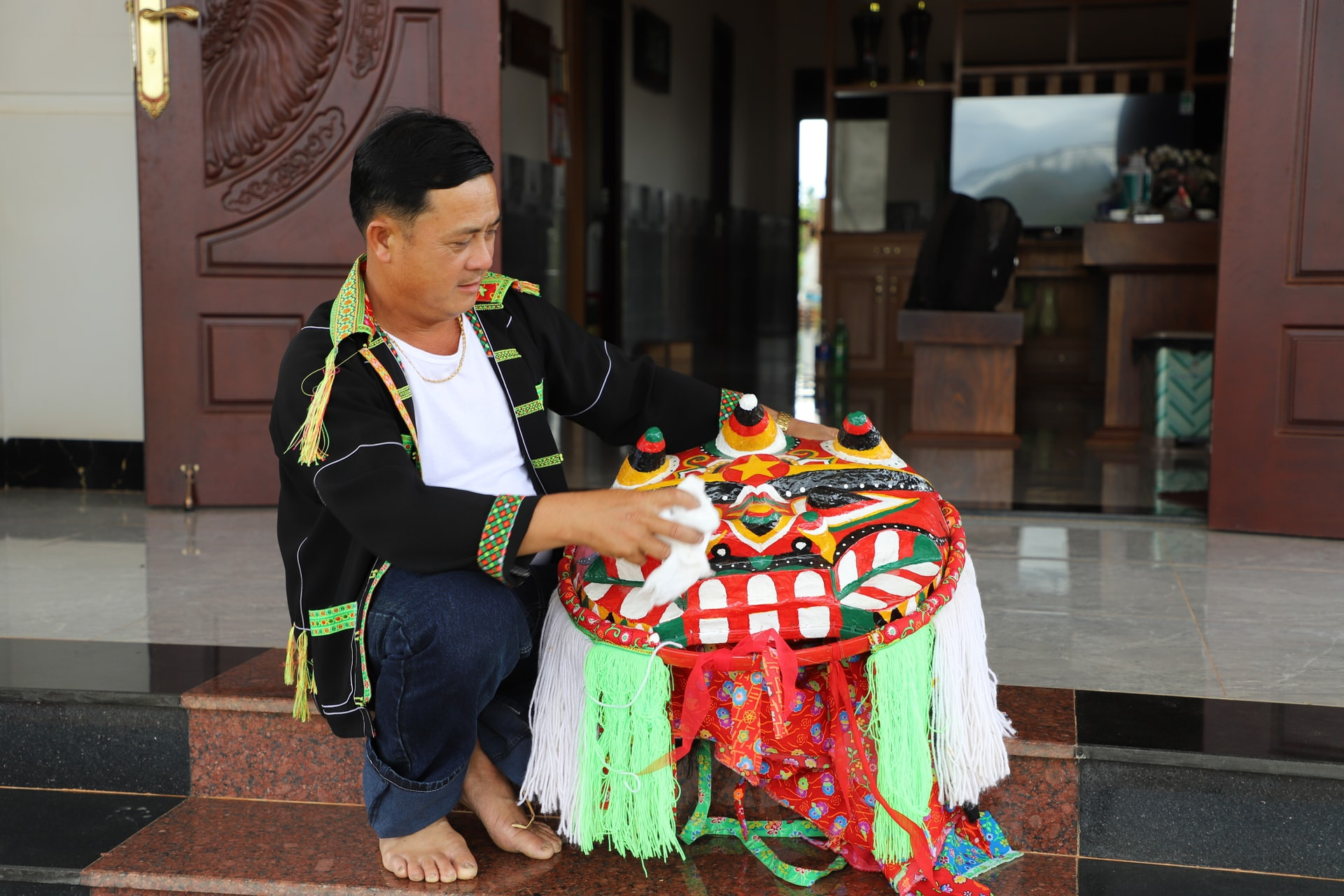
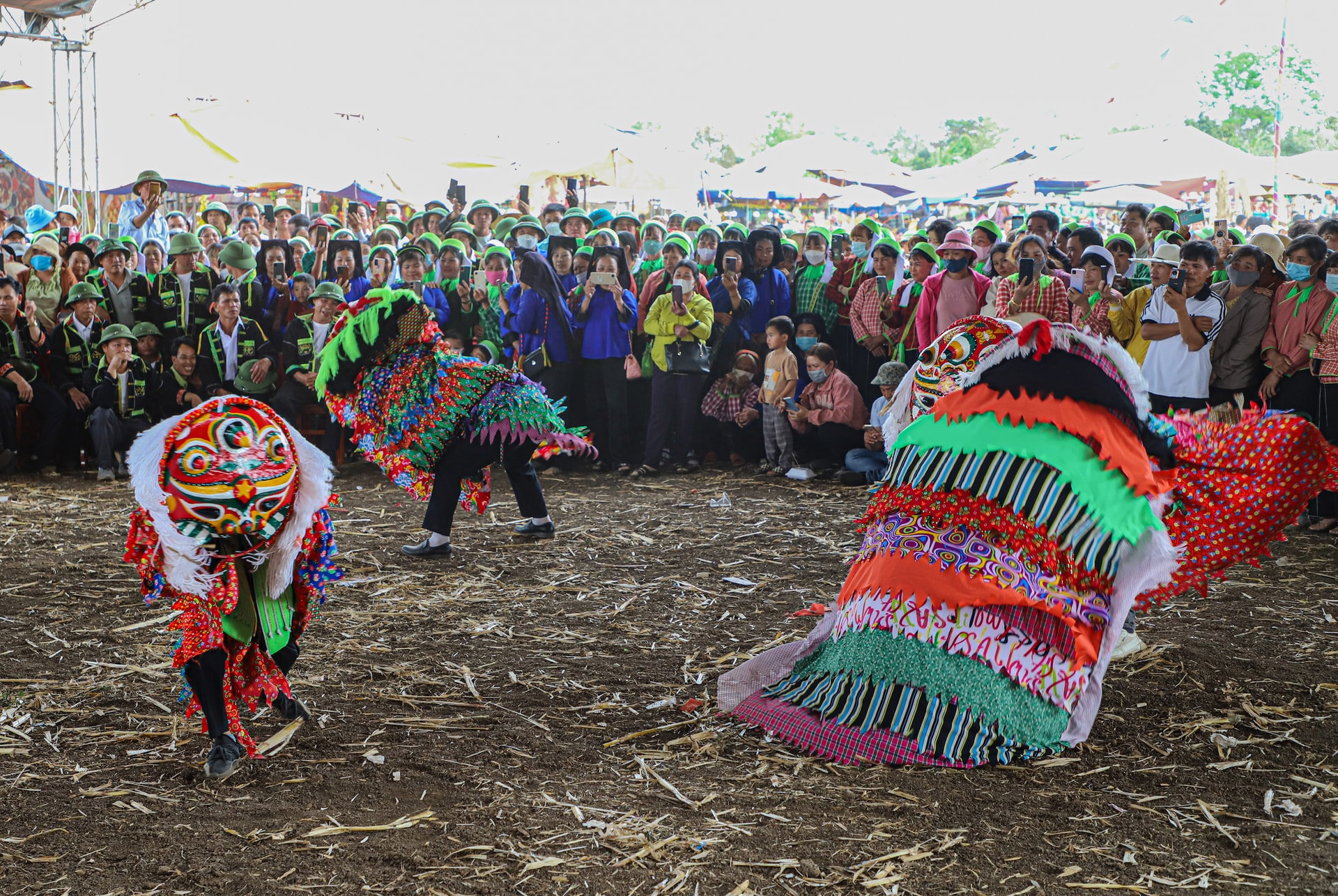
The Tay and Nung Lion Dance is characterized by a rustic yet powerful style, rich in symbolism and physical strength. The lion heads are handcrafted from bamboo, wood, fabric, and papier-mâché, decorated with traditional Tay and Nung patterns and vibrant colors.
A lion dance performance consists of various movements such as stances, steps, greeting dances, and ritual bows at shrines and altars, demonstrating the performers’ agility and martial spirit. The rhythmic combination of drums, gongs, and cymbals, together with the cheers of local residents, creates a festive atmosphere across the Central Highlands.
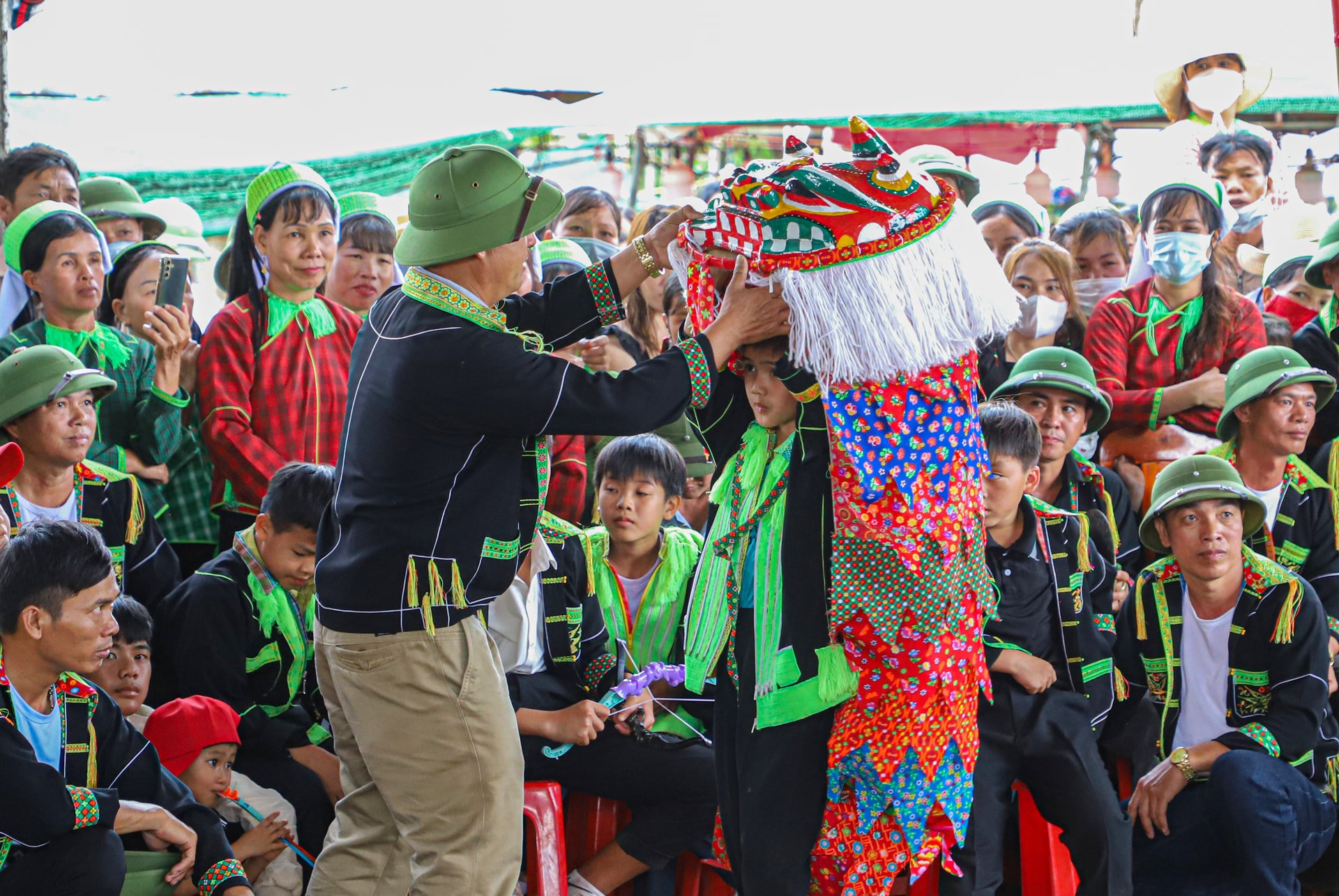
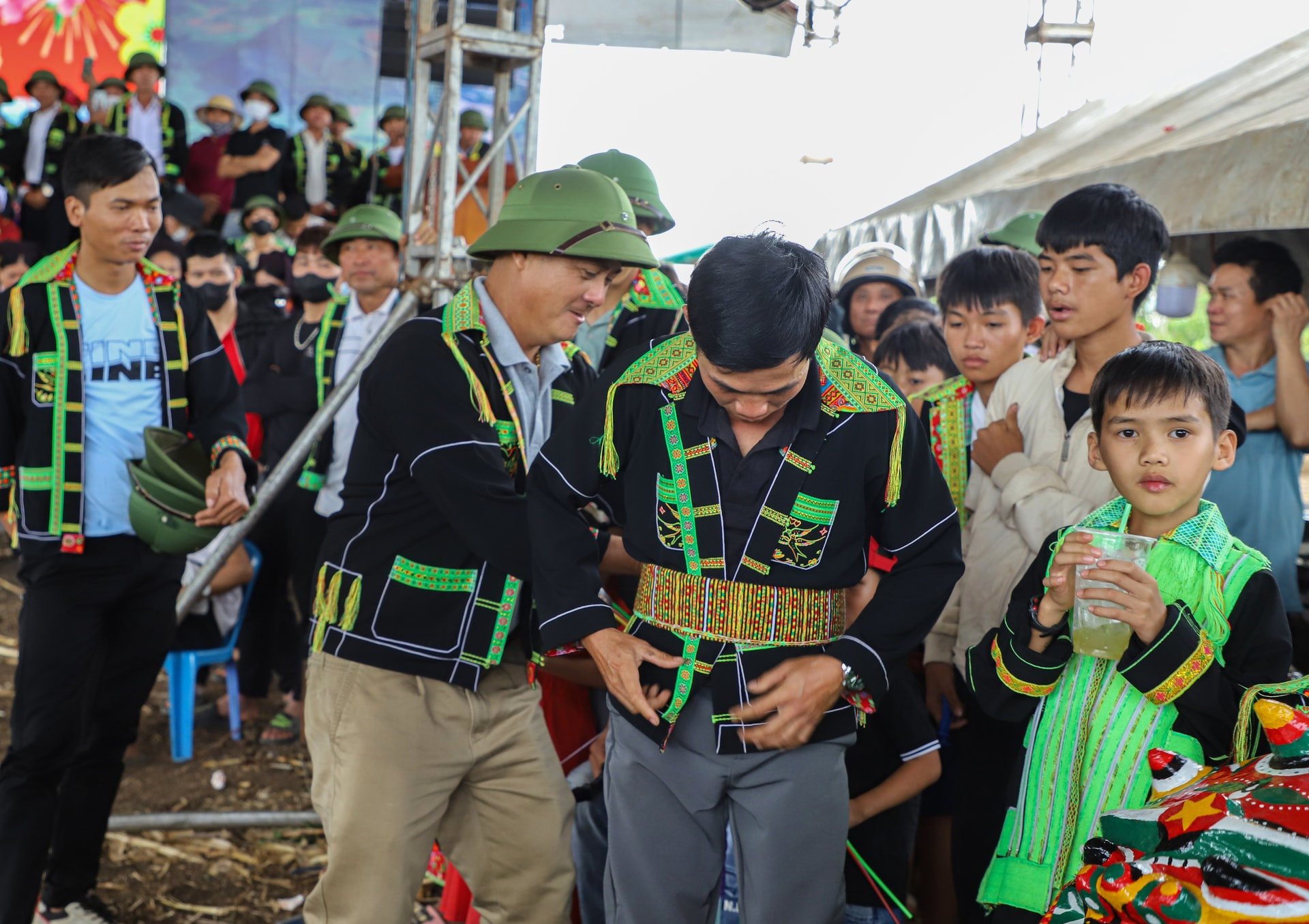
In communes and villages with large Tay and Nung populations, lion dance teams are maintained by both senior artisans and younger generations. Beyond its cultural value, the dance serves as a community activity that helps young people understand, preserve, and take pride in their ethnic identity.
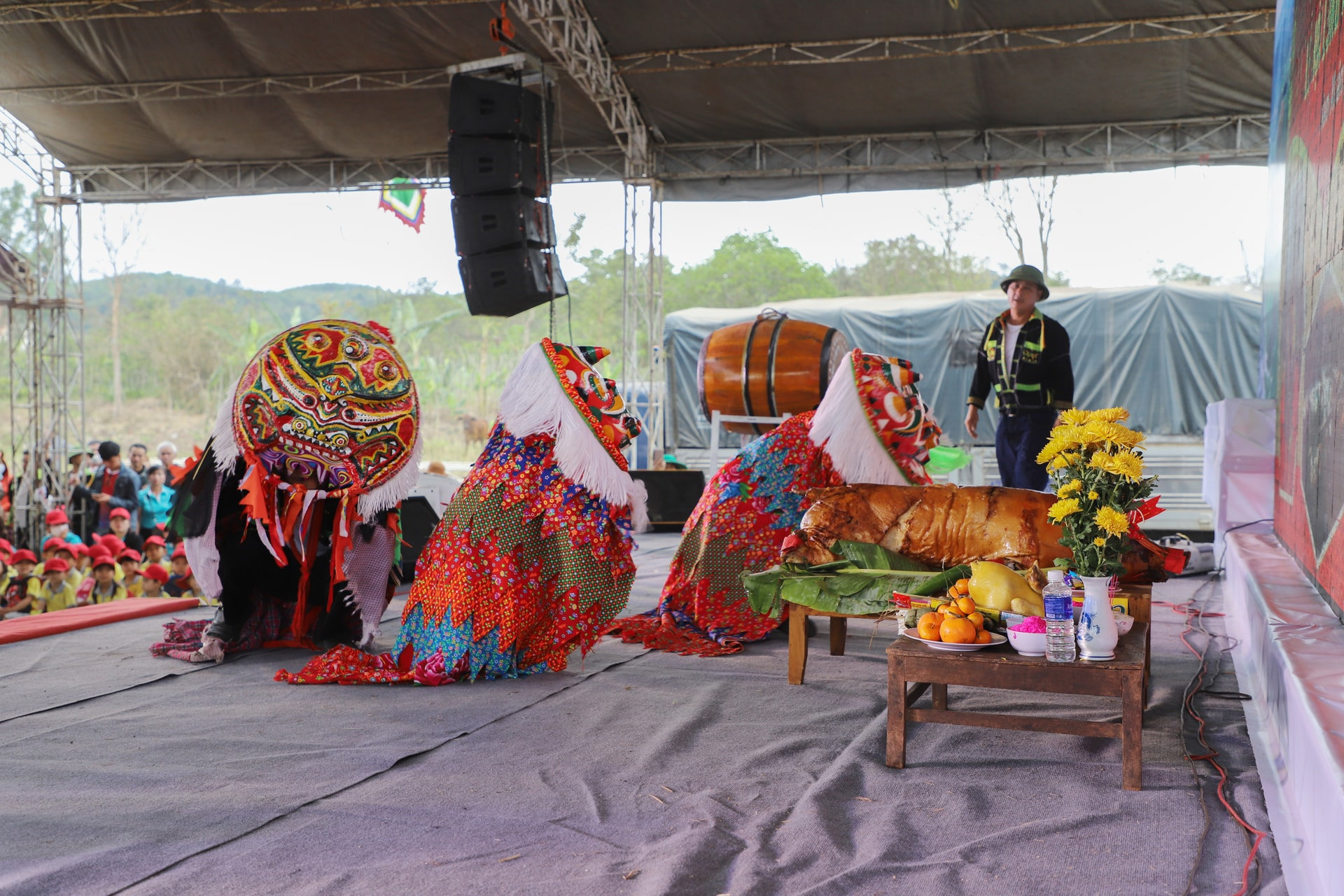
Following the ritual ceremonies, Cat Lion Dance performances continue, not only bringing joy to Tet celebrations but also conveying aspirations for a prosperous and happy life on their new homeland. With its vigorous and flexible movements, the dance further embodies the strong martial spirit of highland communities.