


Three-part plan reshapes Mui Ne tourism
A new master plan aims to transform Mui Ne into a major tourism hub by 2050, with development focused on three key tourism zones and improved infrastructure.
Three major tourism centres planned
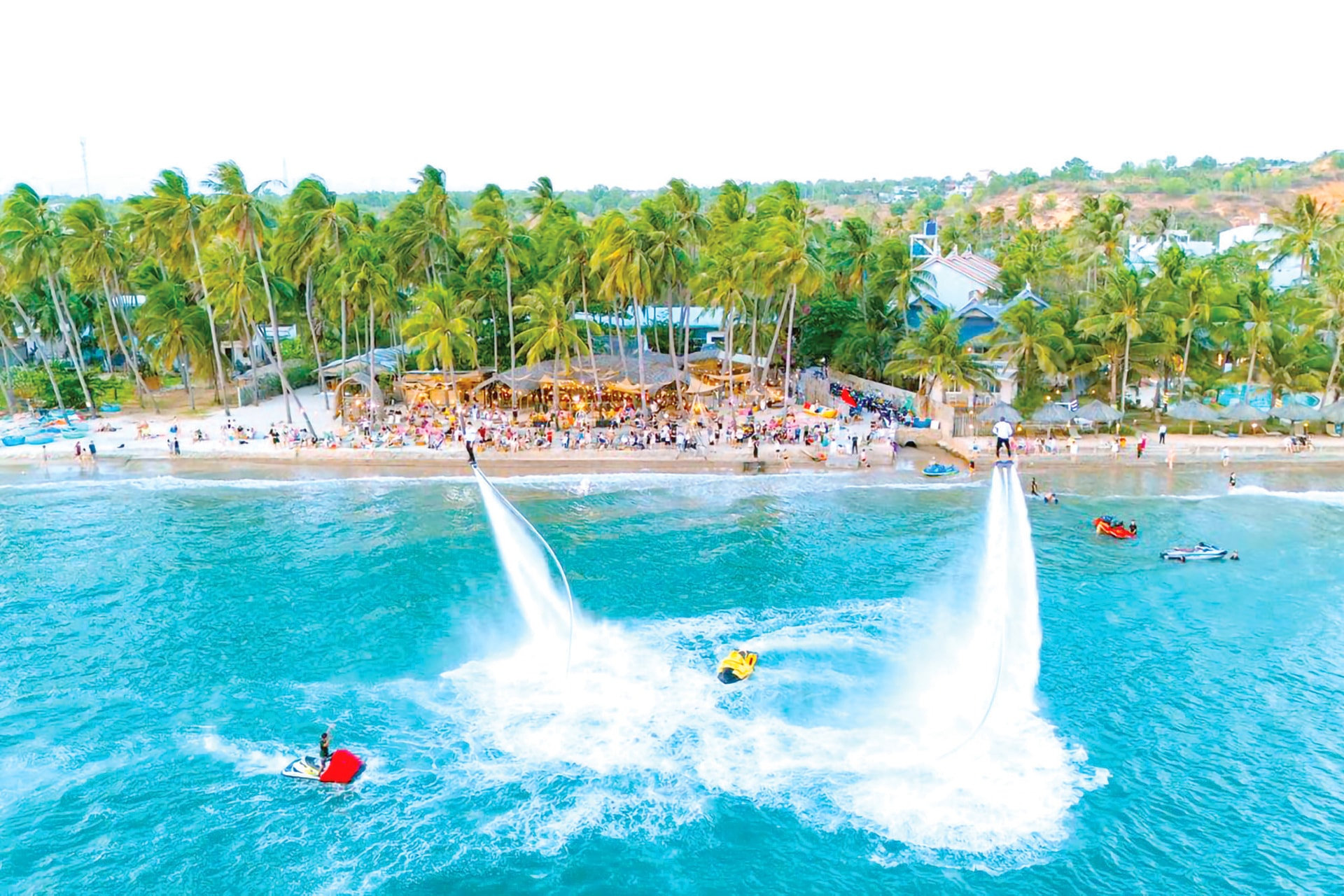
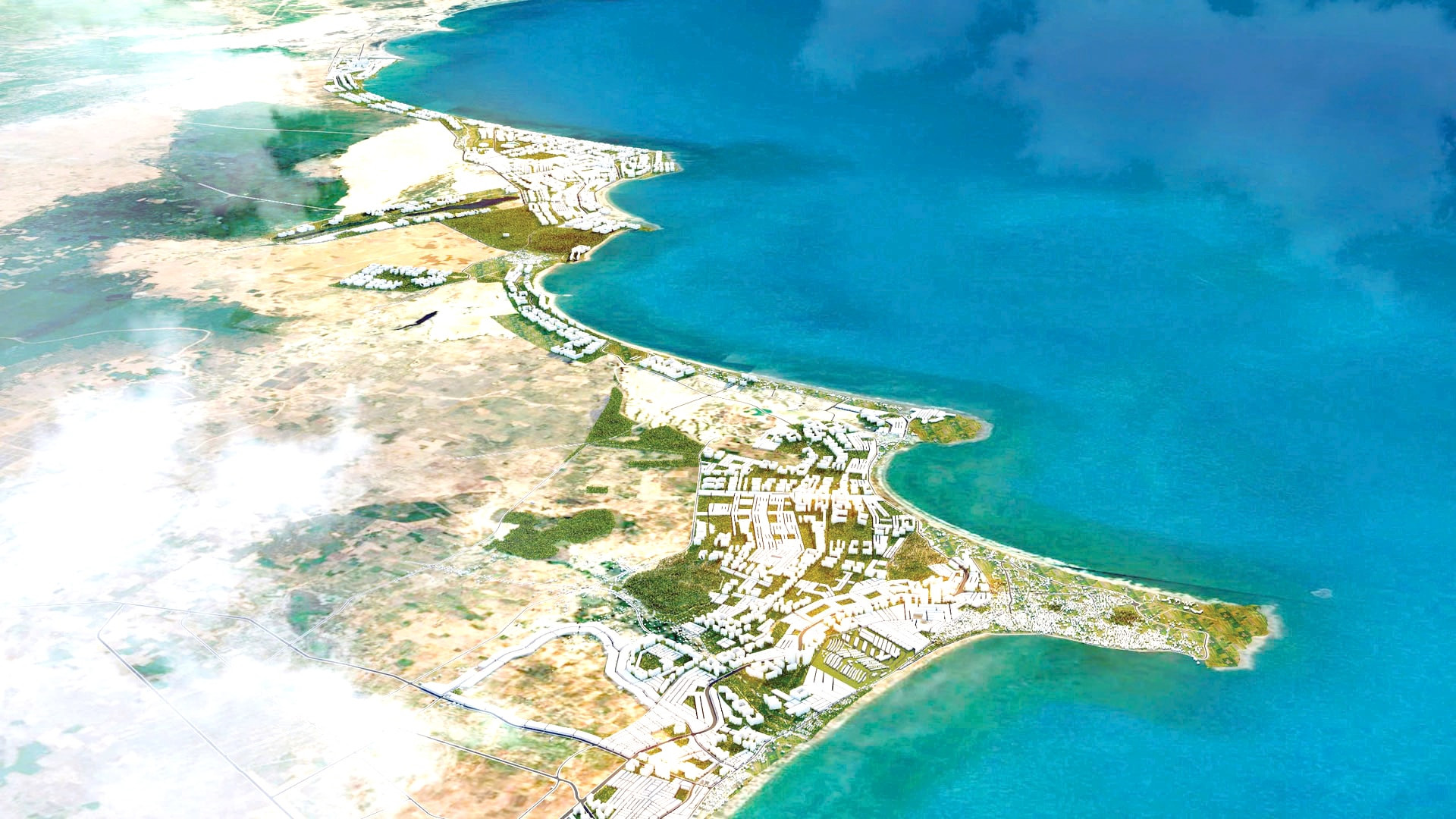
Under the plan, Mui Ne National Tourist Area will be developed into an internationally recognised destination, with modern infrastructure and a diverse range of tourism products. The overall planning area covers nearly 14,760 hectares and is divided into three main zones.
The first zone, covering more than 6,600 hectares in Phu Thuy and Mui Ne wards, will focus on resort tourism, wellness services and local experiences, including attractions such as Fairy Stream (Suoi Tien) and the Mui Ne sand dunes.
The second zone, in Hoa Thang Commune (about 7,165 hectares), will be developed along Provincial Road 716. It is expected to become a new tourism urban area, offering high-end services such as resorts, sports, entertainment and agri-tourism.
The third zone, covering around 970 hectares in Phan Ri Cua, will be developed into a northern coastal resort area catering to long-stay visitors with wellness and leisure services. It is envisioned as a new tourism urban area centred on coastal resort tourism, wellness, and extended stays.
Lam Dong authorities are preparing for a conference to unveil the master plan for Mui Ne National Tourist Area through 2040, with a vision to 2050. Scheduled for April 18 in Mui Ne Ward, the event is expected to draw about 200 delegates. The conference marks a key milestone for the regional tourism sector, as Mui Ne is one of only nine national tourist areas in Vietnam, spanning more than 14,700 hectares.
The event is also an important opportunity to promote investment, strengthen destination branding and advance tourism development strategies, with the aim of positioning Mui Ne as a tourism hub in the Asia-Pacific region
Nguyen Minh, Vice Chairman of the Lam Dong Provincial People’s Committee
At a recent meeting on preparations for the Mui Ne master plan announcement, Vo Thanh Huy, Deputy Director of the Department of Culture, Sports and Tourism, said the conference programme had been reviewed and finalised in line with provincial guidance. Organisational plans, along with security, safety and technical arrangements, have been fully prepared. The organising committee is continuing to review the venue, guest list and final programme details.
An opportunity to boost destination promotion
According to the Department of Culture, Sports and Tourism, the Lam Dong Arts Theatre has been tasked with developing a performance programme for the conference, ensuring it is engaging and aligned with tourism development themes.
The Investment, Trade and Tourism Promotion Centre has also prepared an exhibition area to showcase the master plan and local tourism products. Eight participants have registered so far, including major tourism companies and OCOP products.
At the meeting reviewing preparations for the Mui Ne master plan announcement, Vice Chairman Nguyen Minh said he broadly agreed with the proposed programme and schedule. Regarding the exhibition space, he stressed the need to involve key local associations, including the tourism and dragon fruit associations, in selecting representative businesses and standout OCOP products to strengthen promotion. He added that diversifying exhibits, particularly by highlighting the province’s strength as a dragon fruit hub, would help enhance the destination’s image and support tourism promotion efforts.
He also called for closer coordination between the Department of Culture, Sports and Tourism and relevant agencies to ensure thorough preparations, while urging media organisations to step up coverage. Lam Dong Newspaper and Radio-Television has been tasked with producing in-depth content on the development of Mui Ne National Tourist Area, linked to the 2026 summer tourism events.
The plan targets 14 million visitors by 2030 and 25 million by 2040, supported by population growth, investment in modern infrastructure and a diverse range of tourism products, including resort, wellness, sports, eco and cultural tourism.