


Tourism Branding Through Local Identity
In Lam Dong, farmers are transforming from mere producers to central figures in community tourism development. With creativity, love for their homeland, and a foundation of local culture, they are crafting green journeys that harmonize people, culture, and nature.
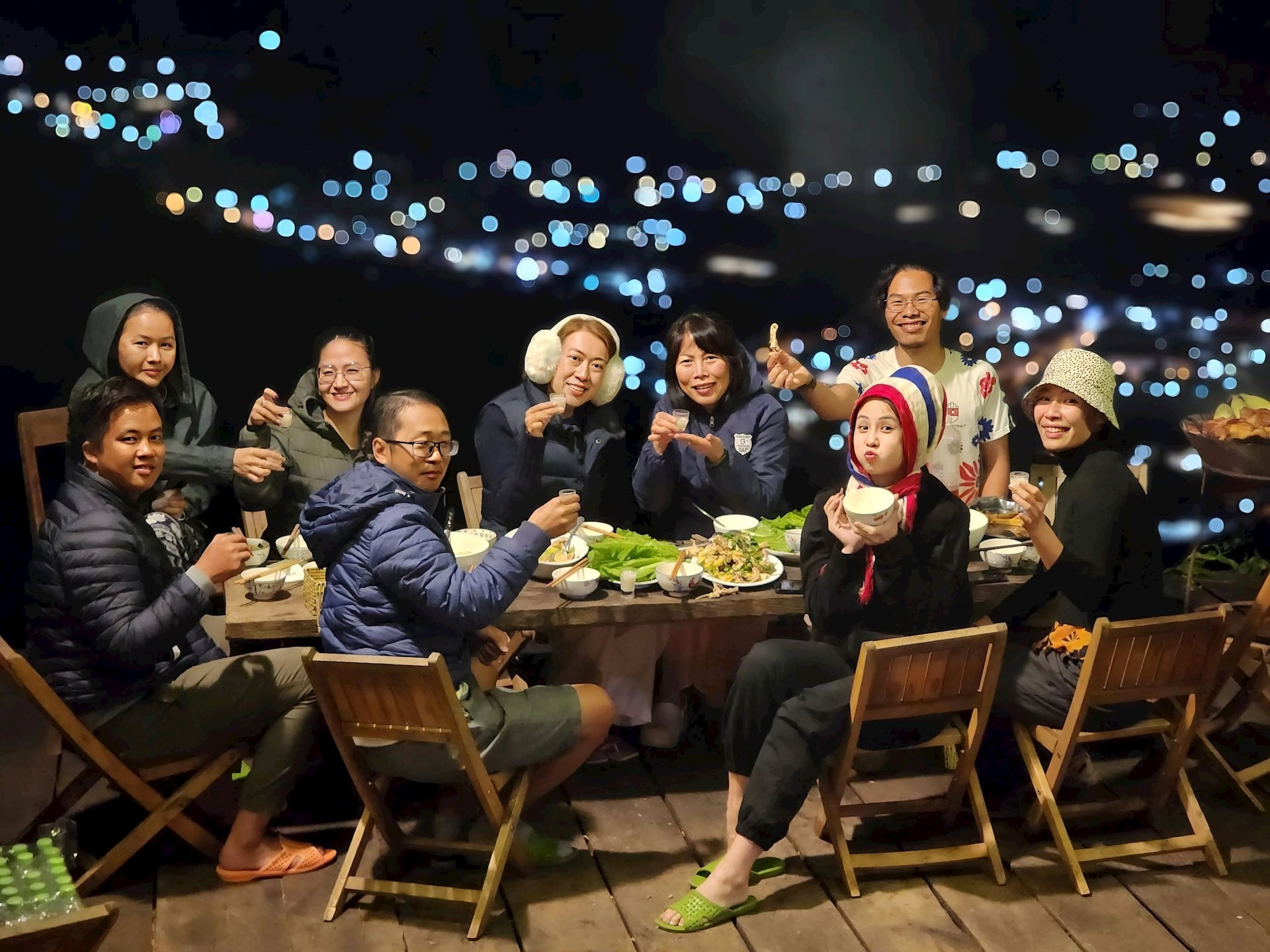
When Farmers Become the Heart of Tourism
In today’s tourism trends, where travelers seek experiences rooted in nature and culture, Lam Dong has chosen a distinctive path: placing farmers at the center of the tourism value chain.
Local residents have proactively transformed their living spaces into eco-friendly homestays and developed diverse experiences such as harvesting agricultural products, brewing artichoke tea, weaving ethnic textiles, making Churu pottery, and enjoying traditional cuisine. These activities not only generate additional income but also preserve and spread the cultural identity of ethnic communities.
Phan Van Nghiem, the owner of a homestay on Pró Hill in Don Duong Commune, shares, “In the past, my family relied solely on farming, with unstable income. Since shifting to tourism, we have not only improved our lives but also felt proud to introduce local culture to visitors.” These homestays have become cultural bridges, bringing tourists closer to the clothing, cuisine, and vibrant festivals of ethnic minorities.
At the Churu pottery village, visitors do more than observe—they immerse themselves in a unique cultural space. By shaping clay with their own hands and listening to artisans’ stories, travelers gain deeper insights into this treasured traditional craft.
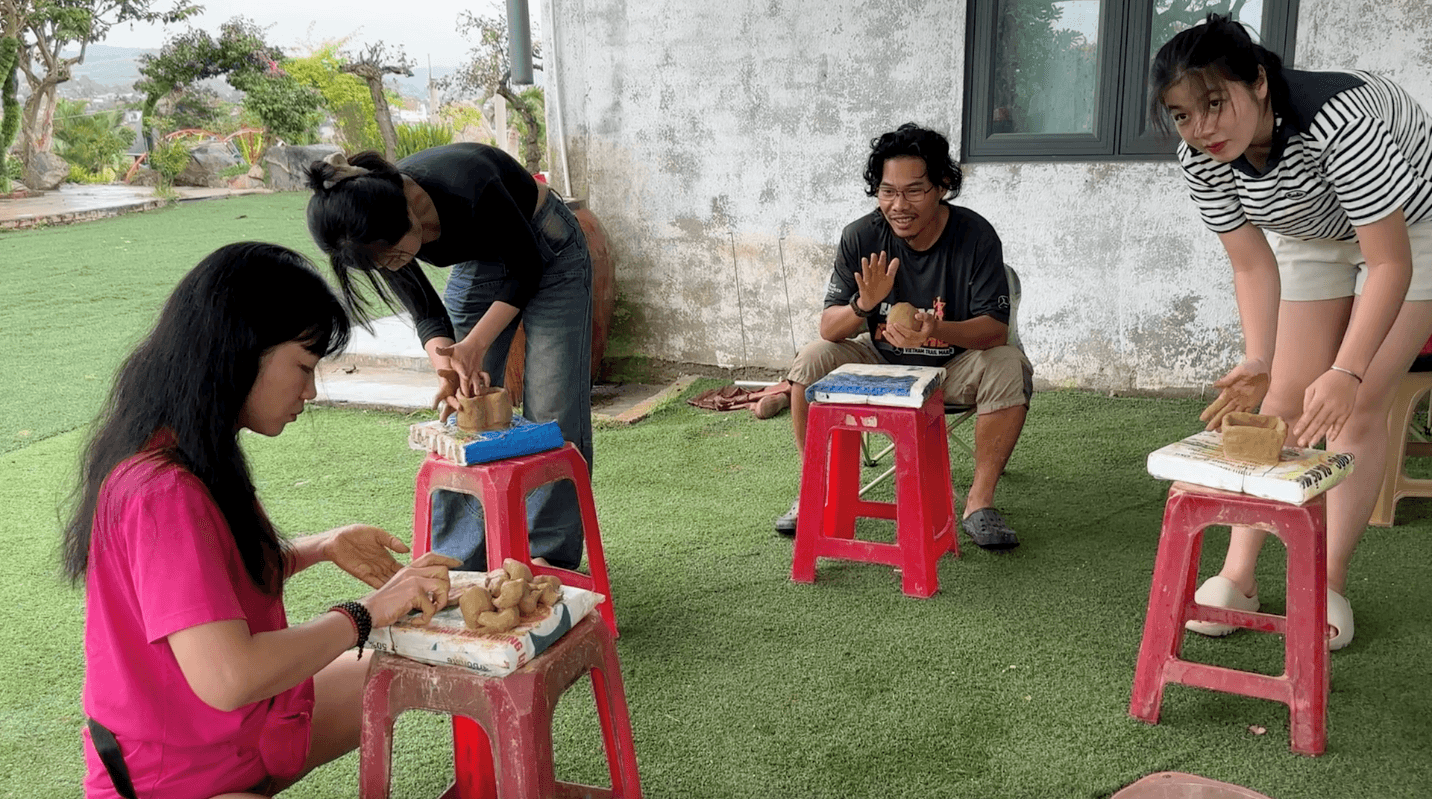
I’ve traveled to many places, but this is my first time making pottery alongside ethnic minority artisans. Getting to knead the clay, shape it by hand, and learn the meaning behind each pattern has given me a deeper appreciation for this precious traditional craft. For me, this journey isn’t just tourism — it’s a genuine encounter with a vibrant and distinctive living culture.
Tran Thi Minh Anh, a visitor from Hanoi, shared
a local specialty
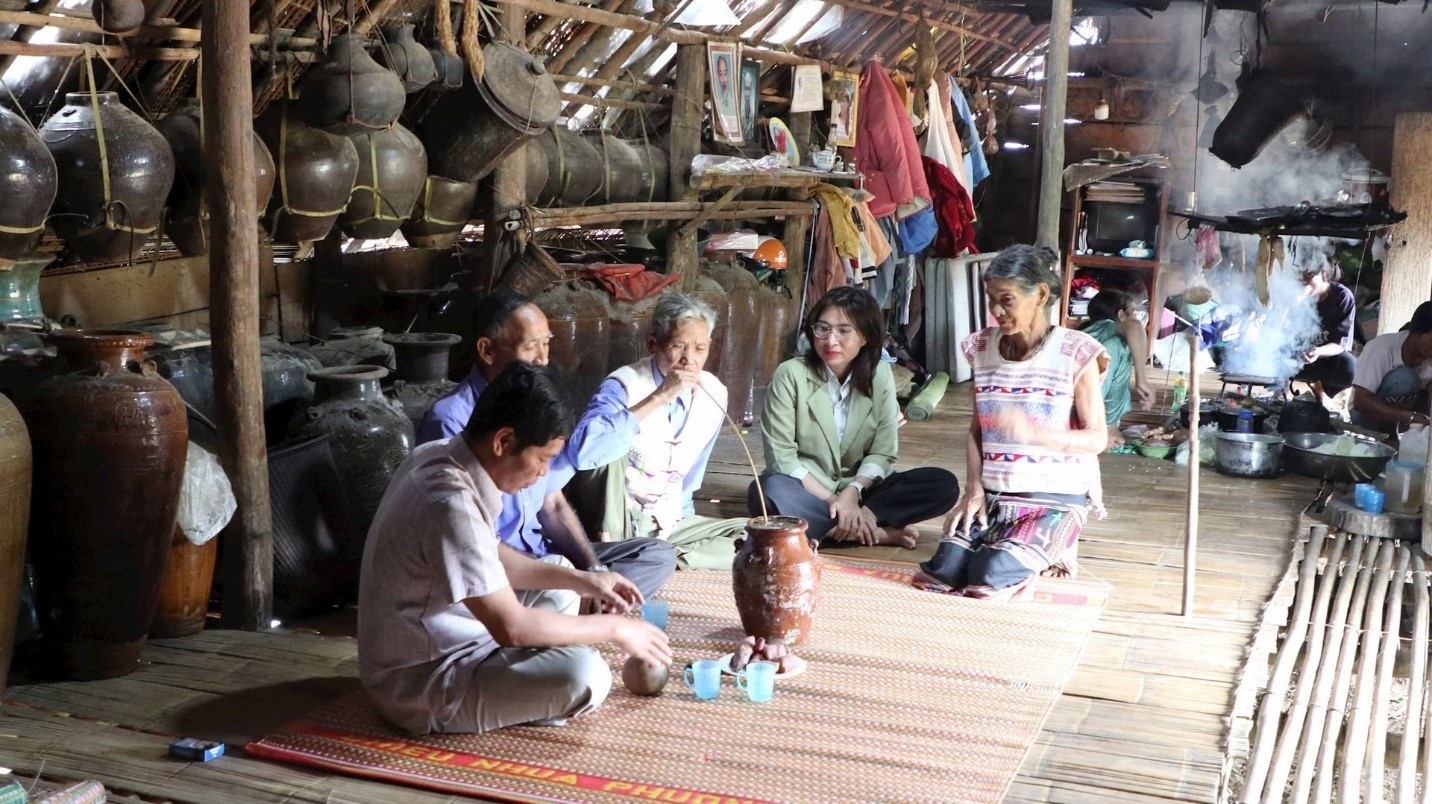
Additionally, activities such as enjoying lam rice, grilled meats, drinking Can wine, and participating in gong performances by the fire have turned local culture into the soul of tourism products. Importantly, local residents have become storytellers, preserving and conveying their cultural values.
Leveraging Nature – Toward Sustainable Tourism
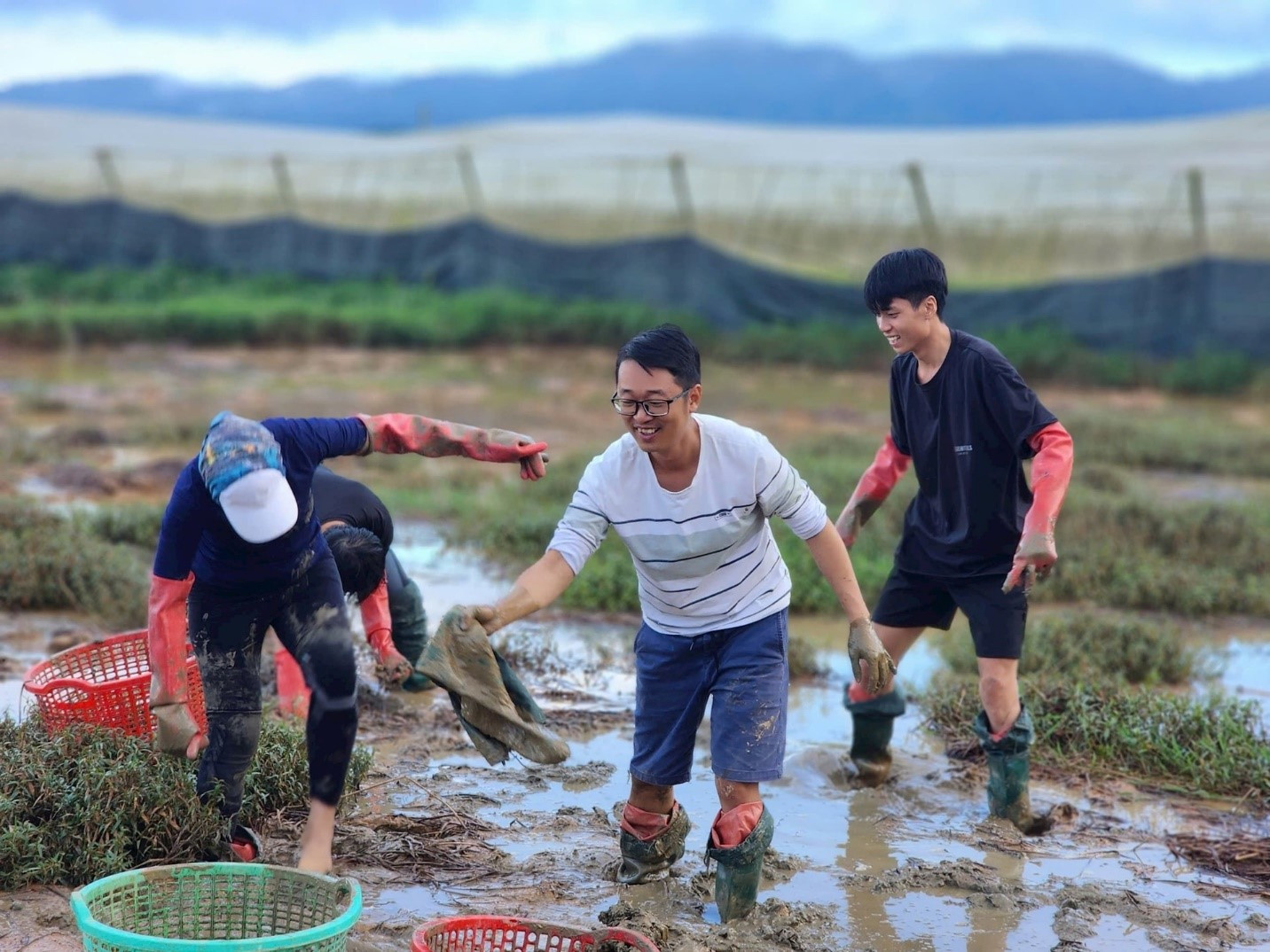
In downtown Da Lat, where the mild climate and fertile soil offer natural advantages, high-tech agricultural tourism has flourished. Strawberry farms, mushroom houses, and hydroponic vegetable gardens not only produce food but also open their doors to visitors who can pick fruit and prepare fresh dishes right in the garden.
Activities such as “A Day as a Farmer” or visiting organic farms have become signature tourism products of the Central Highlands.
Picking strawberries and hearing farmers talk about clean farming methods gave me a deeper appreciation for agriculture and the land here.
Le Thi Hong Ngoc, a tourist from Da Nang, excitedly shared
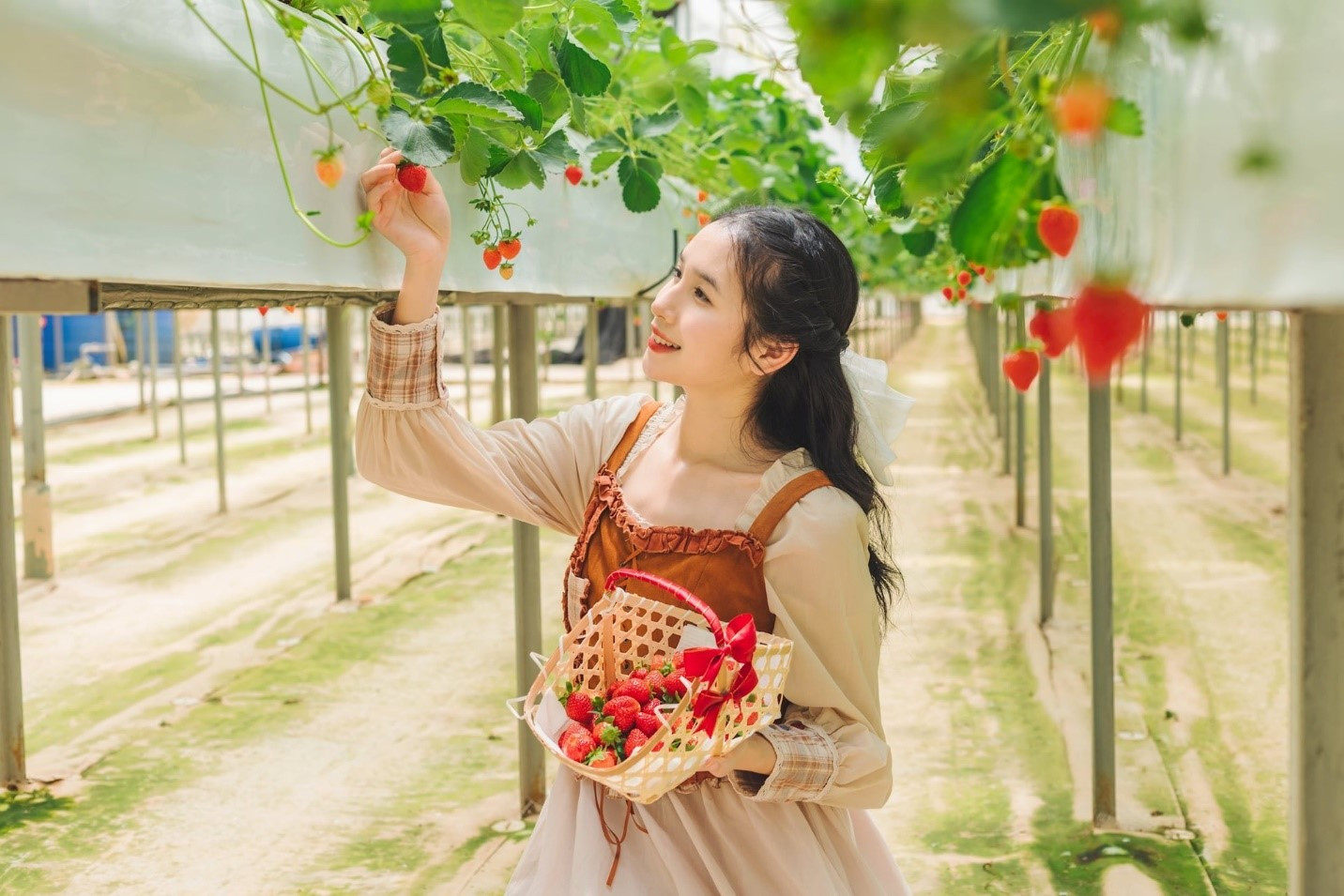
in Cam Ly - Da Lat Ward
In recent years, farm-based educational models have also emerged as a strategic direction. Here, visitors—especially children—can learn about sustainable farming, ecological cycles, and environmental protection. This not only raises community awareness but also spreads the message that “tourism is not only about enjoyment, but also about learning and sharing.”
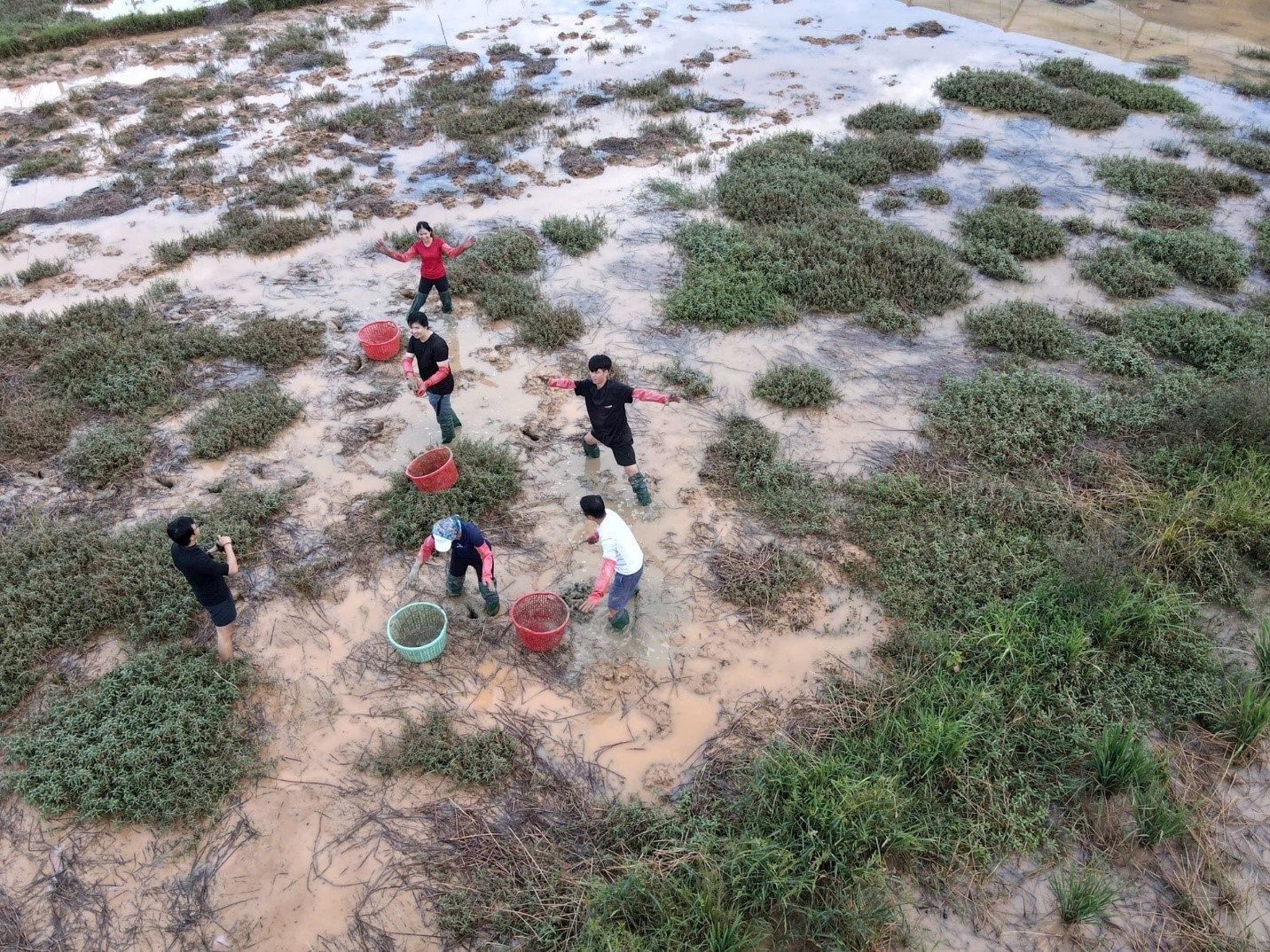
from local residents
However, to effectively harness these models, strong support from the government and businesses is essential. Limitations in management skills, investment capital, and tourism infrastructure remain barriers preventing many farming households from reaching their full potential.
Placing local people at the center of tourism not only creates authentic products but is also one of the most effective ways to preserve the environment and culture. This is the sustainable path that Lam Dong is committed to pursuing.
Nguyen Thanh Hoai, Deputy Director of Lam Dong’s Department of Culture, Sports and Tourism
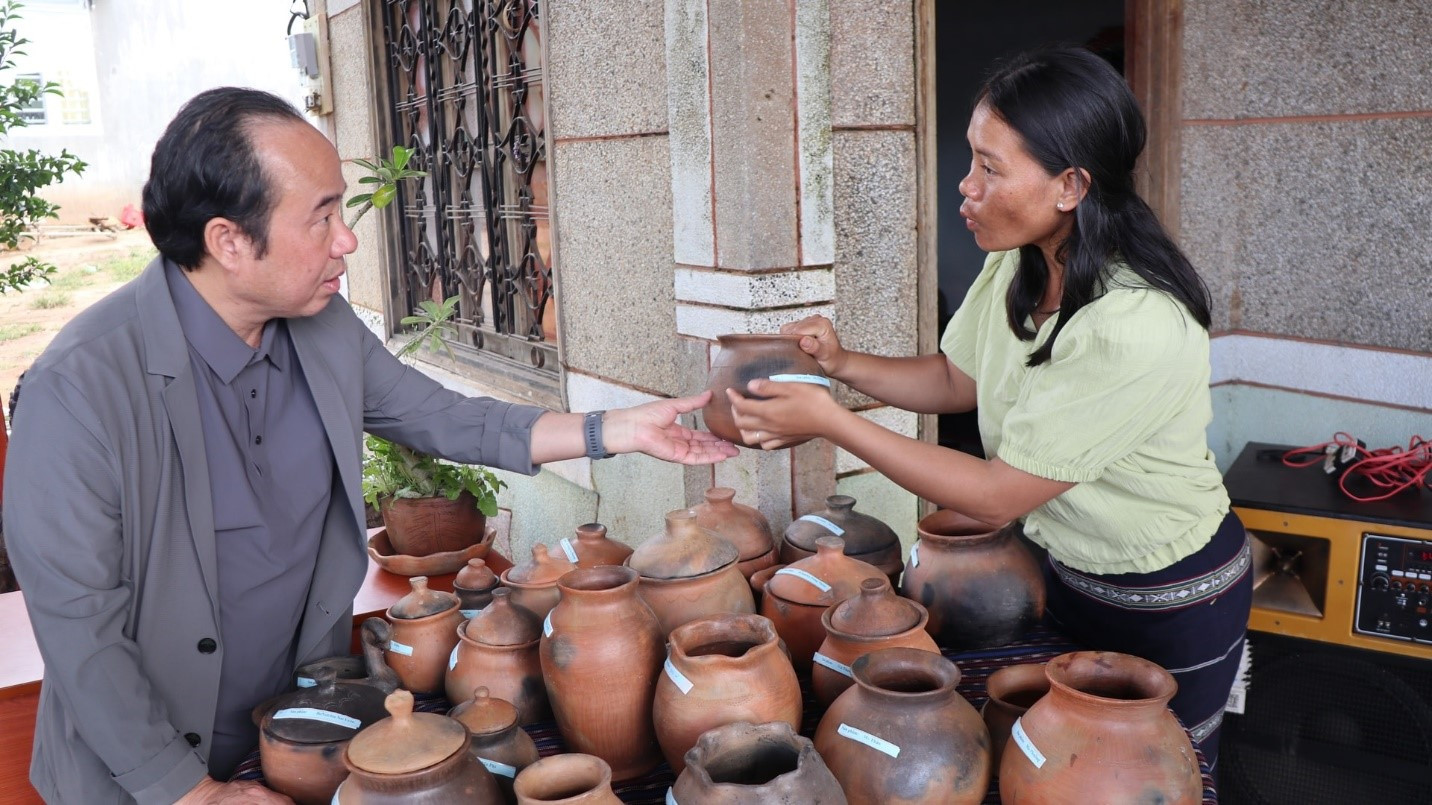
Close collaboration between government, enterprises, and communities will form the foundation of a sustainable tourism ecosystem—where farmers are not left behind, but instead are supported, trained, and take ownership of their future. When farmers truly lead tourism journeys, they not only safeguard local identity but also spread the spirit of green, clean, and sustainable living, helping to build a tourism brand that reflects the unique character of Lam Dong.