


Tourism Must Drive Lam Dong's Double-Digit Economic Growth
Lam Dong's culture, sports and tourism sector needs to rethink its approach, develop more compelling products, increase visitor spending and set measurable targets for every activity to make a greater contribution to economic growth. Provincial leaders have called for a more results-oriented strategy to deliver a breakthrough from 2027.

Measuring Performance by Revenue
At a meeting reviewing the culture, sports and tourism sector's performance in the first nine months of 2026, Ho Van Muoi, member of the Party Central Committee, Deputy Secretary of the Lam Dong Provincial Party Committee and Chairman of the Lam Dong Provincial People's Committee, challenged the sector to define how many visitors it could attract, what would draw them to the province and how their visits would generate revenue.
With the province targeting double-digit economic growth, he said the sector needed to confront shortcomings and address the gap between its current performance and Lam Dong's considerable potential.
The chairman stressed that maintaining regular activities was not enough. The sector needed to develop products and events capable of attracting visitors and delivering tangible economic benefits. This included identifying cultural and artistic events with sufficient scale and reach to generate a stronger impact.
The Viet Nam Jazz Heritage Festival 2026, for example, should be viewed as an opportunity to promote the cultural and creative industries and attract a broader range of visitors, including international travelers, high-end tourists and those with greater spending power.
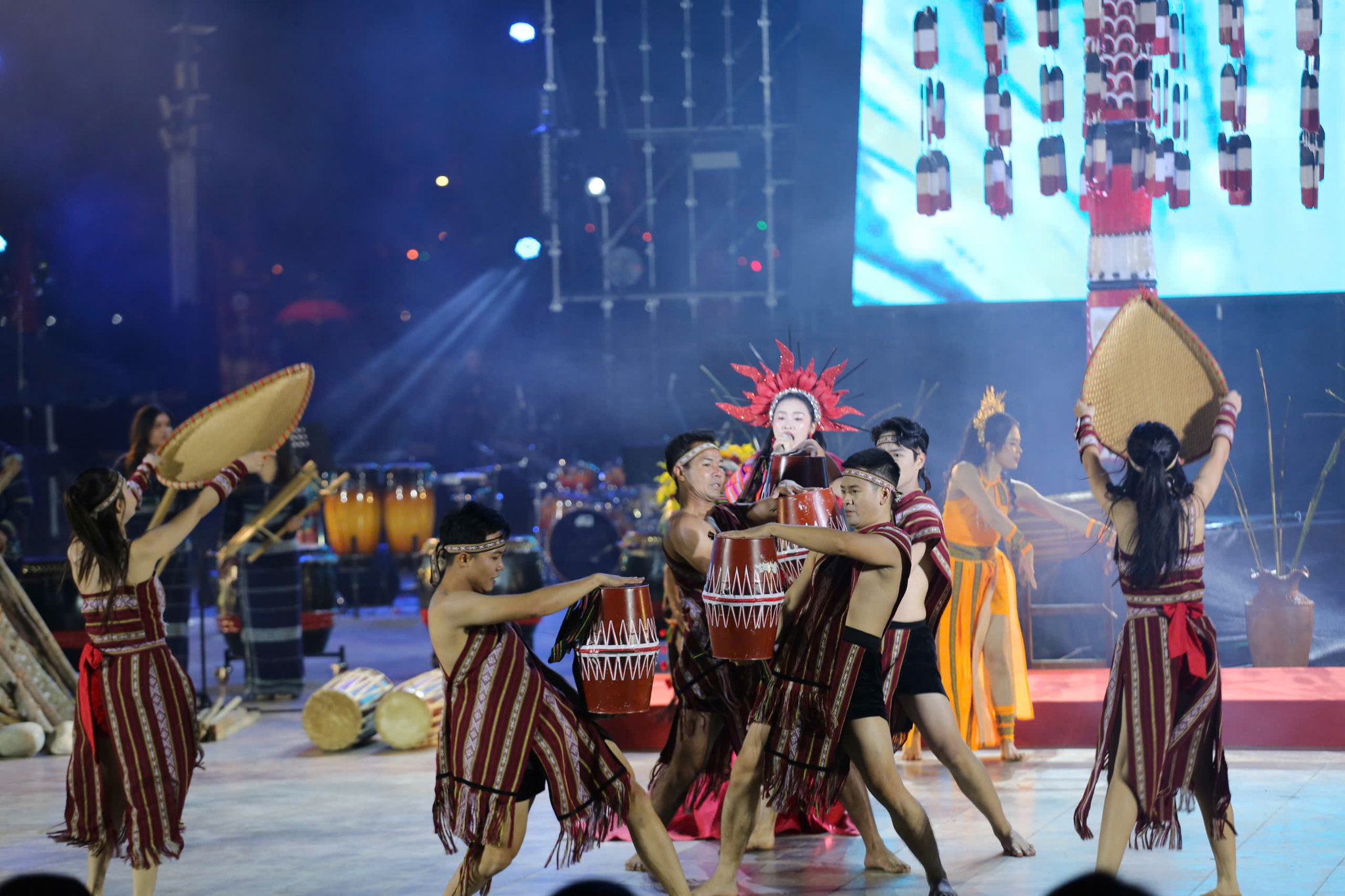
Sports should likewise be developed with economic value in mind. Sporting events and tourism products linked to physical activity should be designed to attract visitors, generate revenue and expand markets. Ho Van Muoi called on government agencies and relevant organizations to work together, assign clear responsibilities and resolve bottlenecks to deliver tangible results.
The need for stronger performance is underscored by the sector's nine-month results. According to Ton Thien San, Director of the Lam Dong Department of Culture, Sports and Tourism, 20 of the 31 targets assigned for 2026 had met or exceeded their growth scenarios, while 10 remained unmet and one was scheduled for assessment at year-end.
Notably, most of the outstanding targets were in tourism, covering visitor numbers, length of stay and tourism revenue. These indicators directly reflect the destination's appeal and its ability to convert tourism activity into economic gains.
Under the revised growth scenario, the culture, sports and tourism sector must achieve a growth rate of 12.88% in the fourth quarter of 2026.
“Given the demanding target of double-digit economic growth for the province, pressure to meet the fourth-quarter targets is considerable. We need to review progress against every indicator, identify remaining growth potential and implement decisive, targeted measures to achieve the highest possible level of completion for our 2026 assignments,” Ton Thien San said.

A Strategy Built on Connectivity and Concrete Products
Tourism in Lam Dong continues to grow. However, an increase in visitor numbers does not necessarily translate into a proportional increase in economic value. Tourist spending remains limited, tourism products are not sufficiently integrated, and localities have yet to capitalize evenly on their respective strengths. These issues must be addressed if tourism is to contribute more substantially to the province's gross regional domestic product (GRDP).
Dinh Van Tuan, member of the Lam Dong Provincial Party Committee and Vice Chairman of the Lam Dong Provincial People's Committee, said routine tasks had generally been carried out as required, but had not produced a major breakthrough. Efforts to capitalize on local advantages and translate policies and resolutions into new approaches remained reactive, while coordination among agencies and local authorities was not sufficiently close.
He called for an integrated development strategy extending from the provincial level to local communities. The cultural and creative industries, entertainment, sports and tourism should be developed in ways that reinforce one another, rather than as separate sectors. They need to be connected through coordinated products, events and services.
Digitalization must also go beyond converting information and services into digital formats; the resulting resources need to be put to effective use. Plans for the night-time economy, cultural industries and sports industries should be translated into specific products, operating models and implementation roadmaps suited to local conditions.
The night-time economy, in particular, is expected to expand service offerings, encourage visitors to spend more time enjoying local experiences and increase their overall spending.

For the longer term, the Department of Culture, Sports and Tourism has submitted to the provincial government a plan to implement Program No. 49-CTr/TU, dated September 28, 2026, issued by the Standing Committee of the Lam Dong Provincial Party Committee. The program implements Politburo Resolution No. 26-NQ/TW, dated August 22, 2026, on developing tourism into a key economic sector in the new era.
The strategy aims to build a high-quality tourism industry that is green, smart, creative and sustainable. It also seeks to address bottlenecks involving mechanisms and policies, investment, infrastructure, products, human resources, digital transformation and links between localities.
Against this backdrop, Chairman Ho Van Muoi called on the sector to set more specific targets for visitor numbers, revenue and economic returns. Each area of activity must identify its strengths, flagship products and implementation responsibilities. Performance should be measured by actual results, not simply by the number of activities organized.
From 2027, the culture, sports and tourism sector must link target achievement to tangible outcomes. For tourism, priorities include developing products that encourage visitors to stay longer, increasing the value of services and strengthening links between localities. These efforts should help tourism make a more substantial contribution to the province's economic growth.
In September 2026, the Ministry of Culture, Sports and Tourism issued a tourism development scenario linked to the national double-digit growth target. It sets out measures to accelerate tourism growth in the final months of 2026 and establish a foundation for 2027–2030. Lam Dong is one of 11 key localities assigned a target of welcoming 1.58 million international visitors in 2026, an increase of 33.7% compared with 2025.
