


Towards the 2026 Da Lat Flower Festival: Strengthening Links Between Flower Production and Markets
Despite its advantages in production scale, quality and brand recognition, Da Lat's flower industry continues to face challenges in market access, particularly price fluctuations and reliance on traders.
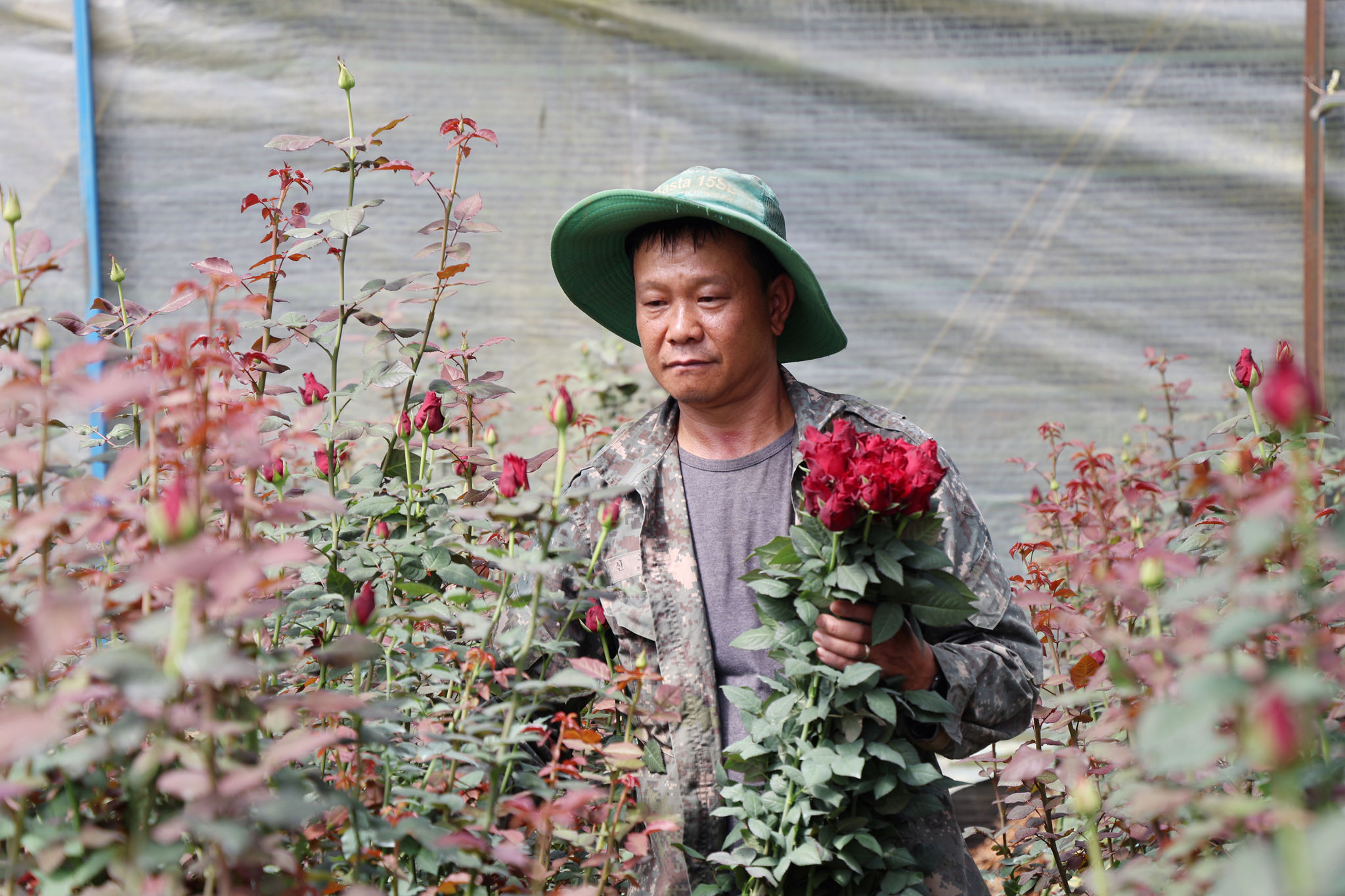
Flower Growers Struggle with Market Challenges
During International Women's Day on March 8, Da Lat rose prices temporarily reached nearly VND 20,000 per stem, but on Vietnamese Women's Day, October 20, they fell to between VND 4,000 and VND 5,000 per stem. This price was only around one-fourth of what it was in March and half of those recorded during the same period in 2025.
Flower traders said that the main reasons for this decline were abundant supply and relatively weak demand during the October 20 holiday.
Additionally, competition from imported flowers, mainly from China, has put pressure on Da Lat flower prices in northern markets.
Market fluctuations directly affect the incomes of many flower-growing households, especially small-scale producers who lack stable sales contracts.
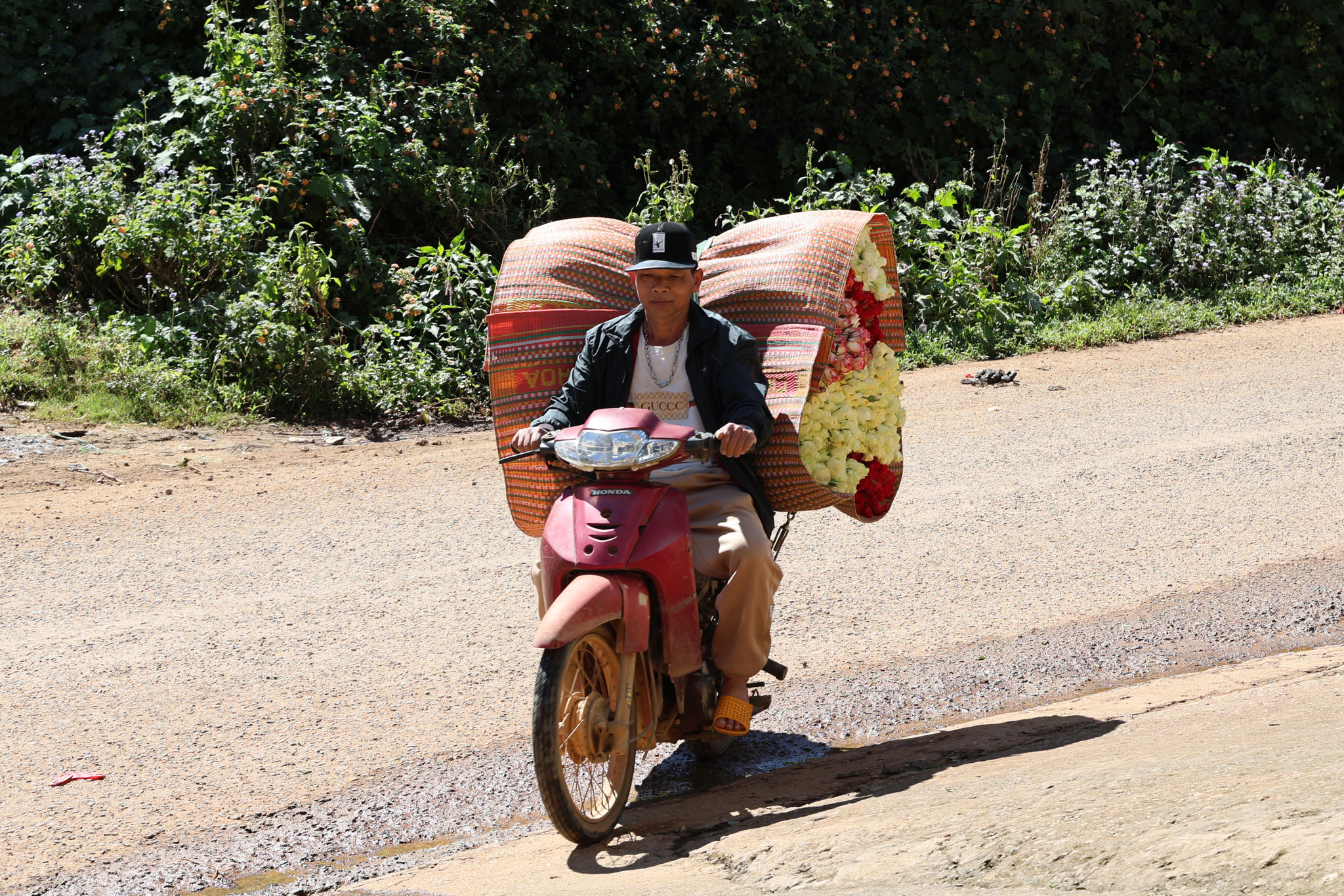
Hoang Chinh Ngoc has been cultivating flowers since 2013 and currently tends to 0.5 hectares of roses in Lac Duong Commune. His family supplies around 1,000 rose stems to the market every day, with production increasing during holidays and festivals.
Nonetheless, the majority of the family's flowers are sold to traders, who adjust their purchase prices daily according to market demand.
“While flower growers can handle the cultivation and harvesting processes by themselves, selling prices are largely influenced by the market,” Ngoc mentioned.
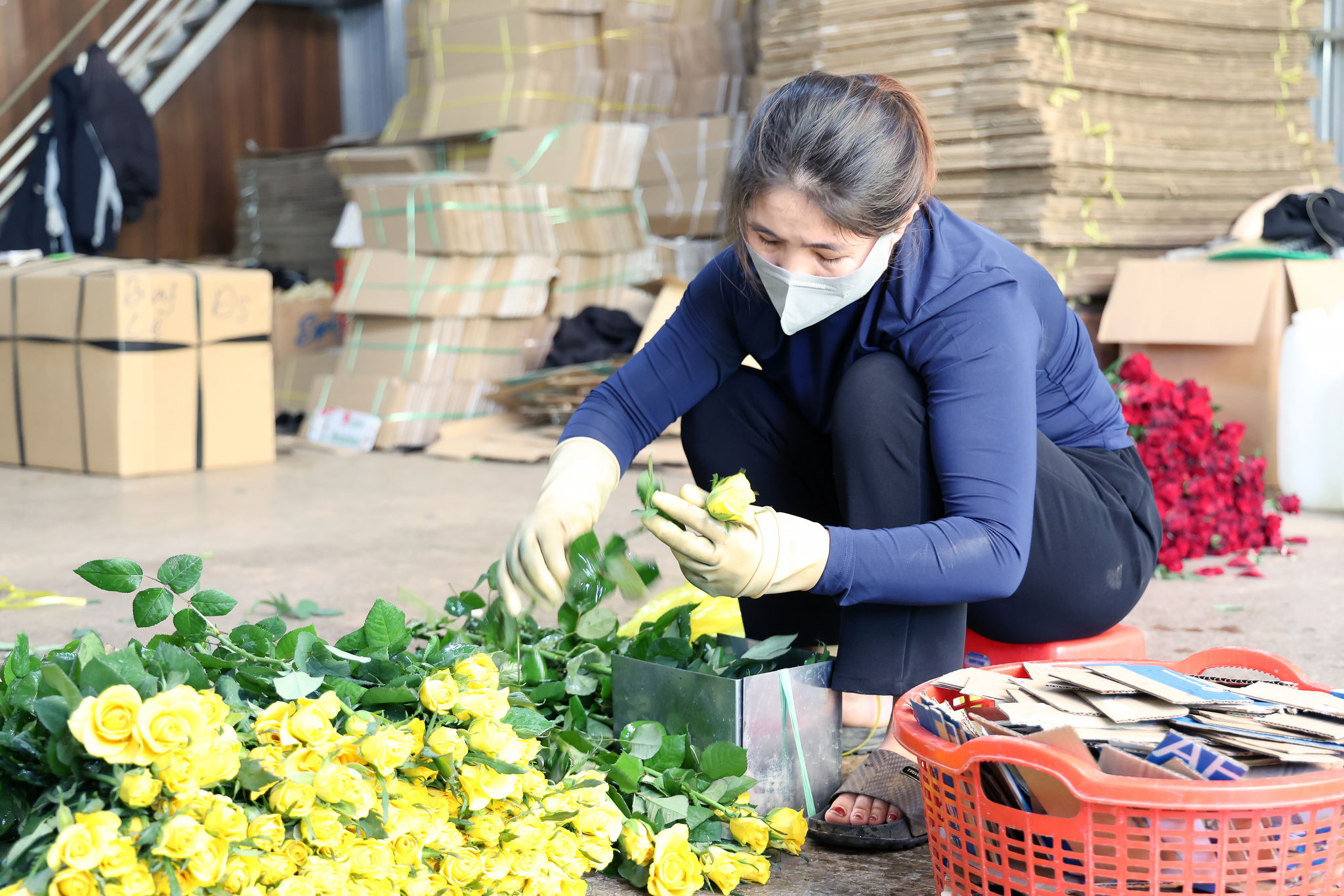
In the same agricultural area, Nguyen Van Xuyen grows roses on six 6,000 square meters. Once the flowers are harvested, he takes them home to sort and pack before delivering them straight to wholesale customers in Ho Chi Minh City.
While this gives him better control over distribution, the amount his family can sell still relies on orders from these buyers. Demand can sometimes spike unexpectedly, while at other times, orders can fall significantly, complicating production planning.
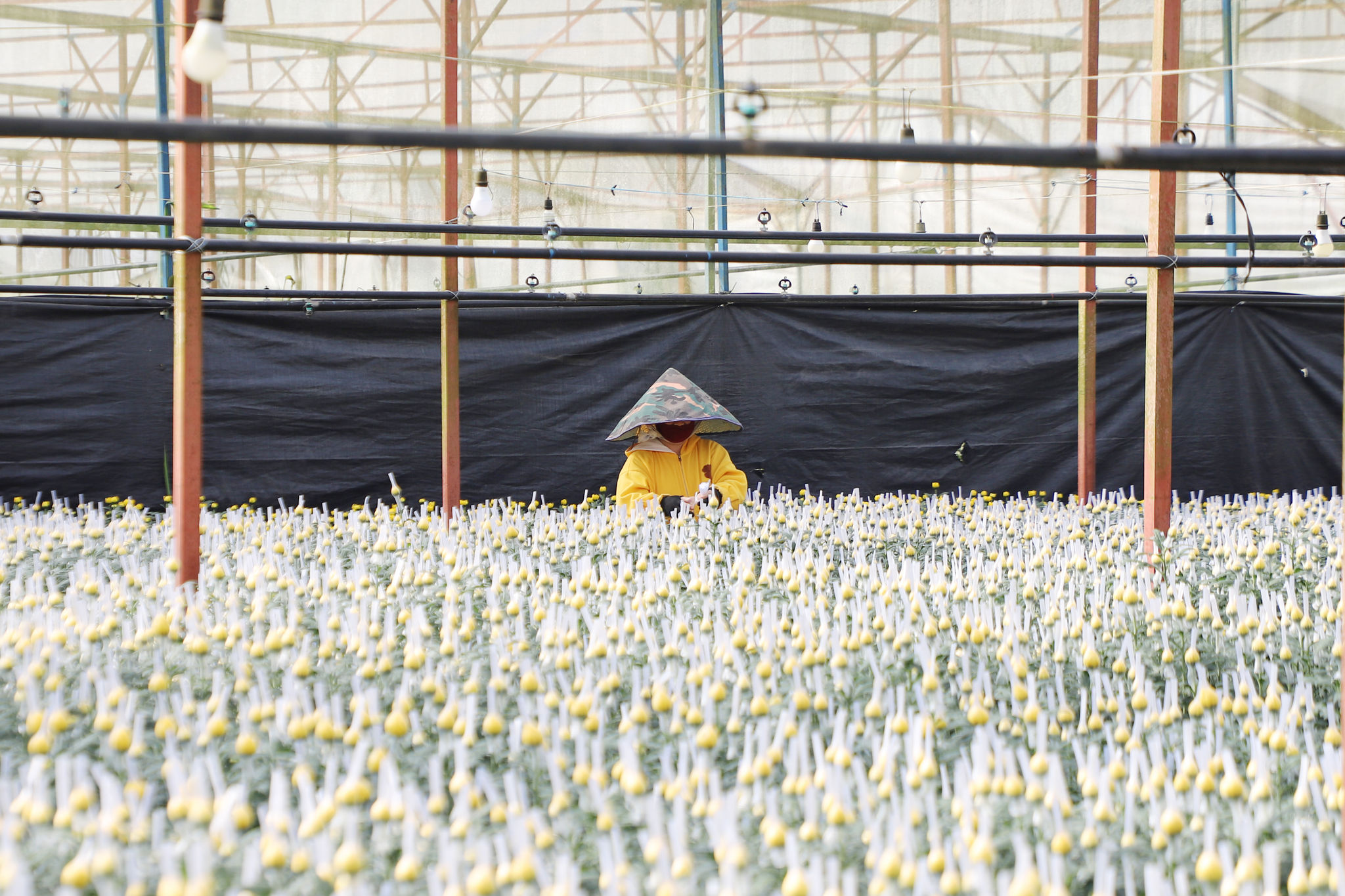
Other types of flowers encounter comparable marketing challenges. When the supply surpasses the demand, prices can drop significantly, forcing numerous growers to sell for less than anticipated or even discard flowers due to a lack of buyers, leading to financial setbacks.
After dedicating around three months to seedlings, fertilizers, pesticides, and cultivation, Nguyen Thanh Toan, a chrysanthemum farmer in the Da Lat region, had to clear several flower beds because prices were too low and he was unable to find a market for his yield.
According to Toan, when flowers are not sold promptly after harvest, their quality and market value decline quickly, sometimes rendering them unsellable. The losses go beyond production expenses and include the months of labor and care involved.
Building an Integrated Supply Chain
Drawing on their own experiences, growers such as Xuyen and Toan believe that stable partnerships in production and marketing are essential for the flower industry.
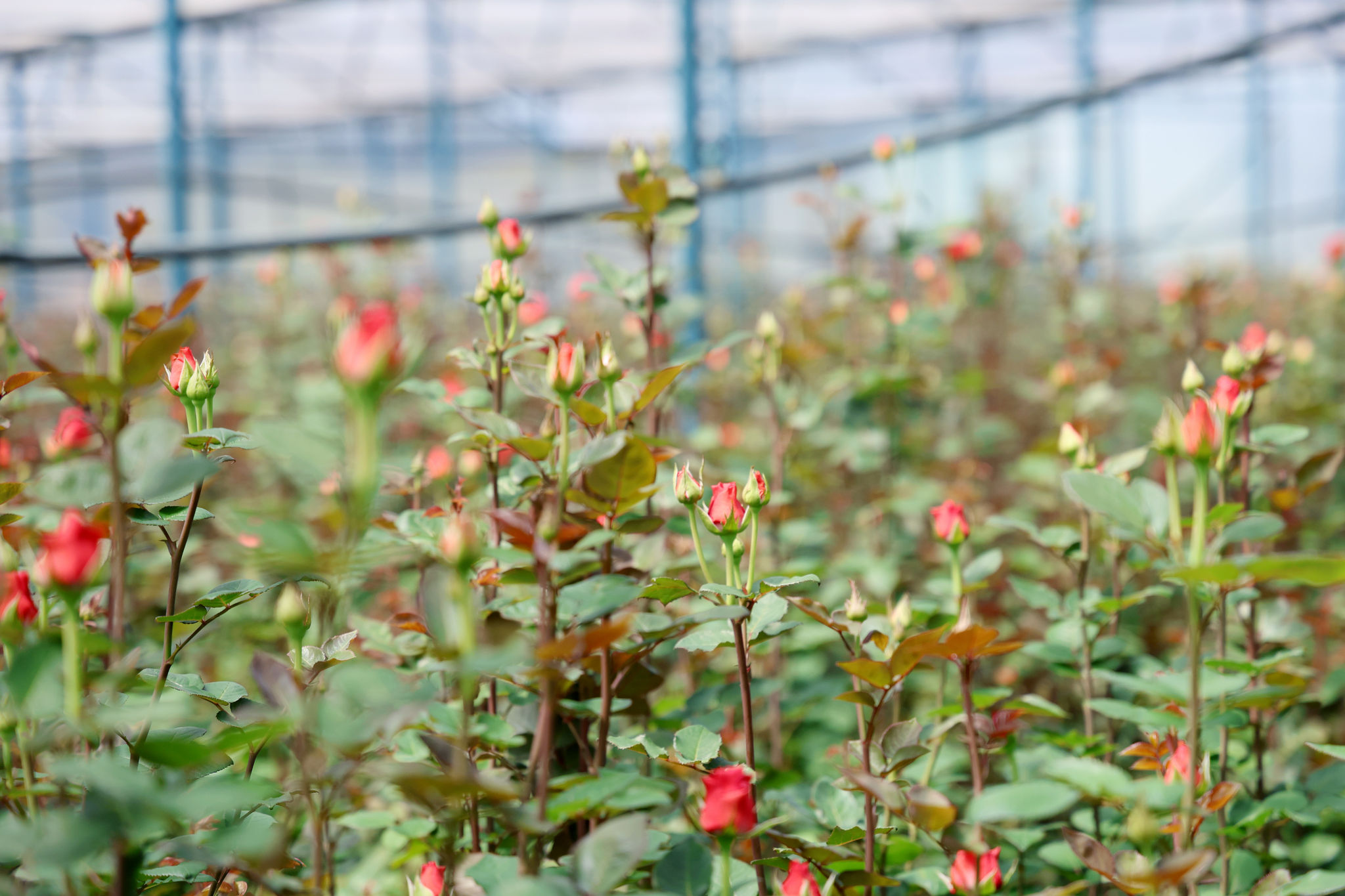
Lam Dong has around 12,000 hectares dedicated to flower cultivation, yielding more than 4 billion stems each year, according to statistics. This serves as a crucial foundation for advancing large-scale commercial flower production to satisfy both domestic and international demand.
Nevertheless, in contrast to other agricultural sectors such as vegetables, fruits, coffee, and fish sauce, the flower industry still lacks a well-defined supply chain that links production to marketing and distribution.
The majority of flower production continues to be on a small scale, primarily carried out by households, with products generally sold through purchasing agents prior to being sent to markets.
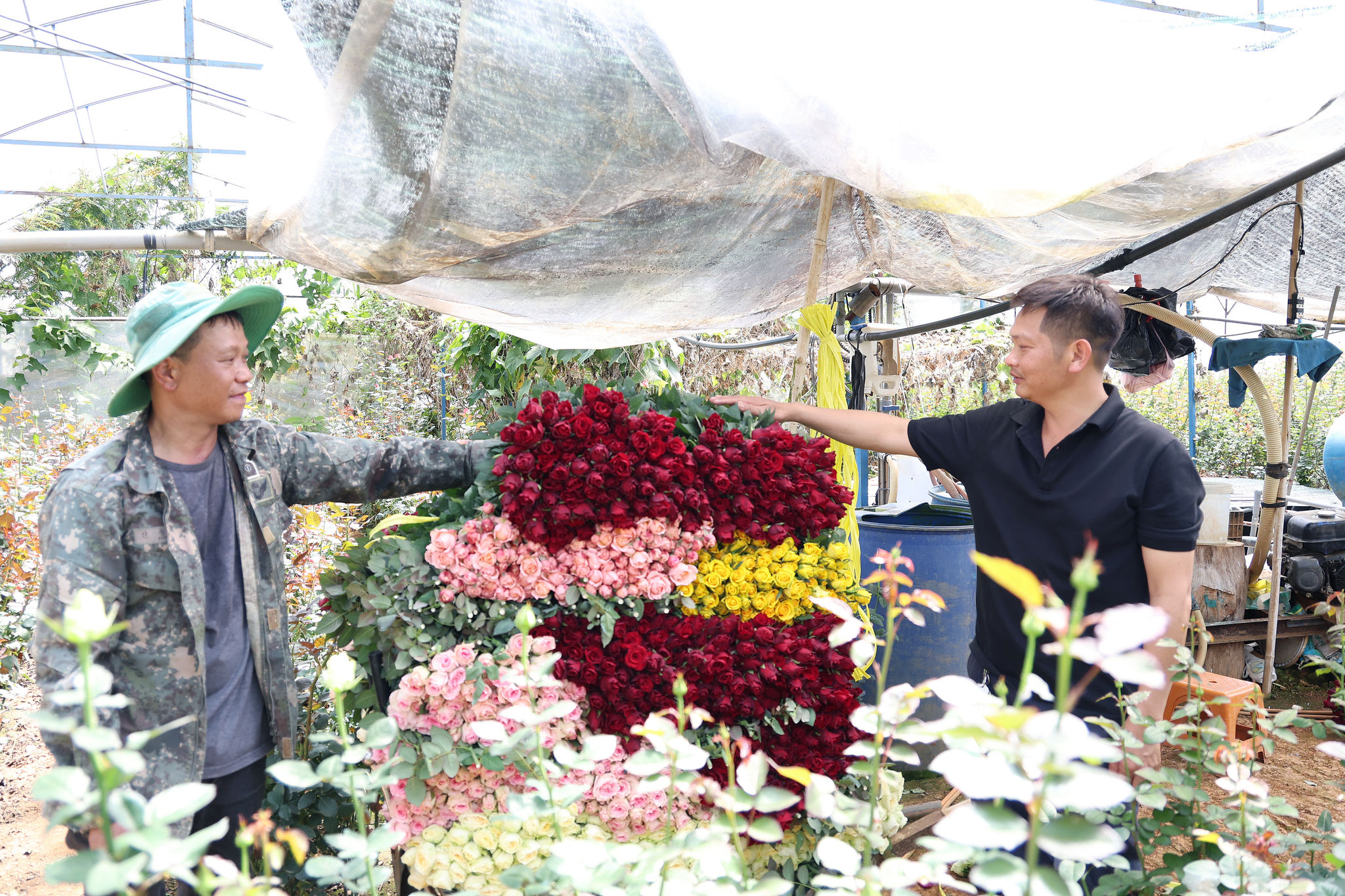
Nguyen Phu Tho, a representative of a rose-trading company in Lac Duong, said that there is currently a contradiction where production capacity has increased, but economic returns have not kept pace. When supply surpasses demand, even top-quality products find it difficult to achieve their expected prices without reliable sales channels.
To tackle this issue, Tho suggested that stronger cooperation is essential among producers, purchasing companies, distributors, and retailers. Such partnerships would allow all parties involved to plan production, manage output, and align sales with market demand.
Stronger partnerships not only help growers secure stable markets but also enable purchasing businesses to ensure reliable supplies and maintain quality control.
Nguyen Phu Tho, representative of a rose-trading business in Lac Duong
With the 2026 Da Lat Flower Festival approaching, strengthening links across production, distribution and marketing has become particularly important. The event offers an opportunity for growers, cooperatives, businesses and distributors to build connections, find partners and expand their markets.
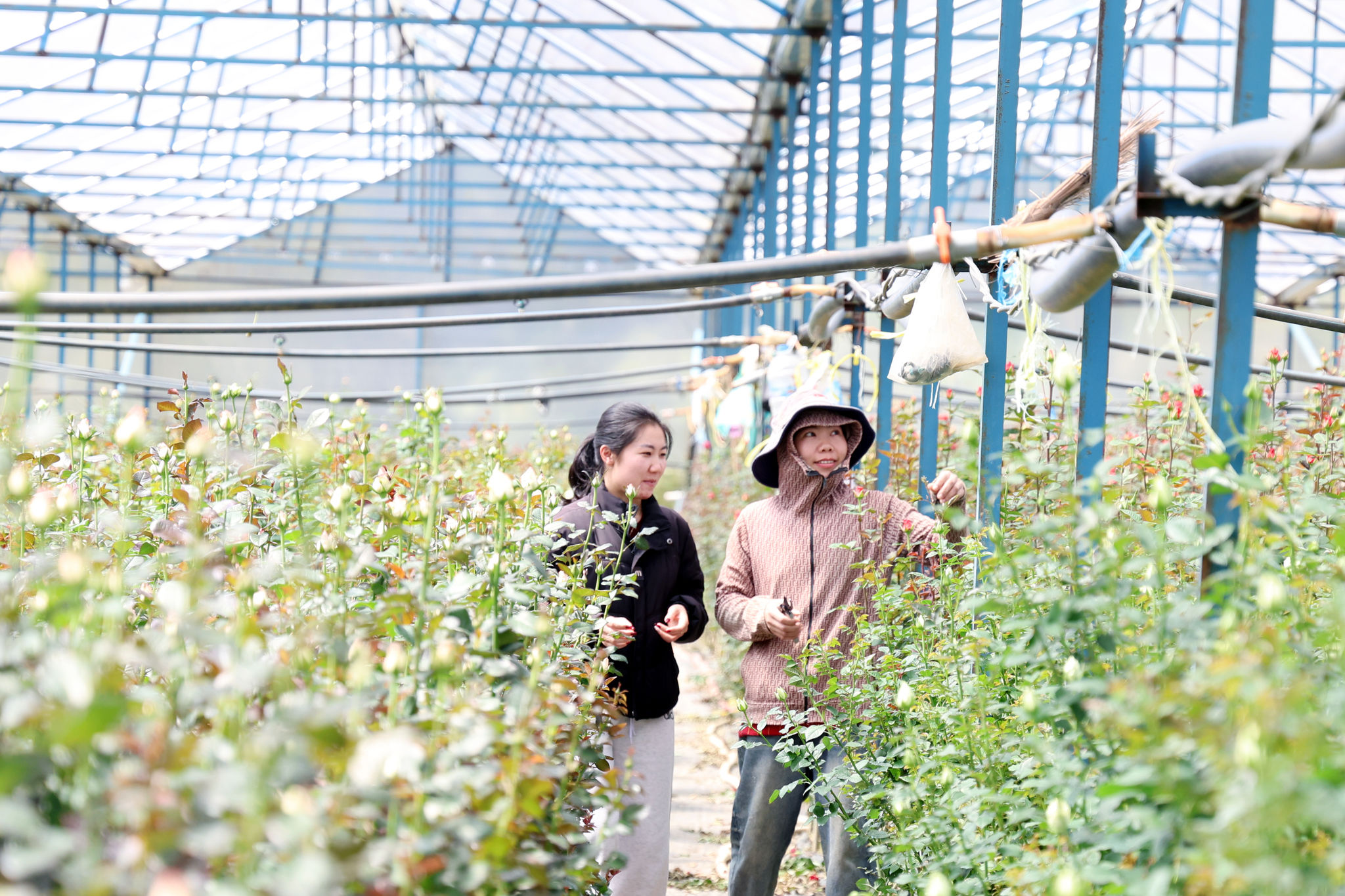
Tran Thi My Linh, a spokesperson for a flower-trading company in Lac Duong, stated that Da Lat flowers can compete effectively with imported flowers. Nonetheless, the absence of collaboration in production, distribution, and marketing has hindered price stability.
“Establishing a cohesive supply chain is a crucial measure for enhancing the competitiveness of Da Lat's flowers and foliage, which in turn helps safeguard the interests of flower producers,” Linh emphasized.
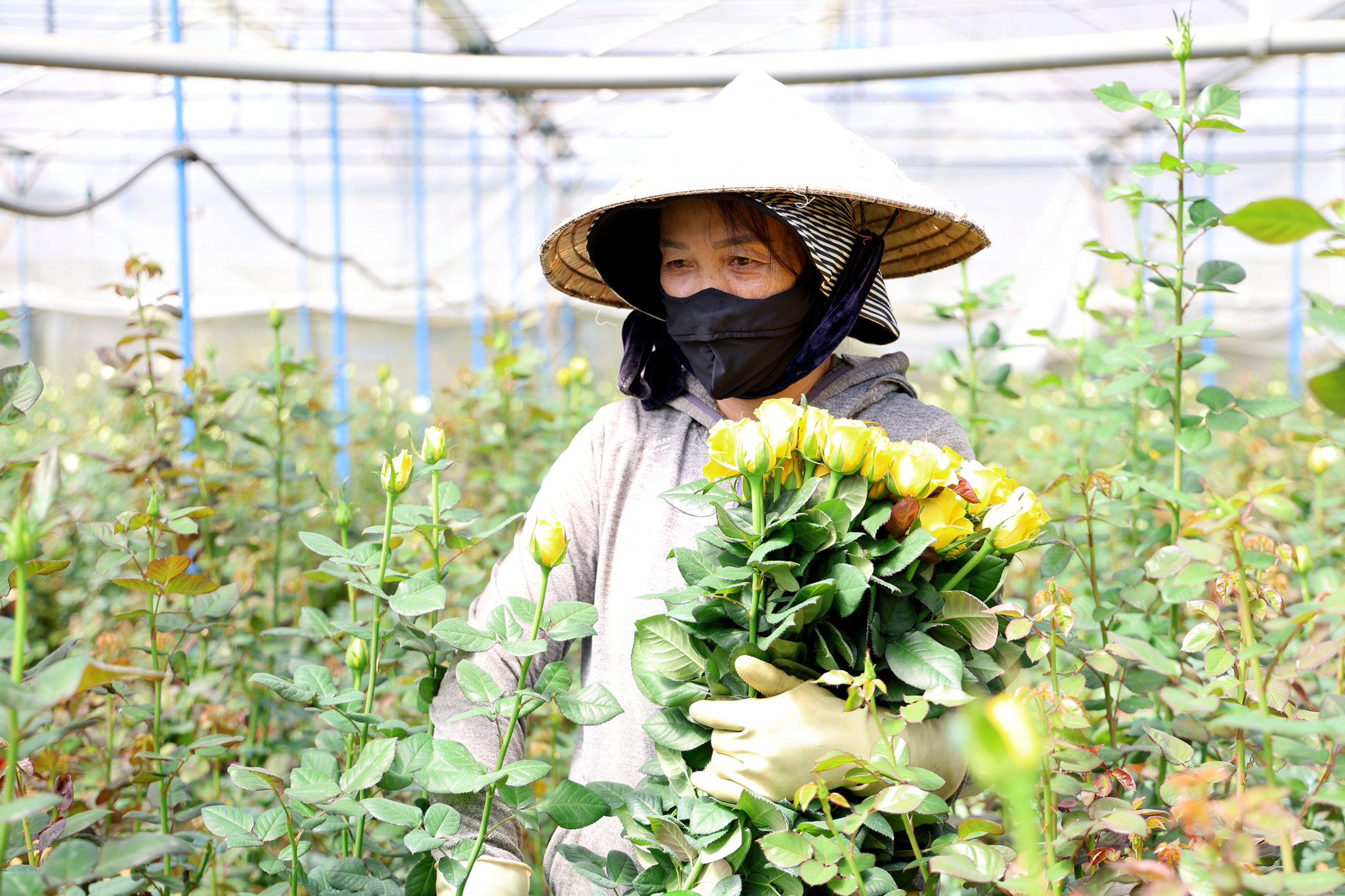
Linh also said that establishing a flower exchange was necessary alongside stronger production partnerships. Such a platform could connect growers directly with customers, improve price transparency, shorten transaction times and expand sales opportunities.