


Traditional Dao culture remains present in every family home
More than 30 years ago, the first Dao families left the northern mountains of Vietnam and moved to the Central Highlands in search of a better life. Despite many challenges, the Dao people have preserved their cultural traditions, which remain evident today in their stilt houses, traditional rituals, and hand-embroidered clothing.
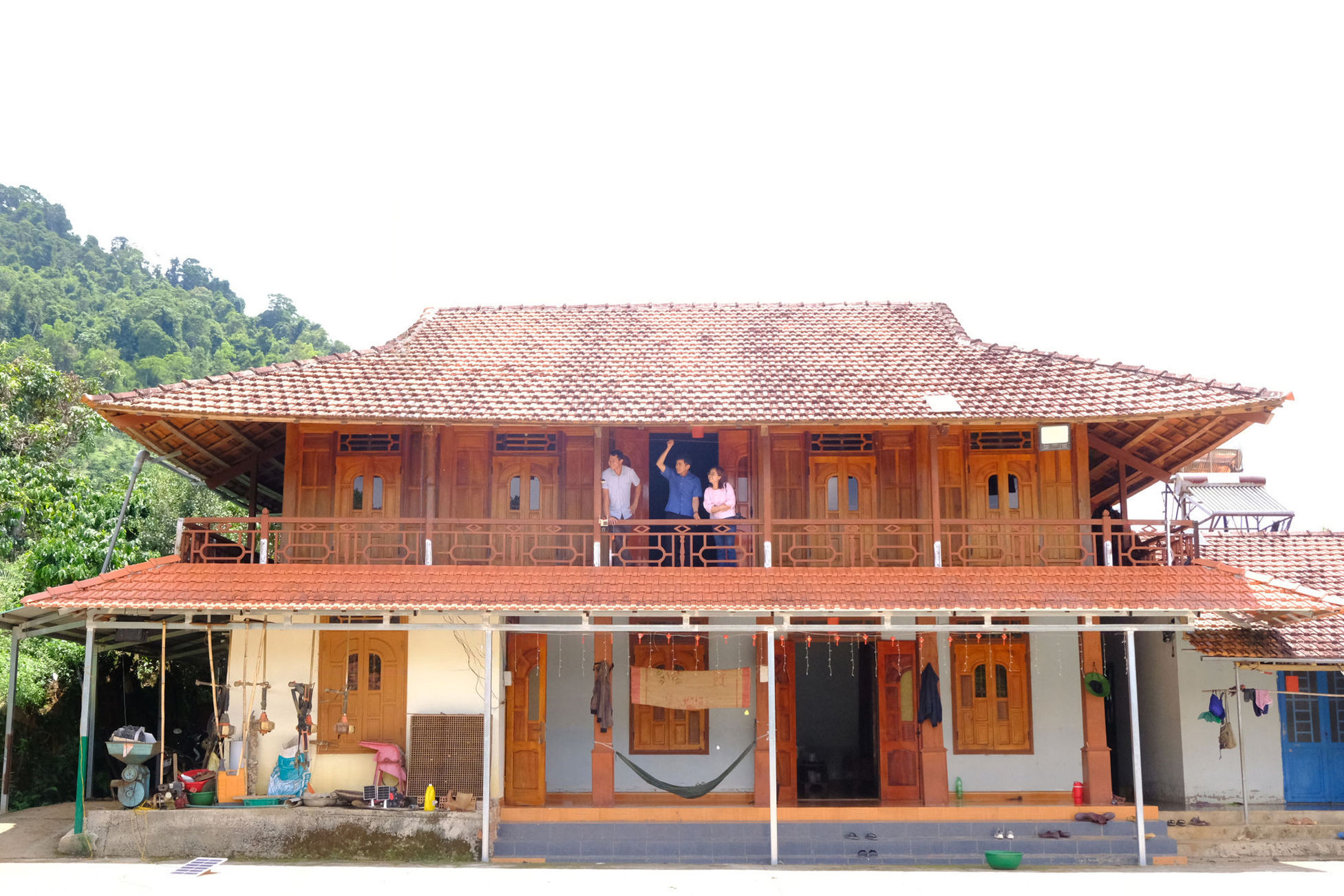
Traditional stilt houses in the Central Highlands
Between the green coffee fields and mulberry farms of Dam Rong 1 Commune, clusters of traditional stilt houses stand quietly, evoking memories of the distant northern highlands.
The stilt house of Dang Phuc Toan, a resident of Da Pin Village, was built in 2015 but still remains in excellent condition. According to Toan, the traditional architectural style helps keep the house cool and protects the wooden structure from intense sunlight and harsh weather.
For many Dao families in the area, the value of these houses goes far beyond practicality.
“To us, the stilt house is not just a place to live,” Toan said. “It helps our children remember where they came from.”
Nearly 85% of the households in the village are Dao people who migrated from provinces such as Lang Son and Bac Kan decades ago. Drawn by fertile land and better farming opportunities, many families have gradually improved their living conditions in the Central Highlands. Yet despite the changes in their daily lives, traces of their homeland remain deeply rooted in their homes and traditions.
Traditional stilt houses in Dam Rong 1 have also adapted to modern living. While the ground was once used mainly for livestock and storage in the north, many families now renovate the space into a more comfortable living area. The upper floor, however, continues to hold spiritual importance, serving as a place for ancestor worship, welcoming guests and conducting traditional ceremonies.
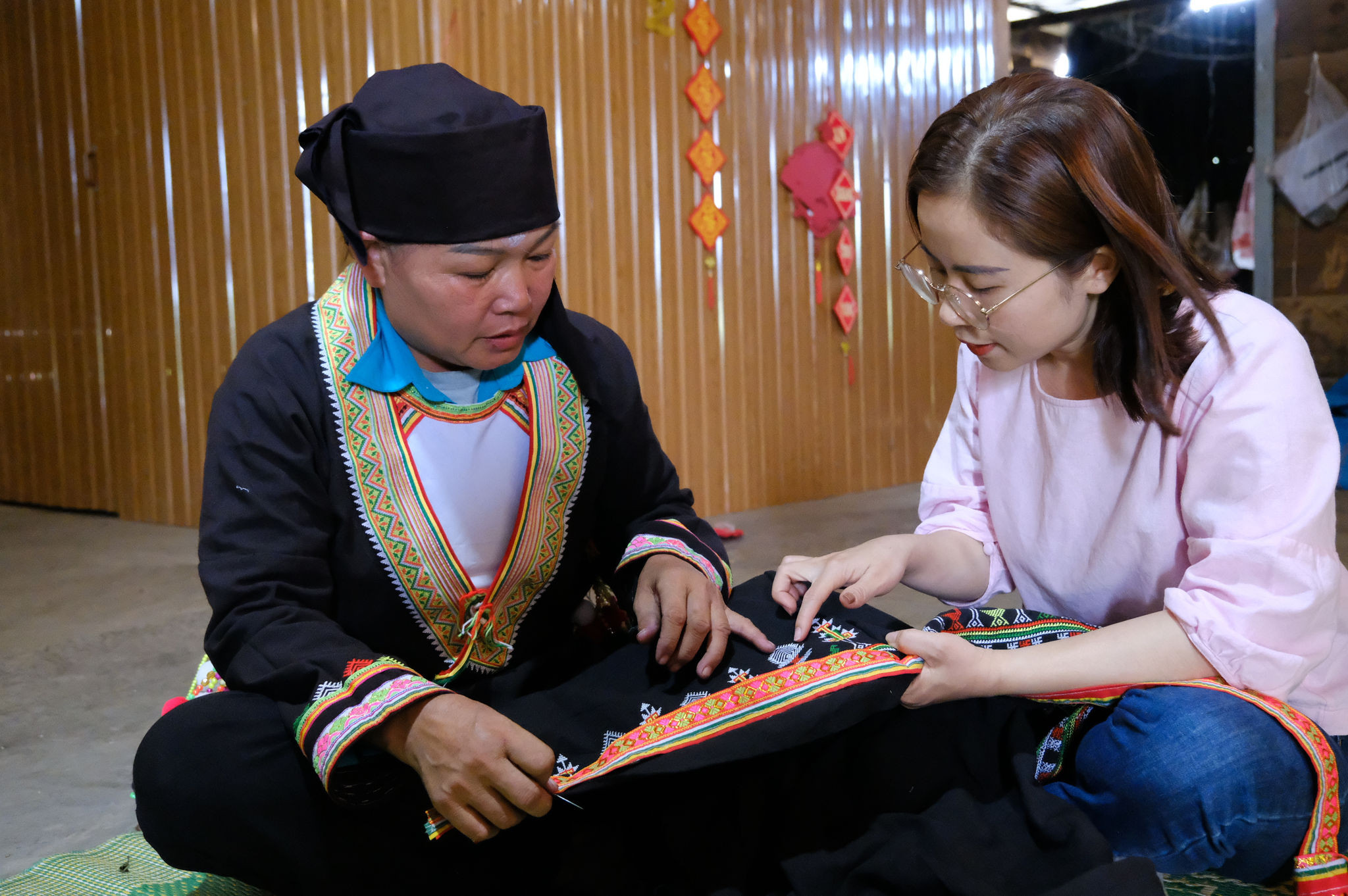
It takes a lot of time and effort, so only those who don’t know how to make them choose to buy them. Most people who know embroidery still prefer to make the outfits by hand. When I wear them and people compliment how beautiful they are, I feel truly happy and proud
Bang Thi Phuong
Memories woven into every stitch
For Dao women in Lam Dong, sewing traditional clothing is more than simply making garments; it is a way of preserving memories and passing down cultural identity to younger generations.
In Pang Bah Village, Bang Thi Phuong still carefully keeps several traditional outfits in a corner of her home. Originally from Lang Son Province, she moved to Lam Dong more than a decade ago, but she continues to practice the embroidery skills passed down by her mother and grandmother.
Dao women’s traditional clothing includes many intricate details such as headscarves, embroidered tops, outer garments, belts, silver jewelry and trousers. Patterns inspired by birds, flowers and plants are stitched by hand using elaborate cross-stitch techniques.
A complete traditional outfit can take more than three months to embroider and nearly a year to fully complete. Because of the time and effort required, these outfits are usually reserved for weddings, Lunar New Year celebrations and important traditional rituals.
Despite their busy farming work and modern lifestyles, many women still choose to make traditional outfits by hand instead of buying ready-made ones.
Before her two daughters got married, Phuong personally sewed traditional dresses for them to wear during their wedding ceremonies. Every embroidered detail carried a mother’s love and hopes for her children’s future.
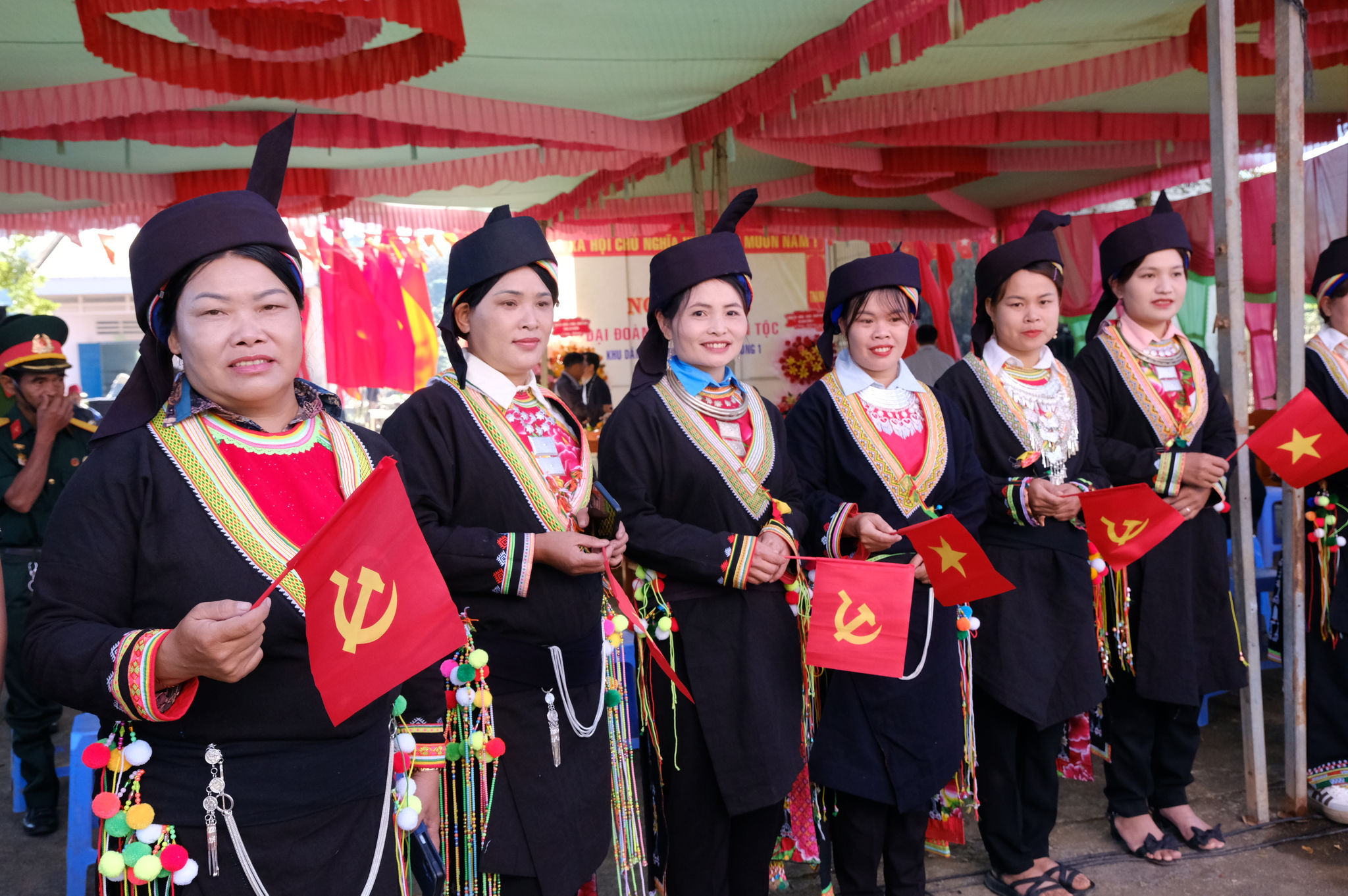
Today, ethnic minorities account for more than half of the population in Dam Rong 1 Commune, where 17 ethnic groups live together. The Dao community is concentrated mainly in Da Pin and Pang Bah villages.
After more than three decades of building new lives in Lam Dong, the Dao people have achieved greater economic stability while continuing to preserve the cultural traditions that connect them to their roots and enrich the cultural diversity of the Central Highlands.