


Turning Dragon Fruit Prunings into Organic Fertilizer
The Department of Agriculture and Environment of Lam Dong province is integrating extension programs and sustainable agriculture initiatives to train farmers on collecting and processing dragon fruit by-products into bio-organic fertilizer.
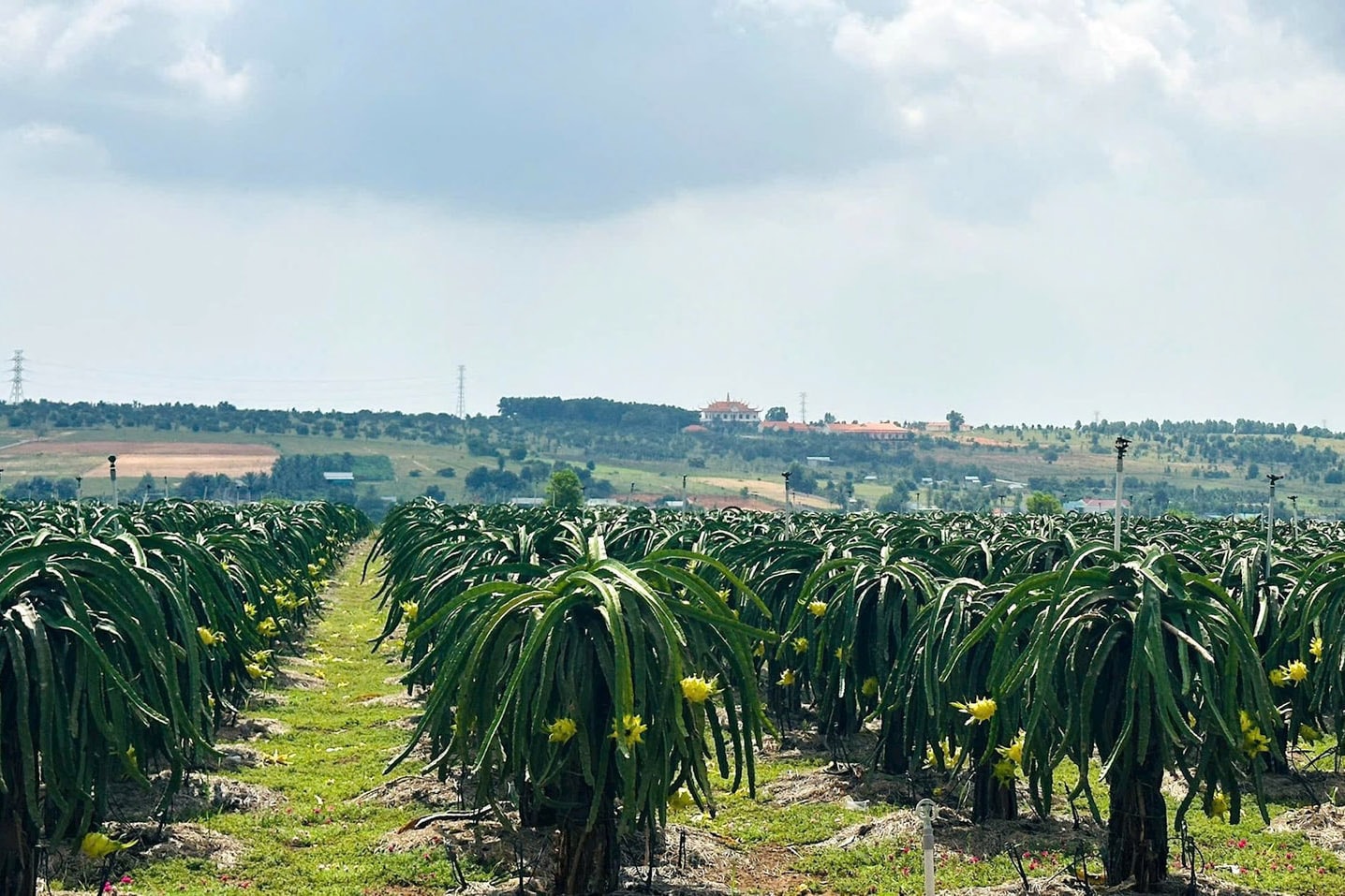
According to guidelines issued by the Southern Fruit Research Institute, the composting process follows several clear steps. First, weak branches, non-fruiting shoots, or those producing substandard fruit are cut into pieces 3–5 centimeters long and piled into heaps weighing 500 to 1,000 kilograms.
Next, 15 kilograms of Bacillus subtilis are diluted with water at a 1:1 ratio and sprayed evenly over the pile, which is then covered with tarpaulin to maintain moisture for the first two weeks.
In the third and fifth weeks, Lactobacillus plantarum and BTEC solutions are added in sequence and mixed thoroughly. These treatments help suppress white-spot pathogens while creating favorable conditions for beneficial microorganisms to develop.
By the seventh week, well-decomposed livestock manure is incorporated, the pile is covered again, and composting continues until the eighth week. At that point, dragon fruit prunings are fully converted into bio-organic fertilizer that can be applied back to orchards, improving soil nutrition and reducing dependence on chemical fertilizers.