


Turning forests into a resource for sustainable development
Lam Dong is emerging as a leader in commercializing forest carbon credits to unlock the financial value of its forest resources. A new government legal framework is expected to remove key bottlenecks and channel green finance to forests and forest protectors.
Hope and expectations for forest protectors
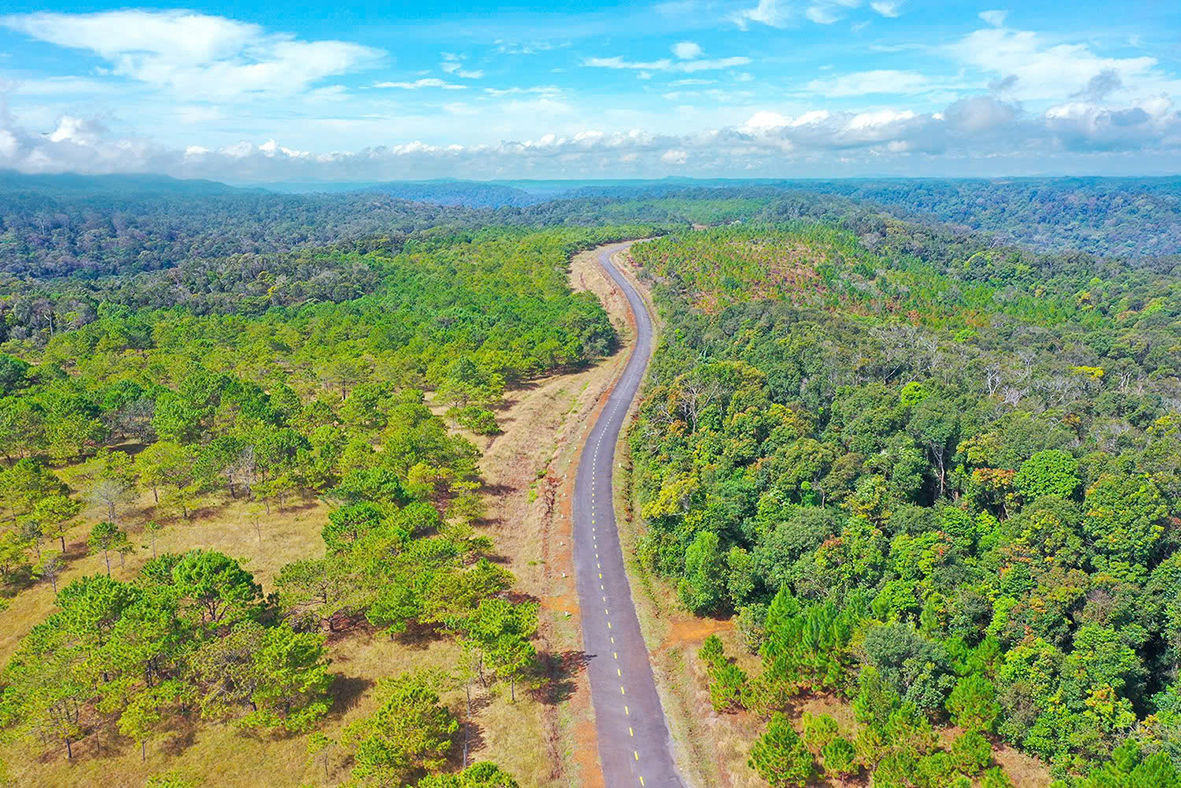
Lam Dong, home to Vietnam's largest forest area, has made forest protection and development a priority. The province is among the first to implement a forest carbon credit project in partnership with the Coalition for Carbon Trading and Project Advancement (CCTPA).
The project covers more than 957,000 hectares of forest. It focuses on afforestation, forest conservation and natural forest restoration to generate high-quality carbon credits under the international Verra (VCS) standard.
The global carbon market is expanding rapidly, with carbon credit prices ranging from USD 1-2 to nearly USD 200 per credit. The Lam Dong project is expected to create a stable revenue source, increase the economic value of forests and improve incomes for communities living near forest areas.
Vietnam's plan to officially launch its carbon credit market in 2028 has raised expectations among forest managers and local communities. In Lam Dong, those expectations are gradually turning into action.
Nguyen Van Que, Deputy Head of the Lam Vien Protection Forest Management Board, said: "We hope the Government will soon launch the carbon market. Revenue from carbon credits will help strengthen forest management, increase forest biomass and improve forest protection."
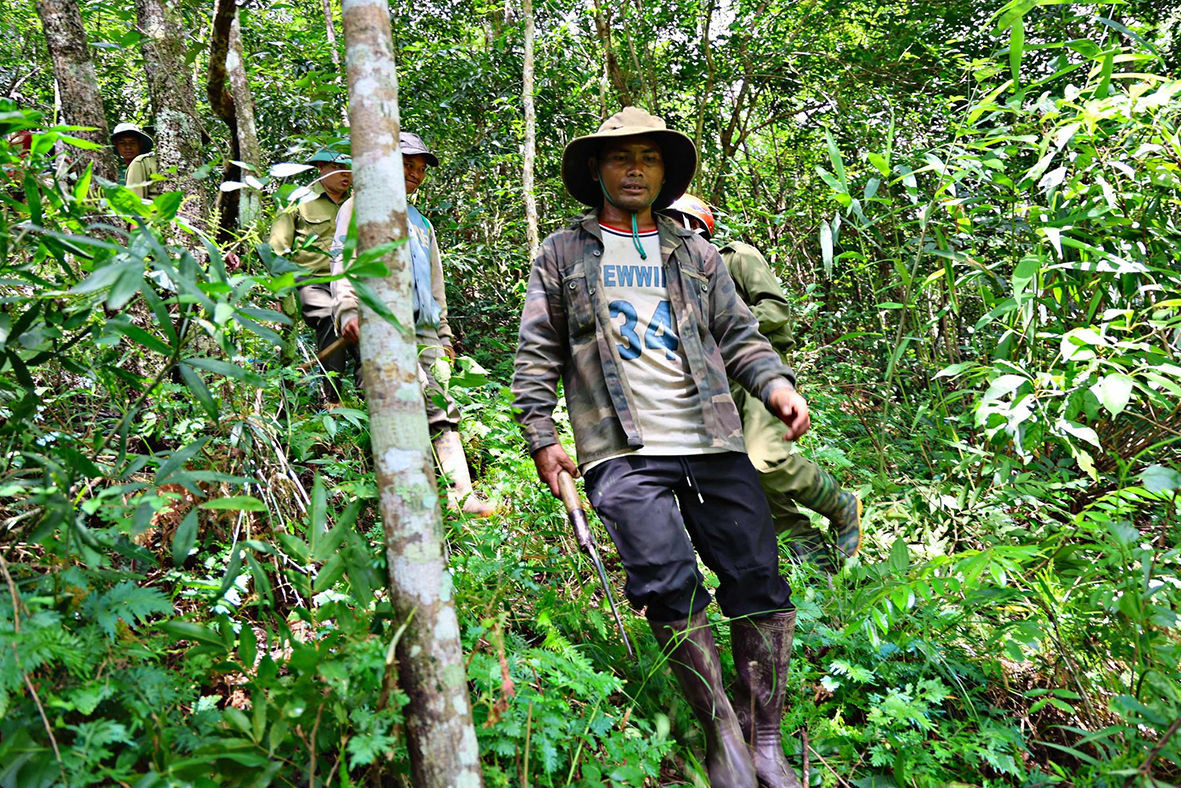
The optimism extends beyond government agencies to local residents contracted to protect forests. For many, earning additional income from preserving forests is a new but promising opportunity.
Practical challenges remain
Despite strong market potential and growing interest from both domestic and international buyers, the project still faces technical and implementation challenges. Carbon credits are time-sensitive, and delays in trading can reduce their value, affecting selling prices. Slow verification processes could also cause the province to miss opportunities in the international market.
Generating carbon credits under the international Verra (VCS) standard requires rigorous carbon measurement, monitoring, and verification. Lam Dong is currently conducting forest surveys, preparing technical documentation, and developing a centralized database. According to forest management agencies, the process also requires an independent organization to carry out verification, posing another implementation challenge.
A breakthrough under Decree No. 180
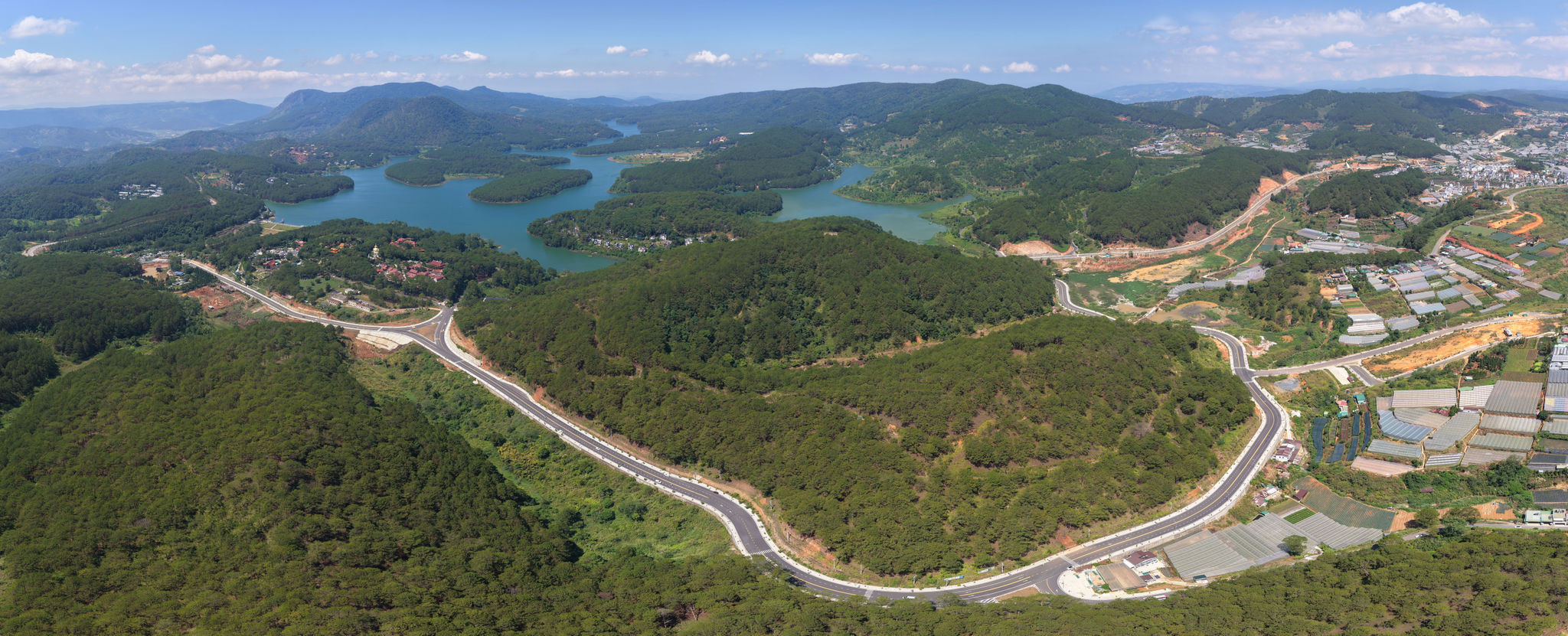
According to Nguyen Van Que, Deputy Head of the Lam Vien Protection Forest Management Board, the Government issued Decree No. 180/2026/ND-CP on May 21, 2026, regulating forest carbon sequestration and storage services. Effective from July 15, the decree provides a legal framework for forest carbon credits, addressing key issues related to financial management and ownership.
The decree establishes two payment mechanisms: direct payments under contracts or payments through the Forest Protection and Development Fund. It also clarifies that forest owners participating in self-implemented projects are entitled to own the carbon credits they generate. At the same time, provincial People's Committees represent the owners of publicly owned forests. The new rules help clarify benefit-sharing among the State, project developers, and forest owners.
More importantly, revenue from carbon credit transfers and emission-reduction results must be prioritized for forest protection, forest development, and support for local livelihoods. The decree also introduces measures to prevent double-counting and safeguard the credibility of Vietnam's forest carbon credits.
With a clear legal framework now in place, Lam Dong expects forest carbon credits to become a sustainable source of revenue, supporting both forest-dependent communities and long-term forest conservation.