


Turning Intellectual Property into a Tradable Asset
The amended Law on Intellectual Property, adopted by the 15th National Assembly, encourages authors and research groups with patents, utility solutions, trade secrets, or scientific research projects approved by competent authorities to promptly form tradable assets, thereby promoting the effective utilization of intellectual investment.
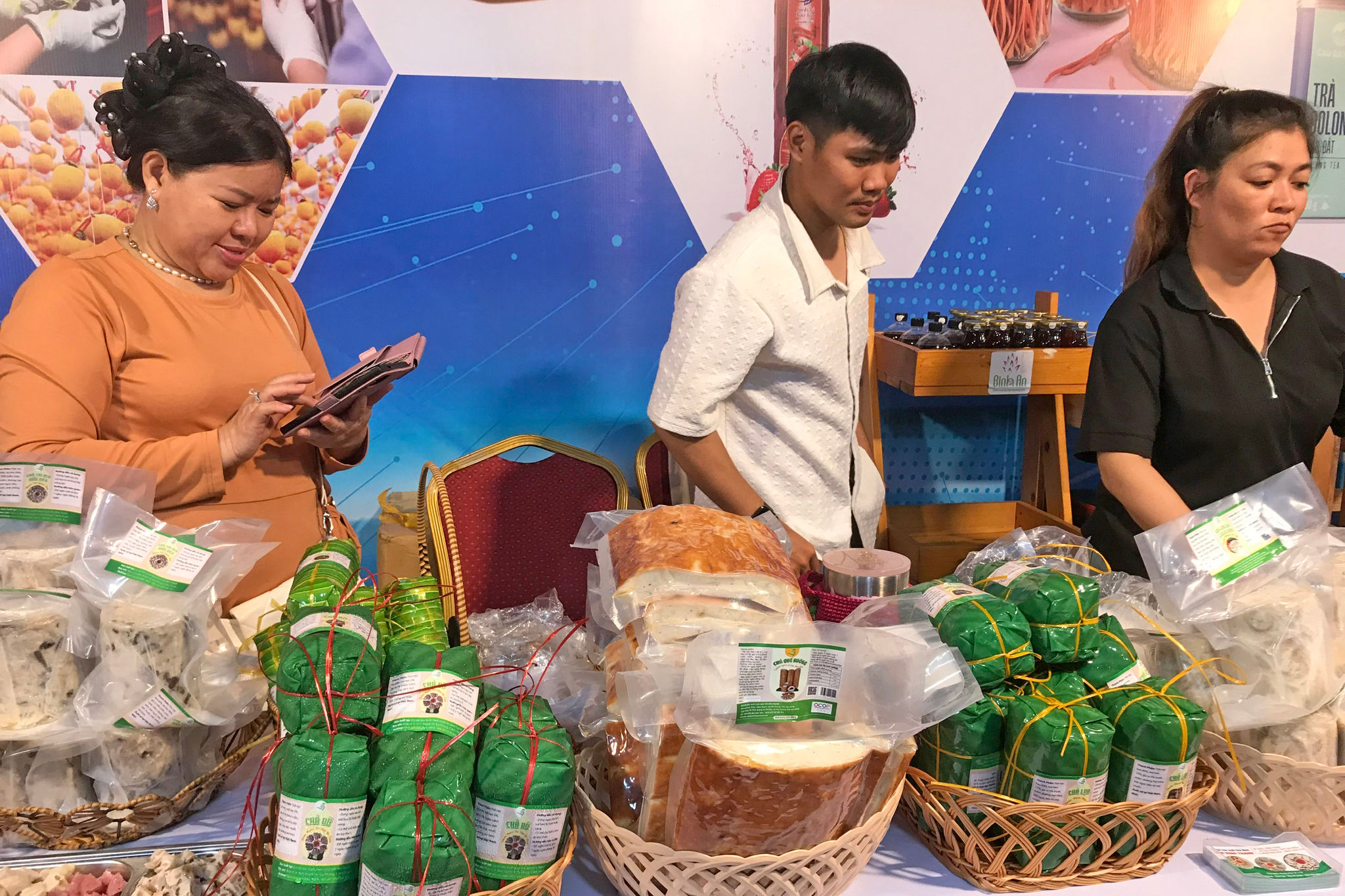
Focus on Intellectual Property Registration
The story shared by Ms. Ho Thi Bach Hoang, owner of Ngoc Uyen Food Production Facility in Phan Thiet Ward, at a previous conference organized by the Department of Science and Technology, highlights the importance of intellectual property registration in transforming it into a tradable asset.
She said that 2 years ago, her salted dragon fruit buds and concentrated dragon fruit syrup were showcased alongside many products from the southern region at the Women’s Creativity Exhibition in Hanoi. At that time, a Chinese entrepreneur offered USD 200,000 for the production process of salted dragon fruit buds, but Ms. Hoang hesitated. Shortly after returning to Phan Thiet, her assistant contacted the partner, only to be informed that the company had already acquired a similar process from another facility.
This case illustrates how the failure to promptly register a patent or protect a trade secret cost the owner a golden opportunity to sell valuable intellectual property to a foreign enterprise at a premium price.
Commercialization of Intellectual Property Assets
At its 10th session, the 15th National Assembly approved amendments and supplements to various provisions of the Law on Intellectual Property, addressing real-world challenges and creating a legal framework to facilitate the commercialization of intellectual property assets. The law signals a significant shift in the regulatory approach, moving from an emphasis on 'rights protection' to the 'assetization' and 'commercialization' of intellectual property. This amendment seeks to convert research and creative outputs into tradable commodities. Intellectual property should be recognized as an asset for businesses—capable of being evaluated, traded, recorded in financial statements, and used as collateral for loans or as capital contributions. This strategy aligns with legislation on science and technology, innovation, and digital transformation.
Mr. Nguyen Hoai Trung, the Deputy Director of the Department of Science and Technology, emphasized: ‘In 2026, the Department of Science and Technology will collaborate with local authorities to raise awareness and promote the updated Law on Intellectual Property along with its implementation guidelines. The Department will assist in securing intellectual property protections for the province's key products in international markets. Furthermore, we will support the registration, safeguarding, and enhancement of intellectual property assets for agricultural products and OCOP products, while facilitating the registration of planting area codes and ensuring the quality control and traceability of those protected products.’