


Turning Lam Dong's Revised Master Plan into Reality
The revised Lam Dong Provincial Master Plan has set out an ambitious roadmap for development through 2050. The next challenge is ensuring that the plan is translated into concrete projects capable of delivering tangible benefits for the province.
A Launchpad for Investment
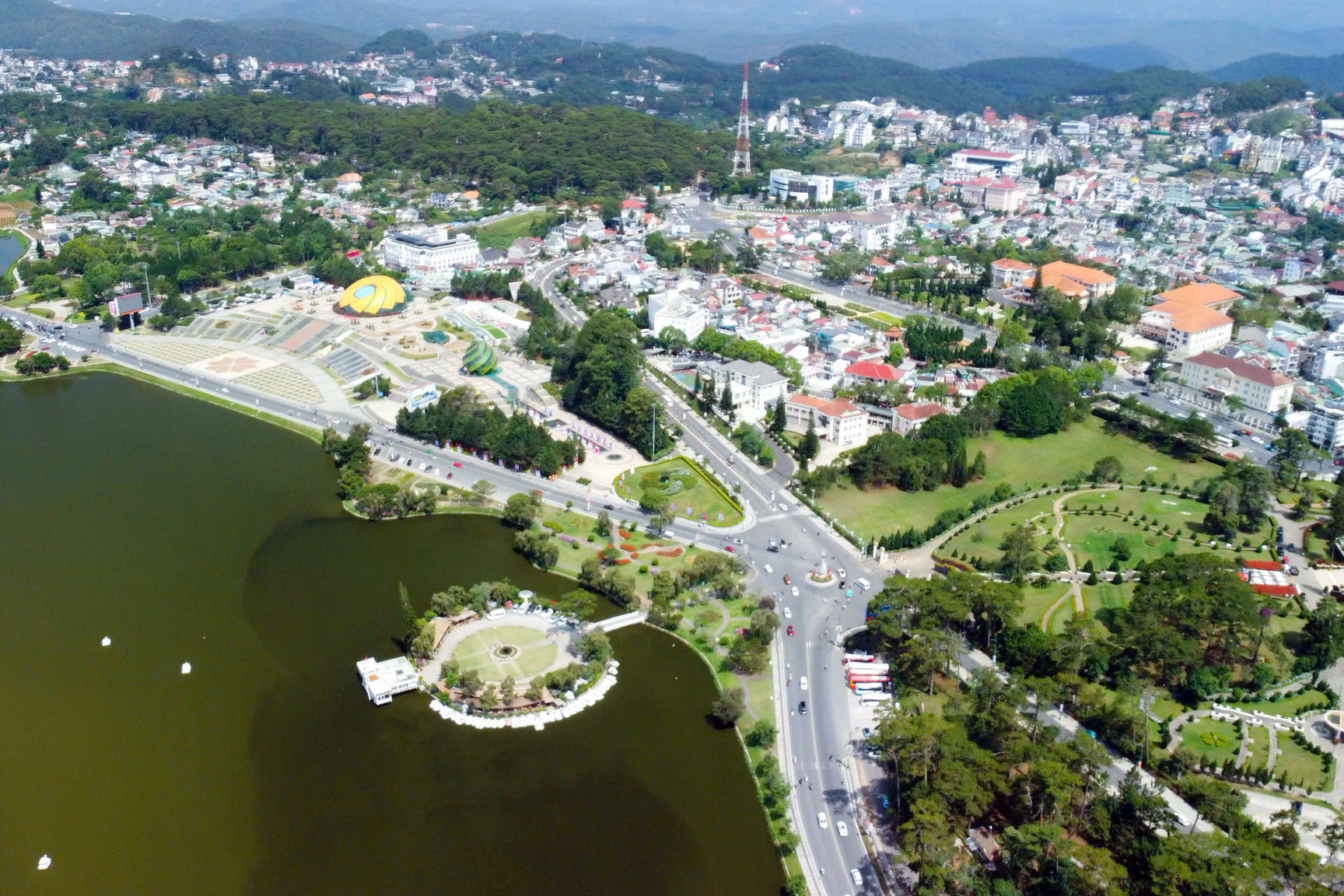
The revised Lam Dong Provincial Master Plan for 2021-2030, with a vision to 2050, is being viewed as a key instrument for unlocking the province's development potential.
Turning that vision into reality, however, will depend on effective implementation - an issue drawing close attention from businesses, investors and other stakeholders.
The revised plan outlines major changes in transport infrastructure, urban development and, notably, the investment environment. These improvements are expected to provide a strong foundation for attracting large-scale capital and advancing Lam Dong's ambition of becoming one of Vietnam's key economic centers.
According to the provincial People's Committee, implementing the revised plan will require substantial resources. Total investment demand for the 2026-2030 period is estimated at between USD 38 billion - USD 42 billion (roughly VND1 quadrillion - VND1.1 quadrillion). Of that amount, 80-82% is expected to come from non-state investment sources.
To mobilize the resources needed and accelerate implementation, Lam Dong will require strong participation of businesses and investors. At the same time, the revised plan presents new opportunities for investors to move forward with projects that previously faced regulatory or planning bottlenecks.
Phan Le Hoang, Chief Executive Officer of Pacific Group Joint Stock Company, said the company has long viewed Lam Dong as a strategic investment destination. In addition to ongoing projects, the group is proposing a series of green development projects worth billions of dollars.
The revised provincial master plan not only holds significant importance for Lam Dong but also creates new opportunities for investors. For companies like Pacific Group, it serves as a launchpad for future projects. We hope the province will continue to support businesses and foster an environment that encourages greater cooperation and investment.
Phan Le Hoang, CEO of Pacific Group Joint Stock Company
According to Hoang, the revised provincial master plan clearly identifies the northeastern part of Lam Dong as a future energy hub, with multiple growth centers and strong development potential. The region is expected to support a range of energy projects, including gas-fired power, nearshore and offshore wind power, green hydrogen, and solar energy linked to the aluminum industry - all areas in which the group has extensive experience.
“We are impressed by the determination, decisiveness and development-oriented mindset of Lam Dong's leadership. Their willingness to think big and take action gives investors greater confidence to propose new projects and contribute to the province's goal of achieving double-digit GRDP growth,” Hoang said.
While transport, industrial and energy infrastructure remain important advantages, he noted that what ultimately sets one locality apart from another is the quality of its governance and leadership.
Fast decision-making, business-friendly policies and decisive action are emerging as key competitive advantages for Lam Dong. These forms of "soft infrastructure" could prove just as important as roads or industrial parks in turning the province's development potential into real investment projects.
The province has identified supporting businesses and removing obstacles for investors as a long-term priority. Local authorities are guided by the principle of treating investors' projects as their own and viewing investors' challenges as matters requiring immediate attention and resolution.
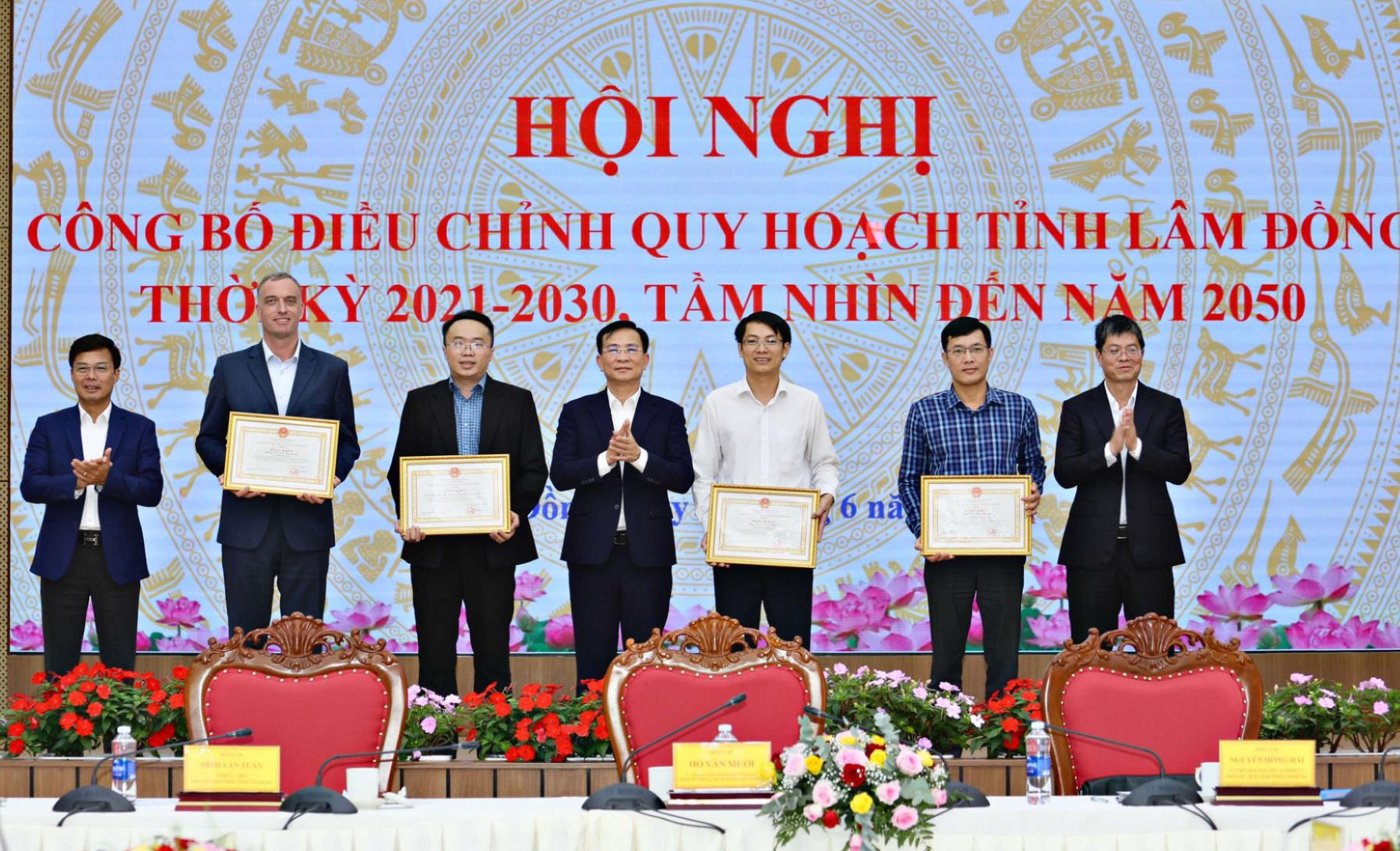
Speaking at the recent conference announcing the revised provincial plan, Ho Van Muoi, member of the Party Central Committee, Deputy Secretary of the Provincial Party Committee and Chairman of the Provincial People's Committee, stressed that the announcement of the plan was only the first step.
“The real challenge lies in whether the plan can be implemented effectively and translated into tangible results,” he said.
To ensure successful implementation, the provincial chairman called on government agencies, organizations, businesses and residents to work together in creating the most favorable conditions possible for investors choosing Lam Dong as a destination.
Now that the master plan is in place, government agencies and local authorities have a major responsibility to attract investment to their respective areas. We must treat every business project as our own. When businesses thrive, the province grows, and people's lives improve.
Ho Van Muoi, member of the Party Central Committee, Deputy Secretary of the Provincial Party Committee and Chairman of the Lam Dong Provincial People's Committee
The provincial chairman reaffirmed that Lam Dong welcomes capable and experienced investors to explore business and investment opportunities in the province. He stressed that the province views businesses as a key driver of growth and is committed to providing the most favorable and transparent conditions possible for investors.
He also made clear that no agency, department or locality can stand on the sidelines of this effort. Within their respective mandates, authorities are expected to proactively identify issues, connect with investors, provide support and help resolve obstacles until they are fully addressed.
Prioritizing Strategic Infrastructure
Alongside the investment environment, one of the key factors influencing investors and large-scale projects is strategic infrastructure, particularly transport networks.
According to experts, researchers and investors, Lam Dong possesses significant potential and competitive advantages. However, one of the province's biggest constraints remains the limited development of its strategic infrastructure.
This includes transport and logistics systems, which need to be strengthened as part of a broader strategy to enhance regional connectivity and expand development opportunities.
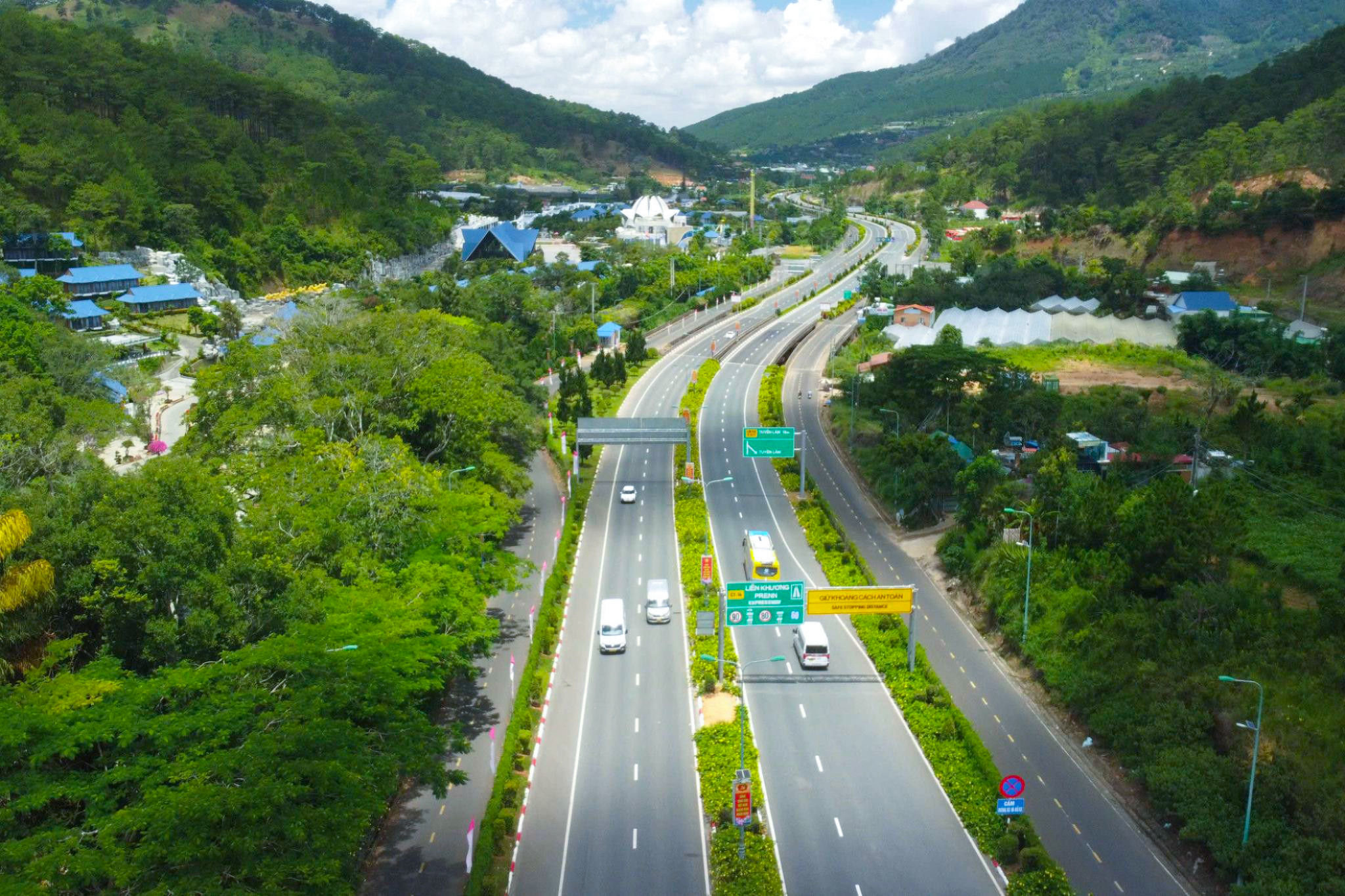
Recognizing this bottleneck, the revised provincial plan identifies the synchronized development of strategic infrastructure - particularly transport, logistics, seaports, energy and digital infrastructure - as one of Lam Dong's four key breakthroughs.
Among these priorities, transport infrastructure ranks first. Provincial leaders believe that improving connectivity will not only create new momentum for growth but also help address longstanding constraints on socio-economic development.
Discussing implementation plans, Le Ngoc Tien, Director of the Department of Construction, said the agency is working closely with the Department of Finance and local authorities to integrate priority projects into the province's 2026-2030 investment pipeline.
Alongside accelerating expressway construction and other major transport projects, the province will prioritize new infrastructure investments aimed at strengthening connections among its three key regions.

“Lam Dong plans to invest in an east-west transport corridor linking Phan Thiet and Gia Nghia with the Bu Prang border gate, while upgrading and expanding National Highways 28, 27 and 55. The province will also work with Khanh Hoa and Dak Lak to develop new air transport links and attract more investors,” Tien said.
Regarding transport infrastructure planning, Phan Anh Tuan, Secretary of the Nhan Co Commune Party Committee, noted that the Tran Hong Quan Aluminum Smelter is expected to begin operations and produce its first output in July 2026. The plant's first phase will have a designed capacity of 150,000 tonnes per year.
“This creates an urgent need for transport infrastructure capable of moving raw materials from the Nhan Co and Tan Rai alumina plants to ensure a stable supply for the smelter,” Tuan said.
In the near term, he proposed prioritizing regional transport links, including the expansion of National Highway 28 and the construction of a key transport route connecting Gia Nghia and Bao Lam.
Over the longer term, he said the most strategic solution would be a railway linking Gia Nghia, Bao Lam and Phan Thiet, with connections to the Central Highlands railway network, to handle large-scale freight transport.
According to Tuan, only through investment in such a rail corridor can Lam Dong ease pressure on road infrastructure, reduce transport costs and traffic accidents, and improve the efficiency of regional connectivity.
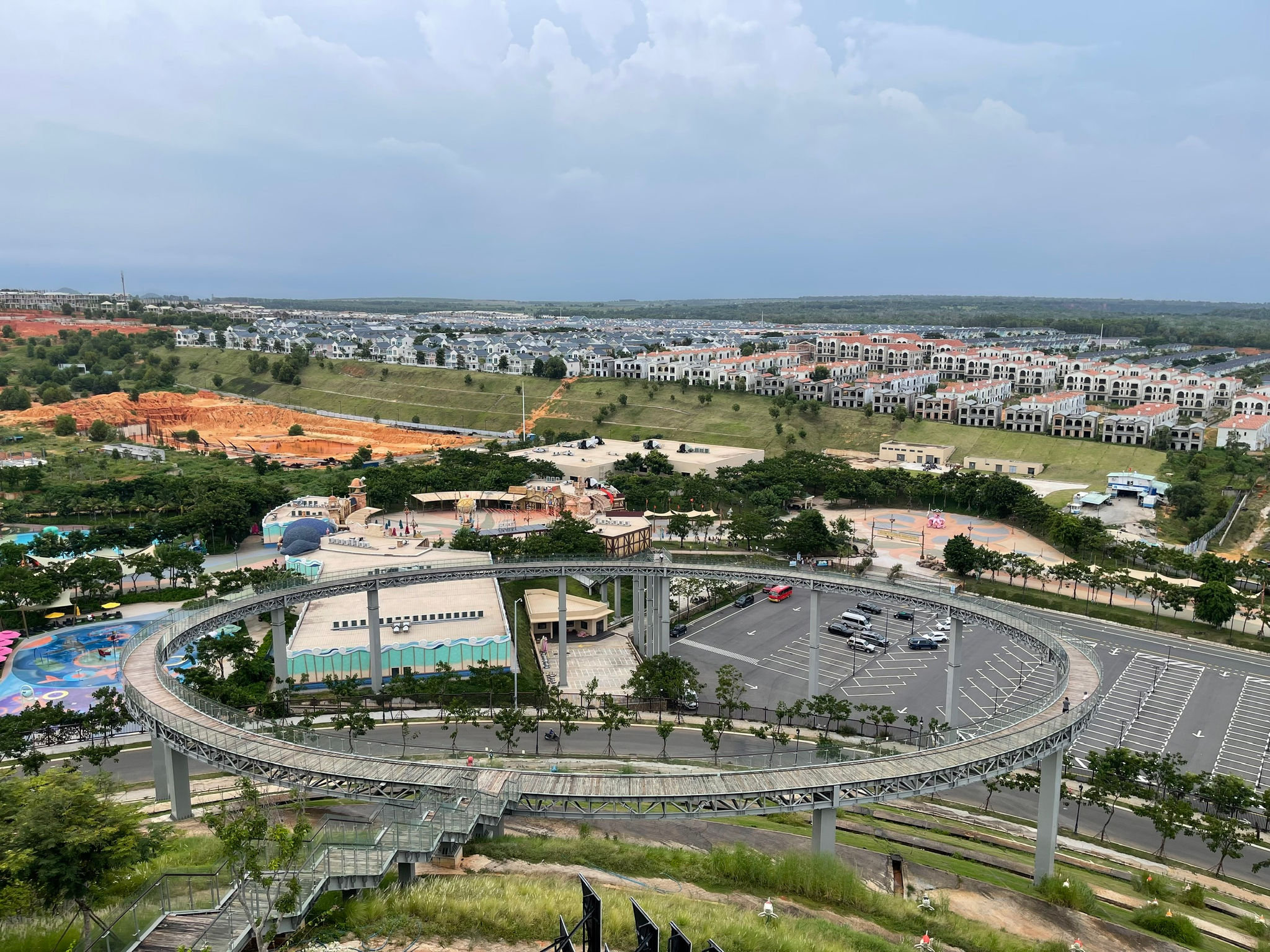
With its revised master plan, expanded development space and new growth drivers, Lam Dong is well positioned to strengthen regional connectivity, particularly with the Southern Key Economic Region.
However, turning vision into reality and accelerating the implementation of the provincial master plan will require more decisive and determined action.
This means taking a proactive and flexible approach to mobilizing resources, accelerating strategic infrastructure projects and building investor confidence through tangible developments and concrete results.