


Turning Maritime Potential into a Strategic Development Force
In Vietnam’s new development vision, General Secretary and State President To Lam has emphasized that the sea must be viewed as a strategic development space for the nation. For Lam Dong Province, this perspective carries particular significance, as the sea is not only a natural advantage but also a vital resource for driving growth and sustainable development.
More than a natural advantage, the sea is a strategic development space
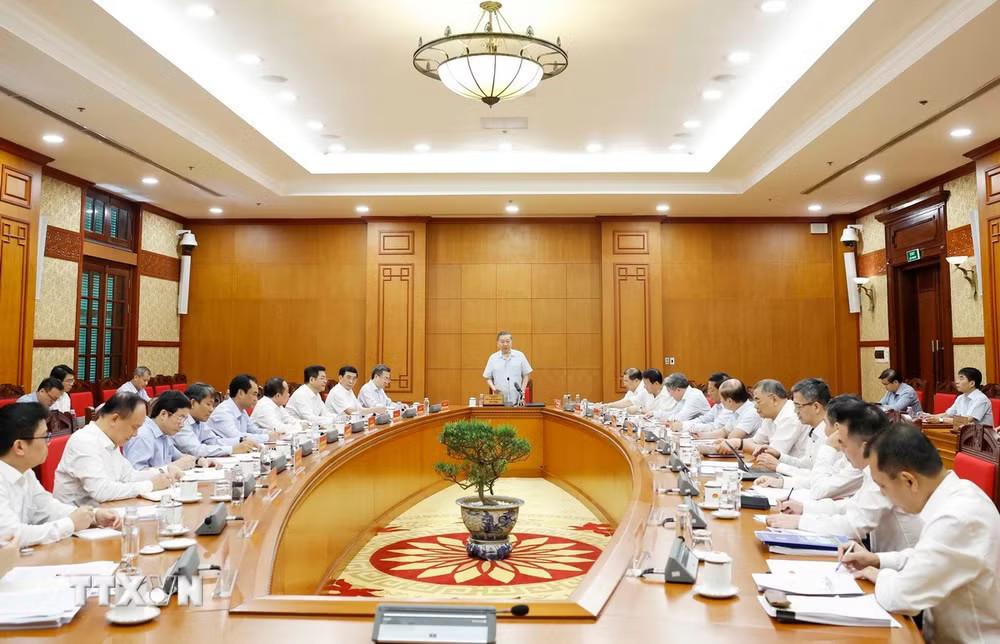
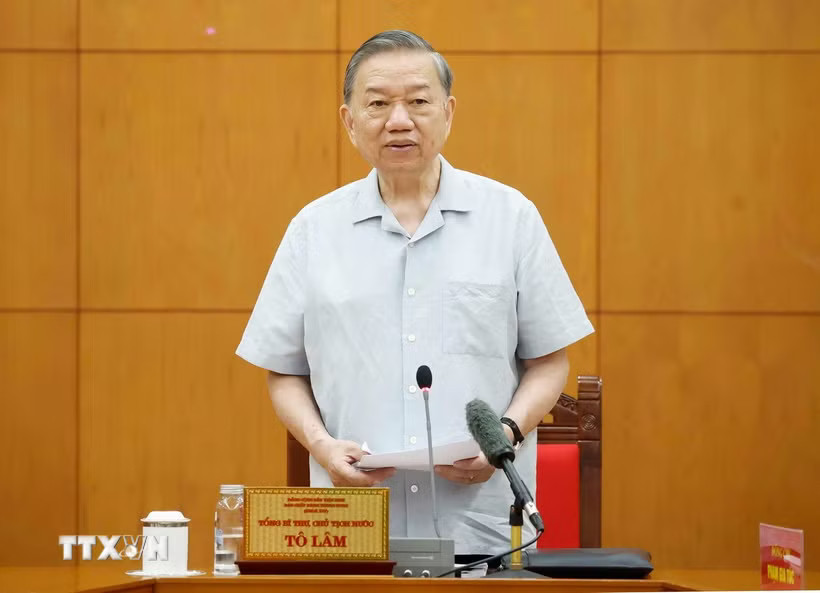
At a recent working session to review the implementation of Resolution No. 36-NQ/TW on Vietnam's Strategy for the Sustainable Development of the Marine Economy, General Secretary and State President To Lam underscored the need for a new vision and mindset toward maritime development in the years ahead.
Under this approach, the sea should no longer be viewed simply as a source of natural resources or a platform for individual economic sectors. Instead, it must be recognized as a strategic development space for the nation — one that brings together economic growth, national defense and security, science and technology, and international integration.
The shift reflects a long-term strategic reorientation that carries profound implications for Vietnam's future development, particularly for coastal provinces seeking to unlock new growth opportunities and strengthen their role in the national economy.
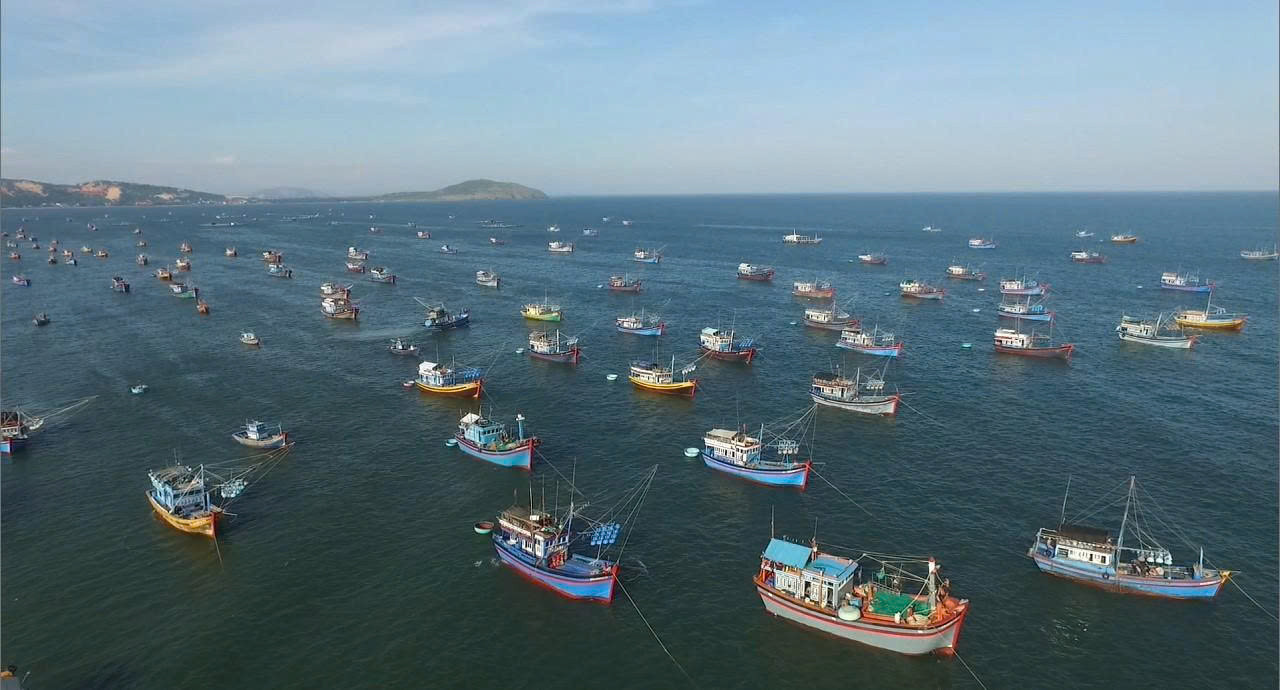
For Lam Dong, the concept is especially relevant. With a 192-kilometer coastline, more than 20,288 square kilometers of marine waters and one of Vietnam's three key fishing grounds, the province is uniquely positioned to harness the sea as a driver of growth across multiple sectors of the economy.
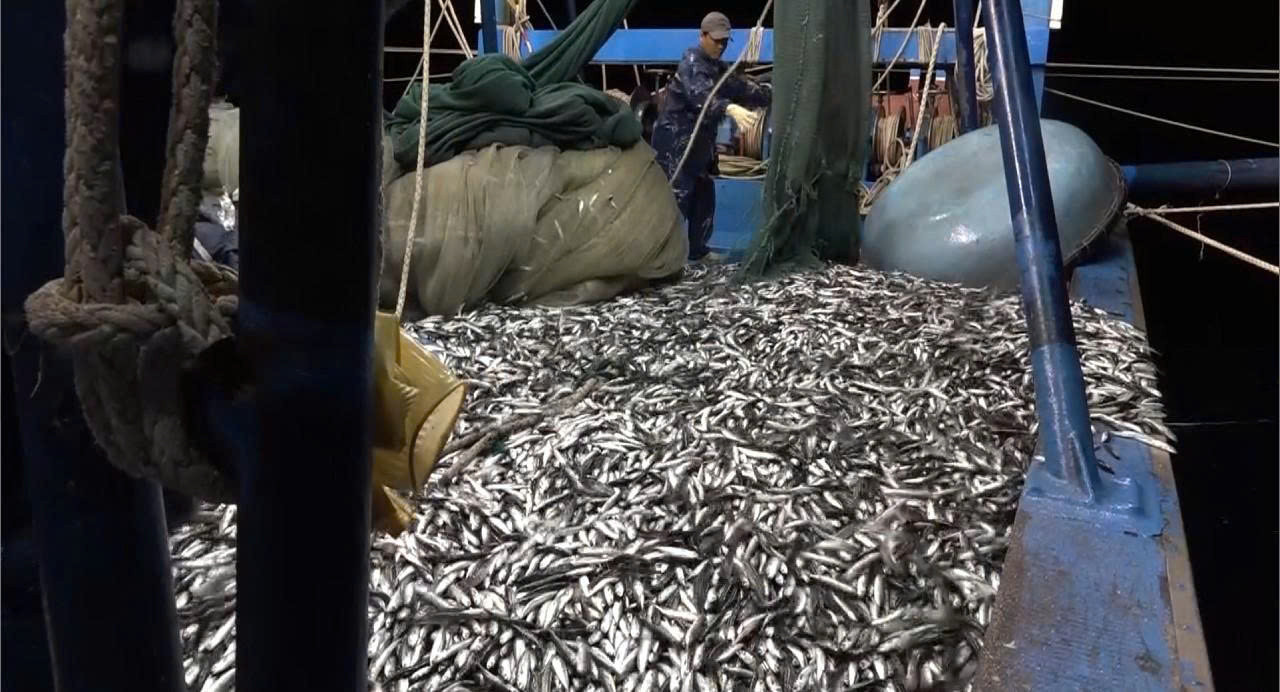
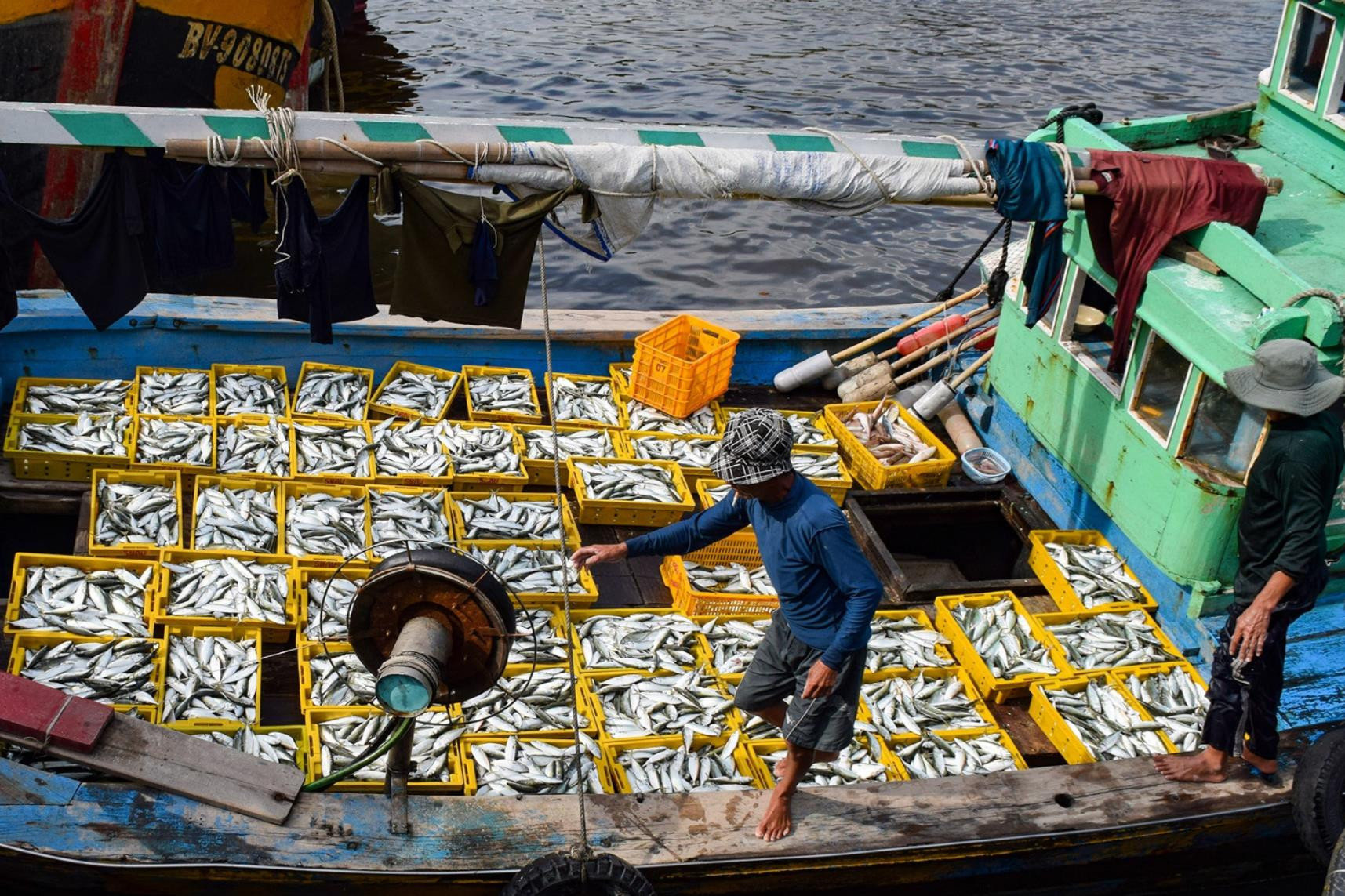
Over the years, Lam Dong's marine economy has recorded significant progress. Fisheries remain the cornerstone of the province's sea-based economy, with nearly 7,000 hectares dedicated to aquaculture and annual seafood catches consistently ranking among the top five nationwide.
In particular, the province's shrimp seed industry has grown rapidly, accounting for more than 25% of the national output.
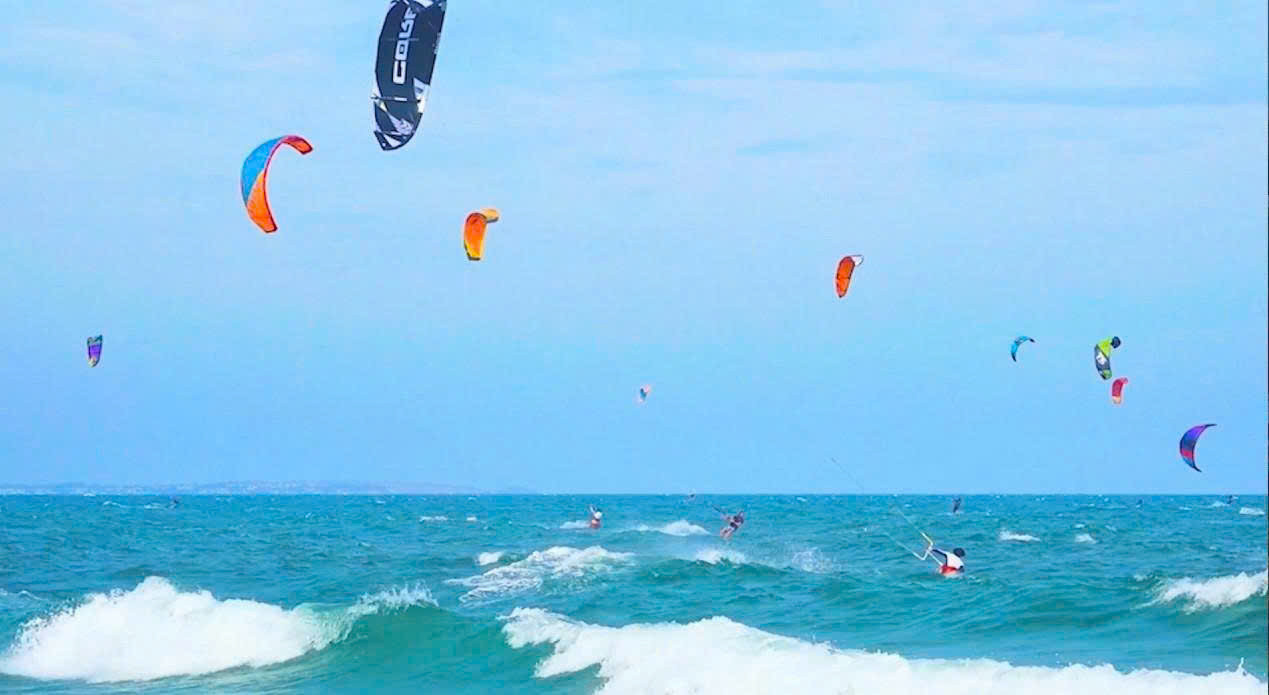
Meanwhile, coastal tourism continues to strengthen its position as a key economic sector. The Mui Ne National Tourism Area has become one of Vietnam's most recognized tourism brands, while the Phu Quy Special Zone is emerging as both an attractive destination and a strategic hub for the marine economic development, national defense and security.
However, as emphasized by General Secretary and State President To Lam, the challenge today is not simply to capitalize on existing advantages. The sea must be viewed as an integrated development space capable of generating new drivers of growth for local economies.
Unlocking new growth drivers from the sea
Reality has shown that potential only becomes a true resource when it is harnessed through innovative thinking and a long-term vision.
In its development strategy, Lam Dong has identified seafood harvesting, aquaculture and processing, along with renewable energy, as two of the six priority sectors of its marine economy. Both offer substantial room for growth and align closely with the global transition toward a greener economy.
In the fisheries sector, the goal is no longer merely to increase output. Greater emphasis is being placed on improving quality, creating higher value-added products and ensuring long-term sustainability.
Achieving these goals will require stronger investment in offshore fishing, high-tech aquaculture and seafood processing. It will also depend on building competitive seafood brands for both domestic and international markets.
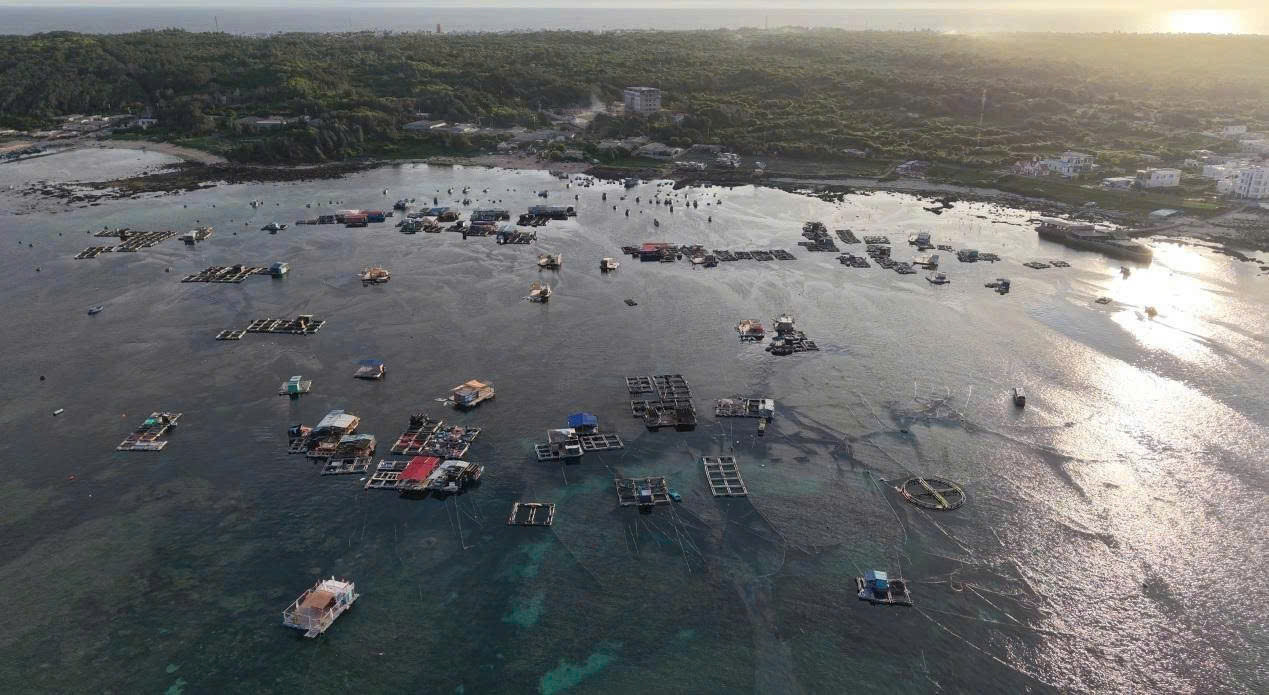
In tourism, the sea has become one of Lam Dong's strongest competitive advantages. With its diverse beaches, bays, islands and marine protected areas, together with the well-established Mui Ne-Phan Thiet brand - often referred to as Vietnam's "resort capital" - the province is well positioned to develop high-quality coastal tourism, luxury resorts, marine sports and ecotourism linked to environmental conservation.
Another promising sector is renewable energy. Lam Dong's sea is considered highly suitable for offshore wind power development, as well as other forms of marine energy, including wave, tidal and ocean-current energy.
As the global transition toward clean energy accelerates, these resources represent more than just an economic asset. They also provide an opportunity for Lam Dong to play a larger role in Vietnam's green growth strategy and sustainable development agenda.
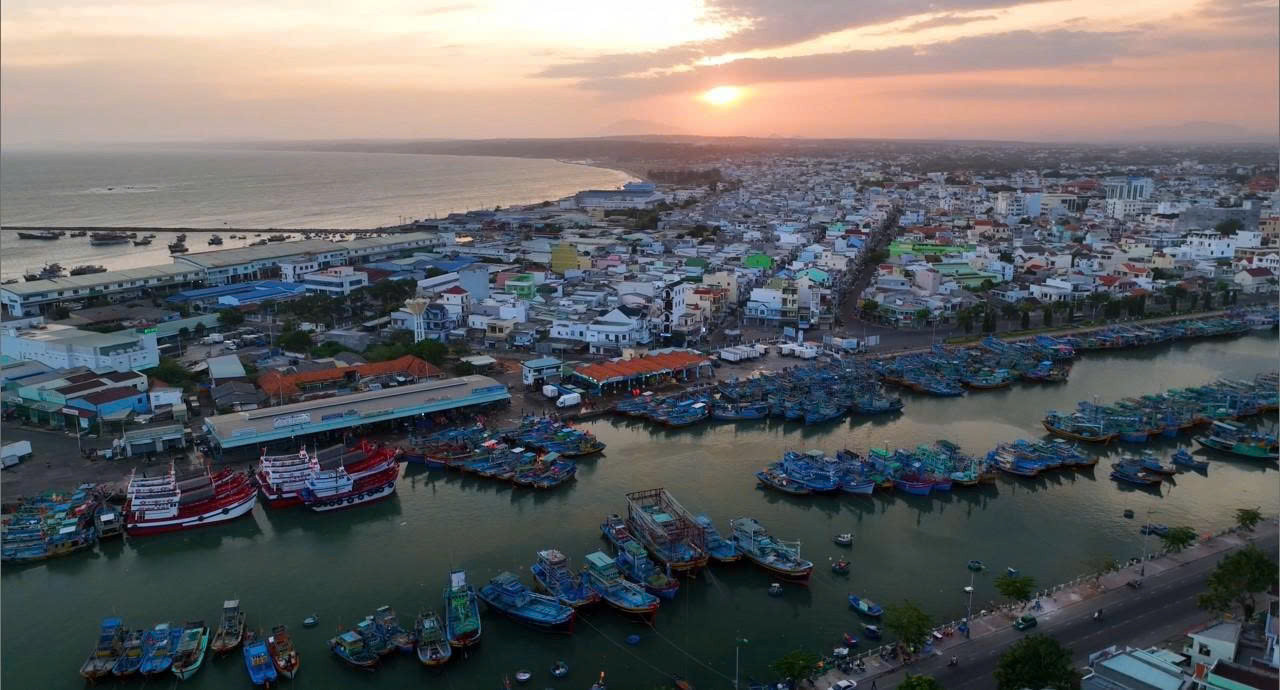
Meanwhile, continued investment in ports, logistics and coastal industrial infrastructure is creating new momentum for growth. Phan Thiet Port, Phu Quy Port and Vinh Tan International Port, along with several key infrastructure projects, are expected to support the emergence of major logistics centers, maritime transport services and energy-industrial hubs in the years ahead.
Advancing Marine Development Through Technology and Modern Governance
In particular, General Secretary and State President To Lam highlighted the importance of science and technology, innovation and digital transformation in shaping the future of marine development.
He emphasized the need to strengthen key areas such as national marine data systems, digital ocean mapping and the application of artificial intelligence in marine governance. He also called for the development of a modern, integrated and data-driven framework for ocean management, supported by marine spatial planning.
These priorities carry particular significance for Lam Dong as it enters a new phase of development and seeks to unlock the full potential of its marine economy.
To fully harness the potential of the marine economy, localities can no longer rely on traditional management approaches.
Instead, greater use of digital technologies is needed in fisheries management, marine environmental monitoring, coastal planning, resource management and disaster forecasting. Science and technology must play a central role in improving productivity, efficiency and competitiveness across marine industries.
At the same time, coastal development must be planned in a coordinated and sustainable manner to avoid fragmented growth and short-term exploitation.
General Secretary and State President To Lam also stressed that economic development must go hand in hand with safeguarding national interests at sea.
Under this approach, marine development strategies should not only support economic growth but also help protect Vietnam's sovereignty, sovereign rights and jurisdiction, while maintaining stability and strengthening maritime defense capabilities.
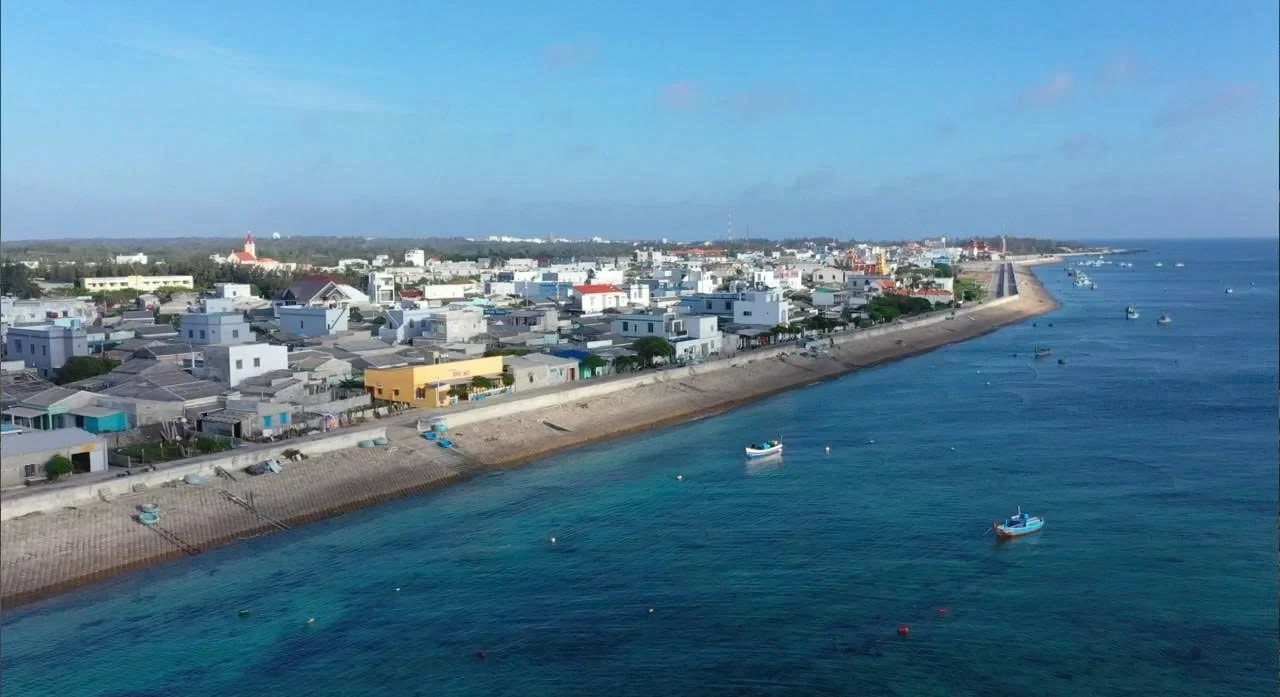
For Lam Dong, this approach is more than a development strategy. It is also an important political responsibility. Phu Quy Special Zone and the province's maritime area are both vital spaces for economic development and areas of strategic significance for national defense and security. As a result, marine economic development must go hand in hand with efforts to safeguard Vietnam's maritime sovereignty and maintain security at sea.
Seaports, offshore energy projects, fishing fleets operating in distant waters and thriving coastal communities do more than support economic growth. They also help strengthen Vietnam's presence and sovereignty in its maritime domain.
The sea is more than a natural advantage. It must become a strategic driver of Lam Dong's future development. Guided by the marine development vision outlined by General Secretary and State President To Lam, and supported by advances in science and technology, digital transformation and sustainable planning, the province is well positioned to unlock its marine potential and create new engines of growth in the years ahead.