


UNESCO Global Geopark: Lam Dong prepares for revalidation
Ahead of UNESCO's 2027 revalidation, Lam Dong is stepping up efforts to preserve its geopark heritage while ensuring each heritage site becomes a driver of sustainable development.
Continuing the heritage story
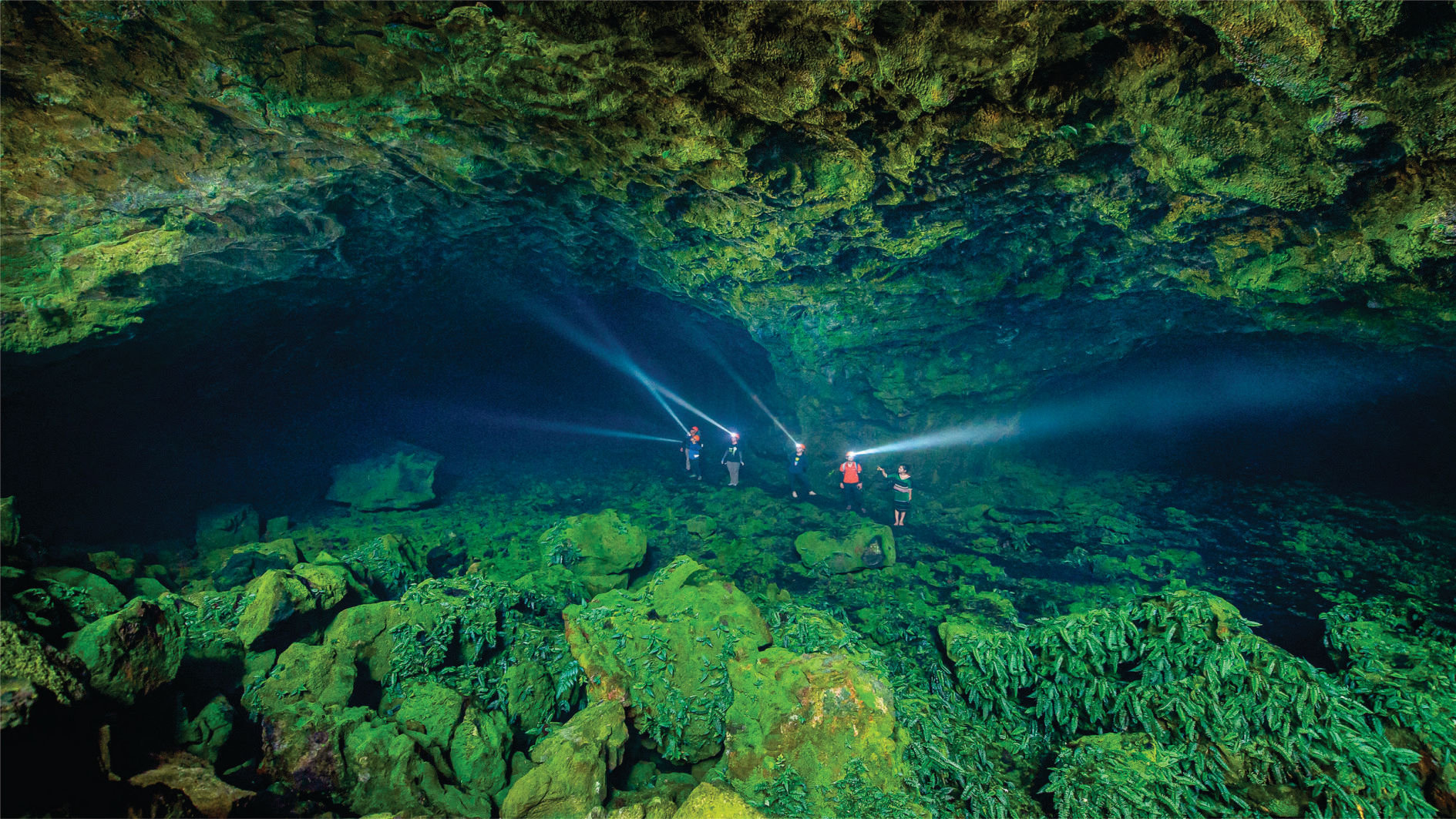
At dawn, mist drifts across Ta Dung Lake as islands gradually emerge against the deep green of the surrounding mountains. Farther away, the Krong No volcanic cave system, waterfalls, forests and villages of the M'nong, Ma and Ede communities preserve a way of life closely tied to nature. These distinctive values helped Dak Nong earn recognition as a UNESCO Global Geopark.
Since receiving UNESCO status, the geopark has undergone significant changes. Access to heritage sites has improved, attractions have been upgraded and new tourism products have gradually emerged.
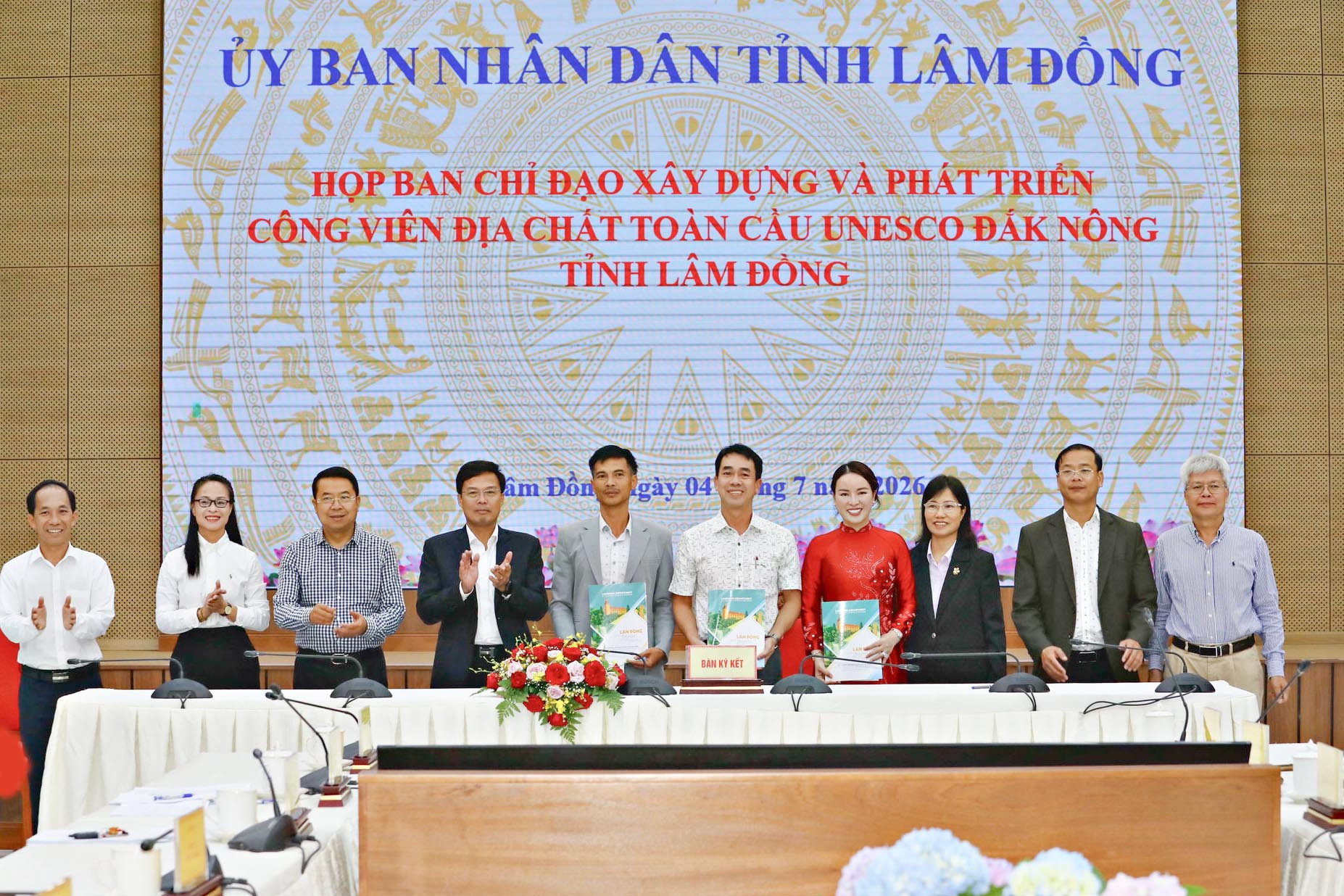
However, maintaining UNESCO's "Green Card" remains challenging. Vice Chairman of the Lam Dong Provincial People's Committee Dinh Van Tuan said conservation must both protect heritage sites and unlock their value for scientific research, education, tourism and local livelihoods.
The province is therefore reviewing protection zones, improving management mechanisms and promoting the responsible use of heritage resources.
Associate Professor Dr. Tran Tan Van, Chairman of the Vietnam UNESCO Global Geoparks Network, said geological heritage can only realize its full value when it is connected with history, culture and local communities. Beyond protecting landscapes, he stressed the importance of preserving traditional festivals, handicrafts and local cuisine while encouraging residents to participate in community-based tourism. When local people become stewards of their heritage, UNESCO-recognized values can be sustained over the long term.
Working together to retain the UNESCO Green Card
Covering about 4,760 square kilometers across 22 communes and wards in western Lam Dong Province, the UNESCO Global Geopark is home to nearly 50 volcanic caves formed in basalt - one of Southeast Asia's largest and most distinctive volcanic cave systems. The geopark also features waterfalls, natural lakes and the rich cultural heritage of the M'nong, Ma, Ede and other ethnic communities.
Following the 2023 revalidation, the UNESCO Global Geopark met only one of UNESCO's seven recommendation groups, with the remaining six requiring further improvements before the next evaluation in 2027.
A review of the geopark identified 49 heritage sites. Of these, 33 are operating but require upgrades, 11 have been prioritized for improvement ahead of the revalidation, and five additional sites have been identified for further research and possible inclusion in the geopark network.
In recent months, Lam Dong has accelerated efforts to address UNESCO's recommendations by upgrading infrastructure, expanding digital promotion, developing experiential tourism products and strengthening links between heritage conservation and tourism development.
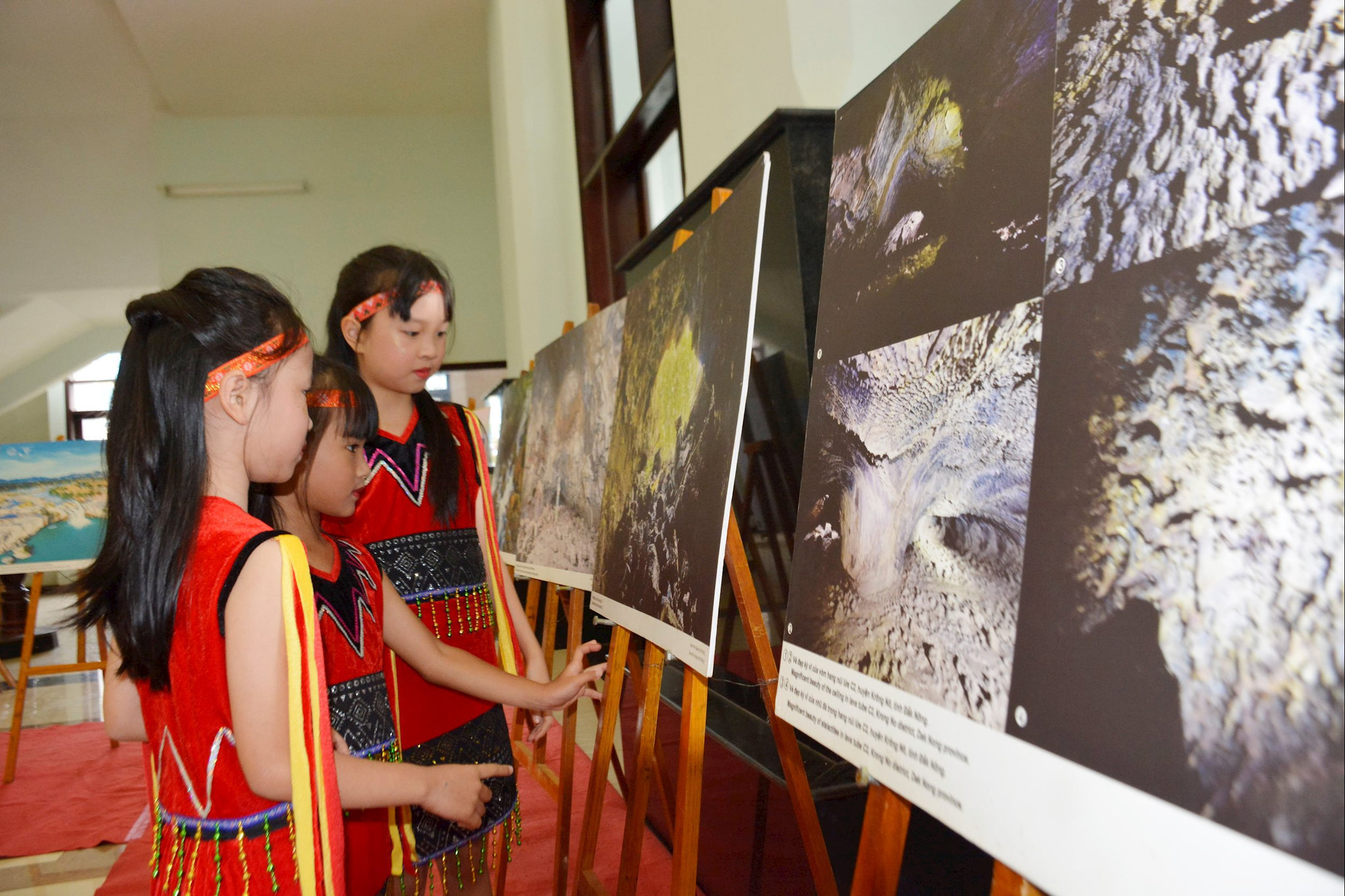
The province is also introducing the UNESCO Global Geopark into school activities through hands-on learning, helping students better understand their local heritage and encouraging conservation from an early age. "When heritage is managed sustainably, each site can become both a tourism destination and a source of livelihoods for local communities," the provincial vice chairman said.

Retaining UNESCO's "Green Card" is about more than preserving a title. It is a commitment to safeguarding the province's natural and cultural heritage for future generations while supporting Lam Dong's vision of sustainable, green development.