


Unlocking the “Mushroom Treasure” of Bidoup – Nui Ba National Park
Deep within the pristine forests of Bidoup – Nui Ba National Park, clusters of wild mushrooms emerge from moist forest soil. Beneath the dense canopy lies a remarkable biological treasure—dozens of edible and medicinal mushroom species with significant ecological and economic value.
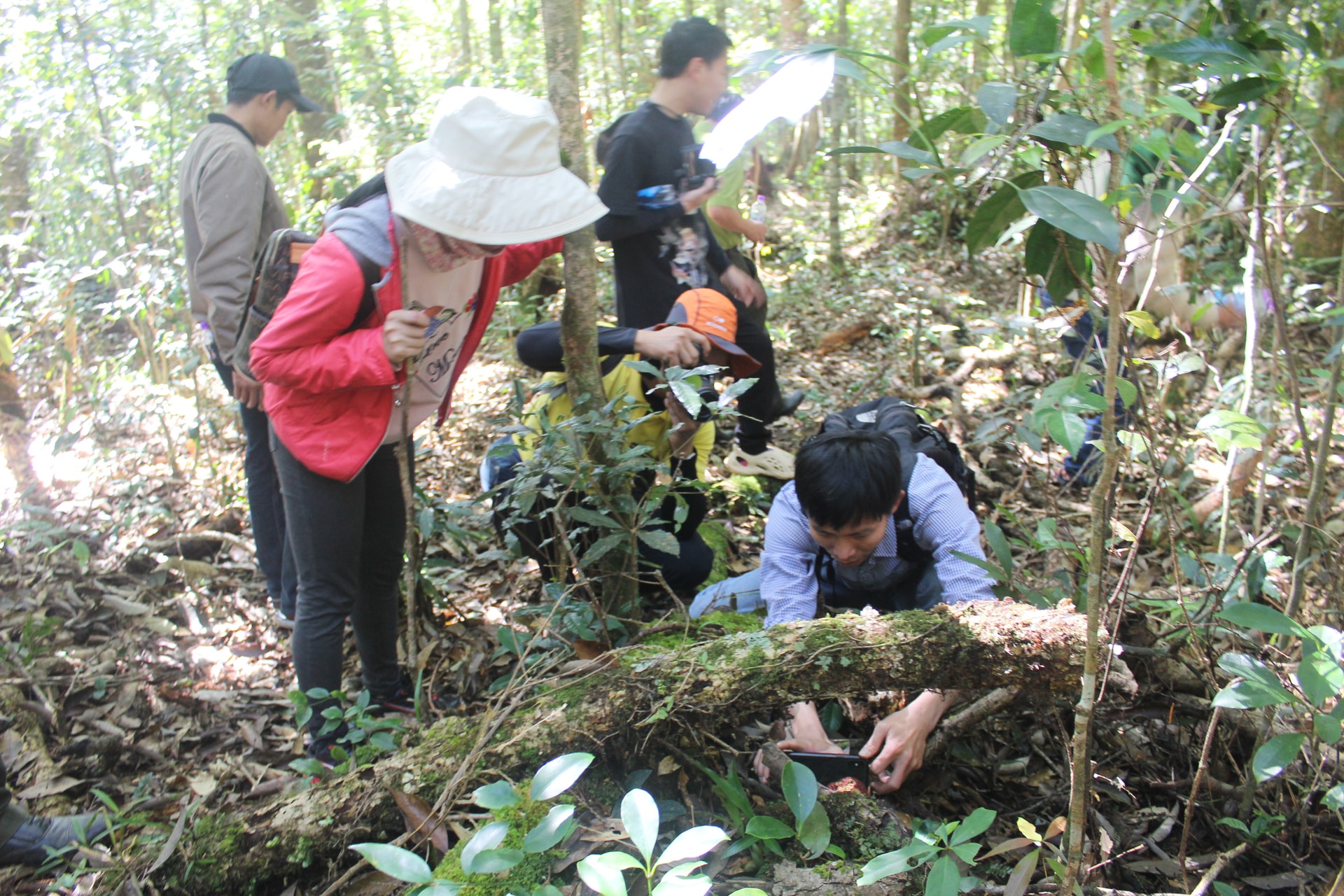
Searching for Rare Mushroom Species
Over nearly three years, scientists conducted field surveys across 10 research routes, trekking through dense forests and streams to collect mushroom samples. Their work documented 96 edible and medicinal mushroom species belonging to 27 families, highlighting the extraordinary biodiversity of the area.
According to Le Viet Ngoc from Da Lat University, who led the research project, mushroom species in the forest appear in many forms.
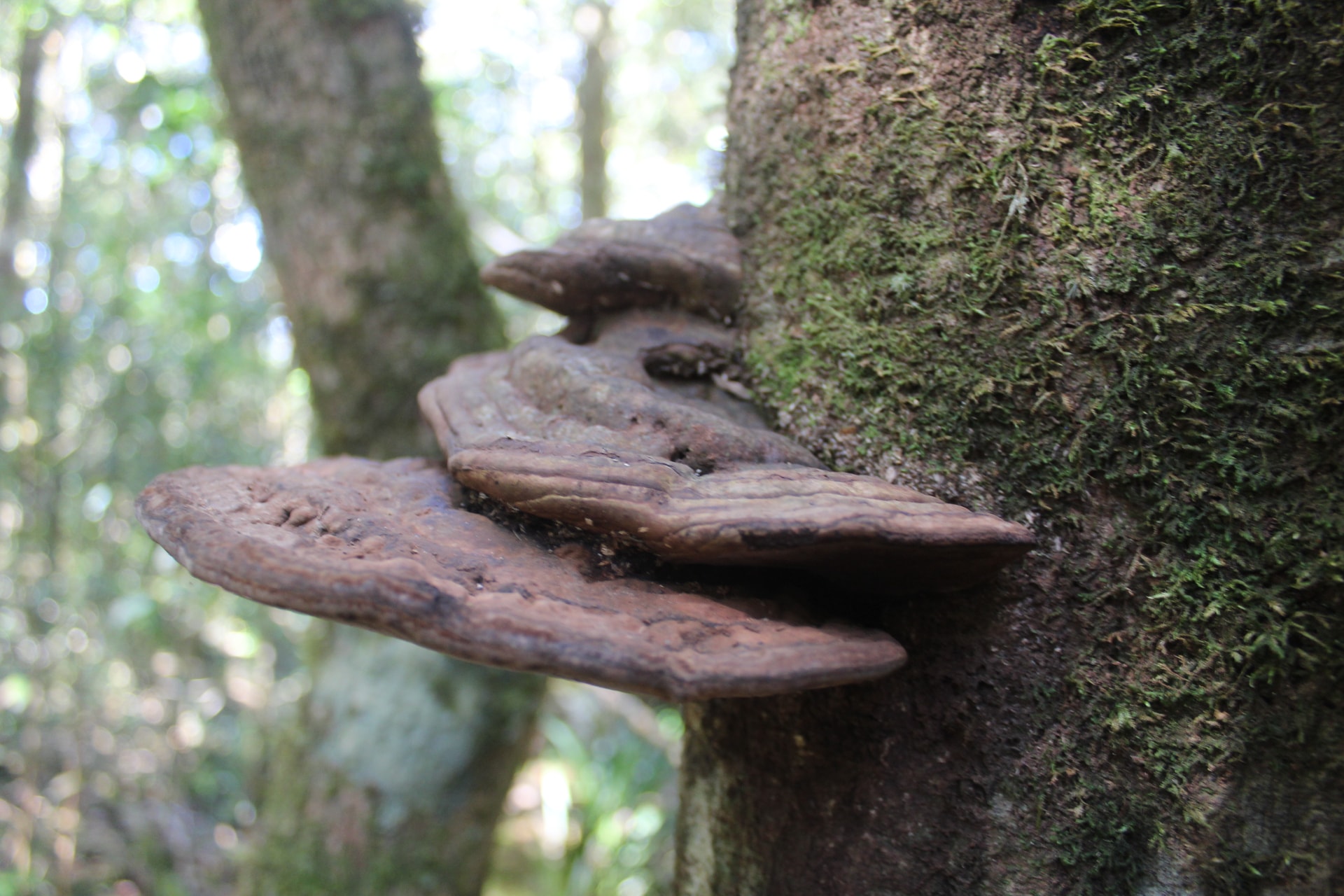
Some are tiny and emerge only for a few days after rain before disappearing, while others grow large and firmly attach to tree trunks, their caps expanding over time and gradually becoming woody. Some species grow on trees, others on the forest floor, and some remain hidden beneath thick layers of fallen leaves.
Among the recorded species are several valuable medicinal mushrooms such as Amauroderma, Ganoderma, Humphreya, and Tomophagus—often collectively referred to by locals as wild lingzhi mushrooms. These species possess high medicinal value and strong market demand but are increasingly threatened by overharvesting in the wild.
Without timely conservation and propagation efforts, scientists warn that many of these valuable species could face depletion in the near future.
Beyond their pharmaceutical potential, many Bidoup mushrooms could also become local specialty products, contributing to sustainable livelihoods for communities living in the park’s buffer zones. As a result, the research aims not only to document species diversity but also to conserve genetic resources and develop cultivation models for native mushrooms.
From Laboratory Research to Production Models
After collecting samples in the wild, researchers isolated and preserved mushroom strains in laboratory conditions. Using modern methods—including anatomical analysis, gene sequencing, and molecular biology techniques—the team successfully identified individual species.
The project isolated 16 native mushroom strains, including promising varieties such as Hon Giao wood ear mushroom, K’long – K’lanh grey oyster mushroom, Da Lat lingzhi, red-extract black lingzhi, cinnamon lingzhi, black termite mushroom, and Cong Troi lion’s mane mushroom.
From these strains, scientists developed seven complete cultivation protocols, covering every stage of mushroom production—from strain isolation and spawn multiplication to substrate preparation, sterilization, inoculation, cultivation, fruiting care, harvesting, and product preservation.
The ultimate goal is to transform rare wild mushrooms into sustainably cultivated products, simultaneously protecting genetic resources while creating new income opportunities for local communities.
Toward Sustainable Economic Development
The research project has already established three cultivation models for Da Lat lingzhi mushrooms—one inside Bidoup – Nui Ba National Park and two operated by local households.
These pilot models allow residents to learn cultivation techniques, better understand the value of local mushroom resources, and gradually shift from wild harvesting to sustainable cultivation. This approach aligns closely with the region’s broader strategy to develop an ecological and conservation-based economies.
According to Le Xuan Tham, Chairman of the scientific evaluation council, native mushroom species could become signature products of Lam Dong Province if developed through a complete value chain—from breeding and cultivation to processing and commercialization.
In addition to production research, the project also created a scientific specimen collection containing 128 mushroom samples and compiled a mushroom atlas documenting 96 edible and medicinal species found in Bidoup – Nui Ba National Park. These materials will serve as valuable references for scientific research, biodiversity conservation, and education.
Faced with the rapid decline of wild mushroom species, the project—initiated by the Lam Dong Department of Science and Technology—aims to preserve genetic resources, protect biodiversity, and unlock the long-term economic potential of this unique natural resource.