


Unlocking tourism potential from Dak Nong Geopark
Dak Nong UNESCO Global Geopark boasts distinctive geological, archaeological, natural and indigenous cultural values, giving Lam Dong an opportunity to expand its tourism landscape and offer visitors a more complete experience of the Central Highlands’ nature, culture and people.
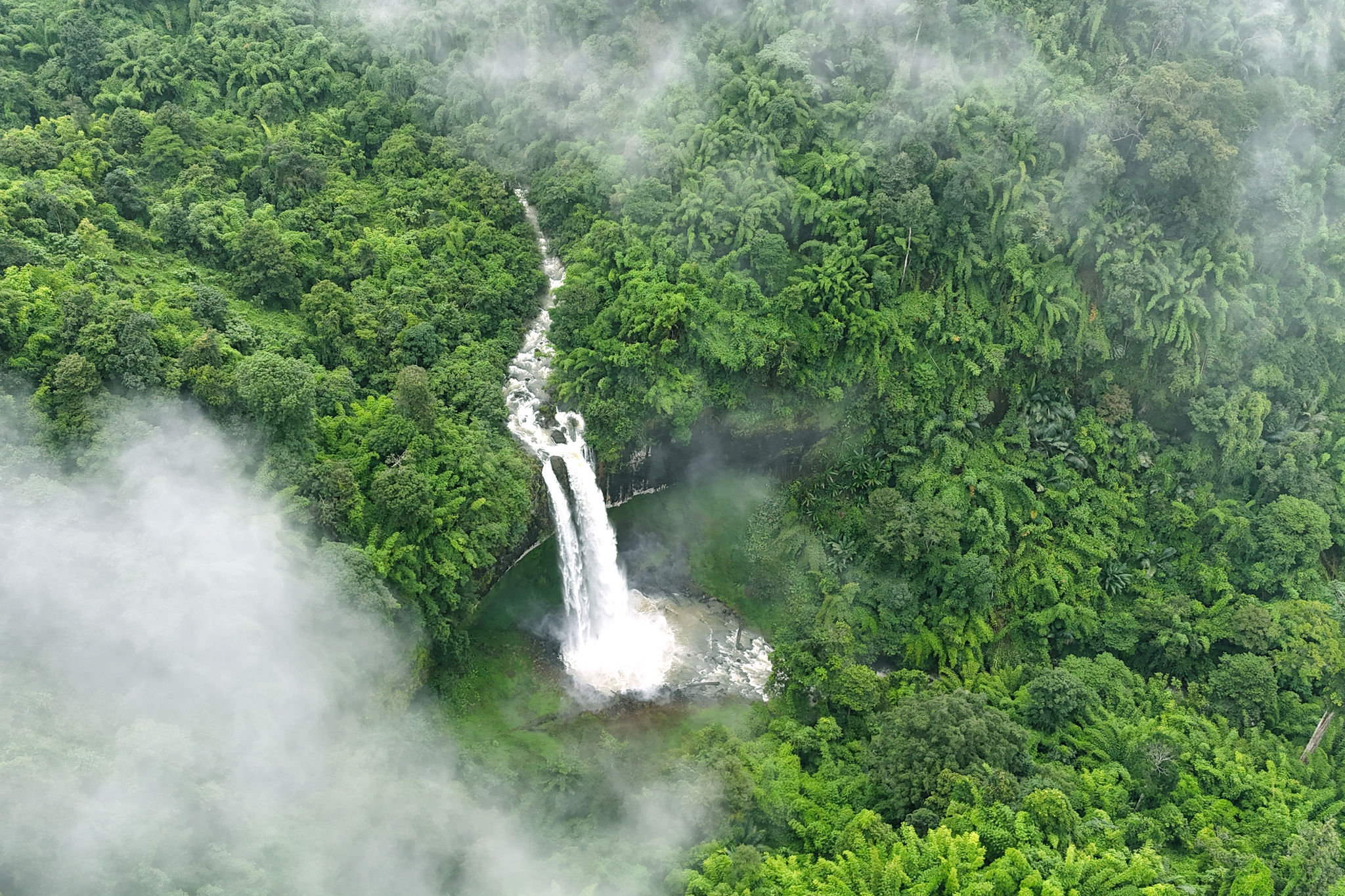
Tourism potential in the land of volcanoes
Hidden amid the basalt forests of western Lam Dong, the volcanic cave system is not only a rare geological wonder but also an area rich in natural, historical, archaeological and cultural heritage.
For generations, the caves have been closely connected with the lives of indigenous communities and are associated with numerous local legends. These stories add to the mystery and cultural depth of the volcanic landscape.
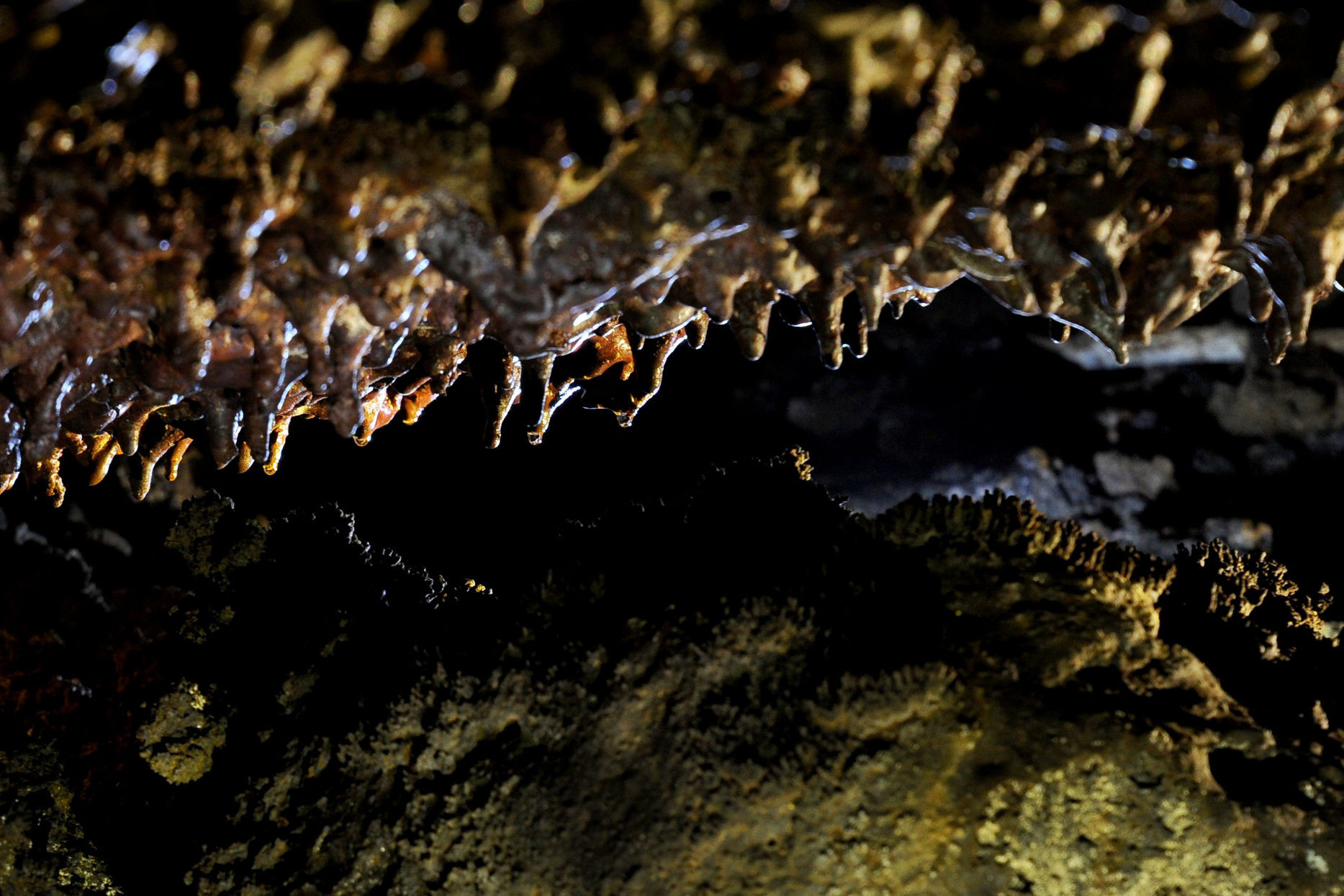
The volcanic caves also form a valuable natural geological museum. According to scientists, the area was shaped by tectonic fault activity, which generated basalt lava flows and created its distinctive cave systems.
Each cave has unique features in terms of length, structure, traces of ancient lava flows, stalactites and landforms, offering insights into millions of years of geological evolution. Among them, C7, a lava tube, stands out as the longest known volcanic cave of its kind in Southeast Asia.
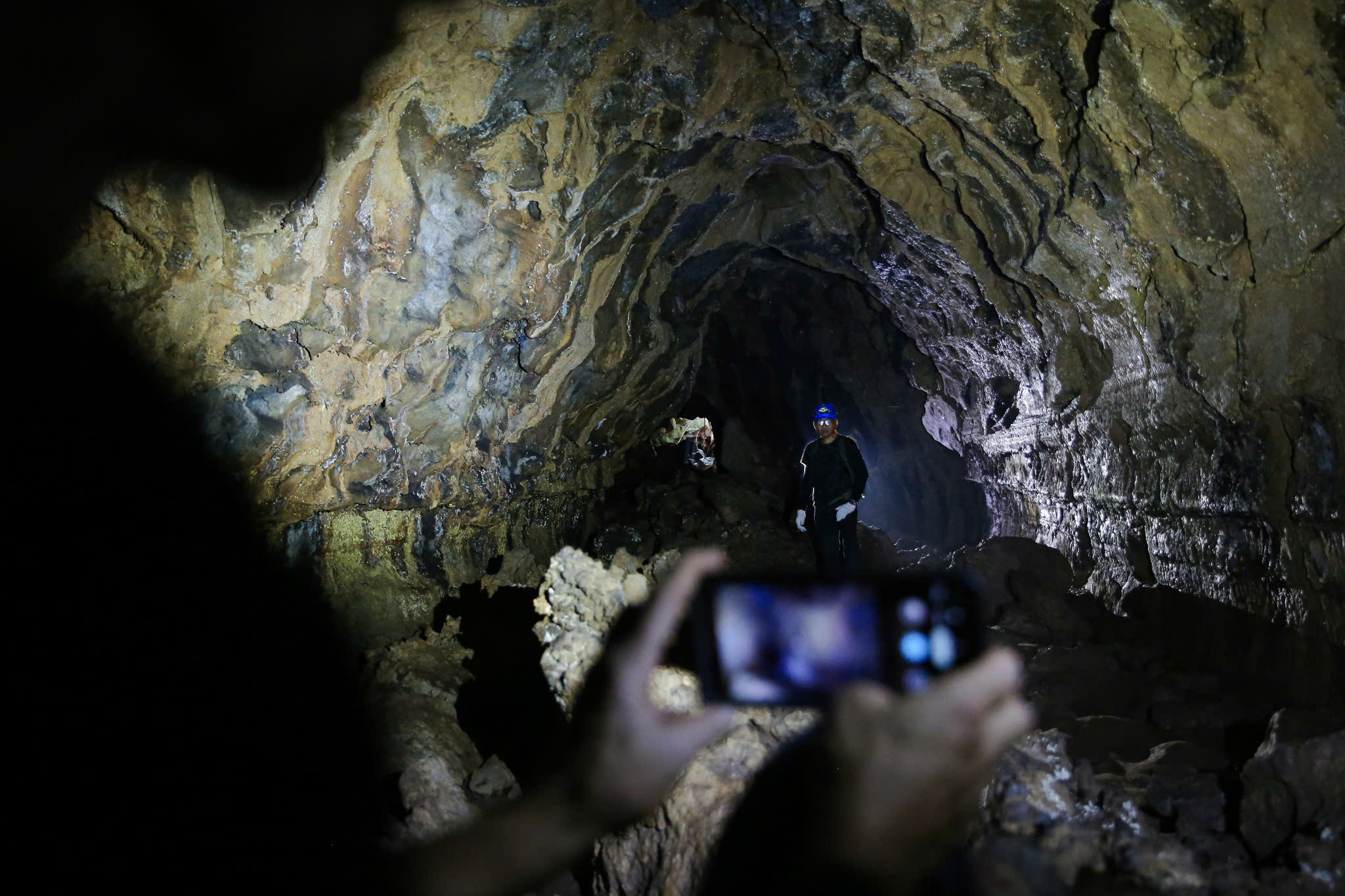
The cave features a vast interior with three geomorphological levels, naturally stacked basalt formations, mineral deposits and soaring ceilings that create a spectacular landscape.
During surveys, scientists also discovered important archaeological remains, notably prehistoric human remains dating back around 6,000 - 7,000 years and associated with the Hoa Binh culture.
The discovery is considered globally significant, as evidence of prehistoric human habitation within volcanic cave systems is extremely rare. It has opened new avenues of research into how ancient humans adapted to and survived in volcanic environments.
A compelling journey on the tourism map
Local legends, together with the area's geological and archaeological heritage, have shaped the distinctive identity of Dak Nong UNESCO Global Geopark, the only UNESCO Global Geopark in the Central Highlands.
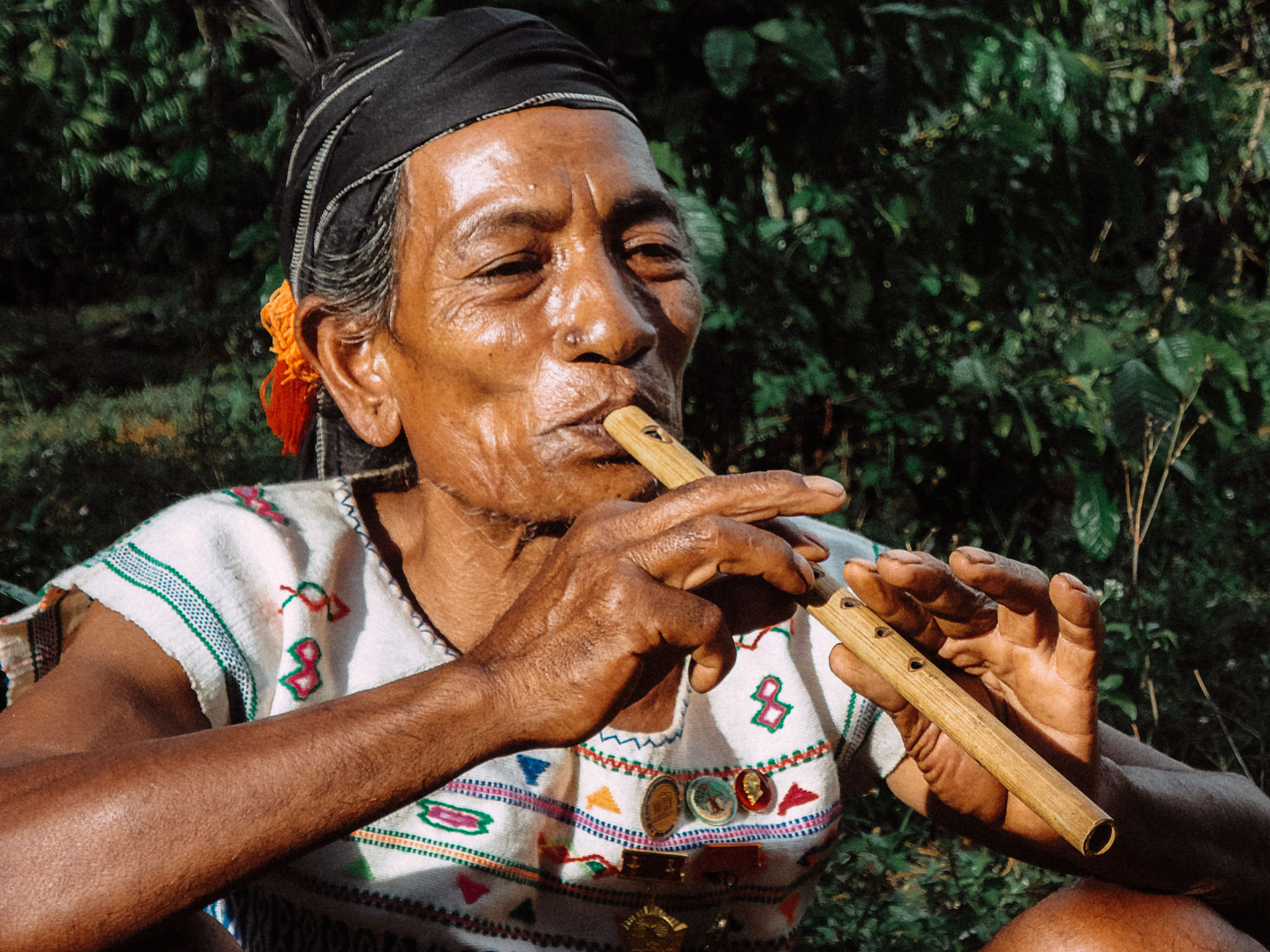
Beyond its geological heritage, Lam Dong has been developing the geopark as an immersive tourism destination, where visitors can experience the nature, culture and people of the Central Highlands.
One key direction is to develop Dak Nong UNESCO Global Geopark as the “Land of Sounds”, where the sounds of nature and local communities come together to create a distinctive cultural experience.
The region is also home to a rich history and diverse cultural heritage shared by many ethnic communities. Traditional celebrations such as water-source worship ceremonies, new rice festivals and gong festivals of the Ma, M'nong and Ede peoples continue to be preserved, providing culturally distinctive experiences for visitors.
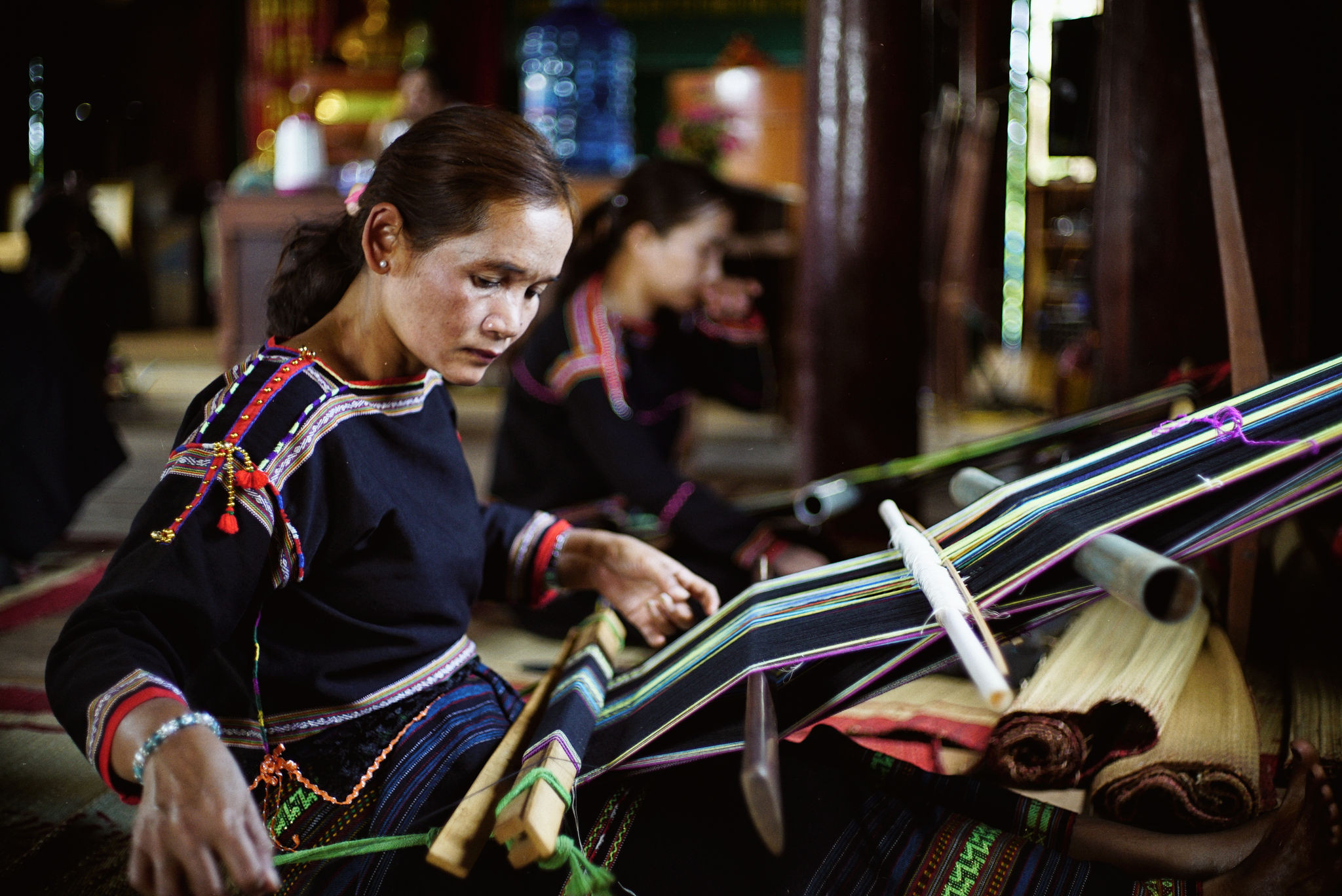
Traditional crafts such as brocade weaving and ruou can making, together with distinctive local customs, offer visitors an authentic insight into indigenous cultural life.
Notably, the Ot N'Drong epic and the Nau M'Pring folk performing art of the M'nong people have been recognised as national intangible cultural heritage, further enriching the visitor experience.
Turning heritage into a driver of development
To turn heritage values into tangible development opportunities, Lam Dong has introduced a range of support policies.
Local residents receive vocational training and support for production models, homestays and tourism products, while tourism infrastructure and services are gradually being improved to enhance visitor experiences and create sustainable livelihoods.
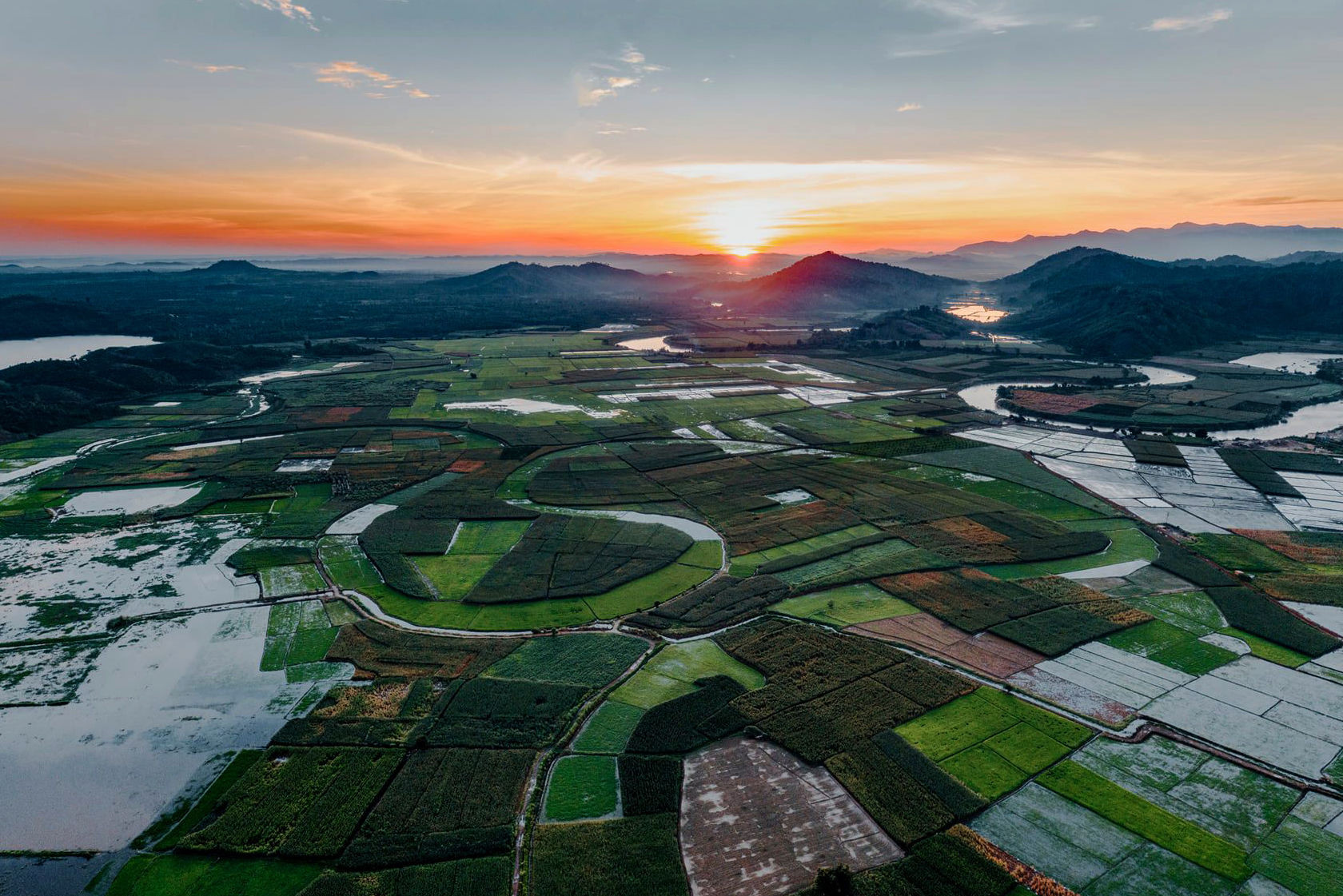
Notably, three tourism routes within Dak Nong UNESCO Global Geopark have been designed around different themes, connecting 13 geological heritage sites, 10 tangible cultural heritage sites, six natural heritage sites, three intangible cultural heritage elements, and various community-based destinations.
Each journey offers a distinctive cultural experience where nature and local communities come together to showcase the unique character of western Lam Dong.
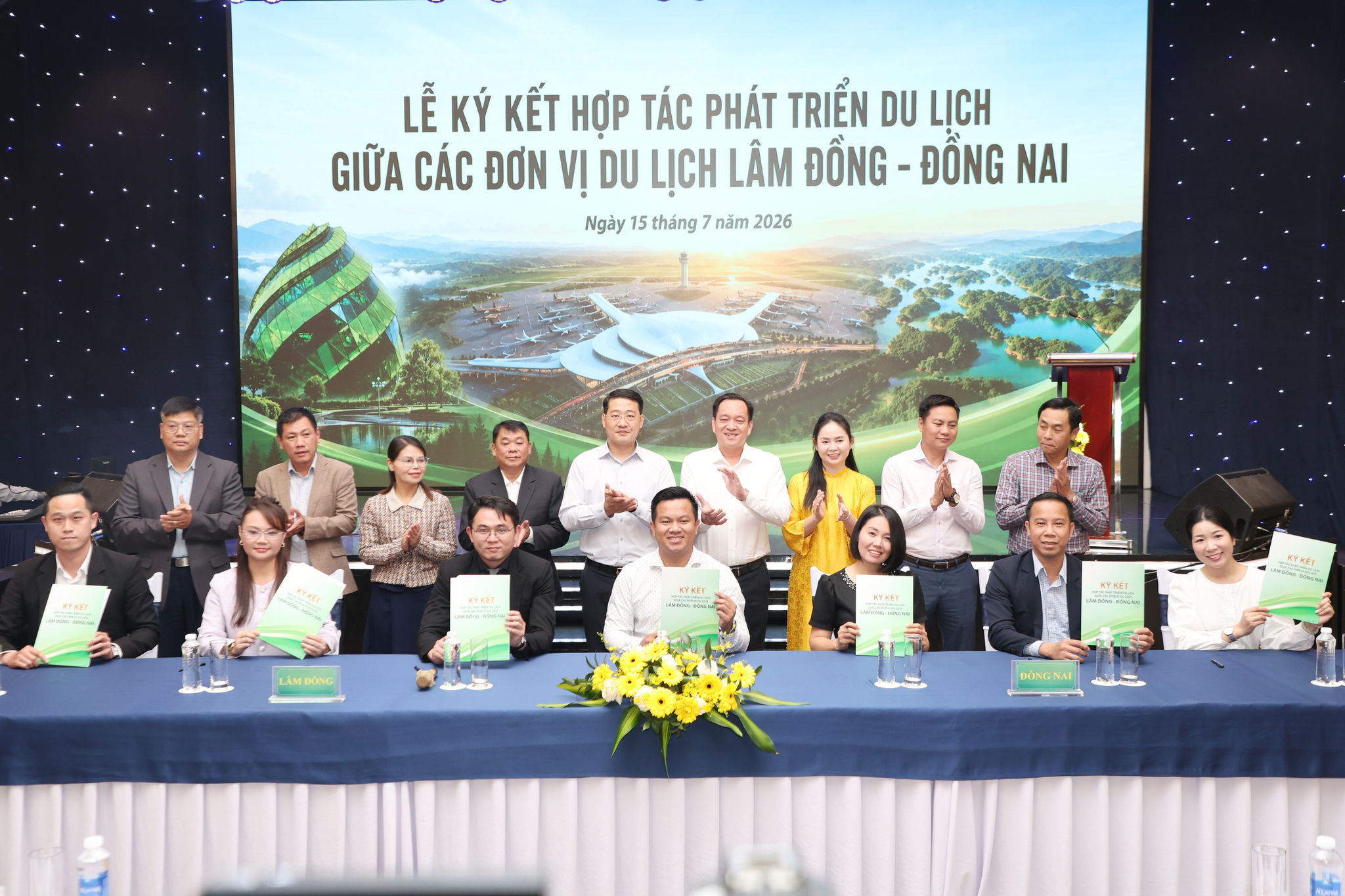
Alongside efforts to harness local strengths, the province is expanding cooperation within the UNESCO Global Geoparks Network to exchange experiences and improve the conservation and promotion of its heritage.
With its outstanding geological and geomorphological features, biodiversity and indigenous culture, Dak Nong UNESCO Global Geopark is gradually establishing itself as a destination for geotourism, experiential tourism and cultural tourism, bringing the distinctive image of the M'nong Plateau closer to domestic and international visitors.