


Value-Added Agriculture: Why Not?
Farmstay experiences and agricultural tourism are emerging as promising strategies for farm owners to increase the value of agricultural products, strengthen supply chain competitiveness, and build a more sustainable agricultural economy.
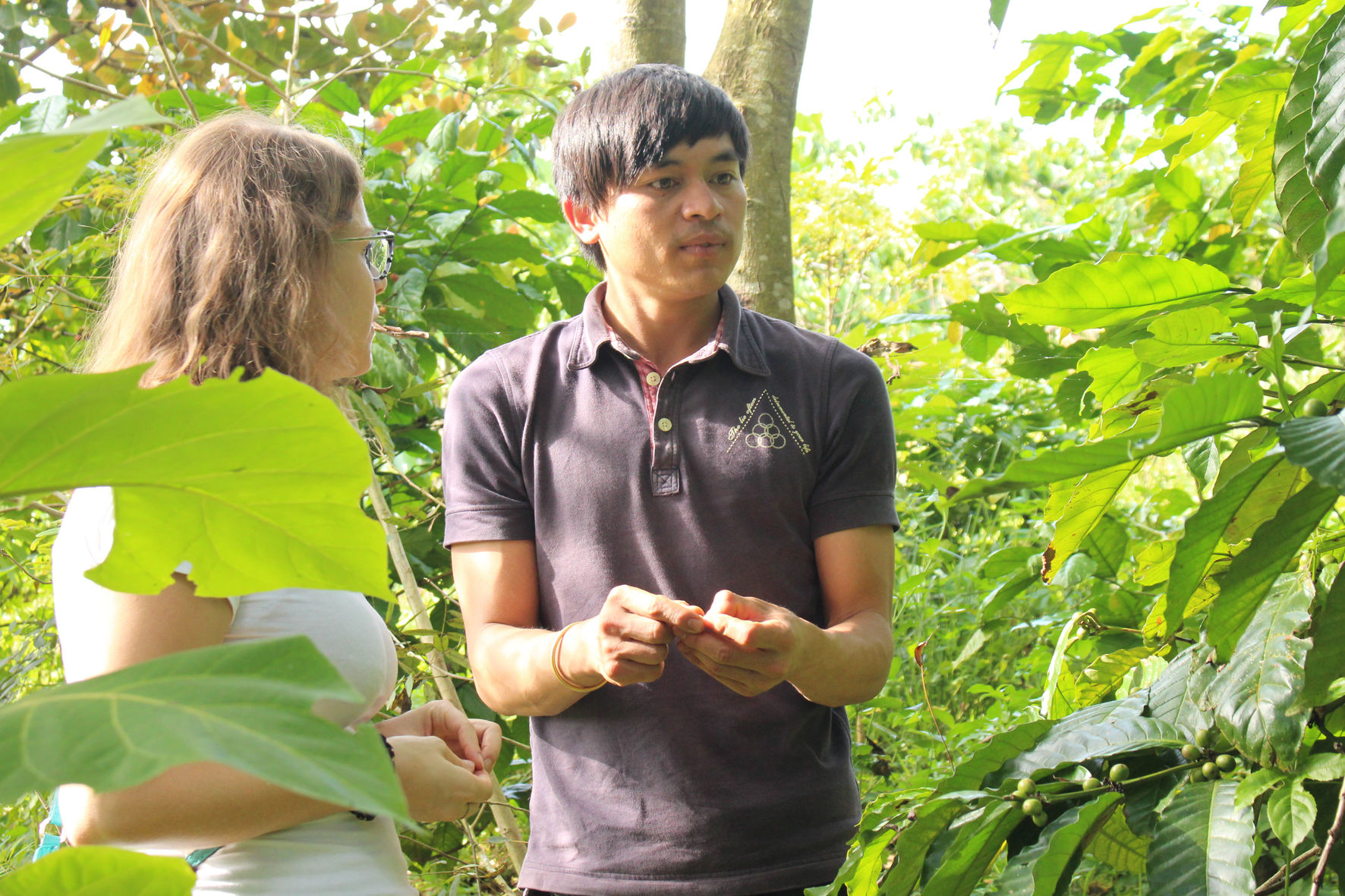
“We can see avocados merely as agricultural commodities, which means their value will consistently be constrained by market prices. The price of avocados per kilogram fluctuates according to supply and demand. However, when agriculture merges with tourism, avocados become products with multiple values. Agricultural tourism enriches this value through narratives—the stories of the land, the farmers, local culture, and traditional knowledge. Rather than offering avocados merely as commodities, we offer visitors the knowledge and experiences linked to them,” remarked Tran Van Nam, who owns an avocado farm in Bao Lam 3 Commune, as he described how tourism can add value to agricultural products.
According to Nam, the development of agricultural tourism through a well-coordinated national plan that showcases the distinct strengths of each region and forges strong connections among OCOP products, accommodation, logistics, and visitor experiences could foster local economic development, preserve and honor indigenous culture, enhance the worth of agricultural products, and safeguard rural ecosystems.
“An avocado remains simply an avocado,” he noted, “but when visitors harvest it themselves, listen to the farmer discuss how avocado farming has adapted to local conditions, gain insights into the growing process from planting to harvest, and savor the fruit right in the orchard, it transforms into something far beyond an agricultural product—it evolves into a cultural product imbued with agricultural knowledge.”
In a similar vein, Nguyen Manh Hung, who runs a tea farm in Ward 2 Bao Loc, stated, “Visitors can truly grasp how even minor modifications in production methods can greatly influence the quality of the final tea by going through the complete tea-making process themselves. This illustrates the real worth of agricultural tourism—it offers genuine experiences instead of merely selling agricultural products.”
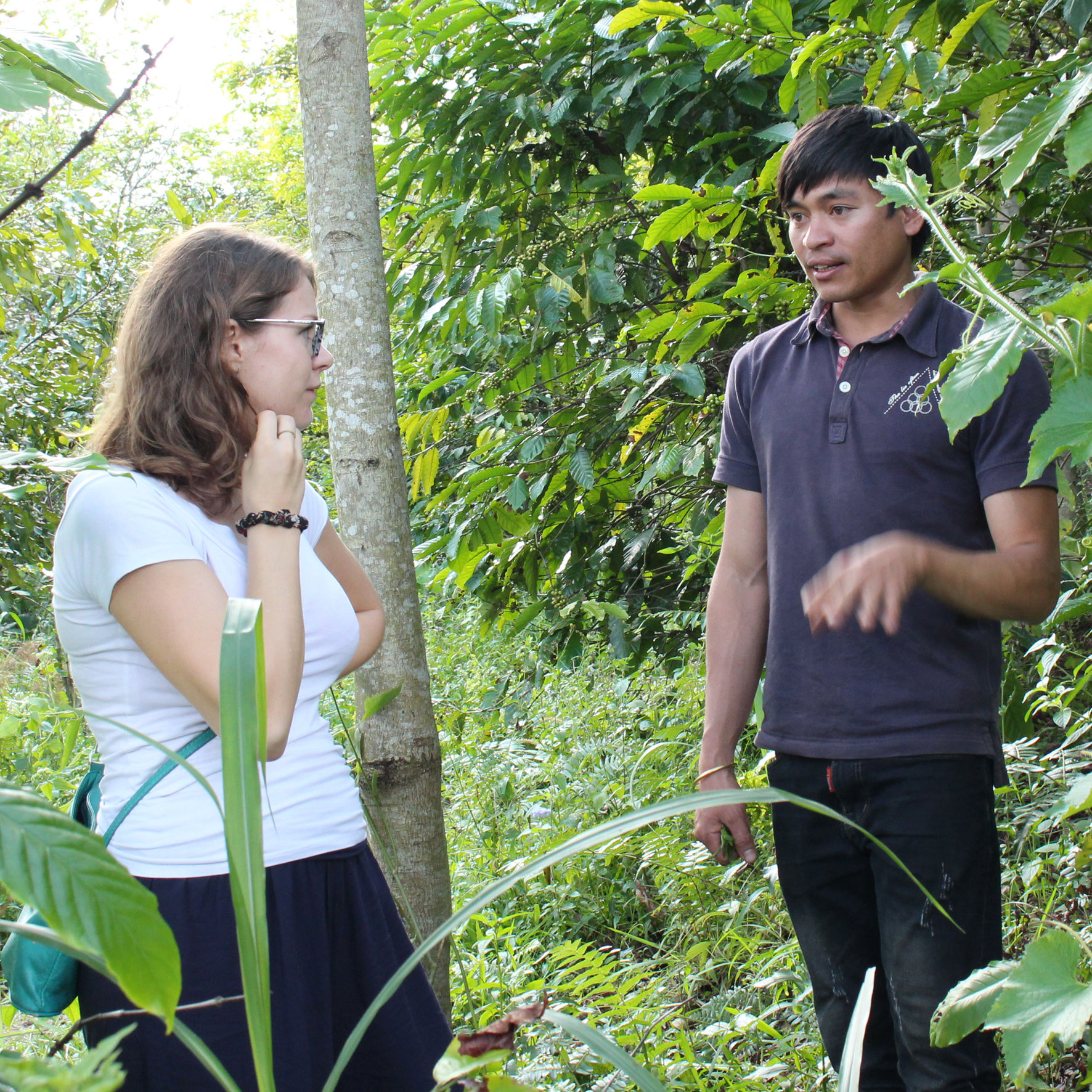
Based on his experience with a farmstay, Phan Thanh Nhan, the owner of Avocado Farm in Quang Lap Commune, noted: “From my observations of international farmstay models, farmstay experiences typically accommodate small groups—approximately 20 guests per session. This restriction on the number of visitors enables the farm owner to personally guide guests throughout the experience, fostering a more genuine and impactful connection with the farm.”
According to Nguyen Thi Tu Phuong, a visitor from Ho Chi Minh City, agricultural tourism undoubtedly enhances rural economies, boosts the value of farm products, and improves the livelihoods of farmers. Nonetheless, its most significant benefit lies in the development of people living in these communities.
“Agricultural tourism isn’t simply about transforming rural areas into just another photo opportunity,” she explained. “It focuses on empowering farmers to improve their livelihoods on their own land while providing guests with the opportunity to authentically engage with the region’s distinctive landscapes, culture, and people who create new value from the land every day.”