


Value chain linkages boost agricultural competitiveness in Lam Dong
In recent years, Lam Dong’s agricultural sector has accelerated the development of value chain linkages, connecting production, processing and distribution to enhance product quality and farmer incomes.
From smallholder farming to structured value chains
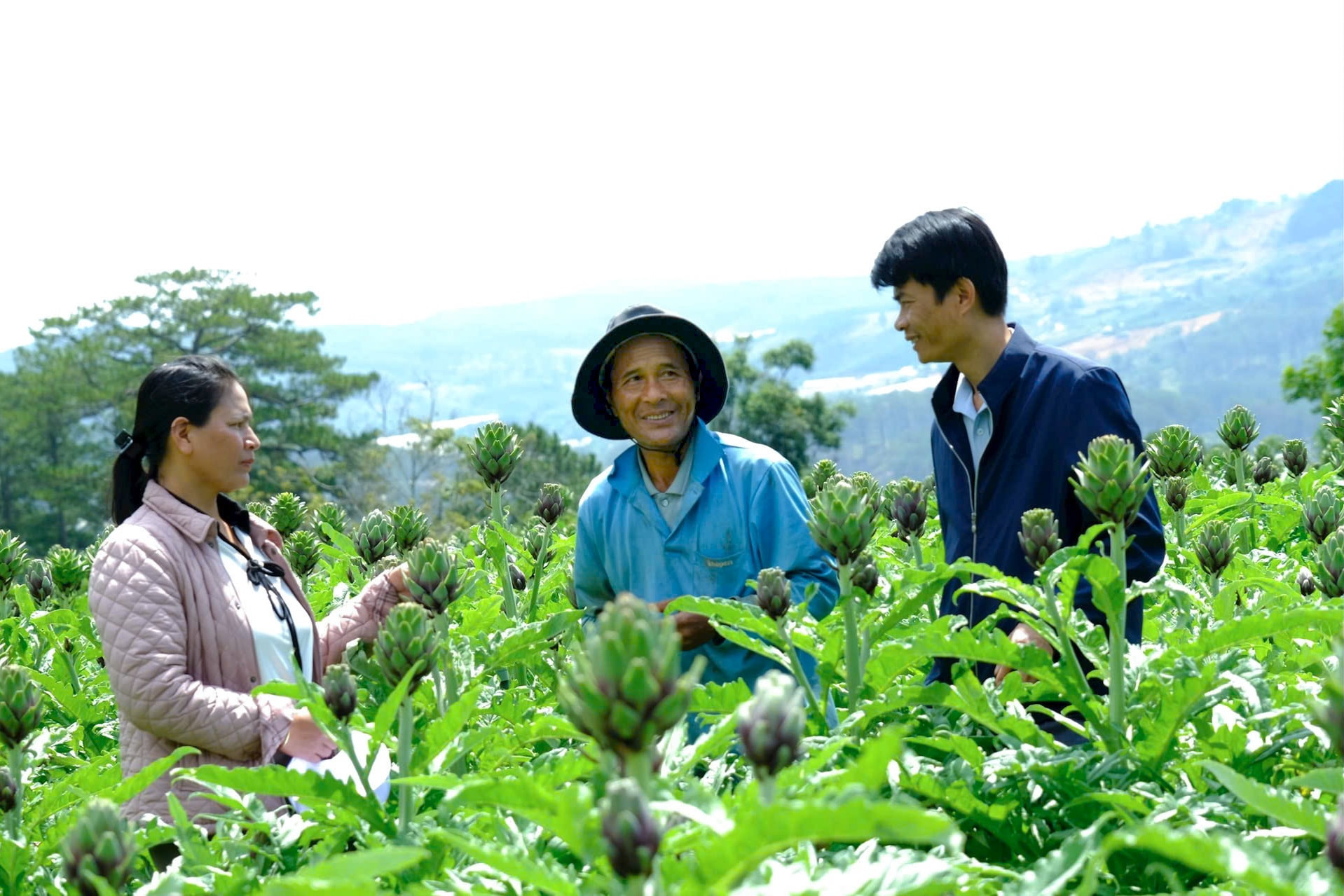
Since 2015, Lo Mu Ha Hang, an ethnic K’ho farmer in Lac Duong Commune, has shifted to cultivating artichokes, a crop that has proven significantly more profitable than traditional alternatives.
On an 8,000 sq.m farm, his artichoke leaves and stems are purchased under contract by Ladophar. Harvesting every 15 days yields around six tons per cycle, generating a steady monthly income exceeding VND20 million (about $800).
Additional income is derived from selling flowers, roots and stems to other buyers, bringing annual earnings into the hundreds of millions of dong. The model has also helped other ethnic minority households improve livelihoods through stable market linkages.
Contract farming ensures stable income
In Don Duong Commune, farmer Nguyen Thien An cultivates one hectare of potatoes under a contract farming model with a private enterprise. His latest harvest reached over 35 tons and was sold at a pre-agreed price of VND9,000 per kilogram.
This secured revenue of more than VND315 million, with profits exceeding VND100 million after costs. According to An, contract farming reduces risks by providing technical support, input supplies and guaranteed market access.
A similar model is applied by the Vuon Nha Da Lat Agricultural Cooperative in Xuan Truong - Da Lat Ward, which partners with around 200 households to cultivate more than 32 hectares of vegetables under organic and VietGAP standards.
Scaling up: thousands of linkages across key commodities
According to provincial authorities, Lam Dong has established 428 agricultural value chains involving over 47,500 households, with 192 cooperatives playing a central role.
These linkages span key commodities such as coffee, vegetables, flowers, dragon fruit, durian and pepper. The cultivated areas under linkage models now reach approximately 85,000 hectares, producing around 920,000 tons annually.
More than 2.2 million livestock are raised within these systems, generating about 210,000 tons of output per year. Notably, around 63% of agricultural products are now sold through contractual arrangements, helping improve traceability and quality control.
Expanding export capacity and global market access
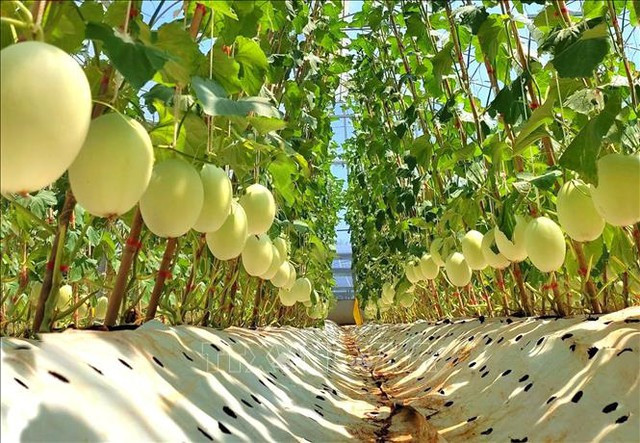
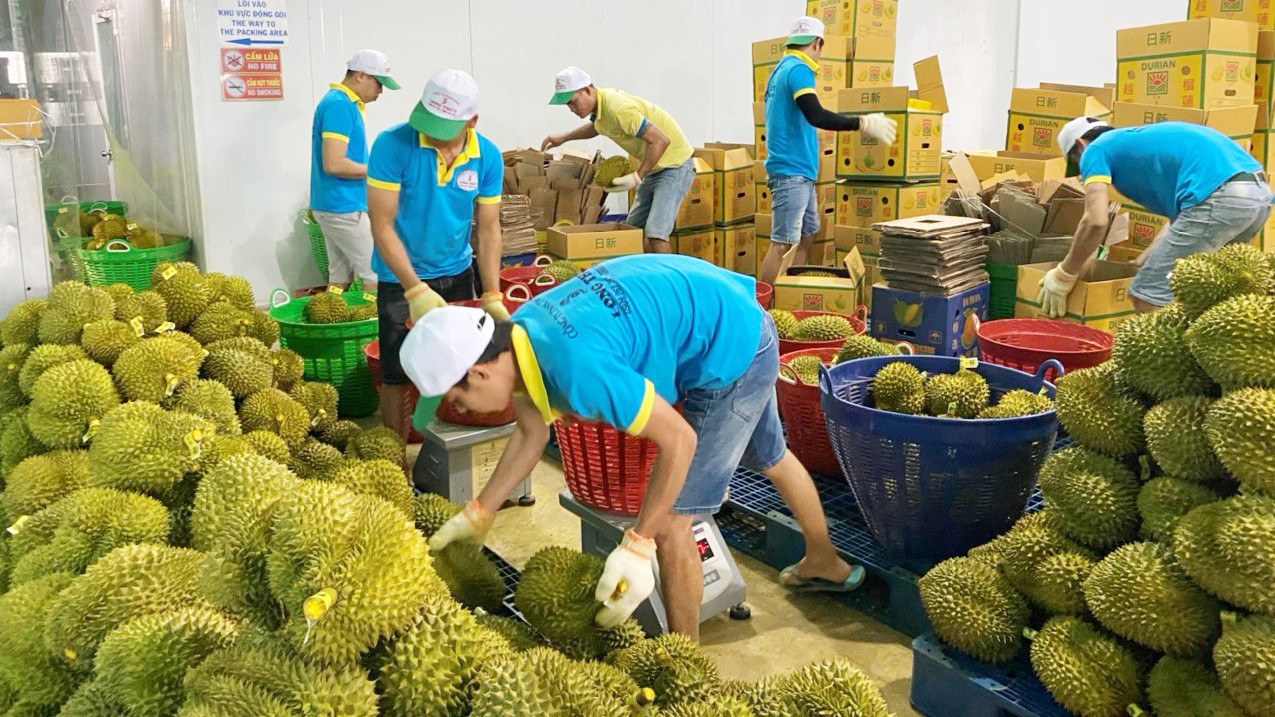
Lam Dong currently has more than 153,000 hectares certified for safe and sustainable production, alongside 963 export planting area codes covering nearly 40,000 hectares and 338 export packaging facilities.
The province’s agricultural products have reached major markets including the EU, China, Japan, the United States, South Korea, the Middle East and ASEAN.
In 2025 alone, exports included over 120,500 tons of coffee, 541,000 tons of dragon fruit, 74,000 tons of durian and nearly 5,000 tons of tea.
Officials say value chain models have enabled enterprises to secure stable raw material zones, ensuring consistent quality for processing and export.
Toward a market-driven agricultural economy
Amid global supply chain disruptions, rising logistics costs and stricter market requirements, Lam Dong is shifting from a production-focused approach to a market-driven agricultural economy.
Authorities emphasize that restructuring production around value chains is essential to increase added value and competitiveness. This includes stronger coordination across sectors — from farming and processing to distribution and branding.
Provincial departments have introduced joint coordination mechanisms to support technology transfer, market development and geographical indication management, aiming to build a fully integrated agricultural value chain.
These efforts are expected to reinforce Lam Dong’s position as a leading hub for high-value, sustainable agriculture in Vietnam and the broader region.