


Van Thuy Tu – preserving the coastal cultural space in Lam Dong
Although Van Thuy Tu may not have the poetic charm of some other destinations in Phan Thiet Ward, it remains a compelling cultural site for its role in preserving the traditions of coastal communities in southeastern Lam Dong Province.
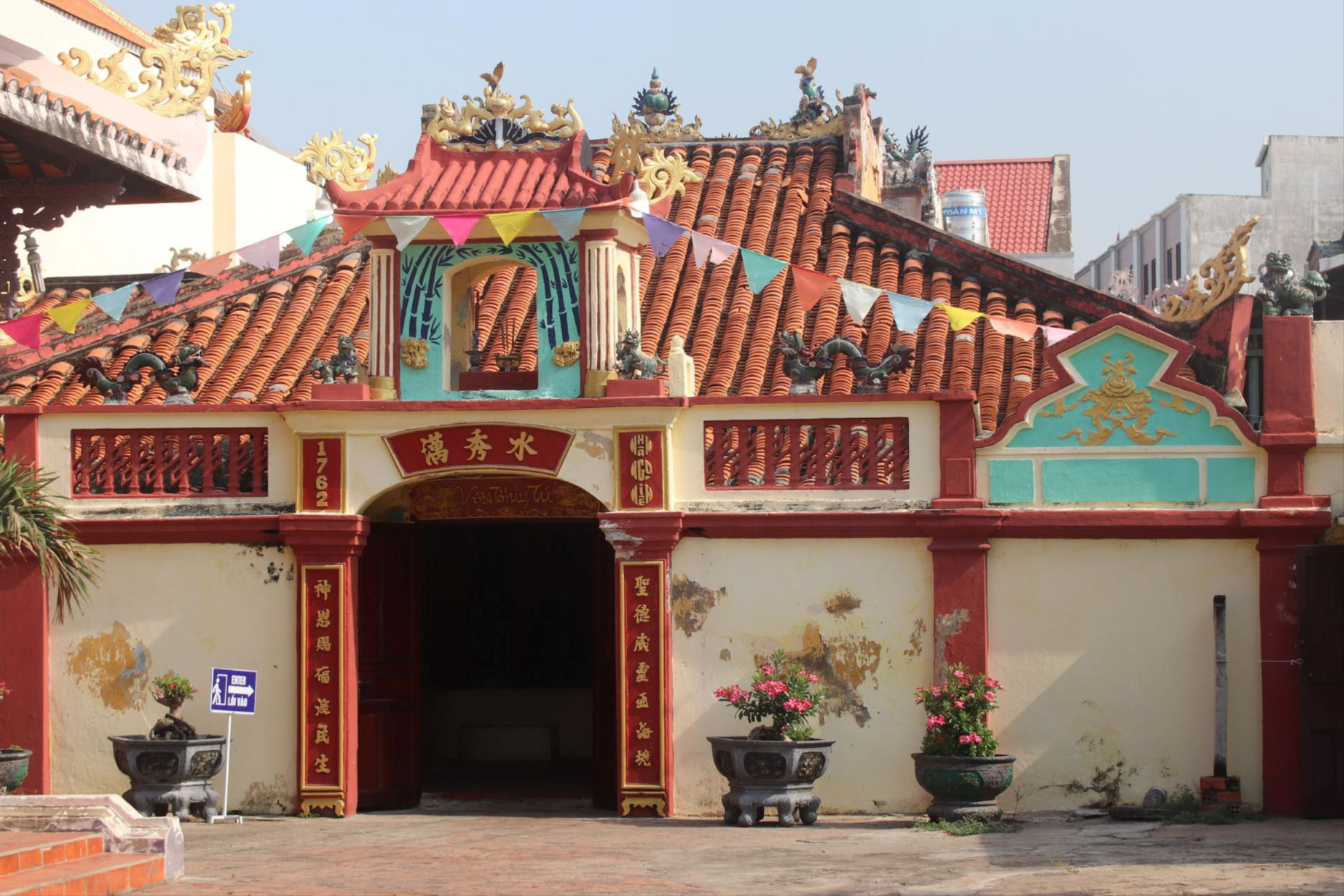
A convergence of community beliefs
“Before visitors stands a whale skeleton more than 20 meters long and nearly 4 meters high, preserved and worshipped by local people for hundreds of years. To date, this is the largest restored and displayed whale skeleton in Southeast Asia.
For generations, coastal fishermen have believed that whales are guardian deities at sea. When facing storms, if blessed by the ‘whale god,’ they can overcome danger and return safely…” These concise explanations, broadcast through speakers at the exhibition house within the Van Thuy Tu complex, leave visitors astonished by the size and remarkable preservation of the skeleton.
Ha Thi Nhung’s family, visiting from Ha Tinh, shared:
“I had seen photos online, but witnessing it in person is truly overwhelming. You can clearly feel its sacredness and significance to fishermen.”
According to documents from the provincial museum, Van Thuy Tu is one of the earliest fishing guild temples established in the southeastern region.
Located on Ngu Ong Street, Phan Thiet Ward, it is dedicated to the founding deities of the fishing profession. Historical records indicate that Van Thuy Tu was established in 1762.
Legend has it that in the late 18th century, shortly after the temple was built, a massive whale washed ashore about 50 meters from the site. Fishermen worked together to bring the carcass into the temple grounds for burial rites. Due to its enormous size, they had to dismantle the main gate and spent more than two days moving it.
According to tradition, whenever a whale dies and washes ashore, villagers conduct burial ceremonies. The first person to discover it is regarded as the whale’s “eldest child” and observes mourning rites. After three years, the remains are exhumed and brought to the temple for worship.
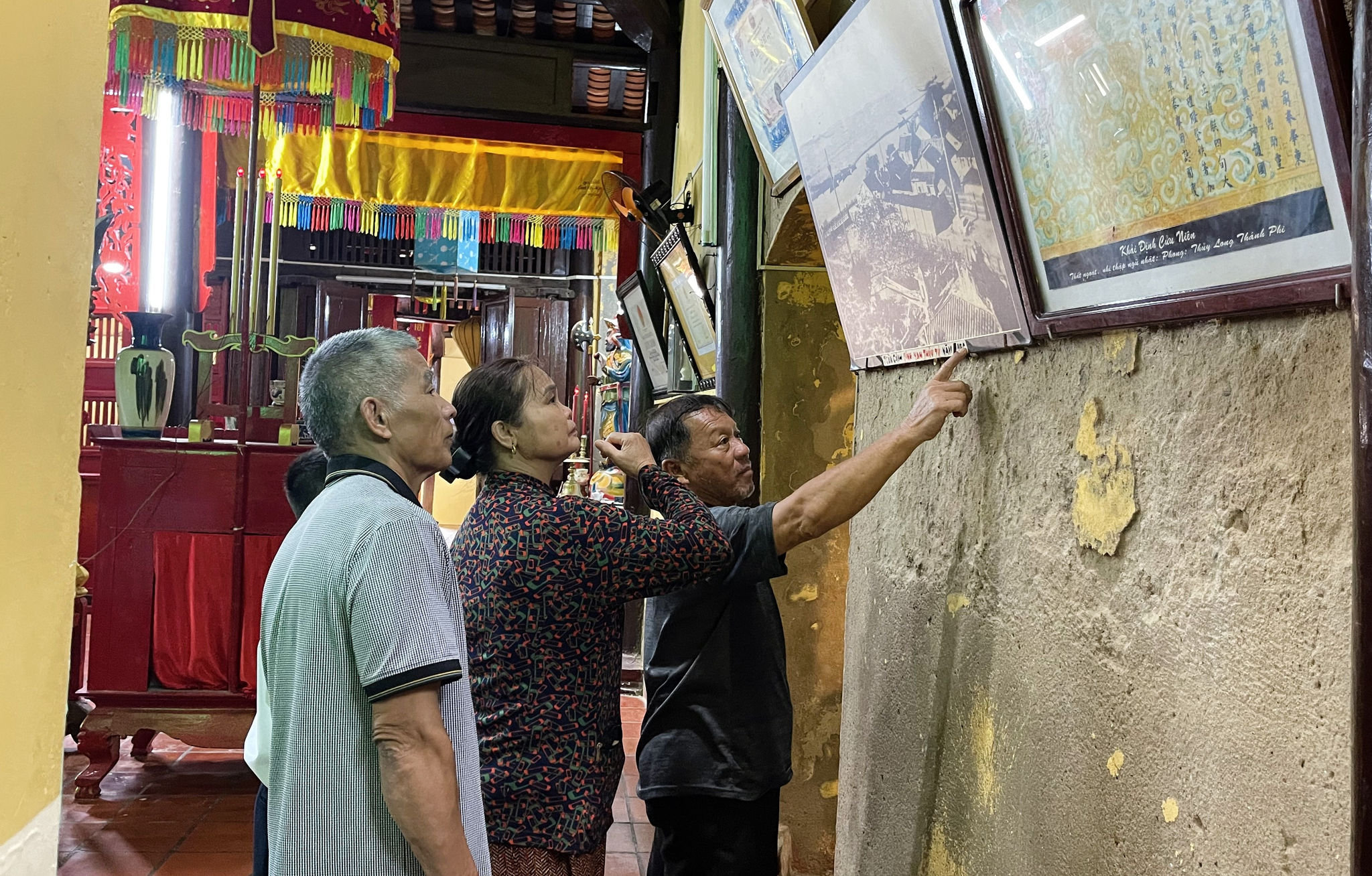
Coastal cultural values
Adjacent to the exhibition house, Van Thuy Tu preserves and displays numerous valuable artifacts associated with its long history. These include a large bronze bell, altars, ceremonial objects, horizontal lacquered boards, parallel sentences, intricately carved panels, statues, and over 100 whale skeletons.
Notably, the site houses 24 royal decrees issued by kings of the Nguyen Dynasty, including Thieu Tri, Tu Duc, Dong Khanh, Duy Tan, and Khai Dinh. Despite more than 250 years of existence and multiple restorations, the temple has retained its original architectural style, structure, materials, and ancient character.
Beyond its architectural and historical value, Van Thuy Tu also serves as a cultural hub for fishermen in Phan Thiet. The most important event is the annual Whale Worship Festival, held from the 19th to the 22nd day of the sixth lunar month, with a major vegetarian ceremony every three years. In 2026, the grand festival will take place.
Huynh Giac, a member of the site’s management board, said:
“The Whale Worship Festival includes numerous rituals closely tied to the fishermen’s livelihood. These include royal decree rituals, the procession to welcome the Whale Spirit, prayers for wandering souls, lantern releasing, dragon boat ceremonies, and prayers for peace, favorable weather, and prosperity. The festive part features traditional performances such as bai choi singing and classical opera.”
With its blend of historical, spiritual, and cultural values, Van Thuy Tu continues to affirm its appeal as a destination in southeastern Lam Dong Province. The preserved heritage not only enriches visitors’ experiences but also helps promote the beauty of Vietnam’s maritime culture — where people live in harmony with nature, showing respect and gratitude toward it.
The Whale Worship Festival is an occasion for fishermen to pray for calm seas, safe voyages, abundant catches, prosperous lives, and strong community bonds. Following this cycle, 2026 will mark the next major celebration.